


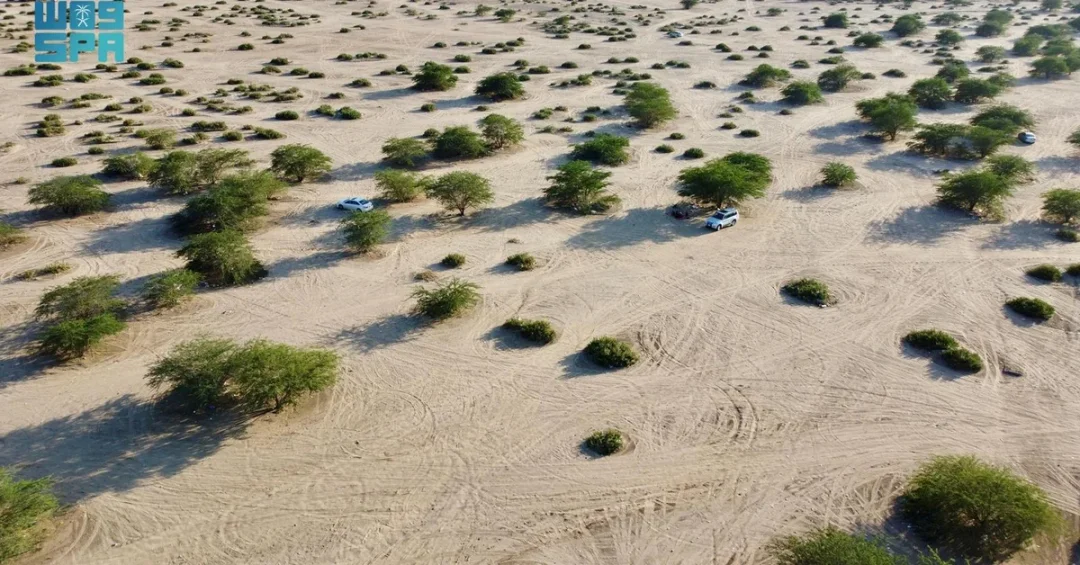
Recent rains have transformed Al-Mugmass Valley, a natural park east of Makkah, into a vibrant destination drawing large numbers of residents and visitors, according to the Saudi Press Agency (SPA). The valley, known for its highlands, golden sands, and scattered wild acacia trees, has become a picturesque retreat for those seeking to enjoy the winter climate and the beauty of nature. The SPA reported that the influx of visitors has been significant, with many relaxing under the shade of trees and on elevated spots to watch others arrive and savor the expansive natural scenery. The recent rains have further enhanced the valley’s natural beauty, creating a lush landscape that showcases the Kingdom’s diverse environment.
Al-Mugmass Valley, located east of the holy city of Makkah, is a natural park that offers a unique blend of desert and highland terrain. Its accessibility and proximity to Makkah make it an ideal spot for families and individuals looking to escape the hustle of daily life and immerse themselves in nature. The valley’s transformation following the rains highlights the dynamic beauty of Saudi Arabia’s landscapes and the importance of preserving such natural treasures. As the Kingdom continues to promote domestic tourism and outdoor recreation under Vision 2030, sites like Al-Mugmass Valley play a crucial role in offering citizens and residents opportunities to connect with nature and appreciate the country’s environmental heritage.
Context and Background
What makes Al-Mugmass Valley so special that it draws crowds even in the winter months? Al-Mugmass Valley, also known as Wadi Al-Mugmass, is a natural park situated east of Makkah. It is characterized by its highlands, golden sands, and scattered wild trees, particularly acacias. The valley is part of the larger natural landscape of the Makkah region, which includes mountainous terrain and desert environments. Historically, valleys like Al-Mugmass have served as natural oases, providing shade and water for travelers and wildlife. In recent years, the Saudi government has invested in developing natural parks and recreational areas to promote domestic tourism and provide leisure opportunities for citizens and residents. The recent rains have revitalized the valley, turning it into a lush green space that attracts visitors from across the region.
The valley’s appeal lies in its natural beauty and its ability to offer a serene escape. Visitors can enjoy the shade of acacia trees, which are well-adapted to the arid climate, and take in the expansive views from elevated spots. The winter climate in Saudi Arabia is particularly pleasant, with cooler temperatures and occasional rainfall that brings the desert to life. This seasonal transformation is a key factor in the valley’s popularity. Moreover, the proximity to Makkah, a city of immense religious significance, means that many pilgrims and visitors to the holy sites also take the opportunity to explore the surrounding natural attractions. The valley thus serves both as a local recreational spot and as a complement to the spiritual journey of millions who visit Makkah each year.
Key Details
What exactly can visitors expect when they arrive at Al-Mugmass Valley? According to the Saudi Press Agency, the valley is distinguished by its highlands, golden sands, and scattered wild trees, particularly acacias. These acacia trees provide natural shade, making it a comfortable place to relax. Visitors often seek elevated spots to watch others arrive and to enjoy panoramic views of the valley. The recent rains have enhanced the valley’s natural beauty, likely resulting in more greenery and perhaps small pools of water that add to the picturesque landscape. The SPA captured images of the influx, showing families and individuals enjoying the outdoors, picnicking, and taking in the scenery. The valley is easily accessible from Makkah, making it a convenient day-trip destination for those in the city.
The presence of acacia trees is significant, as they are a hardy species that thrives in arid environments and provides essential shade and fodder for wildlife. The golden sands and highlands create a dramatic contrast, especially after rainfall when the colors are more vivid. The valley’s natural park status means it is maintained and possibly has some facilities for visitors, though it remains primarily a natural space. The SPA report highlights that visitors are drawn to the valley to savor the winter climate and expansive natural scenery. This suggests that the valley is particularly popular during the cooler months, from November to February, when temperatures are mild and rainfall occasionally occurs. The recent rains have thus made this season especially attractive.
International and Regional Impact
How does a natural valley in Saudi Arabia resonate beyond its borders? The attention given to Al-Mugmass Valley by the Saudi Press Agency and its subsequent coverage in international media highlights Saudi Arabia’s efforts to showcase its natural beauty and tourism potential. For international audiences, it offers a glimpse into the Kingdom’s lesser-known attractions beyond its iconic desert and religious sites. The valley’s popularity among locals and residents demonstrates the success of domestic tourism initiatives and the growing interest in eco-tourism and outdoor recreation. Regionally, it reinforces the image of Saudi Arabia as a destination with diverse landscapes, from mountains to valleys, appealing to nature lovers and adventure seekers. This aligns with the Kingdom’s broader strategy to diversify its tourism offerings and attract visitors from around the world.
Furthermore, the valley’s proximity to Makkah means that it can serve as an additional attraction for the millions of pilgrims who visit the city annually for Hajj and Umrah. After completing their religious obligations, some pilgrims may extend their stay to explore the natural surroundings, contributing to the local economy and promoting a deeper appreciation of Saudi Arabia’s environment. The positive portrayal of such sites in international media helps counter stereotypes and presents a more nuanced view of the Kingdom. As Saudi Arabia continues to open up to international tourism with simplified visa processes and improved infrastructure, natural attractions like Al-Mugmass Valley are poised to become part of the broader tourism circuit, enhancing the overall visitor experience.
Economic and Strategic Significance
What economic benefits can arise from a popular natural destination like Al-Mugmass Valley? The influx of visitors to Al-Mugmass Valley generates economic activity in the surrounding areas. Local vendors may sell food, beverages, and souvenirs, while transportation services benefit from increased demand. The valley’s popularity can also stimulate investment in infrastructure, such as roads, parking, and picnic areas, to accommodate more visitors. This, in turn, creates jobs and supports small businesses. From a strategic perspective, promoting domestic tourism reduces the outflow of tourism dollars and encourages citizens to explore their own country. It also aligns with the Vision 2030 goal of increasing the tourism sector’s contribution to GDP and creating employment opportunities for Saudi youth. The valley serves as a microcosm of the broader tourism potential in the Kingdom.
Moreover, the focus on natural parks and outdoor recreation contributes to the well-being of citizens and residents by providing spaces for physical activity and relaxation. This is particularly important in a society that is increasingly urbanized and seeking healthier lifestyles. The government’s investment in maintaining and promoting such sites is a testament to its commitment to improving the quality of life. Additionally, the media coverage of Al-Mugmass Valley helps raise awareness of environmental conservation. As more people visit, there is a greater need to protect these natural areas from degradation. Sustainable tourism practices, such as responsible waste disposal and limiting visitor numbers where necessary, will be essential to preserve the valley’s beauty for future generations. The economic and strategic significance thus extends beyond immediate revenue to long-term sustainability and environmental stewardship.
Vision 2030 Alignment
How does a visit to Al-Mugmass Valley connect to Saudi Arabia’s Vision 2030? Saudi Vision 2030 aims to diversify the economy, enhance the quality of life for citizens, and position the Kingdom as a global tourism destination. The promotion and enjoyment of natural sites like Al-Mugmass Valley directly support these objectives. By encouraging domestic tourism, the Kingdom reduces reliance on oil revenues and fosters a vibrant tourism sector. The valley’s appeal to families and individuals contributes to social cohesion and national pride, as people come together to appreciate their country’s natural heritage. Furthermore, the development of such sites aligns with the vision’s goal of creating recreational opportunities and preserving the environment. The recent rains and the resulting crowds are a testament to the success of these efforts and the natural beauty that Saudi Arabia has to offer.
In the long term, the sustainable management of Al-Mugmass Valley and similar natural parks will be crucial to maintaining their allure. Vision 2030 emphasizes environmental sustainability, and the Kingdom has launched initiatives such as the Saudi Green Initiative to protect and restore natural landscapes. By balancing tourism with conservation, Saudi Arabia can ensure that sites like Al-Mugmass Valley remain pristine and continue to attract visitors. The valley’s story is one of many that illustrate how the Kingdom is leveraging its natural assets to achieve economic diversification and improve the lives of its people. As the world looks to Saudi Arabia for leadership in various fields, the responsible promotion of its natural wonders will further enhance its global image and attract international tourists eager to explore the beauty of the Arabian Peninsula.
20 Questions
Q1. What is Al-Mugmass Valley and where is it located?
A1. Al-Mugmass Valley is a natural park situated east of Makkah, Saudi Arabia. It is known for its highlands, golden sands, and scattered wild trees, particularly acacias, offering a picturesque landscape.
Q2. Why has Al-Mugmass Valley recently attracted large crowds?
A2. Recent rains have enhanced the valley’s natural beauty, drawing residents and visitors who seek to enjoy the winter climate, expansive scenery, and the lush greenery that follows rainfall.
Q3. What types of vegetation are found in Al-Mugmass Valley?
A3. The valley is characterized by scattered wild trees, especially acacias, which provide shade and are well-adapted to the arid environment, along with other desert plants that bloom after rains.
Q4. What activities do visitors engage in at Al-Mugmass Valley?
A4. Visitors relax under the shade of trees, sit on elevated spots to watch others arrive, enjoy picnics, and savor the winter climate and expansive natural scenery in a serene environment.
Q5. How does the recent rain affect the valley’s landscape?
A5. The rain revitalizes the valley, turning it greener and more vibrant. It enhances the natural beauty, possibly creating small pools of water and encouraging the growth of wildflowers and other vegetation.
Q6. Is Al-Mugmass Valley easily accessible from Makkah?
A6. Yes, the valley is located east of Makkah and is easily accessible by road, making it a convenient day-trip destination for residents and visitors to the holy city.
Q7. What is the significance of acacia trees in the valley?
A7. Acacia trees are hardy desert species that provide essential shade for visitors and wildlife. They contribute to the valley’s ecosystem and enhance its scenic beauty, especially after rainfall.
Q8. When is the best time to visit Al-Mugmass Valley?
A8. The winter months, from November to February, are ideal due to cooler temperatures and occasional rainfall that transforms the landscape, making it perfect for outdoor activities.
Q9. How does the valley support Saudi Arabia’s tourism goals?
A9. It promotes domestic tourism by offering a natural retreat, aligns with Vision 2030’s goal to diversify tourism, and showcases the Kingdom’s natural beauty to international visitors.
Q10. Are there any facilities for visitors at Al-Mugmass Valley?
A10. As a natural park, it may have basic facilities like parking and picnic areas, but it primarily remains a natural space for visitors to enjoy the outdoors without extensive development.
Q11. What makes Al-Mugmass Valley different from other natural sites in Saudi Arabia?
A11. Its proximity to Makkah, combined with its unique landscape of highlands, golden sands, and acacia trees, makes it a distinctive destination that blends natural beauty with accessibility.
Q12. How does the local community benefit from the valley’s popularity?
A12. Local vendors and service providers benefit from increased visitor numbers, creating economic opportunities. It also fosters community pride and encourages environmental stewardship among residents.
Q13. What role does the Saudi Press Agency play in promoting such sites?
A13. The SPA captures and reports on the valley’s beauty and visitor influx, raising awareness both domestically and internationally, and highlighting Saudi Arabia’s natural attractions.
Q14. Can international tourists visit Al-Mugmass Valley?
A14. Yes, with Saudi Arabia’s expanded tourist visa offerings, international visitors can explore the valley. It is an ideal addition to a pilgrimage or leisure trip to the region.
Q15. How does the valley contribute to environmental awareness?
A15. By attracting visitors to nature, it fosters appreciation for the environment and highlights the need for conservation, supporting initiatives like the Saudi Green Initiative.
Q16. What is the historical significance of valleys like Al-Mugmass?
A16. Historically, such valleys served as oases for travelers and wildlife. Today, they are recreational spaces that connect people with nature and heritage.
Q17. Are there any safety considerations for visitors to the valley?
A17. Visitors should exercise caution on uneven terrain and after rains, as paths may be slippery. It is advisable to follow any posted guidelines and respect the natural environment.
Q18. How does Al-Mugmass Valley align with the Saudi Green Initiative?
A18. The initiative aims to plant trees and protect natural landscapes. The valley’s preservation and promotion support these goals by showcasing the beauty of restored ecosystems.
Q19. What impact does the valley have on Saudi Arabia’s image abroad?
A19. Positive media coverage presents Saudi Arabia as a country with diverse natural attractions, complementing its cultural and religious sites, and enhancing its appeal as a tourist destination.
Q20. What future developments might occur at Al-Mugmass Valley?
A20. Future developments could include improved infrastructure, such as better roads and facilities, while maintaining the valley’s natural character, in line with sustainable tourism practices and Vision 2030.
Reader Feedback
We value your thoughts. Please share your feedback on this article.
Your feedback helps us improve our coverage.
Related articles
 Makkah Taxi Service Launched at Hajj Conference
 Saudi Tourism Ministry Conducts 9,655 Inspections in Q3 2024
 King Abdulaziz Reserve Launches Vision 2030 Strategy
 Dunes of Arabia Brings Authentic Desert Heritage to Riyadh Season
 Boulevard World: A Global Tapestry Woven in Riyadh
 Aseer Region Experiences Winter Tourism Boom