


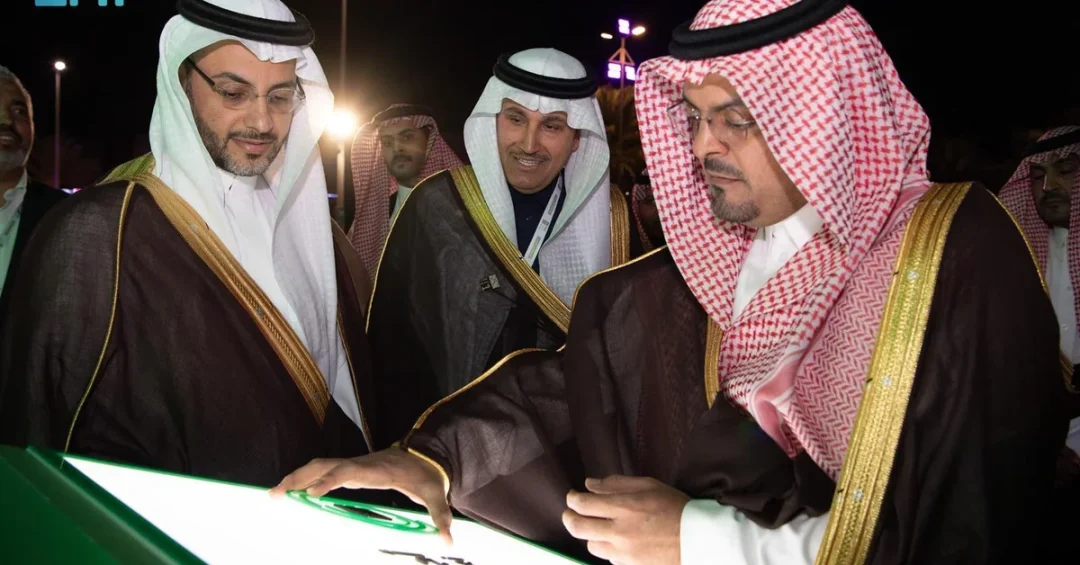
The Makkah Taxi service was officially launched at the Hajj Conference and Exhibition in Jeddah, with operations beginning on Monday, January 13, 2025, under a new contract concession system introduced by the Royal Commission for Makkah City and Holy Sites (RCMC). The service, developed by the General Transport Center of the RCMC, represents a significant step forward in modernizing transportation infrastructure in the Holy City and enhancing the experience of pilgrims and residents alike. The announcement was made via the Saudi Press Agency (SPA), underscoring the Kingdom’s commitment to providing world-class services to the millions who visit Makkah annually.
How does a city prepare to welcome millions of faithful visitors each year while ensuring their journeys are safe, efficient, and comfortable? The launch of Makkah Taxi offers a compelling answer. With an initial fleet that is projected to reach approximately 1,800 vehicles by the end of 2025, the service is designed to meet the growing demand for reliable transportation within Makkah. The phased rollout, which began on January 13, ensures a smooth transition and allows for continuous evaluation and improvement. The service will operate around the clock from 47 designated locations strategically positioned at key stations and around the Grand Mosque area, providing convenient access for all users.
Context and Background
What prompted the creation of a dedicated taxi service in Makkah? The answer lies in the city’s unique status as the holiest site in Islam and its ever-increasing number of visitors. Each year, millions of Muslims from around the world travel to Makkah for Hajj and Umrah, creating immense demand for transportation. The Royal Commission for Makkah City and Holy Sites (RCMC), established to oversee the development and improvement of the Holy City, identified the need for a regulated, high-quality taxi service that could complement existing public transport options. The General Transport Center of the RCMC was tasked with developing the service, leading to the launch of Makkah Taxi under a contract concession system.
The contract concession system is a new operating model for Makkah, designed to ensure that taxi services are provided by licensed companies that meet stringent standards. This approach allows the RCMC to regulate the market effectively, ensuring fair competition, consistent quality, and adherence to safety and environmental guidelines. The first operating license was awarded to a winning company at the Hajj Conference and Exhibition, marking a milestone in the city’s transportation strategy. The phased introduction reflects a careful, methodical approach to implementation, prioritizing the needs of pilgrims and residents while maintaining the highest levels of service.
Historically, transportation in Makkah has evolved significantly, especially in recent decades. The expansion of the Grand Mosque and the development of the Haramain High Speed Railway have transformed how pilgrims access the city. However, local mobility within Makkah has often relied on informal or unregulated services. Makkah Taxi aims to fill that gap by offering a formal, reliable, and comfortable option. The service aligns with the broader goals of Saudi Vision 2030, which seeks to enhance the quality of life for citizens and visitors, improve public services, and support the growth of the tourism and pilgrimage sectors.
Key Details
What specific features define the Makkah Taxi service? The service will operate 24 hours a day, seven days a week, ensuring that transportation is available at any time, day or night. A total of 47 designated locations have been established across Makkah, including at major bus stations, train stations, and around the perimeter of the Grand Mosque. These locations are chosen to maximize accessibility and minimize congestion, allowing passengers to easily find a taxi and reach their destination quickly. The fleet is expected to grow to approximately 1,800 vehicles by the end of 2025, which will significantly enhance capacity and reduce waiting times.
The launch event at the Hajj Conference and Exhibition was attended by key officials, including Minister of Transport and Logistic Services Saleh Al-Jasser, who presented the operating license to the winning company. This public endorsement highlights the government’s support for the initiative and its importance within the national transportation agenda. The Hajj Conference and Exhibition itself serves as a platform for showcasing innovations and services that improve the pilgrimage experience, making it a fitting venue for the launch. The presence of high-level officials underscores the strategic priority given to Makkah’s transportation infrastructure.
In terms of operations, the service will be managed by the winning company under the supervision of the RCMC’s General Transport Center. The concession agreement likely includes requirements for vehicle standards, driver training, customer service, and fare structures. While specific details of the fare system have not been released, it is expected to be competitive and transparent, providing value for money. The vehicles are likely to be modern, air-conditioned, and equipped with safety features, offering a comfortable ride in Makkah’s challenging climate. The service will also incorporate technology for booking and payment, aligning with the digital transformation goals of Vision 2030.
International and Regional Impact
How will Makkah Taxi influence the experience of international pilgrims? For the millions of Muslims who travel to Makkah from every corner of the globe, reliable transportation is a critical component of their spiritual journey. A well-organized taxi service reduces stress, ensures timely arrival at religious sites, and contributes to a positive overall experience. This is particularly important during Hajj, when the city’s population swells dramatically and demand for transport skyrockets. By providing a regulated, high-capacity service, Makkah Taxi will help manage crowds more effectively and enhance safety. International visitors will benefit from clear signage, standardized fares, and professional drivers, making navigation easier even for those who do not speak Arabic.
Regionally, the launch of Makkah Taxi sets a benchmark for other cities in Saudi Arabia and the wider Middle East. It demonstrates how a concession-based model can be used to improve public services, ensuring quality and accountability. Other cities in the Kingdom, such as Madinah and Riyadh, may look to replicate this approach as they develop their own transportation networks. Furthermore, the service supports the Kingdom’s efforts to attract more Umrah and Hajj pilgrims as part of Vision 2030, which aims to increase the number of pilgrims to 30 million annually. A seamless transportation experience is essential to achieving that goal, as it directly impacts visitor satisfaction and the capacity to handle larger numbers.
Economic and Strategic Significance
What economic benefits will Makkah Taxi bring? The service is expected to create jobs for drivers, administrative staff, and maintenance personnel, contributing to local employment and economic growth. The winning company will invest in vehicles, technology, and infrastructure, stimulating related industries such as automotive sales, maintenance, and digital payments. Additionally, a reliable taxi service can boost tourism by making it easier for visitors to explore Makkah’s cultural and historical sites beyond the central pilgrimage areas. This aligns with the broader Vision 2030 objective of diversifying the economy and increasing the contribution of the private sector.
Strategically, the introduction of Makkah Taxi is part of a larger effort to modernize all aspects of the pilgrimage experience. The RCMC has been implementing numerous projects to improve infrastructure, including road expansions, pedestrian pathways, and public transport. The taxi service complements these initiatives by providing a flexible, on-demand option that fills gaps in the network. It also supports the integration of different transport modes, allowing pilgrims to easily transfer between buses, trains, and taxis. This multimodal approach is key to creating a seamless journey and enhancing the overall efficiency of the transportation system in Makkah.
Vision 2030 Alignment
How does Makkah Taxi fit into Saudi Vision 2030? The Vision, launched in 2016 by Crown Prince Mohammed bin Salman, aims to transform Saudi Arabia into a global hub for tourism, business, and innovation while preserving its cultural and religious heritage. A core pillar of the Vision is enhancing the quality of life for citizens and visitors, which includes improving public services such as transportation. Makkah Taxi directly supports this by offering a modern, efficient, and comfortable service that meets international standards. It also contributes to the goal of increasing pilgrimage capacity and improving the Hajj and Umrah experience, which is a key priority for the Kingdom.
Moreover, the service embodies the Vision’s emphasis on private sector participation and economic diversification. By awarding the operating license to a company under a concession system, the government encourages investment and innovation while maintaining regulatory oversight. This model can be replicated in other sectors, driving efficiency and growth. As Makkah continues to develop as a smart city, services like Makkah Taxi will play a vital role in creating a connected, sustainable, and visitor-friendly environment. Ultimately, the launch of Makkah Taxi is a testament to Saudi Arabia’s commitment to serving the guests of God with excellence and to building a brighter future for all.
20 Questions
Q1. What is Makkah Taxi?
A1. Makkah Taxi is a new transportation service launched by the Royal Commission for Makkah City and Holy Sites (RCMC) to provide regulated, high-quality taxi services in Makkah. It operates under a contract concession system and aims to enhance mobility for pilgrims and residents.
Q2. When did Makkah Taxi begin operations?
A2. Makkah Taxi began operations on Monday, January 13, 2025. The service was launched at the Hajj Conference and Exhibition in Jeddah, with a phased rollout to ensure a smooth transition and continuous improvement.
Q3. Who developed Makkah Taxi?
A3. The service was developed by the General Transport Center of the Royal Commission for Makkah City and Holy Sites (RCMC). The RCMC oversees the development and improvement of Makkah and its holy sites.
Q4. How many vehicles will Makkah Taxi have?
A4. The fleet is projected to reach approximately 1,800 vehicles by the end of 2025. This will significantly enhance transportation capacity and meet the growing demand within Makkah.
Q5. Where are the designated taxi locations in Makkah?
A5. There are 47 designated locations strategically positioned throughout Makkah, including at key stations and around the Grand Mosque area. These locations provide convenient access and efficient service for passengers.
Q6. What are the operating hours of Makkah Taxi?
A6. Makkah Taxi operates around the clock, 24 hours a day, seven days a week. This ensures that transportation is available at any time, day or night, for pilgrims and residents.
Q7. Who presented the operating license for Makkah Taxi?
A7. Minister of Transport and Logistic Services Saleh Al-Jasser presented the operating license to the winning company at the Hajj Conference and Exhibition. This highlights the government’s support for the initiative.
Q8. What is the contract concession system?
A8. The contract concession system is a new operating model for Makkah that awards licenses to companies meeting stringent standards. It allows the RCMC to regulate the market, ensure quality, and promote fair competition.
Q9. How will Makkah Taxi benefit pilgrims?
A9. Makkah Taxi provides a reliable, comfortable, and regulated transportation option for pilgrims. It reduces stress, ensures timely arrival at religious sites, and enhances the overall pilgrimage experience, especially during peak seasons.
Q10. What economic benefits will Makkah Taxi bring?
A10. The service is expected to create jobs, stimulate investment in vehicles and technology, and support related industries. It also boosts tourism by making it easier for visitors to explore Makkah.
Q11. How does Makkah Taxi align with Vision 2030?
A11. Makkah Taxi supports Vision 2030 by improving public services, enhancing the quality of life, increasing pilgrimage capacity, and encouraging private sector participation. It reflects the Kingdom’s commitment to modernizing transportation.
Q12. Will Makkah Taxi serve both Hajj and Umrah pilgrims?
A12. Yes, Makkah Taxi is designed to serve all visitors to Makkah, including Hajj and Umrah pilgrims, as well as residents. It operates year-round to meet the continuous demand for transportation.
Q13. What technology will Makkah Taxi use?
A13. While specific details are not yet released, the service is expected to incorporate modern technology for booking, payment, and fleet management. This aligns with the digital transformation goals of Vision 2030.
Q14. How will fares be determined for Makkah Taxi?
A14. Fare structures will be set by the operating company under the supervision of the RCMC. They are expected to be competitive and transparent, providing value for money while ensuring service quality.
Q15. What are the vehicle standards for Makkah Taxi?
A15. Vehicles are likely to be modern, air-conditioned, and equipped with safety features to ensure passenger comfort and security. The concession agreement includes requirements for vehicle quality and maintenance.
Q16. How will Makkah Taxi be regulated?
A16. The service will be regulated by the RCMC’s General Transport Center, which will oversee operations, enforce standards, and ensure compliance with the concession agreement. This ensures consistent quality and accountability.
Q17. Can tourists use Makkah Taxi?
A17. Yes, Makkah Taxi is available to all users, including tourists and visitors. It provides a convenient way to travel within Makkah and access key destinations such as the Grand Mosque and other historical sites.
Q18. What is the significance of launching at the Hajj Conference?
A18. The Hajj Conference and Exhibition is a major platform for showcasing innovations in pilgrimage services. Launching Makkah Taxi there highlights its importance and aligns with the event’s focus on improving the Hajj experience.
Q19. How does Makkah Taxi contribute to Saudi Arabia’s tourism goals?
A19. By providing reliable transportation, Makkah Taxi enhances the visitor experience, making Makkah more accessible and attractive to pilgrims and tourists. This supports the Vision 2030 goal of increasing pilgrimage numbers and boosting tourism.
Q20. What are the next steps for Makkah Taxi?
A20. The service will continue its phased rollout, expanding the fleet to approximately 1,800 vehicles by the end of 2025. The RCMC will monitor performance and gather feedback to ensure continuous improvement and meet growing demand.
Reader Feedback
We value your thoughts. Please share your feedback on this article.
Your feedback helps us improve our coverage.
Related articles
 Saudi Tourism Ministry Conducts 9,655 Inspections in Q3 2024
 King Abdulaziz Reserve Launches Vision 2030 Strategy
 Dunes of Arabia Brings Authentic Desert Heritage to Riyadh Season
 Boulevard World: A Global Tapestry Woven in Riyadh
 Aseer Region Experiences Winter Tourism Boom
 Prophet’s Mosque Welcomes 5.4 Million Worshippers