


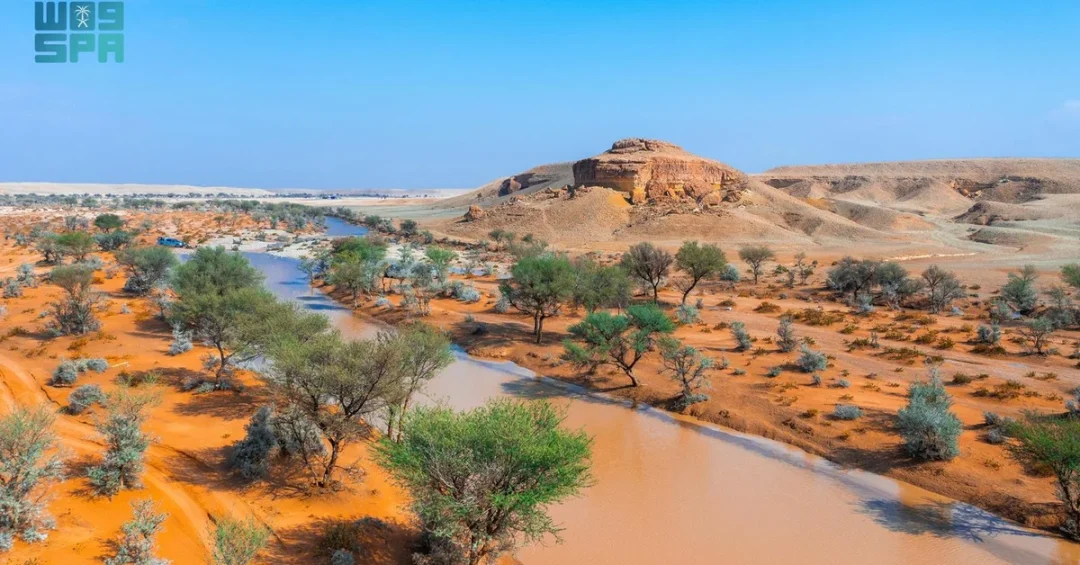
The King Abdulaziz Royal Reserve Development Authority has announced the launch of a comprehensive new strategy designed to position the reserve as a global leader in environmental preservation and cultural heritage while promoting sustainable eco-tourism in alignment with Saudi Vision 2030. The announcement, released through official Saudi channels, outlines four main pillars: biodiversity conservation, reviving cultural and historical heritage, community engagement in environmental initiatives, and providing sustainable eco-tourism experiences. The strategy will be implemented in phased plans between 2025 and 2030, marking a significant step in the Kingdom’s broader environmental and tourism ambitions.
The launch follows the reserve’s recent inclusion in the International Union for Conservation of Nature’s (IUCN) Green List, a recognition that enhances its local and global standing. This achievement reflects the reserve’s commitment to international governance and sustainable management standards, paving the way for collaboration with global environmental organizations. As Saudi Arabia continues to diversify its economy and promote sustainable development, the King Abdulaziz Royal Reserve’s new strategy represents a tangible example of how environmental stewardship and tourism can coexist. Could this model set a new benchmark for protected areas worldwide? The reserve’s ambitious targets suggest it very well might.
Context and Background
The King Abdulaziz Royal Reserve is one of Saudi Arabia’s most significant natural and cultural assets, encompassing diverse ecosystems and historical sites. Its development authority has been tasked with balancing conservation with public access and economic development. The new strategy builds on years of planning and aligns with the Kingdom’s Vision 2030, which seeks to diversify the economy away from oil dependence and promote sectors such as tourism and recreation. The reserve’s inclusion in the IUCN Green List in 2024 was a milestone, as it joined a select group of protected areas worldwide that meet rigorous standards for management and conservation. What does it take for a reserve to earn such international recognition? It requires a demonstrated commitment to governance, community involvement, and measurable conservation outcomes.
The strategy’s launch comes at a time when Saudi Arabia is intensifying its environmental efforts through the Saudi Green Initiative, which aims to plant 10 billion trees and protect 30% of the Kingdom’s land and sea by 2030. The King Abdulaziz Royal Reserve’s goals are closely tied to these national objectives. By increasing protected habitat coverage from 1% to 100% and expanding rehabilitated vegetation from 700 hectares to 60,000 hectares, the reserve is set to become a key contributor to the Saudi Green Initiative. These targets are not merely aspirational; they are backed by phased implementation plans and clear metrics. How will such ambitious targets be achieved? Through a combination of scientific research, community partnerships, and international cooperation, according to the strategy.
Key Details of the Strategy
The strategy is structured around four pillars, each with specific objectives. Under biodiversity conservation, the reserve aims to increase protected habitat coverage from 1% to 100%, expand rehabilitated vegetation cover from 700 hectares to 60,000 hectares, and reintroduce endangered wildlife species to bolster biodiversity and protect natural ecosystems. These efforts align with both Saudi Vision 2030 and the Saudi Green Initiative. The reintroduction of species such as the Arabian oryx and sand gazelle will help restore ecological balance and enhance the reserve’s role as a sanctuary for wildlife. What makes these targets achievable? The reserve’s management authority has outlined a phased approach, with regular monitoring and adaptive management practices.
The second pillar focuses on reviving cultural and historical heritage. Plans include rehabilitating and protecting heritage sites, establishing historical and cultural centres to showcase the area’s rich history, and connecting it with its surrounding natural environment. This integration of culture and nature is a distinctive feature of the strategy, offering visitors a holistic experience. The third pillar emphasizes community engagement, aiming to create 300 direct and indirect jobs and increase the number of volunteers to 2,000. Local communities will benefit from education, training, and environmental programs, ensuring that conservation efforts also deliver economic opportunities. How will community involvement be sustained? Through ongoing partnerships and capacity-building initiatives that empower residents to become stewards of their natural heritage.
The fourth pillar seeks to enhance sustainable eco-tourism by developing tourism experiences aligned with environmental protection standards. The strategy aims to attract 400,000 visitors annually by 2030, establish 780 accommodation units in key development zones, and offer 20 eco-tourism activities tailored to visitor needs while preserving nature. These activities may include guided wildlife tours, hiking trails, and cultural experiences that showcase the reserve’s unique blend of nature and history. Will the influx of visitors compromise conservation? The strategy explicitly prioritizes environmental protection, with tourism infrastructure designed to minimize ecological impact and promote responsible visitation.
International and Regional Impact
The King Abdulaziz Royal Reserve’s strategy is poised to have significant international and regional implications. Its IUCN Green List status positions it among the world’s elite protected areas, opening doors for collaboration with global environmental organizations such as the International Union for Conservation of Nature and the United Nations Environment Programme. This recognition also enhances Saudi Arabia’s standing as a responsible environmental steward, countering perceptions of the Kingdom as solely an oil-based economy. Regionally, the reserve’s success could inspire neighboring countries to adopt similar models of conservation and sustainable tourism. What role can Saudi Arabia play in global environmental diplomacy? By sharing best practices and hosting international conferences, the Kingdom can emerge as a leader in the field.
Moreover, the reserve’s focus on eco-tourism aligns with global trends toward sustainable travel. As travelers increasingly seek authentic, nature-based experiences, the King Abdulaziz Royal Reserve offers a compelling destination that combines wildlife, heritage, and adventure. The target of 400,000 annual visitors by 2030 is ambitious but achievable, given Saudi Arabia’s growing tourism sector and the reserve’s proximity to major cities. This influx could stimulate local economies, create jobs, and generate revenue for conservation efforts. How will the reserve balance tourism growth with preservation? Through strict environmental standards, visitor caps in sensitive areas, and continuous monitoring of ecological health.
Economic and Strategic Significance
From an economic perspective, the strategy represents a strategic investment in Saudi Arabia’s future. The creation of 300 jobs and the development of 780 accommodation units will stimulate local businesses, from hospitality to handicrafts. The reserve’s eco-tourism activities are expected to generate revenue that can be reinvested in conservation and community development. This self-sustaining model reduces reliance on government funding and fosters a sense of ownership among local communities. Additionally, the reserve’s enhanced profile will attract international tourists and researchers, further boosting the Kingdom’s tourism receipts. What makes this strategy economically viable? It leverages Saudi Arabia’s natural and cultural assets while aligning with Vision 2030’s goal of increasing tourism’s contribution to GDP.
Strategically, the reserve’s development supports Saudi Arabia’s broader goals of environmental security and food security. By restoring vegetation and reintroducing wildlife, the reserve contributes to carbon sequestration and ecosystem services that benefit the entire region. It also serves as a buffer against desertification, a pressing challenge in the Middle East. The strategy’s emphasis on community engagement ensures that local populations are not sidelined but are active participants in conservation. This inclusive approach is key to long-term sustainability. How does this fit into Saudi Arabia’s strategic vision? It exemplifies the Kingdom’s commitment to a green future, as outlined in the Saudi Green Initiative and Vision 2030.
Vision 2030 Alignment
The King Abdulaziz Royal Reserve’s new strategy is a direct manifestation of Saudi Vision 2030, which seeks to diversify the economy, enhance quality of life, and promote environmental sustainability. By developing eco-tourism, the reserve contributes to the goal of increasing tourism’s share of GDP and creating employment opportunities for Saudi citizens. The focus on cultural heritage preservation also aligns with Vision 2030’s aim to celebrate and protect the Kingdom’s rich history. Furthermore, the strategy’s environmental targets support the Saudi Green Initiative’s objectives of reducing carbon emissions and protecting natural habitats. How does this benefit the average Saudi citizen? Through job creation, improved recreational spaces, and a healthier environment, the strategy enhances the quality of life for all.
As the reserve moves toward implementation, it will serve as a model for other protected areas in Saudi Arabia and beyond. The phased approach between 2025 and 2030 allows for adaptive management and continuous improvement. With its IUCN Green List status and ambitious targets, the King Abdulaziz Royal Reserve is well-positioned to become a global icon of sustainable development. The world will be watching as Saudi Arabia transforms this natural treasure into a beacon of environmental stewardship and cultural pride. In doing so, the Kingdom reaffirms its commitment to a prosperous and sustainable future for generations to come.
20 Questions
Q1. What is the King Abdulaziz Royal Reserve Development Authority?
A1. The King Abdulaziz Royal Reserve Development Authority is a Saudi government entity responsible for managing and developing the King Abdulaziz Royal Reserve, focusing on conservation, heritage, and sustainable tourism in line with Vision 2030.
Q2. What are the four main pillars of the new strategy?
A2. The four pillars are biodiversity conservation, reviving cultural and historical heritage, community engagement in environmental initiatives, and providing sustainable eco-tourism experiences.
Q3. What is the IUCN Green List and why is it significant?
A3. The IUCN Green List recognizes protected areas that meet rigorous standards for management and conservation. The reserve’s inclusion enhances its global standing and opens doors for international collaboration.
Q4. How will biodiversity conservation be achieved?
A4. Through expanding protected habitat coverage from 1% to 100%, rehabilitating vegetation from 700 to 60,000 hectares, and reintroducing endangered wildlife species to restore ecosystems.
Q5. What are the targets for vegetation rehabilitation?
A5. The strategy aims to expand rehabilitated vegetation cover from 700 hectares to 60,000 hectares by 2030, contributing to the Saudi Green Initiative’s goals.
Q6. How many jobs will the strategy create?
A6. The strategy aims to create 300 direct and indirect jobs for local communities through education, training, and environmental programs.
Q7. What is the volunteer target?
A7. The reserve aims to increase the number of volunteers to 2,000, engaging citizens in conservation and awareness activities.
Q8. How many visitors does the reserve aim to attract annually by 2030?
A8. The target is 400,000 visitors annually by 2030, offering sustainable eco-tourism experiences that align with environmental protection standards.
Q9. What types of eco-tourism activities will be offered?
A9. The reserve plans to offer 20 eco-tourism activities tailored to visitor needs, such as guided wildlife tours, hiking, and cultural experiences, while preserving nature.
Q10. How many accommodation units will be established?
A10. The strategy includes establishing 780 accommodation units in key development zones within the reserve to support tourism infrastructure.
Q11. How does the strategy align with Vision 2030?
A11. It supports economic diversification, job creation, environmental sustainability, and cultural preservation, all core objectives of Saudi Vision 2030.
Q12. What is the Saudi Green Initiative?
A12. The Saudi Green Initiative is a national effort to combat climate change, plant 10 billion trees, and protect 30% of Saudi Arabia’s land and sea by 2030.
Q13. How will cultural heritage be revived?
A13. By rehabilitating heritage sites, establishing historical and cultural centres, and integrating them with the natural environment to showcase the area’s rich history.
Q14. What is the implementation timeline?
A14. The strategy will be implemented in phased plans between 2025 and 2030, with regular monitoring and adaptive management.
Q15. How will local communities benefit?
A15. Through job creation, education, training, and environmental programs, as well as opportunities to participate in conservation and tourism activities.
Q16. What endangered species will be reintroduced?
A16. Species such as the Arabian oryx and sand gazelle are likely candidates, as they are native to the region and crucial for ecological balance.
Q17. How will the reserve balance tourism and conservation?
A17. Through strict environmental standards, visitor caps in sensitive areas, and continuous monitoring of ecological health to minimize impact.
Q18. What international collaborations are expected?
A18. Collaboration with global environmental organizations like IUCN and UNEP, sharing best practices and hosting international conferences.
Q19. What economic impact will the strategy have?
A19. It will stimulate local businesses, generate tourism revenue, create jobs, and reduce reliance on government funding through self-sustaining models.
Q20. How does this benefit the average Saudi citizen?
A20. Through job creation, improved recreational spaces, a healthier environment, and enhanced national pride in Saudi Arabia’s natural and cultural heritage.
Reader Feedback
We value your thoughts. Please share your feedback on this article.
Your feedback helps us improve our coverage.
Related articles
 Dunes of Arabia Brings Authentic Desert Heritage to Riyadh Season
 Boulevard World: A Global Tapestry Woven in Riyadh
 Aseer Region Experiences Winter Tourism Boom
 Prophet’s Mosque Welcomes 5.4 Million Worshippers
 flynas Launches Direct Riyadh-Entebbe Flights
 Arab League Chief Receives ATO President in Cairo Talks