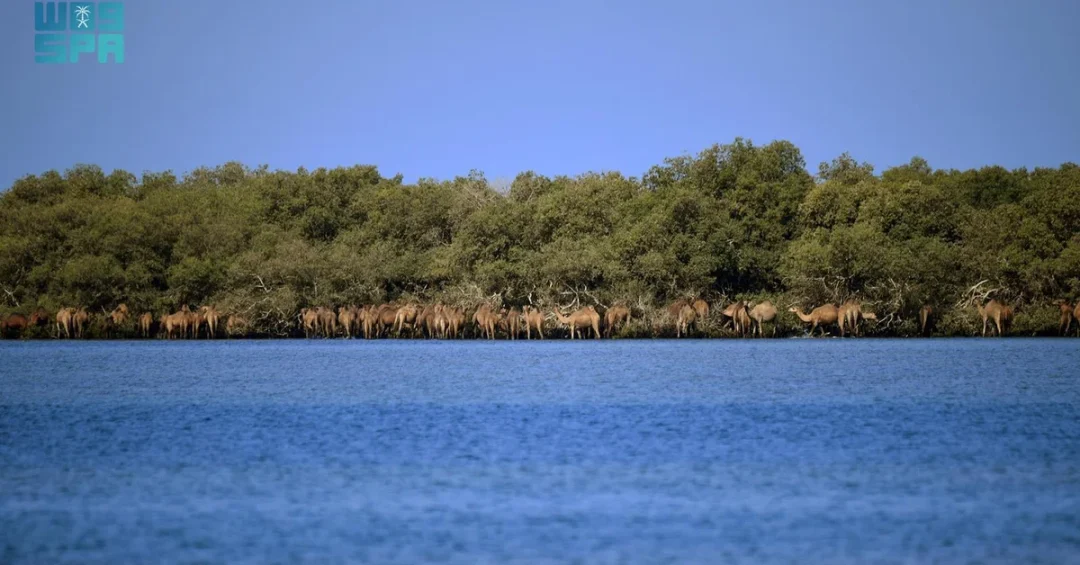
Aseer region is experiencing a notable winter tourism boom as visitors from Abha and surrounding highland cities travel to the coastal areas of Tihama Aseer and the Red Sea to enjoy milder temperatures and diverse landscapes, according to the Saudi Press Agency (SPA). The seasonal movement, supported by improved road networks and infrastructure, is invigorating local economies across the Tihama governorates and reinforcing the Kingdom’s growing domestic tourism sector. The influx reflects a broader trend of increased internal travel during the cooler months, with families and groups seeking both relaxation and adventure in areas that combine cultural heritage with natural beauty.
This development highlights the effectiveness of Saudi Arabia’s ongoing investments in transportation and tourism infrastructure, which are key components of Vision 2030. As the Kingdom continues to diversify its economy and promote domestic tourism, regions like Aseer are emerging as prime destinations that showcase the country’s geographical and cultural richness. The winter season has become a catalyst for economic activity, drawing attention to the unique offerings of the southwestern region and contributing to the national goal of increasing tourism’s share of GDP.
Context and Background
Why has Aseer become such a magnet for winter travelers? The answer lies in its unique geography and the Kingdom’s strategic investments in accessibility. Aseer, located in southwestern Saudi Arabia, is known for its mountainous terrain and cool climate, but its coastal extensions along the Red Sea offer a contrasting winter experience. Visitors from highland cities such as Abha are increasingly heading to Tihama Aseer to escape the cold, a pattern that has been facilitated by significant improvements in road networks and infrastructure. These upgrades have reduced travel times and enhanced safety, making the journey between the Sarawat Mountains and the coastal plains more convenient than ever before.
The region’s appeal is further amplified by its rich cultural and historical tapestry. Governorates like Rijal Almaa and Muhayil Aseer offer a blend of natural beauty and heritage that is rare to find in a single destination. Rijal Almaa, with its strategic location between the Red Sea and the Sarawat Mountains, provides breathtaking vistas that combine pristine beaches with majestic peaks. Muhayil Aseer, on the other hand, boasts low-lying plains, volcanic mountains, and verdant valleys, along with ancient forts and vibrant markets that attract visitors interested in both leisure and history. This diverse offering is a testament to the region’s potential as a year-round tourism hub.
The winter tourism surge is not just a seasonal phenomenon but a reflection of Saudi Arabia’s broader efforts to promote domestic travel. The Saudi Tourism Authority has been actively marketing the Kingdom’s diverse destinations, and Aseer has benefited from these campaigns. The region’s inclusion in national tourism strategies underscores its importance as a key contributor to the Vision 2030 goal of attracting 150 million annual visits by 2030. As more Saudis and international visitors discover the wonders of Aseer, the region is poised to become a cornerstone of the Kingdom’s tourism landscape.
Key Destinations and Attractions
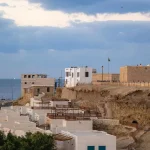
What makes Rijal Almaa a standout destination for winter visitors? Its unique blend of coastal and mountainous scenery creates a microclimate that is particularly pleasant during the winter months. The governorate’s strategic location allows visitors to enjoy both beach activities and mountain hikes within a short distance, offering a diverse itinerary that appeals to all ages. The architectural heritage of Rijal Almaa, with its distinctive stone buildings and historical significance, adds a cultural dimension that enriches the visitor experience. Improved infrastructure has made it easier for tourists to explore this gem, leading to a notable increase in footfall.
Muhayil Aseer is another popular destination that has seen a surge in winter tourism. Its captivating landscape of low-lying plains, volcanic mountains, and verdant valleys is a draw for nature lovers. The area is renowned for its lush greenery and diverse flora, which thrive in the winter season. Historical sites such as ancient forts and bustling local markets provide a glimpse into the region’s past, while the warm hospitality of the local population enhances the overall experience. The combination of natural beauty and cultural richness makes Muhayil Aseer a must-visit for those exploring the Tihama region.
Al Majardah, located 180 kilometers from Abha, has emerged as a sought-after winter destination. Blessed with mild winter weather, fresh air, and stunning natural beauty, it attracts repeat visitors year after year. Its historical significance as a key point on ancient trade routes adds to its allure, offering a sense of timelessness that resonates with travelers. The town’s markets and agricultural produce, including grains, bananas, lemons, sesame, coffee, and aromatic herbs like basil and wormwood, are a testament to the region’s agricultural vitality. Beekeeping and honey production are also significant economic activities, with local honey being highly prized for its quality and flavor.
Economic and Strategic Significance
How does the winter tourism boom impact the local economy? The surge in visitors stimulates demand for local agricultural and industrial products, creating a ripple effect that benefits farmers, artisans, and small businesses. Tihama is renowned for its diverse agricultural produce, and the winter season sees a spike in sales of these goods. Local markets in Rijal Almaa, Muhayil Aseer, and Al Majardah are bustling with activity, offering visitors a chance to purchase authentic products while supporting the local economy. This economic activity is crucial for job creation and income generation in rural areas, aligning with Vision 2030’s goals of sustainable development and economic diversification.
The strategic significance of this tourism boom extends beyond immediate economic gains. It showcases the potential of Saudi Arabia’s less-explored regions to contribute to the national economy. By promoting domestic tourism, the Kingdom reduces reliance on oil revenues and fosters a more resilient economy. The development of tourism infrastructure in Aseer also creates opportunities for private sector investment, further driving growth. The region’s success serves as a model for other areas, demonstrating how targeted investments in infrastructure and marketing can unlock tourism potential and yield substantial returns.
International and Regional Impact
Could Aseer’s winter tourism success attract international visitors? While the current boom is largely driven by domestic travelers, the region’s growing reputation as a unique destination is likely to draw interest from abroad. International tourists seeking authentic cultural experiences and natural beauty will find Aseer appealing, especially as Saudi Arabia continues to ease visa restrictions and promote itself as a tourist-friendly destination. The influx of international visitors would further boost the local economy and enhance cultural exchange, positioning Aseer as a global tourism hotspot.
Regionally, Aseer’s tourism development contributes to the Kingdom’s standing as a leader in sustainable tourism. By investing in infrastructure and preserving natural and cultural heritage, Saudi Arabia sets an example for other countries in the region. The winter tourism boom also strengthens ties with neighboring countries, as visitors from the Gulf Cooperation Council (GCC) states explore the region. This cross-border tourism fosters goodwill and economic cooperation, reinforcing Saudi Arabia’s role as a regional hub for travel and leisure.
Vision 2030 Alignment
How does the Aseer winter tourism boom align with Vision 2030? It directly supports the Vision’s objective of increasing tourism’s contribution to the GDP and creating job opportunities for Saudi citizens. The development of tourism in regions like Aseer is part of a broader strategy to diversify the economy away from oil. The Saudi Tourism Authority’s efforts to promote domestic and international tourism are bearing fruit, as evidenced by the growing number of visitors to the region. This success is a clear indication that Vision 2030’s tourism goals are achievable and that the Kingdom is on the right track.
Furthermore, the emphasis on sustainable and community-based tourism in Aseer reflects the Vision’s commitment to preserving cultural and natural heritage. By empowering local communities and promoting their products, the tourism sector contributes to social development and cultural preservation. The winter tourism boom is not just an economic win; it is a testament to the Kingdom’s holistic approach to development, where economic growth goes hand in hand with cultural and environmental stewardship. As Aseer continues to flourish, it exemplifies the transformative power of Vision 2030 in action.
20 Questions
Q1. What is driving the winter tourism boom in Aseer?
A1. Improved infrastructure and the desire to escape winter chill are driving the boom. Visitors from highland cities like Abha are traveling to coastal Tihama Aseer for milder weather and diverse landscapes.
Q2. Which governorates in Aseer are most popular for winter tourism?
A2. Rijal Almaa, Muhayil Aseer, and Al Majardah are the most popular. Each offers unique attractions, from coastal beauty to historical sites and lush greenery.
Q3. What makes Rijal Almaa a unique destination?
A3. Rijal Almaa blends coastal beauty with mountainous grandeur. Its strategic location between the Red Sea and Sarawat Mountains offers breathtaking vistas and a mix of beach and mountain activities.
Q4. How has infrastructure improved travel to Tihama Aseer?
A4. Road networks and transportation have been upgraded, reducing travel times and enhancing safety. This facilitates easier access between the highlands and coastal plains, boosting tourism.
Q5. What agricultural products are famous in Tihama?
A5. Tihama is known for grains, bananas, lemons, sesame, coffee, and aromatic herbs like basil and wormwood. Beekeeping and honey production are also significant.
Q6. Why is Al Majardah a sought-after winter destination?
A6. Al Majardah offers mild winter weather, fresh air, and stunning natural beauty. Its historical significance as a trade route adds to its allure, attracting repeat visitors.
Q7. How does winter tourism benefit the local economy?
A7. It stimulates demand for local products, supports farmers and artisans, and creates jobs. Markets in Rijal Almaa, Muhayil Aseer, and Al Majardah thrive during the season.
Q8. What historical sites can visitors explore in Muhayil Aseer?
A8. Visitors can explore ancient forts and vibrant local markets. The area’s history and cultural heritage add depth to the tourism experience.
Q9. How does the tourism boom align with Vision 2030?
A9. It supports economic diversification, increases tourism’s GDP contribution, and creates jobs. It also promotes sustainable development and cultural preservation.
Q10. What role does the Saudi Tourism Authority play in this boom?
A10. The authority promotes domestic and international tourism through marketing campaigns and infrastructure development, highlighting regions like Aseer as key destinations.
Q11. Are there international visitors coming to Aseer?
A11. While the boom is mainly domestic, international interest is growing. Eased visa restrictions and global marketing are expected to attract more foreign tourists.
Q12. What is the significance of beekeeping in Tihama?
A12. Beekeeping and honey production are major economic activities. Local honey is highly prized, contributing to the region’s agricultural heritage and economy.
Q13. How does winter tourism in Aseer compare to other Saudi regions?
A13. Aseer offers a unique blend of mountains and coast, distinct from other regions. Its mild winter climate and diverse attractions make it a standout destination.
Q14. What types of accommodations are available for tourists?
A14. A range of accommodations, from hotels to guesthouses, are available. Infrastructure improvements have led to more options, catering to different preferences and budgets.
Q15. How can visitors travel to Tihama Aseer?
A15. Visitors can travel by road from Abha and other cities. Improved highways and transportation services make the journey comfortable and accessible.
Q16. What cultural experiences can visitors expect in Aseer?
A16. Visitors can experience local markets, traditional architecture, and warm hospitality. The region’s heritage is showcased through its forts, festivals, and daily life.
Q17. Is the winter tourism boom sustainable?
A17. Yes, with a focus on preserving natural and cultural heritage. Community-based tourism and responsible practices ensure long-term sustainability.
Q18. What impact does tourism have on local communities?
A18. It creates jobs, supports local businesses, and fosters pride in cultural heritage. Communities benefit economically and socially from increased visitor numbers.
Q19. How does Aseer’s tourism contribute to Saudi Arabia’s global image?
A19. It showcases the Kingdom’s diverse attractions and hospitality, enhancing its reputation as a welcoming and modern destination open to the world.
Q20. What future developments are planned for Aseer’s tourism sector?
A20. Continued infrastructure investments, marketing campaigns, and sustainable projects are planned. These aim to further boost tourism and align with Vision 2030 goals.
Reader Feedback
We value your thoughts. Please share your feedback on this article.
Your feedback helps us improve our coverage.