


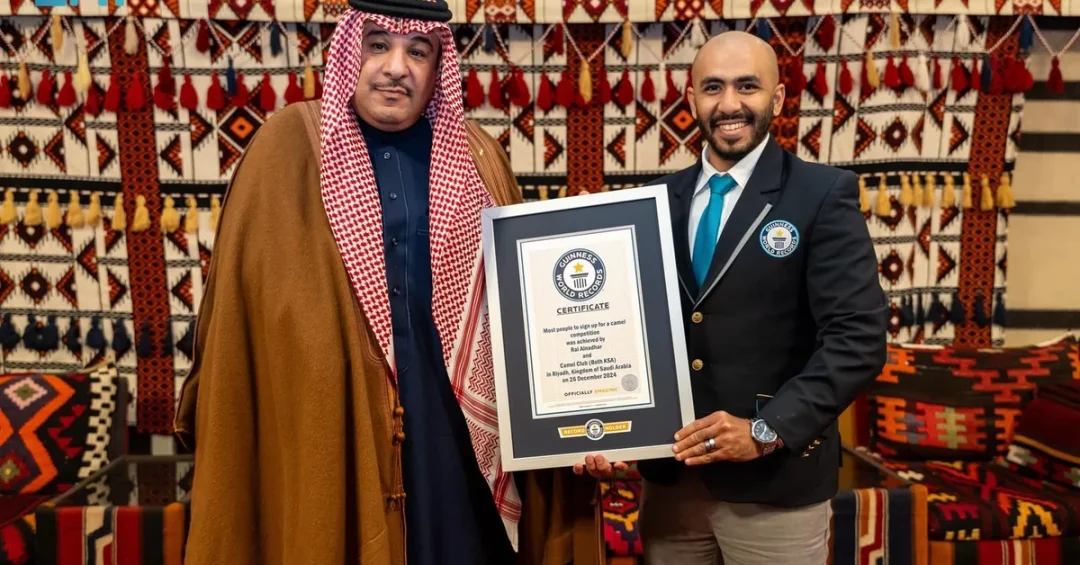
The Rai Alnadhar platform, sponsored by the Saudi Camel Club, has been officially listed in Guinness World Records as the largest digital platform dedicated to human heritage and camels worldwide, according to an announcement carried by the Saudi Press Agency. The recognition, confirmed in Riyadh, marks a significant international milestone for Saudi Arabia’s efforts to preserve and promote its cultural heritage through advanced digital technology, and it arrives as the platform celebrates record-breaking engagement during the “Mongaiyat Al-Jazeera” competition. Sheikh Fahd bin Falah bin Hathleen, Chairman of the Board of Directors of the Saudi Camel Club, formally received the Guinness certificate on behalf of the organization, underscoring the Kingdom’s growing capacity to blend tradition with innovation on a global stage. Could this be a turning point in how the world views digital heritage preservation?
The achievement reflects a broader national strategy in which Saudi Arabia positions its cultural assets not merely as symbols of the past but as living, interactive experiences accessible to millions worldwide. The Rai Alnadhar platform, one of the key digital initiatives of the King Abdulaziz Camel Festival, was designed to strengthen and document the public’s connection to camel heritage. Within just 20 days, it attracted a record number of users and surpassed 30 million visits, a figure that illustrates both the depth of domestic interest and the platform’s expanding international reach. The Guinness World Records listing is not simply a trophy; it is an independent verification that Saudi Arabia has built something genuinely unprecedented in scale and scope. What does it mean for a nation to lead the world in digitizing its heritage?
Context and Background
How did a digital platform dedicated to camels come to hold a world record? The answer lies in Saudi Arabia’s long-standing cultural attachment to the camel, an animal that has been central to Arabian life, trade, and identity for millennia. The Saudi Camel Club, a government-supported entity, has spent years developing initiatives that celebrate this legacy while adapting it to contemporary audiences. The Rai Alnadhar platform emerged from this vision as a comprehensive digital environment where heritage enthusiasts, researchers, and the general public can engage with camel-related content, competitions, and documentation. Its recognition by Guinness World Records as the largest digital platform of its kind confirms that the Kingdom has created a category-defining resource, not just a local project.
The platform’s rise is closely tied to the King Abdulaziz Camel Festival, an annual event that has grown into one of the most significant cultural gatherings in the region. The festival draws participants and spectators from across the Gulf and beyond, and its digital extension through Rai Alnadhar has allowed that reach to multiply exponentially. By documenting competitions, archiving historical material, and providing interactive features, the platform serves as a bridge between generations. It also aligns with a wider national push to digitize cultural assets, ensuring that Saudi heritage is not only preserved but actively experienced by younger audiences and international observers alike. Isn’t it remarkable how technology can make an ancient tradition more accessible than ever before?
The timing of the Guinness recognition is significant. It coincides with the platform’s success in hosting the “Mongaiyat Al-Jazeera” competition this year, which garnered unprecedented engagement from camel and heritage enthusiasts. That event became a focal point for the platform’s user base, driving traffic and participation to new heights. The combination of a major cultural competition and a global record creates a powerful narrative: Saudi Arabia is not simply preserving heritage, it is innovating within it. The Kingdom’s ability to host such events digitally, at scale, demonstrates a level of technical infrastructure and organizational capacity that few countries can match in the cultural sector.
Key Details
What exactly does the Guinness World Records listing signify? According to the Saudi Press Agency, the certificate was awarded to the Saudi Camel Club in recognition of Rai Alnadhar being the largest digital platform dedicated to human heritage and camels worldwide. Sheikh Fahd bin Falah bin Hathleen, Chairman of the Board of Directors, received the certificate in a ceremony that marked the formal acknowledgment of the achievement. The listing is based on verifiable metrics, including the platform’s user base, content volume, and engagement levels, all of which were independently assessed by Guinness World Records adjudicators. This is not a self-declared honor; it is an internationally recognized validation of scale and impact.
The platform’s performance metrics are equally striking. Within just 20 days, Rai Alnadhar attracted a record number of users and accumulated over 30 million visits. To put that in perspective, such figures rival those of major entertainment or news platforms, yet this is a niche heritage site focused on camels and cultural documentation. The high traffic reflects a deep well of interest that had previously been underserved. By providing a dedicated digital space, the Saudi Camel Club tapped into a global community of heritage enthusiasts, researchers, and casual visitors. The platform also serves as a repository for competition results, historical records, and multimedia content, making it a valuable resource for anyone studying Arabian culture.
The “Mongaiyat Al-Jazeera” competition played a central role in the platform’s recent success. This event, hosted on Rai Alnadhar, brought together participants and audiences in a celebration of camel heritage that resonated across borders. The competition’s digital format allowed for real-time engagement, voting, and sharing, which in turn drove the platform’s visibility. The Saudi Camel Club’s decision to integrate the competition with the platform’s broader offerings created a seamless user experience that encouraged repeat visits and deeper exploration. It is a model that other cultural institutions might study, as it demonstrates how to convert a traditional event into a sustained digital community. Could this become the blueprint for heritage engagement worldwide?
International and Regional Impact
How will this achievement resonate beyond Saudi Arabia’s borders? The Guinness World Records listing positions the Kingdom as a global leader in digital heritage preservation, a field that is increasingly important as countries seek to protect their cultural identities in the digital age. For international audiences, Rai Alnadhar offers a window into Saudi culture that is accessible, informative, and engaging. It also challenges outdated perceptions by showcasing a modern, tech-savvy Saudi Arabia that values its traditions while embracing innovation. Regional neighbors, many of whom share similar heritage concerns, may look to this model as they develop their own digital cultural strategies. The recognition thus has diplomatic and soft-power dimensions, reinforcing Saudi Arabia’s role as a cultural hub.
Within the region, the platform’s success could spur collaboration. Camel heritage is shared across the Gulf, and a digital platform that documents and celebrates it can serve as a common resource. The Saudi Camel Club has already demonstrated a willingness to host competitions like “Mongaiyat Al-Jazeera” that attract participants from multiple countries. By expanding its digital reach, the platform could become a regional archive, fostering a sense of shared identity. This aligns with Saudi Arabia’s broader efforts to strengthen ties with its neighbors through cultural and economic initiatives. The Guinness record, therefore, is not just a national achievement; it is a regional milestone that highlights the Gulf’s collective heritage.
Economic and Strategic Significance
What economic value does a heritage platform generate? While Rai Alnadhar is not a commercial enterprise in the traditional sense, its success has significant economic implications. The platform drives tourism interest in camel-related events and festivals, which in turn supports local businesses, hospitality, and transportation. The King Abdulaziz Camel Festival alone attracts thousands of visitors, and the digital platform amplifies that reach, encouraging more people to attend in person. Additionally, the platform’s data and user insights can inform future cultural investments, helping authorities allocate resources effectively. The record-breaking engagement also enhances the Kingdom’s reputation as a destination for cultural tourism, a key pillar of its economic diversification strategy.
Strategically, the achievement reinforces Saudi Arabia’s commitment to preserving its identity while pursuing modernization. It demonstrates that technology can be a tool for cultural continuity, not just economic transformation. The platform serves as a digital embassy of sorts, presenting Saudi heritage to the world in a controlled, positive light. This is particularly valuable as the Kingdom hosts major international events and seeks to attract global investment. By showcasing its ability to manage a large-scale digital platform, Saudi Arabia also signals its technical competence to potential partners in the tech and media sectors. The Guinness record is thus a strategic asset, contributing to both cultural and economic goals.
Vision 2030 Alignment
How does this milestone connect to Saudi Vision 2030? The Vision, launched under the leadership of Crown Prince Mohammed bin Salman, aims to diversify the economy, empower citizens, and promote a vibrant society rooted in national heritage. Rai Alnadhar directly supports these objectives by leveraging digital technology to celebrate a cornerstone of Saudi culture. It also contributes to the Quality of Life program by providing engaging cultural content and fostering community participation. The platform’s global recognition underscores the Vision’s emphasis on innovation and excellence, showing that Saudi Arabia can compete on the world stage in creative and technological fields. This alignment is not coincidental; it is the result of deliberate policy and investment.
Looking ahead, the Saudi Camel Club’s achievement sets the stage for further innovations in integrating Saudi cultural identity with modern technologies. The Kingdom’s reputation as a global hub for excellence and innovation is enhanced by such successes, which in turn attract talent, investment, and international partnerships. As Vision 2030 progresses, we can expect more initiatives that blend heritage with cutting-edge digital tools, creating new opportunities for cultural expression and economic growth. The Rai Alnadhar platform is a proof of concept that heritage and modernity can thrive together. Isn’t that exactly the kind of future the Kingdom is building?
20 Questions
Q1. What is the Rai Alnadhar platform?
A1. Rai Alnadhar is a digital platform sponsored by the Saudi Camel Club, dedicated to human heritage and camels. It serves as a comprehensive online resource for camel-related content, competitions, and cultural documentation, and is a key initiative of the King Abdulaziz Camel Festival.
Q2. What Guinness World Record did Rai Alnadhar achieve?
A2. It was listed as the largest digital platform dedicated to human heritage and camels worldwide. The certificate was awarded by Guinness World Records, confirming the platform’s scale and impact in the digital heritage space.
Q3. Who received the Guinness certificate on behalf of the Saudi Camel Club?
A3. Sheikh Fahd bin Falah bin Hathleen, Chairman of the Board of Directors of the Saudi Camel Club, received the certificate. His leadership has been instrumental in the platform’s development and global recognition.
Q4. When was the Guinness World Record announced?
A4. The announcement was made on December 26, 2024, in Riyadh, as reported by the Saudi Press Agency. It marked a significant milestone for Saudi Arabia’s cultural and technological achievements.
Q5. How many visits did the platform receive in 20 days?
A5. The platform attracted over 30 million visits within just 20 days. This record-breaking engagement demonstrates the widespread interest in camel heritage and the platform’s effectiveness in drawing users.
Q6. What is the “Mongaiyat Al-Jazeera” competition?
A6. It is a competition hosted on the Rai Alnadhar platform that celebrates camel heritage. This year’s event garnered unprecedented engagement from enthusiasts, contributing to the platform’s record-breaking success and global recognition.
Q7. How does Rai Alnadhar support Saudi heritage?
A7. The platform documents and promotes camel heritage through digital archives, competitions, and interactive features. It strengthens the public’s connection to this cultural tradition and ensures its preservation for future generations.
Q8. What role does the King Abdulaziz Camel Festival play?
A8. The festival is a major cultural event that celebrates camel heritage. Rai Alnadhar is one of its key digital initiatives, extending the festival’s reach and impact throughout the year and across the globe.
Q9. Why is the Guinness record important for Saudi Arabia?
A9. It validates the Kingdom’s efforts to blend tradition with modern technology on a global stage. The record enhances Saudi Arabia’s reputation as a leader in digital heritage preservation and cultural innovation.
Q10. How does the platform reflect Vision 2030?
A10. It aligns with Vision 2030 by using technology to promote cultural heritage and enhance quality of life. It also supports economic diversification through cultural tourism and digital innovation.
Q11. What technological features does Rai Alnadhar offer?
A11. The platform provides interactive content, real-time competition updates, multimedia archives, and user engagement tools. These features make heritage accessible and engaging for a global audience.
Q12. Who can use the Rai Alnadhar platform?
A12. It is open to anyone interested in camel heritage, including enthusiasts, researchers, and the general public. The platform’s multilingual and user-friendly design welcomes international visitors.
Q13. How does the platform benefit the local community?
A13. It fosters pride in cultural heritage, supports local events, and drives tourism. The platform also creates opportunities for businesses and artisans connected to camel-related activities.
Q14. What is the significance of the 30 million visits?
A14. It shows massive global interest in Saudi heritage and the platform’s ability to attract and retain users. This level of engagement is unprecedented for a heritage-focused digital platform.
Q15. How does the Saudi Camel Club support the platform?
A15. The club provides strategic direction, resources, and oversight. It ensures the platform remains aligned with national cultural objectives and continues to innovate.
Q16. What international recognition has the platform received?
A16. Apart from the Guinness World Record, the platform has gained attention from heritage organizations and media worldwide. It is increasingly seen as a model for digital cultural preservation.
Q17. How does Rai Alnadhar integrate tradition and technology?
A17. It uses modern digital tools to document and present traditional camel heritage. This blend makes the content accessible to younger audiences and international users while preserving authenticity.
Q18. What future plans exist for the platform?
A18. The Saudi Camel Club aims to expand the platform’s features, add more content, and attract even more users. Future innovations will continue to integrate cultural identity with cutting-edge technology.
Q19. How does the platform contribute to Saudi Arabia’s global image?
A19. It showcases the Kingdom’s ability to innovate in cultural fields, enhancing its reputation as a modern, dynamic nation. This soft power asset supports diplomatic and economic goals.
Q20. What does this achievement mean for heritage preservation globally?
A20. It sets a new standard for digital heritage platforms, demonstrating how technology can safeguard and promote cultural traditions. Other nations may look to Saudi Arabia’s model as they digitize their own heritage.
Reader Feedback
We value your thoughts. Please share your feedback on this article.
Your feedback helps us improve our coverage.
Related articles
 Second Riyadh Theater Festival Concludes Successfully
 Souq Al-Awaleen: A Journey Through Time at Riyadh Season
 Year of the Camel’: A Celebration of Saudi Heritage and Identity
 Saudi Winter Beverages Celebrate Heritage and Warmth
 Sculpture: A Living Symbol of Saudi Cultural Identity
 Rock Art in Harrat Tabuk Reveals Ancient Life and Trade