


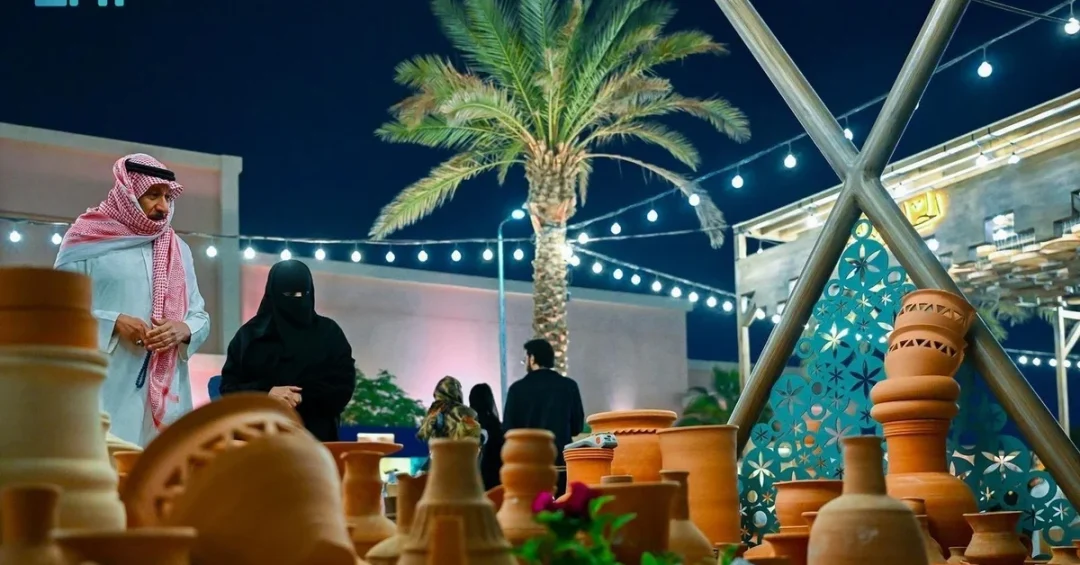
Riyadh Season 2024 is inviting visitors to step into a living museum of Saudi heritage at “Souq Al-Awaleen,” a free cultural destination that transforms the heart of the capital into a vibrant journey through time, according to the Saudi Press Agency (SPA). The souq, whose name evokes the “market of the ancients,” opened as part of the Kingdom’s flagship entertainment season and blends authentic Saudi traditions with contemporary touches, creating an immersive cultural hub for families, tourists, and residents alike. Have you ever wondered what it would feel like to walk through the markets of old Arabia while still enjoying the comforts of a modern metropolis?
The destination is one of the standout attractions of Riyadh Season 2024, the annual celebration organized by the General Entertainment Authority (GEA) under the leadership of its chairman, Turki Al-Sheikh. Souq Al-Awaleen offers free entry, making Saudi heritage accessible to a broad audience, from international visitors exploring the Kingdom for the first time to Saudi families reconnecting with the crafts and cuisines of their ancestors. The souq showcases handicrafts, folk art, musical performances, and hands-on workshops, positioning culture not merely as something to observe but as something to experience firsthand. For a season that draws millions of visitors from around the world, this emphasis on living heritage is a defining feature.
Context and Background
Why has a traditional market become one of the most talked-about attractions of a modern entertainment season? Riyadh Season was launched in 2019 as part of a broader national effort to diversify entertainment options, stimulate domestic tourism, and create economic opportunities in the leisure and cultural sectors. Over successive editions, the season has grown into one of the region’s largest entertainment events, hosting concerts, sporting events, culinary festivals, and themed zones across the capital. Within this expansive program, Souq Al-Awaleen carves out a distinct space dedicated to the Kingdom’s cultural memory, ensuring that rapid modernization does not come at the expense of heritage.
The souq reflects a deliberate strategy of pairing entertainment with education. Rather than presenting heritage as a static exhibit behind glass, the destination invites visitors to touch, taste, and participate. Workshops on Sadu weaving and pottery making allow guests to learn techniques passed down through generations of Saudi artisans. Cooking demonstrations bring the aromas and flavors of traditional Saudi kitchens to life. Cultural performances of music and folklore fill the walkways, creating an atmosphere that SPA described as evoking a bygone era. This combination of entertainment and education is central to how Saudi Arabia presents its culture to the world today.
The timing of the souq’s prominence during Riyadh Season 2024 is significant. As the Kingdom welcomes record numbers of international tourists, attractions that explain Saudi culture in an engaging, accessible way serve as cultural bridges. Visitors from Europe, Asia, and the Americas can encounter Saudi traditions in a welcoming environment, guided by artisans and performers who share the stories behind their crafts. In this sense, Souq Al-Awaleen is not only a family-friendly outing but also a soft-power asset, helping to shape global perceptions of the Kingdom as a destination rich in history and hospitality.
Key Details
What exactly awaits visitors inside Souq Al-Awaleen? According to SPA, the souq presents a diverse array of handicrafts and folk art, accompanied by musical and folkloric performances that reflect the Kingdom’s rich cultural tapestry. Local artisans use the venue as a platform to showcase their creativity and revive traditional crafts, an approach that directly supports the local arts and crafts community. Visitors can browse handmade goods, watch craftspeople at work, and purchase pieces that carry the story of their makers. The presence of artisans on-site transforms shopping into a cultural exchange rather than a simple transaction.
A highlight of the experience is “Sufrat Al-Deira,” an area dedicated to authentic Saudi cuisine. The name evokes a traditional dining spread, and the area offers a culinary journey through regional dishes that reflect the diversity of Saudi gastronomy, from hearty rice and meat dishes to sweets and beverages rooted in local ingredients. Food has long been a central expression of Saudi hospitality, and Sufrat Al-Deira extends that tradition to visitors from around the world. For many guests, tasting these dishes becomes one of the most memorable parts of the visit, offering flavor as a gateway to understanding.
Hands-on participation is another defining feature. Workshops on Sadu weaving, a traditional Bedouin textile craft recognized for its geometric patterns and cultural importance, allow visitors to try their hand at a skill that Saudi women have practiced for generations. Pottery-making sessions offer a similarly tactile experience, connecting guests with the materials and methods of earlier eras. These activities are designed for all ages, making the souq a destination where children and adults can learn together. The result is an experience that lingers long after the visit ends, turning cultural appreciation into personal memory.
International and Regional Impact
How does a heritage market in Riyadh resonate beyond the Kingdom’s borders? Regional tourism has become increasingly competitive, with Gulf states investing heavily in cultural and entertainment attractions. Souq Al-Awaleen differentiates itself by grounding its appeal in authentic Saudi heritage rather than imported concepts. For regional visitors familiar with Gulf culture, the souq offers a deepened encounter with Saudi specifics: Najdi architectural touches, Bedouin weaving, and regional cuisines that vary from one part of the Kingdom to another. This authenticity strengthens Saudi Arabia’s position as a cultural destination within the region.
For international audiences, the souq functions as an accessible introduction to Saudi traditions at a time when the Kingdom is actively welcoming global travelers through initiatives such as expanded tourist visas and major events. Cultural venues like Souq Al-Awaleen complement iconic sites such as Diriyah and AlUla by offering an urban, evening-friendly experience in the capital. Visitors attending concerts or sporting events during Riyadh Season can add a heritage component to their itinerary, creating a more rounded impression of the country. In this way, the souq contributes to the broader goal of presenting Saudi Arabia as a multifaceted destination.
Economic and Strategic Significance
What economic value does a traditional souq generate in a modern entertainment economy? Supporting local artisans is an explicit objective of the venue, and the souq provides craftspeople with a direct market for their work, helping to sustain livelihoods tied to traditional skills. When visitors purchase handmade textiles, pottery, or other crafts, revenue flows to small producers and workshops, many of which operate within the Kingdom’s growing creative economy. This aligns with national efforts to develop cultural industries as contributors to employment and economic diversification.
The souq also strengthens the broader Riyadh Season ecosystem. Free entry lowers barriers for families, increasing foot traffic that benefits surrounding food, retail, and entertainment venues. The season as a whole has become a significant economic driver, attracting visitors who spend on hotels, transport, dining, and shopping. By adding a cultural anchor to the season’s lineup, Souq Al-Awaleen helps broaden the audience beyond concertgoers and sports fans, extending the season’s appeal to heritage enthusiasts and educational groups. Strategic investments in such attractions reflect a long-term view of culture as infrastructure for tourism growth.
Vision 2030 Alignment
How does a journey through time connect to a vision for the future? Saudi Vision 2030, the national transformation program championed by Crown Prince Mohammed bin Salman, emphasizes diversifying the economy, enriching quality of life, and celebrating national identity. Souq Al-Awaleen advances all three goals. It diversifies entertainment offerings beyond imported formats, enriches the cultural calendar for residents and visitors, and elevates Saudi heritage as a source of pride and curiosity. By reviving traditional crafts and cuisines, the souq ensures that modernization reinforces rather than erases cultural continuity.
The destination also supports the Vision’s tourism ambitions, which aim to attract millions of international visitors annually and increase the sector’s contribution to the economy. Cultural attractions that are free, family-friendly, and centrally located make the Kingdom more inviting to first-time visitors, while their authenticity gives repeat visitors reasons to return. As Riyadh Season 2024 continues, Souq Al-Awaleen stands as a clear example of how the Kingdom is weaving its past into its future, offering the world not just entertainment but an invitation to understand Saudi culture from the inside. For anyone seeking a journey through time without leaving the modern capital, the souq delivers an experience that is both educational and unforgettable.
20 Questions
Q1. What is Souq Al-Awaleen?
A1. Souq Al-Awaleen is a cultural destination at Riyadh Season 2024 that offers a journey through time, showcasing authentic Saudi traditions, handicrafts, folk art, and cuisine in a vibrant, free-to-enter setting in Riyadh.
Q2. Where is Souq Al-Awaleen located?
A2. The souq is located in Riyadh as part of the Riyadh Season 2024 entertainment program, which spans multiple venues across the Saudi capital and attracts millions of visitors each year.
Q3. Is entry to Souq Al-Awaleen free?
A3. Yes, according to the Saudi Press Agency, Souq Al-Awaleen is a free destination, making Saudi cultural heritage accessible to families, residents, and international tourists without an admission fee.
Q4. What can visitors see at the souq?
A4. Visitors can see a diverse array of handicrafts, folk art, musical performances, and folkloric shows that reflect the Kingdom’s rich cultural tapestry, along with traditional architecture and lively market stalls.
Q5. What is Sufrat Al-Deira?
A5. Sufrat Al-Deira is a highlight area within Souq Al-Awaleen that offers a delightful culinary journey through authentic Saudi cuisine, allowing visitors to taste traditional dishes from various regions of the Kingdom.
Q6. Can visitors participate in workshops?
A6. Yes, the souq offers hands-on workshops including Sadu weaving and pottery making, enabling visitors to engage directly with traditional industries and develop a deeper connection with Saudi cultural heritage.
Q7. What is Sadu weaving?
A7. Sadu weaving is a traditional Bedouin textile craft practiced in Saudi Arabia, known for its geometric patterns and cultural significance. Workshops at the souq allow visitors to learn and try this heritage skill.
Q8. Who organizes Riyadh Season?
A8. Riyadh Season is organized by the General Entertainment Authority (GEA), chaired by Turki Al-Sheikh, as part of national efforts to expand entertainment, tourism, and cultural offerings in the Kingdom.
Q9. What makes Souq Al-Awaleen unique?
A9. The souq uniquely blends traditional elements with contemporary touches, creating an immersive cultural hub where heritage is experienced through crafts, food, performances, and workshops rather than simply observed.
Q10. Are there musical performances at the souq?
A10. Yes, captivating musical and folkloric performances enrich the ambiance of Souq Al-Awaleen, offering visitors a blend of entertainment and education that reflects Saudi Arabia’s cultural traditions.
Q11. How does the souq support local artisans?
A11. The souq provides a platform for local artisans to showcase their creativity and revive traditional crafts, giving them direct access to visitors and helping sustain the local arts and crafts community.
Q12. Is Souq Al-Awaleen suitable for families?
A12. Yes, with free entry, hands-on workshops, cultural performances, and a dedicated culinary area, the souq is designed to be enjoyed by visitors of all ages, including families and children.
Q13. What kind of food is available?
A13. Visitors can enjoy authentic Saudi cuisine at Sufrat Al-Deira, which presents traditional dishes reflecting the Kingdom’s regional diversity, from hearty main courses to sweets and traditional beverages.
Q14. Does the souq reflect Saudi Vision 2030?
A14. Yes, Souq Al-Awaleen aligns with Vision 2030 by enriching quality of life, supporting cultural industries, promoting tourism, and celebrating Saudi national identity in a modern, welcoming format.
Q15. What is the atmosphere like at Souq Al-Awaleen?
A15. The atmosphere evokes a bygone era, with traditional activities such as cooking demonstrations, Sadu weaving, and cultural performances creating an immersive experience that blends entertainment with cultural education.
Q16. Can international tourists visit the souq?
A16. Yes, international tourists are welcome at Souq Al-Awaleen and across Riyadh Season 2024, with the Kingdom offering expanded tourist visas and a growing range of cultural attractions.
Q17. What crafts can visitors learn about?
A17. Visitors can learn about traditional Saudi crafts including Sadu weaving and pottery making, with workshops that teach techniques passed down through generations of Saudi artisans and craftspeople.
Q18. Why is heritage important to Riyadh Season?
A18. Heritage adds cultural depth to Riyadh Season, ensuring that the entertainment program celebrates Saudi identity alongside modern attractions, and helping visitors understand the Kingdom’s history and traditions.
Q19. How does the souq contribute to tourism?
A19. By offering a free, family-friendly cultural experience in the capital, the souq gives tourists a reason to extend their stay and explore Saudi heritage, supporting the growth of the Kingdom’s tourism sector.
Q20. What is the main takeaway for visitors?
A20. Visitors leave Souq Al-Awaleen with a deeper appreciation of Saudi culture, having experienced its crafts, cuisine, and performances firsthand in a setting that honors the past while embracing the future.
Reader Feedback
We value your thoughts. Please share your feedback on this article.
Your feedback helps us improve our coverage.
Related articles
 Year of the Camel’: A Celebration of Saudi Heritage and Identity
 Saudi Winter Beverages Celebrate Heritage and Warmth
 Sculpture: A Living Symbol of Saudi Cultural Identity
 Rock Art in Harrat Tabuk Reveals Ancient Life and Trade
 Tariq Abdulhakim Center Museum Marks First Year in Jeddah
 Chinese Film Nights Illuminate Jeddah’s Cultural Scene