


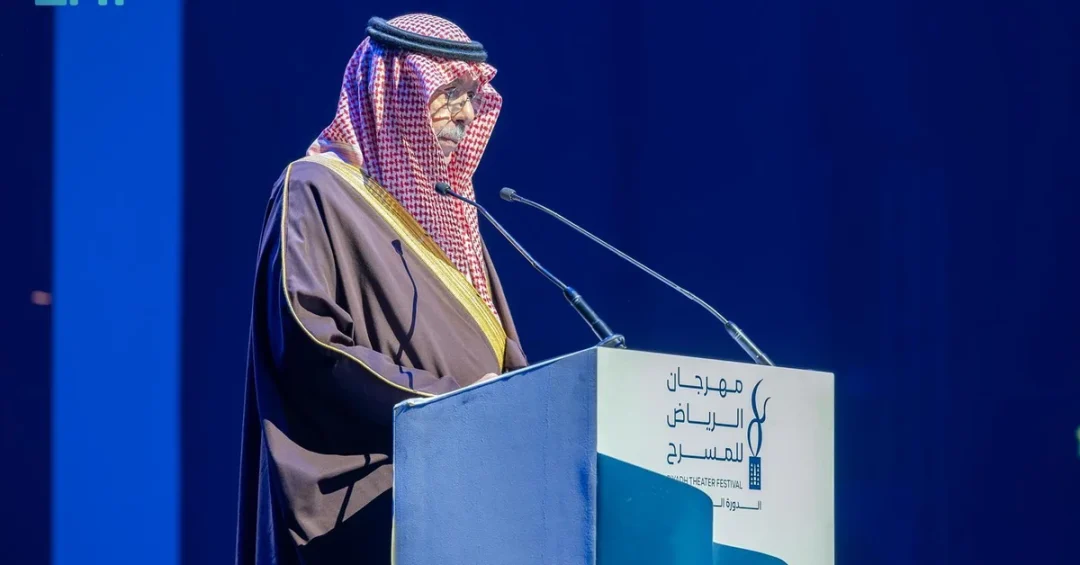
The second edition of the Riyadh Theater Festival concluded on December 26, 2024, on the red stage of Princess Nourah bint Abdulrahman University, capping two weeks of performances that drew audiences, artists, and cultural leaders from across the Kingdom. The closing night marked the end of a landmark cultural event organized under the auspices of the Theater and Performing Arts Authority, one of the eleven sector-specific commissions established by the Saudi Ministry of Culture to develop the Kingdom’s creative industries in line with Vision 2030. The festival ran for fourteen days and showcased a wide spectrum of theatrical productions, workshops, and talent-development programs, reinforcing Riyadh’s position as a rising hub for the performing arts in the Middle East.
The event was announced and reported through official Saudi channels, including the Saudi Press Agency (SPA), which confirmed the closing date and venue. The festival’s red stage at Princess Nourah bint Abdulrahman University, the largest women’s university in the world, provided a symbolic backdrop for a celebration of creativity, education, and youth empowerment. As Saudi Arabia continues to invest heavily in cultural infrastructure, the Riyadh Theater Festival stands as a clear signal that the Kingdom is not only preserving its heritage but also shaping a contemporary cultural identity that resonates internationally. Could the closing of this second edition mark the beginning of a new era for Saudi theater on the global stage?
Context and Background
How did the Riyadh Theater Festival come to occupy such a central place in the Kingdom’s cultural calendar? The answer lies in the broader transformation of Saudi Arabia’s cultural landscape since the launch of Vision 2030 in 2016. The Ministry of Culture, established in 2018, moved quickly to create dedicated authorities for sectors ranging from music and film to literature and theater. The Theater and Performing Arts Authority, led by CEO Sultan Al-Bazai, was tasked with revitalizing an art form that had deep roots in Saudi society but had lacked a sustained institutional platform in recent decades. The first Riyadh Theater Festival, held in 2023, was a pilot effort that demonstrated strong public appetite for live performance.
The second edition built on that foundation, expanding both the number of performances and the range of participating artists. According to the Saudi Press Agency, the festival aimed to invigorate the Saudi theater movement by presenting high-quality performances, raising awareness of the theater and performing arts sector, and discovering and nurturing theatrical talents. These objectives reflect a deliberate strategy: rather than simply importing foreign productions, the Kingdom is investing in homegrown talent and creating an ecosystem where Saudi playwrights, directors, and actors can thrive. The two-week format allowed for a concentrated burst of activity that attracted media attention and public engagement.
Princess Nourah bint Abdulrahman University, the venue for the closing ceremony, is itself a testament to Saudi Arabia’s commitment to education and women’s advancement. Hosting a major cultural festival on its campus underscores the integration of academic institutions into the national cultural project. It also signals that theater is being positioned as a respectable, family-friendly, and intellectually enriching pursuit, in step with the social reforms that have opened new opportunities for women and young people across the Kingdom.
Key Details
What exactly happened during the two weeks of the festival? The closing ceremony on the red stage was the culmination of a program that included mainstage productions, experimental performances, and interactive workshops. While the Saudi Press Agency report focused on the closing event, the festival’s structure was designed to appeal to a broad audience, from seasoned theatergoers to families and students. The red stage, a prominent feature of the university’s cultural complex, hosted the final performances and the official closing address by Sultan Al-Bazai, CEO of the Theater and Performing Arts Authority.
Al-Bazai expressed his pride in the festival’s accomplishments and its importance in showcasing cultural and creative diversity. He underscored the importance of ongoing efforts to enhance the Saudi theatrical landscape and to foster engagement with international theatrical experiences. This statement is significant because it links the festival to a wider strategy of cultural diplomacy. By inviting international participation and encouraging Saudi artists to learn from global trends, the Authority is positioning Saudi theater as part of a global conversation, not an isolated national project.
The festival also served as a talent incubator. Aspiring actors, directors, and technicians had the opportunity to participate in masterclasses, auditions, and networking sessions. The discovery and nurturing of theatrical talents is a core objective, and the festival provided a visible platform for emerging artists to showcase their work. For many young Saudis, especially women who now constitute a majority of university graduates, the festival offered a rare chance to pursue a career in the performing arts with institutional backing. Isn’t it remarkable how a single festival can open doors for an entire generation of creative professionals?
International and Regional Impact
How does the Riyadh Theater Festival fit into Saudi Arabia’s broader regional and international cultural diplomacy? In recent years, the Kingdom has hosted major events such as the Red Sea International Film Festival, the MDLBeast music festival, and the Diriyah Biennale, all of which have attracted global attention. The theater festival adds a distinct dimension: it is rooted in a live, text-based art form that requires deep cultural engagement. By fostering engagement with international theatrical experiences, as Al-Bazai noted, Saudi Arabia is building bridges with theater communities in Europe, Asia, and the Arab world.
Regional counterparts, particularly in the Gulf, have also invested in theater, but Saudi Arabia’s scale and institutional commitment set it apart. The Kingdom’s population of over 35 million, with a large youth cohort, represents a substantial domestic market for cultural products. Moreover, the festival’s location in Riyadh, the capital and a rapidly growing metropolis, reinforces the city’s ambition to become a global cultural destination. International theater companies and practitioners who participate in or observe the festival are likely to view Saudi Arabia as a serious partner for future collaborations. Could this festival be the catalyst that brings world-renowned theater productions to Riyadh on a regular basis?
Economic and Strategic Significance
What are the economic implications of a thriving theater sector in Saudi Arabia? The creative economy is a key pillar of Vision 2030, which aims to diversify the Kingdom’s revenue sources beyond oil. According to official estimates, the cultural and creative industries have the potential to contribute significantly to GDP and create hundreds of thousands of jobs. The Theater and Performing Arts Authority is investing in training programs, infrastructure, and events like the Riyadh Theater Festival to build a sustainable ecosystem. This includes not only performers but also set designers, lighting technicians, costume makers, and production managers.
The festival also supports the growth of related sectors such as hospitality, tourism, and retail. Visitors attending performances may stay in hotels, dine in restaurants, and explore Riyadh’s attractions. As Saudi Arabia continues to ease visa regulations and promote itself as a tourist destination, cultural events provide compelling reasons for international travelers to visit. The strategic significance extends to soft power: a vibrant theater scene enhances the Kingdom’s image as a modern, dynamic society that respects its traditions while embracing creativity. By nurturing local talent and attracting global attention, the festival contributes to a virtuous cycle of investment, innovation, and cultural exchange.
Vision 2030 Alignment
How does the Riyadh Theater Festival align with the specific goals of Vision 2030? The Vision’s cultural objectives include promoting national identity, enriching the quality of life, and supporting the growth of the cultural sector. The festival directly advances these aims by providing a platform for Saudi stories to be told on stage, by enhancing entertainment options for citizens and residents, and by creating economic opportunities in the creative industries. The Theater and Performing Arts Authority’s work, including this festival, is part of a broader effort to increase household spending on culture and entertainment, a key performance indicator for the Vision.
Looking ahead, the success of the second edition sets the stage for an even more ambitious third edition. The Authority has indicated that it will continue to expand the festival’s reach, possibly incorporating more international collaborations and touring productions to other Saudi cities. As Saudi Arabia assumes a greater role in global cultural dialogue, events like the Riyadh Theater Festival demonstrate that the Kingdom is not only a participant but a trendsetter. The closing night on the red stage was not an ending but a beginning: a promise that Saudi theater will continue to grow, inspire, and connect with the world. With such momentum, can anyone doubt that the next edition will be even more spectacular?
20 Questions
Q1. When did the second Riyadh Theater Festival conclude?
A1. The festival concluded on December 26, 2024, according to the Saudi Press Agency. It ran for two weeks and ended on the red stage of Princess Nourah bint Abdulrahman University in Riyadh.
Q2. Where was the closing ceremony held?
A2. The closing ceremony took place on the red stage at Princess Nourah bint Abdulrahman University, the largest women’s university in the world, located in Riyadh. The venue symbolizes the integration of education and culture.
Q3. Who is the CEO of the Theater and Performing Arts Authority?
A3. Sultan Al-Bazai serves as the CEO of the Theater and Performing Arts Authority, a sector-specific commission under the Saudi Ministry of Culture. He expressed pride in the festival’s accomplishments and its role in showcasing cultural diversity.
Q4. What are the main objectives of the Riyadh Theater Festival?
A4. The festival aims to invigorate the Saudi theater movement, present high-quality performances, raise awareness of the theater and performing arts sector, and discover and nurture theatrical talents across the Kingdom.
Q5. How long did the festival last?
A5. The festival lasted for two weeks, running from mid-December to December 26, 2024. This extended format allowed for a concentrated program of performances, workshops, and networking events.
Q6. What did Sultan Al-Bazai say about the festival?
A6. Al-Bazai expressed pride in the festival’s accomplishments and its importance in showcasing cultural and creative diversity. He also emphasized ongoing efforts to enhance the Saudi theatrical landscape and foster international engagement.
Q7. Which authority organized the festival?
A7. The Theater and Performing Arts Authority, one of the eleven cultural commissions established by the Ministry of Culture, organized the festival. The Authority is responsible for developing the theater sector in line with Vision 2030.
Q8. How does the festival support Vision 2030?
A8. The festival supports Vision 2030 by promoting cultural enrichment, creating jobs in the creative economy, enhancing quality of life, and showcasing Saudi Arabia’s modern identity. It aligns with goals to diversify revenue and boost cultural participation.
Q9. What types of performances were featured?
A9. The festival featured a range of theatrical productions, from mainstage plays to experimental works, performed by Saudi and international artists. Workshops and masterclasses were also part of the program.
Q10. Why is Princess Nourah bint Abdulrahman University significant as a venue?
A10. The university is a leading institution for women’s education in Saudi Arabia. Hosting the festival there highlights the role of women in the arts and underscores the integration of academic and cultural development.
Q11. How does the festival contribute to Saudi cultural diplomacy?
A11. By fostering engagement with international theatrical experiences, the festival builds bridges with global theater communities. It positions Saudi Arabia as a cultural partner and attracts international attention to the Kingdom’s creative sector.
Q12. What economic benefits does the festival bring?
A12. The festival stimulates the creative economy, supports jobs in performing arts and related fields, and boosts hospitality and tourism in Riyadh. It contributes to the diversification of the Saudi economy away from oil.
Q13. Who can participate in the festival?
A13. The festival is open to Saudi and international theater professionals, emerging talents, students, and the general public. It provides a platform for both established and aspiring artists to showcase their work.
Q14. How does the festival discover new talent?
A14. Through auditions, workshops, and performances, the festival identifies promising actors, directors, and technicians. It offers them mentorship and exposure to industry professionals, helping launch their careers.
Q15. What is the role of the Ministry of Culture in the festival?
A15. The Ministry of Culture oversees the Theater and Performing Arts Authority, which organizes the festival. The Ministry sets strategic direction for cultural development in line with Vision 2030.
Q16. How does the festival compare to other Saudi cultural events?
A16. The Riyadh Theater Festival is unique in its focus on live theater, complementing events like the Red Sea Film Festival and MDLBeast. It adds depth to Saudi Arabia’s cultural calendar by emphasizing storytelling and performance.
Q17. What is the significance of the red stage?
A17. The red stage at Princess Nourah bint Abdulrahman University is a prominent performance venue. Its use for the closing ceremony symbolizes the prestige of the festival and the importance of theater in Saudi culture.
Q18. Will the festival become an annual event?
A18. While no official announcement has been made about future editions, the success of the first two editions suggests strong institutional support. The Theater and Performing Arts Authority is expected to continue developing the festival.
Q19. How can international artists participate in future editions?
A19. International artists can express interest through the Theater and Performing Arts Authority or Saudi cultural attaches. The Authority has emphasized engagement with international theatrical experiences, welcoming collaborations.
Q20. What does the festival’s success mean for Saudi theater’s future?
A20. The festival’s success indicates a growing appetite for theater in Saudi Arabia and a commitment to nurturing local talent. It positions Saudi theater for greater international recognition and sustained growth under Vision 2030.
Reader Feedback
We value your thoughts. Please share your feedback on this article.
Your feedback helps us improve our coverage.
Related articles
 Souq Al-Awaleen: A Journey Through Time at Riyadh Season
 Year of the Camel’: A Celebration of Saudi Heritage and Identity
 Saudi Winter Beverages Celebrate Heritage and Warmth
 Sculpture: A Living Symbol of Saudi Cultural Identity
 Rock Art in Harrat Tabuk Reveals Ancient Life and Trade
 Tariq Abdulhakim Center Museum Marks First Year in Jeddah