


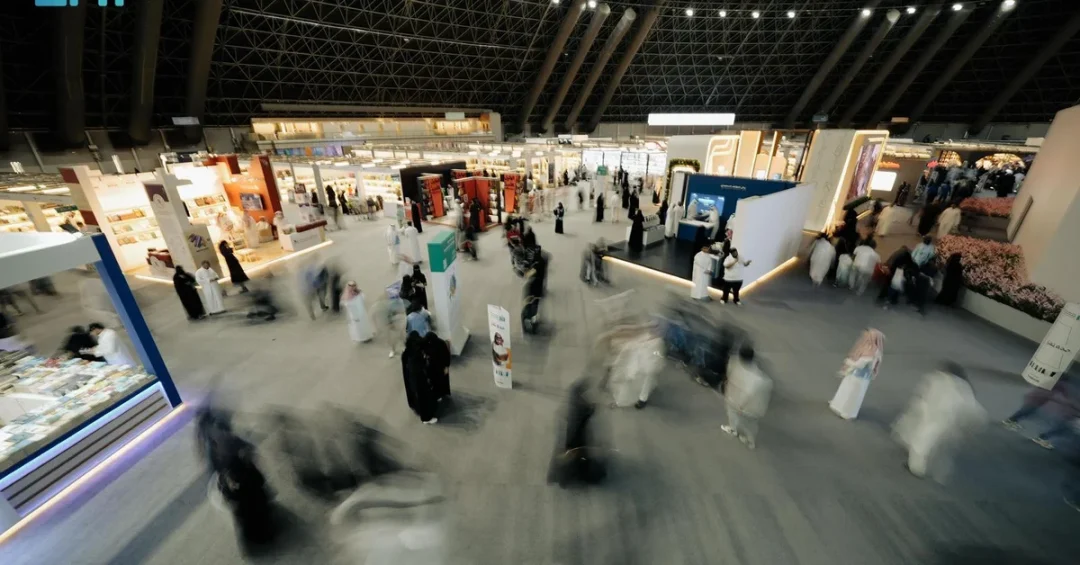
The Jeddah Book Fair, organized by the Literature, Publishing, and Translation Commission at Jeddah Superdome under the slogan “Jeddah Reads”, concluded on December 21, 2024, after ten days that brought together more than 1,000 local, Arab, and international publishing houses and agencies across over 450 pavilions. The event, announced through official Saudi channels including the Saudi Press Agency (SPA), delivered what organizers described as an exceptional cultural experience for lovers of literature and seekers of knowledge, reinforcing Jeddah’s standing as a gateway for cultural exchange on the Red Sea coast.
The fair is the third major book event held in the Kingdom this year, following successful editions in Riyadh and Madinah, a sequence that underscores how deeply reading and publishing have become embedded in Saudi Arabia’s national cultural calendar. Could any single event better illustrate a nation’s commitment to knowledge than the gathering of a thousand publishers under one roof? Visitors moved through halls filled with about 400,000 titles, and more than 450,000 books were sold, spanning everything from scholarly publications to manga and discounted titles. The numbers tell a story of scale, but the deeper story is one of intent: a cultural transformation guided by the Ministry of Culture and aligned with the ambitions of Saudi Vision 2030.
Context and Background
Why has the Jeddah Book Fair become such a pivotal fixture in the region’s cultural landscape? The answer lies in a deliberate, years-long effort by the Kingdom to build a thriving literature and publishing sector. The Literature, Publishing, and Translation Commission, a body operating under the Ministry of Culture, has steadily expanded the country’s book fair circuit, turning what was once a single annual gathering into a nationwide movement. This year’s trio of fairs, in Riyadh, Madinah, and Jeddah, reflects a strategy to bring books closer to readers in every region rather than concentrating cultural activity in one city.
Jeddah Superdome, one of the Kingdom’s largest and most modern event venues, provided an apt setting. Its scale allowed more than 450 pavilions to coexist comfortably, giving publishers from across the Arab world and beyond the space to present their catalogues to a diverse public. The slogan “Jeddah Reads” was not merely a marketing phrase; it captured the fair’s underlying purpose of encouraging habitual reading across age groups, from children encountering their first picture books to academics seeking specialized works. The presence of manga and discounted sections alongside traditional publishing displays signaled an inclusive approach, one that treats reading as a pleasure to be cultivated rather than a duty to be imposed.
Official Saudi media, including SPA, reported the fair’s conclusion on December 22, 2024, framing it as part of a broader cultural momentum. In a region where cultural events often come and go, the sustained institutional backing behind the Jeddah Book Fair stands out. The Commission’s role extends beyond organizing: it licenses publishers, supports translations, and works to professionalize an industry that is central to the Kingdom’s soft power. The fair, in this sense, is both a showcase and a working marketplace, where rights are negotiated, distribution deals are discussed, and new voices find their first audiences.
Key Details and Official Statements
What do the fair’s headline figures actually reveal about the health of the publishing market in Saudi Arabia? According to official information released via SPA, the ten-day event hosted more than 1,000 local, Arab, and international publishing houses and agencies, with over 450 pavilions. Approximately 400,000 titles were on display, and more than 450,000 books were sold, a figure that includes publications from exhibiting houses as well as manga and discounted books. For a single fair, these numbers represent a substantial volume of commercial and cultural activity, and they suggest that demand for printed and illustrated material remains robust despite the global shift toward digital media.
Dr. Mohammad Hasan Alwan, CEO of the Literature, Publishing, and Translation Commission, expressed gratitude to the Kingdom’s leadership for its unwavering support of the cultural movement in Saudi Arabia. He noted that the Jeddah Book Fair is the third such event held this year, following the fairs in Riyadh and Madinah, and described the attendance as remarkable, calling it testimony to the development of the cultural scene in the Kingdom. His remarks, carried by SPA, position the fair not as an isolated success but as a component of a coordinated national effort.
Alwan further explained that the Ministry of Culture is seeking to transform the Kingdom into a major platform for the publishing and distribution industry by providing an ideal environment that meets the needs of both readers and publishing houses. This statement is significant because it links cultural programming directly to industry development. A book fair, in this vision, is not just a temporary festival; it is infrastructure for a sector that the Kingdom intends to grow, export from, and integrate into the wider Arab and global knowledge economy. The combination of high attendance, strong sales, and broad international participation gives the Commission tangible evidence that its approach is working.
International and Regional Impact
How does a book fair in Jeddah resonate beyond the Kingdom’s borders? The participation of more than 1,000 publishing houses and agencies, many of them from across the Arab world and further afield, turned the event into a meeting point for the region’s literary and commercial networks. Arab publishers used the fair to test new titles, gauge reader preferences, and negotiate translation and distribution agreements. International houses, meanwhile, gained direct access to a Saudi readership that is larger, younger, and more engaged than many outside observers assume.
The fair also strengthens Jeddah’s identity as a cultural crossroads. The city has long served as a historic gateway for pilgrims and traders, and in recent years it has added a modern cultural dimension through festivals, galleries, and events like this one. By hosting a fair of this magnitude, Jeddah reinforces Saudi Arabia’s role as a connector between Arab, Asian, African, and Western literary traditions. Regional publishers benefit from a stable, well-organized platform, while readers in the Kingdom gain exposure to global trends in fiction, non-fiction, children’s literature, and graphic storytelling. In a world where cultural exchange is often overshadowed by political friction, a book fair quietly does the work of building understanding, one translated title at a time.
Economic and Strategic Significance
Can the publishing industry become a meaningful contributor to Saudi Arabia’s diversifying economy? The evidence from the Jeddah Book Fair suggests the foundations are being laid. More than 450,000 books sold over ten days represents real consumer spending, but the strategic value goes further. The Ministry of Culture’s stated goal of turning the Kingdom into a major platform for publishing and distribution implies investment in printing capacity, logistics, digital platforms, and professional services such as editing, design, and rights management. Each of these areas creates skilled jobs and small-business opportunities for Saudi entrepreneurs.
The fair also supports the broader creative economy that the Kingdom is nurturing. Authors, illustrators, translators, and publishers all depend on vibrant markets where their work can find readers and revenue. By hosting three major fairs in a single year, the Commission is effectively building a domestic circuit that sustains these professionals between events. International participation adds another layer: foreign publishers who establish relationships in Jeddah are more likely to invest in Arabic-language editions, co-productions, and local partnerships. Over time, this can reduce the Kingdom’s reliance on imported content and increase its cultural exports, a goal that aligns with the wider economic diversification agenda.
Vision 2030 Alignment
How does a ten-day celebration of reading connect to the grand ambitions of Saudi Vision 2030? One of the vision’s core pillars is a vibrant society, and few things are more central to a vibrant society than widespread access to books and ideas. The Jeddah Book Fair, with its hundreds of thousands of titles and its deliberate outreach to young readers through manga and affordable sections, directly supports the goal of fostering a knowledge-based community. It also complements other Vision 2030 initiatives in education, translation, and cultural heritage, creating a ecosystem in which reading is both encouraged and rewarded.
The fair’s success, confirmed through official Saudi channels, is a reminder that Vision 2030 is not only about megaprojects and economic figures. It is also about the daily life of citizens and residents: the books they read, the ideas they encounter, and the creative industries that grow around them. As the Literature, Publishing, and Translation Commission continues to expand its calendar, the Kingdom is positioning itself as a global platform for publishing and distribution, a place where Arab and international voices meet. The Jeddah Book Fair may have concluded, but the reading culture it champions is only beginning to write its next chapter, and Saudi Arabia’s role as a cultural bridge for the region and the world looks set to grow stronger with every edition.
20 Questions
Q1. What was the Jeddah Book Fair and who organized it?
A1. The Jeddah Book Fair was a ten-day cultural event organized by the Literature, Publishing, and Translation Commission at Jeddah Superdome under the slogan “Jeddah Reads”, bringing together publishers and readers from Saudi Arabia and abroad.
Q2. When did the Jeddah Book Fair conclude?
A2. It concluded on December 21, 2024, after ten days of activities, with the Saudi Press Agency reporting the closing on December 22, 2024, via official Saudi channels.
Q3. How many publishing houses participated in the fair?
A3. More than 1,000 local, Arab, and international publishing houses and agencies took part, spread across over 450 pavilions at the Jeddah Superdome venue.
Q4. What was the official slogan of the fair?
A4. The slogan was “Jeddah Reads”, chosen to encourage reading habits and highlight the city’s growing role as a cultural hub in the Kingdom.
Q5. How many titles were displayed at the event?
A5. Approximately 400,000 titles were displayed, covering a wide range of subjects from literature and science to children’s books, manga, and discounted publications.
Q6. How many books were sold during the ten days?
A6. More than 450,000 books were sold, including publications from exhibiting houses as well as manga and discounted titles, reflecting strong public demand.
Q7. Who is the CEO of the Literature, Publishing, and Translation Commission?
A7. Dr. Mohammad Hasan Alwan serves as the CEO of the Commission, and he thanked the Kingdom’s leadership for its unwavering support of the cultural movement.
Q8. What did Dr. Alwan say about the fair’s attendance?
A8. He described the attendance as remarkable and said it testifies to the development of the cultural scene in the Kingdom, reflecting growing public engagement with books.
Q9. Which other book fairs were held in Saudi Arabia this year?
A9. The Jeddah Book Fair was the third such event this year, following the book fairs held in Riyadh and Madinah, part of a nationwide cultural calendar.
Q10. What is the Ministry of Culture’s goal for the publishing sector?
A10. The Ministry seeks to transform the Kingdom into a major platform for the publishing and distribution industry by providing an ideal environment for readers and publishing houses.
Q11. Where was the Jeddah Book Fair held?
A11. It was held at Jeddah Superdome, one of the Kingdom’s largest and most modern event venues, which accommodated more than 450 pavilions comfortably.
Q12. Why is the fair important for Arab publishers?
A12. It offers them a stable, well-organized platform to present new titles, gauge reader preferences, and negotiate translation and distribution agreements with regional and international partners.
Q13. How does the fair support Saudi Arabia’s creative economy?
A13. It generates consumer spending on books and creates opportunities for authors, illustrators, translators, and publishers, supporting skilled jobs and small businesses in the creative sector.
Q14. What types of books were available at the fair?
A14. Visitors found scholarly publications, fiction, non-fiction, children’s literature, manga, and discounted books, ensuring something of interest for every age and taste.
Q15. How does the fair align with Saudi Vision 2030?
A15. It supports the vision’s vibrant society pillar by fostering a knowledge-based community, encouraging reading, and strengthening cultural and creative industries across the Kingdom.
Q16. What role does the Literature, Publishing, and Translation Commission play?
A16. The Commission organizes book fairs, licenses publishers, supports translation, and works to professionalize the publishing industry as part of the Ministry of Culture’s mandate.
Q17. How does the fair benefit international publishers?
A17. It gives them direct access to a large, young, and engaged Saudi readership, and encourages investment in Arabic-language editions and local partnerships.
Q18. What does the fair’s success say about reading in Saudi Arabia?
A18. Strong attendance and more than 450,000 books sold indicate robust demand for printed and illustrated material, and a reading culture that continues to grow.
Q19. How does Jeddah benefit from hosting the fair?
A19. The event reinforces Jeddah’s identity as a cultural crossroads and gateway city, drawing visitors, supporting local businesses, and enhancing its regional and international profile.
Q20. What can be expected for future editions of the fair?
A20. With sustained institutional backing and a growing publishing sector, future editions are expected to expand further, building on this year’s success and advancing the Kingdom’s cultural goals.
Reader Feedback
We value your thoughts. Please share your feedback on this article.
Your feedback helps us improve our coverage.
Related articles
 Reading Forum Day 3: Dialogue Sessions on Novels and Culture
 World Arabic Language Day Highlights Arabic Identity: Prince Faisal
 Prophet’s Mosque: A Global Beacon of Islamic Education
 Resin Art in Saudi Arabia: Beauty and Durability Combined
 Over 700 Visitors Enjoy Camel-Riding at King Abdulaziz Festival
 Saudi Academy Welcomes Second Abjad Arabic Cohort