


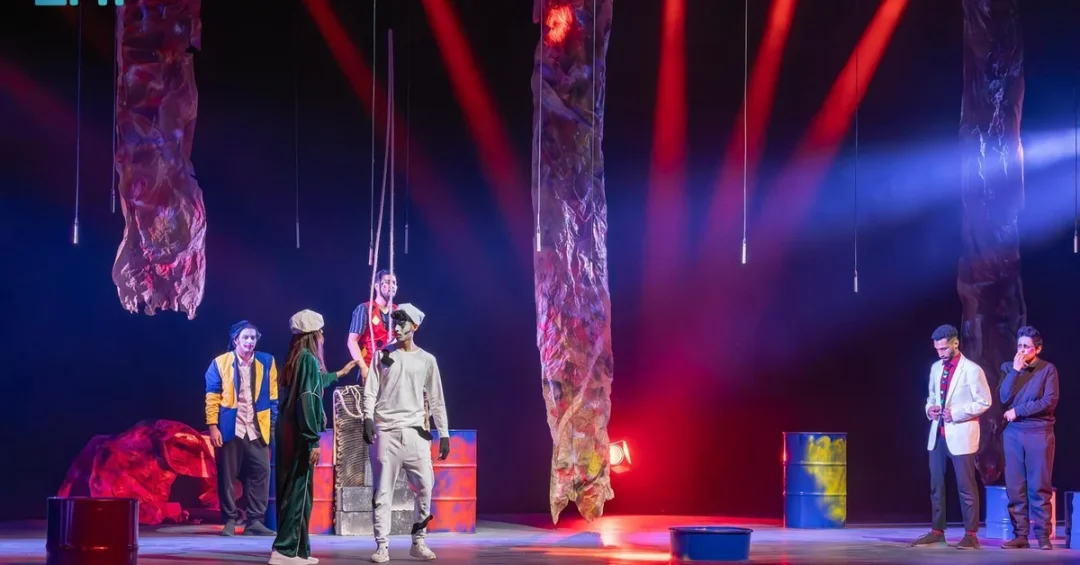
The Riyadh Theater Festival, one of the flagship cultural events of Saudi Arabia’s Vision 2030 era, marked its sixth day with a series of intellectual seminars and theatrical performances that underscored the Kingdom’s growing role as a global hub for artistic exchange. According to the Saudi Press Agency (SPA), the day’s program featured a seminar on contemporary theater in the Arab world, exploring the intersection of creativity and sustainability, and brought together an elite group of theater thinkers and creators. The event, held in the Saudi capital, reflects the Kingdom’s commitment to fostering cultural dialogue and supporting the arts as part of its broader modernization drive.
Have you ever wondered how a festival in Riyadh could reshape the landscape of Arab theater? The Riyadh Theater Festival, organized under the auspices of the Saudi Ministry of Culture, has become a vital platform for showcasing both Saudi and international talent, aligning with the objectives of Vision 2030 to diversify the economy and enrich society. The sixth day’s activities drew attention not only for their artistic merit but also for their intellectual depth, with participants delving into the historical evolution of theater and its contemporary challenges. The festival continues to attract prominent figures from across the Arab world, reinforcing Saudi Arabia’s position as a cultural bridge between East and West.
Context and Background
Why has the Riyadh Theater Festival become such a pivotal event in the region’s cultural calendar? Launched as part of the Ministry of Culture’s initiatives under Vision 2030, the festival was designed to elevate the performing arts in Saudi Arabia and provide a platform for creative expression. Since its inception, it has grown in scope and prestige, drawing participants from across the Arab world and beyond. The sixth day’s seminar, focusing on contemporary theater in the Arab world, is a testament to the festival’s commitment to addressing both artistic and societal themes, such as sustainability, which resonates with Saudi Arabia’s environmental and economic goals.
The seminar featured distinguished speakers, including Dr. Kamal Al-Alawi from Tunisia, who provided a historical overview of theater from the Greek era through the Middle Ages and the Renaissance, reaching the times of Emile Zola. According to SPA, Al-Alawi highlighted how Zola’s work brought about a qualitative shift and revolution in impressionism, influencing modern theatrical expression. This historical perspective is crucial for understanding the roots of contemporary Arab theater and its potential for innovation. The presence of such renowned intellectuals underscores the festival’s role as a forum for critical thinking and cultural exchange, fostering a deeper appreciation for the performing arts among Saudi and international audiences.
Another key participant, Dr. Lina Abiad from Lebanon, discussed ways to improve theatrical production and make it contemporary through modern methodologies. Her insights reflect the festival’s forward-looking approach, emphasizing the need for Arab theater to adapt to changing times while preserving its cultural heritage. By bringing together experts like Al-Alawi and Abiad, the Riyadh Theater Festival not only celebrates artistic excellence but also contributes to the broader discourse on how the arts can drive social and economic development, a core tenet of Vision 2030.
Key Details
What specific discussions and performances defined the sixth day of the festival? The seminar on contemporary theater in the Arab world was the centerpiece, with participants exploring the intersection of creativity and sustainability. This theme is particularly relevant as Saudi Arabia pursues sustainable development goals, including those outlined in Vision 2030. The dialogue emphasized how theater can address environmental and social issues, using creative storytelling to inspire change. The seminar also examined the evolution of theatrical techniques, from ancient Greek traditions to modern experimental forms, providing a comprehensive overview of the art form’s trajectory.
In addition to the seminar, the day included theatrical performances characterized by intellectual depth and artistic excellence. While SPA did not specify the titles of these performances, the festival’s programming has consistently featured a mix of Saudi and international productions, ranging from classical plays to contemporary works. These performances are staged in state-of-the-art venues across Riyadh, such as the King Fahd Cultural Center, which has become a hub for cultural activities. The festival’s diverse lineup aims to appeal to a wide audience, from seasoned theatergoers to newcomers, thereby fostering a vibrant cultural scene in the Kingdom.
The participation of Dr. Kamal Al-Alawi and Dr. Lina Abiad highlights the festival’s international dimension. Al-Alawi’s historical analysis traced theater’s development through key periods, noting how each era contributed to the art form’s evolution. He specifically pointed to Emile Zola’s impact, which revolutionized impressionism and paved the way for modern theatrical expression. Abiad’s focus on modern methodologies for theatrical production complements this historical perspective, offering practical insights for contemporary practitioners. Together, their contributions enriched the seminar, making it a platform for both reflection and innovation.
International and Regional Impact
How does the Riyadh Theater Festival influence the broader Arab cultural landscape? By hosting intellectuals and artists from countries like Tunisia and Lebanon, the festival promotes cross-border collaboration and dialogue, strengthening cultural ties within the Arab world. This is particularly significant given the region’s rich theatrical traditions and the potential for joint productions that can reach global audiences. The festival also positions Saudi Arabia as a cultural leader, capable of convening diverse voices and fostering mutual understanding. Such initiatives align with Vision 2030’s goal of enhancing international engagement and soft power.
Moreover, the festival’s emphasis on sustainability in theater resonates with global trends, where artists are increasingly addressing environmental themes. By integrating sustainability into the discourse, the Riyadh Theater Festival aligns with Saudi Arabia’s commitments under the Saudi Green Initiative and the Middle East Green Initiative, which aim to combat climate change. This intersection of art and sustainability not only raises awareness but also encourages innovative approaches to production, such as eco-friendly stage design and energy-efficient performances. As a result, the festival serves as a model for how cultural events can contribute to broader societal goals.
Economic and Strategic Significance
What economic benefits does the Riyadh Theater Festival bring to the Kingdom? Cultural events like this festival play a crucial role in Saudi Arabia’s economic diversification strategy, attracting tourists and generating revenue for local businesses. The festival draws visitors from across the region and beyond, boosting the hospitality, retail, and transportation sectors. According to the Ministry of Culture, such events are part of a larger effort to increase the cultural sector’s contribution to GDP, in line with Vision 2030 targets. By investing in arts and culture, Saudi Arabia is creating jobs and fostering a knowledge-based economy.
Strategically, the festival enhances Saudi Arabia’s soft power and cultural diplomacy. By showcasing the Kingdom’s commitment to the arts, it counters stereotypes and presents a modern, dynamic image to the world. This is essential for attracting foreign investment and partnerships, as cultural openness is often a key factor in international business decisions. Furthermore, the festival provides a platform for Saudi artists to gain exposure and collaborate with international peers, thereby enriching the local cultural scene and contributing to the Kingdom’s creative economy.
Vision 2030 Alignment
How does the Riyadh Theater Festival embody the aspirations of Vision 2030? The festival is a direct manifestation of the Vision’s cultural objectives, which aim to preserve and promote Saudi heritage while embracing modernity. By supporting theater and other performing arts, the Kingdom is nurturing a vibrant cultural sector that reflects its identity and openness to the world. The Ministry of Culture has been instrumental in this effort, launching numerous initiatives to develop infrastructure, education, and funding for the arts. The Riyadh Theater Festival stands as a prime example of these efforts, bringing together local and international talent to celebrate creativity and intellectual exchange.
Looking ahead, the festival is poised to grow in influence, further solidifying Riyadh’s status as a cultural capital. As Saudi Arabia continues its journey toward Vision 2030, events like this will play a vital role in shaping a diversified, knowledge-based economy and a society that values creativity and dialogue. The sixth day’s activities, with their focus on contemporary theater and sustainability, highlight the Kingdom’s forward-looking approach and its commitment to fostering global cultural connections. Through such initiatives, Saudi Arabia is not only preserving its rich heritage but also contributing to the global arts scene in meaningful ways.
20 Questions
Q1. What is the Riyadh Theater Festival?
A1. The Riyadh Theater Festival is a cultural event organized by the Saudi Ministry of Culture under Vision 2030, showcasing theatrical performances and seminars to promote the arts and cultural exchange in Saudi Arabia and the Arab world.
Q2. When did the sixth day of the festival take place?
A2. The sixth day of the Riyadh Theater Festival took place on December 22, 2024, as reported by the Saudi Press Agency, featuring seminars and performances focused on contemporary theater.
Q3. What was the main topic of the seminar on the sixth day?
A3. The seminar focused on contemporary theater in the Arab world, exploring the intersection of creativity and sustainability, and brought together elite theater thinkers and creators from across the region.
Q4. Who was one of the key speakers at the seminar?
A4. Dr. Kamal Al-Alawi from Tunisia was a key speaker, providing a historical overview of theater from the Greek era through the Middle Ages and Renaissance, and highlighting Emile Zola’s impact on impressionism.
Q5. What did Dr. Lina Abiad discuss at the festival?
A5. Dr. Lina Abiad from Lebanon discussed ways to improve theatrical production and make it contemporary through modern methodologies, emphasizing adaptation and innovation in Arab theater.
Q6. How does the festival align with Vision 2030?
A6. The festival aligns with Vision 2030 by promoting cultural enrichment, economic diversification, and international engagement, supporting the Kingdom’s goals of fostering a vibrant cultural sector and knowledge-based economy.
Q7. What is the significance of sustainability in the seminar?
A7. Sustainability in the seminar reflects Saudi Arabia’s environmental goals, such as the Saudi Green Initiative, and encourages theater to address ecological themes through creative and eco-friendly production methods.
Q8. Which countries were represented by the speakers?
A8. The speakers represented Tunisia and Lebanon, showcasing the festival’s international dimension and its role in fostering cultural dialogue across the Arab world.
Q9. What historical periods were covered in Dr. Al-Alawi’s presentation?
A9. Dr. Al-Alawi covered theater’s development from the Greek era through the Middle Ages and the Renaissance, reaching the times of Emile Zola, who brought a qualitative shift in impressionism.
Q10. How does the festival contribute to Saudi Arabia’s economy?
A10. The festival contributes to the economy by attracting tourists, generating revenue for local businesses, and creating jobs in the cultural sector, supporting Vision 2030’s economic diversification goals.
Q11. What types of performances were held on the sixth day?
A11. The sixth day included theatrical performances characterized by intellectual depth and artistic excellence, though specific titles were not mentioned in the SPA report, the festival features a mix of Saudi and international productions.
Q12. How does the festival promote cultural exchange?
A12. The festival promotes cultural exchange by bringing together intellectuals and artists from various Arab countries, facilitating dialogue, collaboration, and the sharing of innovative theatrical practices.
Q13. What role does the Ministry of Culture play in the festival?
A13. The Ministry of Culture organizes and supports the Riyadh Theater Festival as part of its broader initiatives to develop the arts, preserve heritage, and achieve Vision 2030 cultural objectives.
Q14. Why is contemporary theater important in the Arab world?
A14. Contemporary theater is important as it addresses modern societal issues, fosters creativity, and preserves cultural identity while adapting to global trends, contributing to the region’s cultural vibrancy.
Q15. How does the festival reflect Saudi Arabia’s soft power?
A15. The festival enhances Saudi Arabia’s soft power by showcasing its cultural openness, attracting international participants, and presenting a modern image that fosters global engagement and diplomacy.
Q16. What is the significance of Emile Zola’s mention in the seminar?
A16. Emile Zola’s mention highlights his revolutionary impact on impressionism and theater, illustrating how historical shifts influence contemporary performance and underscoring the seminar’s intellectual depth.
Q17. How can theater contribute to sustainability?
A17. Theater can contribute to sustainability by adopting eco-friendly practices, addressing environmental themes in productions, and raising awareness among audiences, aligning with Saudi Arabia’s green initiatives.
Q18. What future developments can be expected for the festival?
A18. The festival is expected to grow in scope and influence, further establishing Riyadh as a cultural hub, with continued support from the Ministry of Culture and alignment with Vision 2030 goals.
Q19. How does the festival support Saudi artists?
A19. The festival supports Saudi artists by providing a platform for exposure, collaboration with international peers, and professional development, enriching the local cultural scene and creative economy.
Q20. What is the overall impact of the Riyadh Theater Festival?
A20. The festival has a positive impact by promoting cultural dialogue, economic growth, and international engagement, reinforcing Saudi Arabia’s role as a leader in the arts and supporting Vision 2030’s transformative agenda.
Reader Feedback
We value your thoughts. Please share your feedback on this article.
Your feedback helps us improve our coverage.
Related articles
 Saudi-Iraqi Music Dialogue Shines at Common Ground Festival
 Jeddah Book Fair Concludes After 10 Days of Cultural Success
 Reading Forum Day 3: Dialogue Sessions on Novels and Culture
 World Arabic Language Day Highlights Arabic Identity: Prince Faisal
 Prophet’s Mosque: A Global Beacon of Islamic Education
 Resin Art in Saudi Arabia: Beauty and Durability Combined