


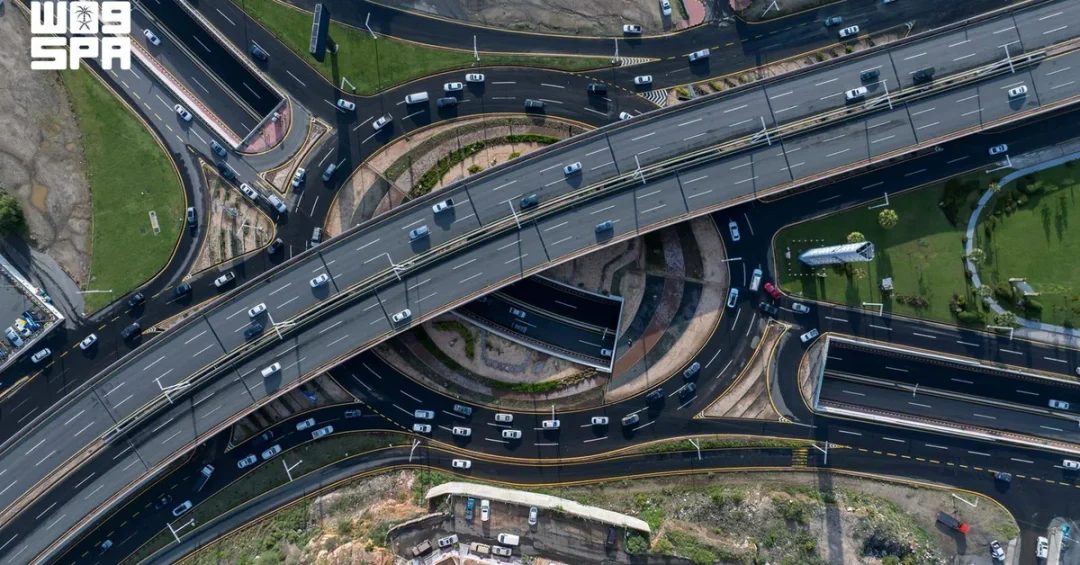
Abha, the administrative capital of the Aseer Region in southern Saudi Arabia, is marking World Cities Day 2026 with a sweeping program of urban and infrastructural transformation designed to establish it as a sustainable, year-round tourism and economic hub, according to information released via the Saudi Press Agency (SPA). The annual observance, held every October 31, this year aligns with the United Nations theme “Regenerating the City: Adequate Housing for All,” which emphasizes urban renewal, infrastructure development, and resilient community planning. For Abha, a city set among the Sarawat Mountains, the occasion offers a moment to take stock of a development pipeline that is reshaping its public realm, mobility networks, and hospitality capacity while preserving its distinctive architectural identity and environmental balance.
Could a mountain city of just over 422,000 residents become a model for sustainable urban renewal across the Middle East? The figures released by the Aseer Region Development Authority suggest that Abha is already well on its way. The city accounts for 20.86 percent of the region’s 2.02 million residents, making it the most populous urban center in Aseer and the natural focal point for a regional investment program that spans tourism, transport, housing, and quality-of-life infrastructure. The transformation is being driven by a combination of Public Investment Fund (PIF) companies, government ministries, and regional authorities working in alignment with Saudi Vision 2030, the national roadmap for economic diversification and social modernization.
Context and Background
Why does World Cities Day matter so much to a city like Abha? The global observance, established by the United Nations in 2013, is designed to promote international interest in urbanization and to encourage cooperation among countries in addressing the challenges of urban growth. The 2026 theme, “Regenerating the City: Adequate Housing for All,” focuses attention on urban renewal, infrastructure development, and resilient community planning. For Saudi Arabia, the theme resonates strongly with a national urban strategy that prioritizes livability, sustainability, and inclusive growth across the Kingdom’s cities and regions.
Abha’s development trajectory is deeply rooted in its geography and heritage. Situated at an elevation of roughly 2,200 meters, the city enjoys a cooler climate than most of the Kingdom, making it a traditional summer destination for Saudis and, increasingly, an international tourism draw. Its architectural identity—characterized by stone-built towers and distinctive Aseeri decorative patterns—has been carefully integrated into modern planning guidelines. The Aseer Region Development Authority, which oversees much of the regional strategy, has emphasized that new infrastructure must complement rather than replace the area’s cultural and environmental assets. This approach reflects a broader Saudi commitment to balancing rapid modernization with the preservation of national heritage, a principle embedded in Vision 2030.
The city’s growth also reflects a wider national trend. Saudi Arabia is investing heavily in secondary cities and regions as part of an effort to distribute economic opportunity beyond the major metropolitan centers of Riyadh, Jeddah, and Dammam. Abha, as the administrative capital of Aseer, is a key beneficiary of this strategy, with public and private investment flowing into projects that range from hospitality and retail to transport and utilities. The result is a city that is not only expanding but also redefining its role within the national economy.
Key Details
What exactly is being built in Abha? At the center of the investment pipeline is the AlWadi mega-development, spearheaded by ARDARA, a Public Investment Fund company. The project is backed by a consortium exceeding SAR1 billion and spans 2.5 million square meters. According to official details, AlWadi comprises five primary zones and 22 sub-zones, and will feature 16 water attractions, 17 kilometers of sports trails, and 16 hotels delivering more than 2,000 hotel keys. Open green spaces will cover more than 30 percent of the site, a design choice that underscores the project’s emphasis on environmental sustainability and public well-being.
Alongside AlWadi, the new Abha International Airport development is progressing with the aim of scaling capacity to 13 million passengers annually. The expanded facility will be equipped with 20 boarding gates and 41 check-in counters, anchoring regional mobility and supporting the anticipated growth in visitor numbers. The airport project is complemented by expanded road, water, power, and telecommunications networks, which together are designed to ensure that Abha can accommodate both residents and tourists comfortably throughout the year.
These initiatives do not stand alone. They complement neighboring mega-developments across the Aseer Region, most notably Soudah Peaks, which spans 636.5 square kilometers across Soudah and parts of Rijal Almaa. With investments exceeding SAR14 billion, Soudah Peaks is targeting 2,800 hotel keys and 1,300 residential units by 2033. Together, Abha and Soudah Peaks form a dual engine for regional tourism and economic diversification, offering visitors a combination of urban amenities and mountain resort experiences that are unique in the Kingdom.
International and Regional Impact
How will Abha’s transformation resonate beyond Saudi Arabia’s borders? The city’s emergence as a year-round destination is expected to attract international travelers, particularly from the Gulf Cooperation Council (GCC) countries, Europe, and Asia. The expansion of Abha International Airport to handle 13 million passengers annually is a clear signal that the Kingdom is preparing for a significant increase in foreign visitation. This aligns with the broader Saudi goal of welcoming 150 million visits per year by 2030, a target set under Vision 2030 and supported by a series of visa reforms, marketing campaigns, and infrastructure investments.
Regionally, Abha’s development strengthens the Aseer Region’s position as a counterbalance to the better-known tourism hubs of the Red Sea coast and AlUla. By offering a mountain climate, cultural heritage, and modern amenities, Abha diversifies Saudi Arabia’s tourism offering and reduces seasonal concentration in other destinations. For international investors, the city represents an emerging market with strong government backing, clear regulatory frameworks, and a growing base of hospitality and real estate assets. The involvement of PIF companies such as ARDARA provides an additional layer of confidence, given the Fund’s track record in delivering large-scale projects.
Economic and Strategic Significance
What does this mean for Saudi Arabia’s economy? The scale of investment in Abha—exceeding SAR1 billion for AlWadi alone, with billions more committed across the region—signals a strategic bet on tourism as a pillar of non-oil economic growth. The projects are expected to create jobs in construction, hospitality, retail, and services, contributing to the national goal of reducing unemployment and boosting household incomes. The emphasis on sports trails, green spaces, and water attractions also reflects a broader quality-of-life agenda that is central to Vision 2030’s social objectives.
Strategically, Abha’s transformation supports the Kingdom’s efforts to decentralize economic activity and build resilient regional economies. By investing in infrastructure, connectivity, and human capital in Aseer, Saudi Arabia is laying the groundwork for long-term growth that is less dependent on hydrocarbon revenues. The integration of sustainable design principles—such as the preservation of natural landscapes and the use of green spaces—also positions Abha as a showcase for environmentally responsible urban development, a priority for a country that has pledged to achieve net-zero emissions by 2060.
Vision 2030 Alignment
How does Abha’s urban renewal connect to Saudi Vision 2030? The Vision, launched in 2016 under the leadership of Crown Prince Mohammed bin Salman, aims to transform the Kingdom’s economy and society through diversification, privatization, and the enhancement of public services. Tourism is a key pillar, with targets to increase the sector’s contribution to GDP and to create one million new jobs. Abha’s projects directly support these goals by expanding hospitality capacity, improving transport links, and creating destinations that appeal to both domestic and international visitors.
Moreover, the focus on sustainable urban development and community well-being aligns with the Vision’s Quality of Life Program, which seeks to make Saudi cities more livable and attractive. By combining public realm upgrades, active mobility trails, and sustainable investments, Abha is demonstrating how local urban renewal can align with global urban sustainability standards. As the city marks World Cities Day 2026, it stands as a testament to the Kingdom’s broader ambition: to build a diversified, future-ready economy while preserving the cultural and environmental heritage that makes each region unique. The transformation of Abha is not just about buildings and infrastructure—it is about creating a vibrant, sustainable community that can thrive for generations to come.
20 Questions
Q1. What is World Cities Day and when is it celebrated?
A1. World Cities Day is a United Nations observance held annually on October 31 to promote international interest in urbanization and encourage cooperation in addressing urban challenges. The 2026 theme is “Regenerating the City: Adequate Housing for All.”
Q2. Why is Abha significant in the Aseer Region?
A2. Abha is the administrative capital of the Aseer Region and its most populous city, with 422,243 residents accounting for 20.86 percent of the region’s 2.02 million people. It serves as the region’s economic and tourism hub.
Q3. What is the AlWadi mega-development?
A3. AlWadi is a mega-development spearheaded by ARDARA, a Public Investment Fund company, backed by a consortium exceeding SAR1 billion. It spans 2.5 million square meters and includes five primary zones and 22 sub-zones.
Q4. What amenities will AlWadi offer?
A4. AlWadi will feature 16 water attractions, 17 kilometers of sports trails, 16 hotels with over 2,000 keys, and open green spaces covering more than 30 percent of the site.
Q5. How is Abha International Airport being developed?
A5. The new Abha International Airport is being developed to scale capacity to 13 million passengers annually, with 20 boarding gates and 41 check-in counters, anchoring regional mobility.
Q6. What is Soudah Peaks and how does it relate to Abha?
A6. Soudah Peaks is a neighboring mega-development spanning 636.5 square kilometers across Soudah and parts of Rijal Almaa, with investments exceeding SAR14 billion. It complements Abha’s urban transformation.
Q7. What are the targets for Soudah Peaks by 2033?
A7. Soudah Peaks aims to deliver 2,800 hotel keys and 1,300 residential units by 2033, enhancing the region’s hospitality and residential offerings.
Q8. How does Abha’s development align with Saudi Vision 2030?
A8. Abha’s development supports Vision 2030 goals of economic diversification, tourism growth, job creation, and quality-of-life improvements, aligning with the Quality of Life Program.
Q9. What is the significance of the UN theme for Abha?
A9. The theme “Regenerating the City: Adequate Housing for All” resonates with Abha’s focus on urban renewal, infrastructure, and resilient community planning in a mountainous setting.
Q10. How many residents does Abha have?
A10. Abha has a population of 422,243, representing 20.86 percent of the Aseer Region’s 2.02 million residents.
Q11. Who is leading the investment in Abha’s development?
A11. The investment is led by ARDARA, a Public Investment Fund company, in collaboration with government ministries and the Aseer Region Development Authority.
Q12. What infrastructure improvements are underway in Abha?
A12. Improvements include expanded road, water, power, and telecommunications networks, alongside the new airport and the AlWadi development.
Q13. How will Abha attract international tourists?
A13. Abha’s cooler climate, mountain scenery, cultural heritage, and new hospitality and transport infrastructure are expected to attract international tourists, especially from GCC countries, Europe, and Asia.
Q14. What economic benefits are expected from these projects?
A14. The projects are expected to create jobs in construction, hospitality, retail, and services, boost non-oil GDP, and support the national goal of economic diversification.
Q15. How does Abha’s development support environmental sustainability?
A15. The projects emphasize green spaces, sustainable design, and preservation of natural landscapes, aligning with Saudi Arabia’s net-zero emissions pledge by 2060.
Q16. What role does the Aseer Region Development Authority play?
A16. The Authority oversees regional strategy, ensuring that new infrastructure complements cultural and environmental assets while driving economic growth.
Q17. What is the expected capacity of the new Abha International Airport?
A17. The new airport is designed to handle 13 million passengers annually, with 20 boarding gates and 41 check-in counters.
Q18. How does Abha’s transformation fit into Saudi Arabia’s tourism goals?
A18. It supports the Kingdom’s target of 150 million visits per year by 2030 by diversifying destinations and expanding hospitality capacity in the Aseer Region.
Q19. What makes Abha a year-round destination?
A19. Abha’s high elevation provides a cooler climate, and its blend of natural scenery, cultural heritage, and modern amenities makes it attractive in all seasons.
Q20. What is the long-term vision for Abha?
A20. The long-term vision is to establish Abha as a sustainable, year-round tourism and economic hub that preserves its unique identity while contributing to Saudi Vision 2030 and global urban sustainability standards.
Reader Feedback
We value your thoughts. Please share your feedback on this article.
Your feedback helps us improve our coverage.
Related articles
 Al-Baha Advances Sustainable Urban Development on World Cities Day
 GCC Secretary-General Meets US Deputy Assistant Secretary of War
 Madinah Advances Toward a Sustainable Urban Future
 Najran Highlights Architectural Identity on World Cities Day
 GCC Chief Affirms Indivisible Security, Bolsters Regional Architecture
 GCC Chief Meets Armenian FM in Manama