


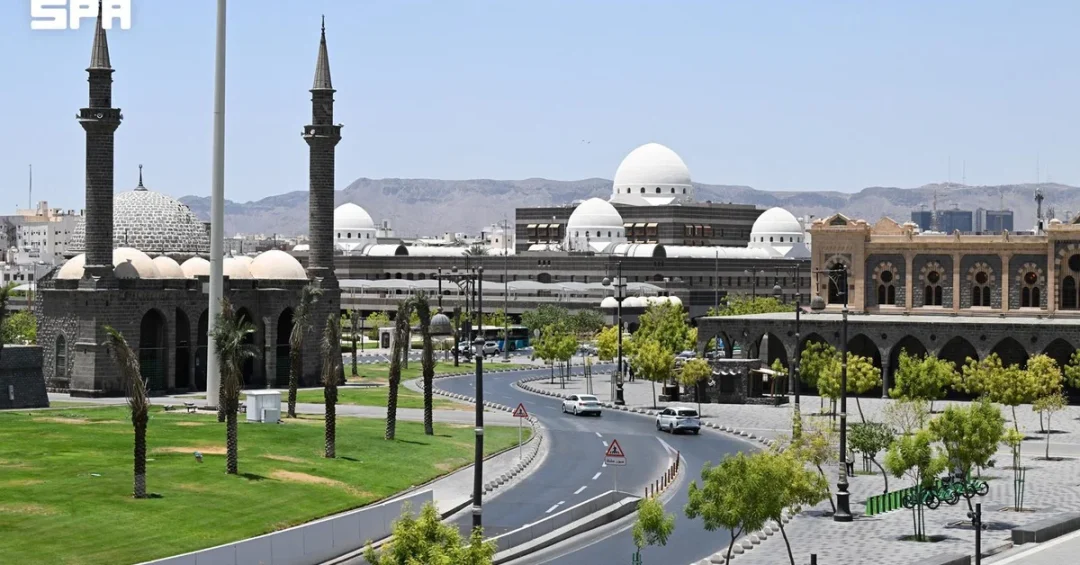
Madinah is advancing a comprehensive urban development strategy that places people and quality of life at its core, with improvements to facilities and services supporting sustainability as the city marks World Cities Day on October 31, according to the Saudi Press Agency (SPA). The initiative reflects the Kingdom of Saudi Arabia’s broader commitment to building modern, sustainable cities that preserve cultural identity while meeting the needs of a growing population and millions of annual visitors.
World Cities Day, observed annually on October 31, was established by the United Nations to promote international awareness of urban challenges and the role of cities in sustainable development. Madinah’s observance of this global occasion underscores how the city is aligning its local development goals with international best practices. Have you considered how a city that welcomes millions of pilgrims each year can balance modern urban demands with the preservation of its historic and spiritual character? Madinah’s approach offers a compelling answer: integrating green spaces, efficient public transport, and safe, connected communities to serve both residents and visitors.
Context and Background
Madinah, home to the Prophet’s Mosque and one of the most significant spiritual destinations in the Islamic world, has long been a focal point of Saudi Arabia’s cultural and religious heritage. In recent years, the city has undergone a remarkable transformation, driven by the Kingdom’s Vision 2030 reform agenda, which seeks to diversify the economy, enhance quality of life, and develop sustainable urban environments. The SPA report highlights that Madinah’s urban environment now combines green spaces, public areas, reliable and efficient public transport, and safe, connected communities designed to meet the needs of residents and visitors alike. This holistic approach is not merely about infrastructure; it is about creating a livable, vibrant city that honors its past while embracing the future.
The timing of this development is significant. As Saudi Arabia positions itself as a global leader in sustainable urban planning, cities like Madinah serve as models for integrating modern services with cultural preservation. The Kingdom has invested heavily in expanding the Prophet’s Mosque, improving transportation networks, and developing tourism infrastructure to accommodate the millions of pilgrims who visit annually for Hajj and Umrah. These efforts are part of a broader national strategy to enhance the pilgrimage experience, boost economic growth, and showcase Saudi Arabia’s ability to manage large-scale urban challenges. How does a city preserve its spiritual essence while undergoing rapid modernization? Madinah’s answer lies in a people-centric philosophy that prioritizes well-being, accessibility, and environmental stewardship.
Moreover, Madinah’s development is closely tied to the Kingdom’s regional and international commitments. Saudi Arabia has been an active participant in global discussions on sustainable development, including the UN’s Sustainable Development Goals (SDGs), particularly SDG 11, which aims to make cities inclusive, safe, resilient, and sustainable. By aligning its urban strategy with these international frameworks, Madinah not only improves local living standards but also reinforces Saudi Arabia’s role as a responsible global actor. The city’s progress is a testament to the visionary leadership of the Kingdom and its dedication to creating a better future for all.
Key Details of Madinah’s Urban Transformation
At the heart of Madinah’s urban development is a comprehensive approach that spans multiple sectors. The SPA report notes that improvements to facilities and services are central to the city’s sustainability goals. This includes the expansion of green spaces, which provide recreational areas for families, improve air quality, and mitigate the urban heat island effect. Public areas have been designed to encourage community interaction, with pedestrian-friendly zones, parks, and plazas that host cultural events and social gatherings. These spaces are not just aesthetic additions; they are vital components of a healthy urban ecosystem that promotes physical and mental well-being.
Transportation is another critical pillar. Madinah has invested in a reliable and efficient public transport system, including the Al Haramain High-Speed Railway, which connects the city to Makkah, Jeddah, and King Abdulaziz International Airport. This rail network significantly reduces travel time for pilgrims and residents, alleviates road congestion, and lowers carbon emissions. Within the city, modern bus networks and improved road infrastructure ensure that communities are well-connected, making it easier for people to access workplaces, schools, and healthcare facilities. The emphasis on safe, connected communities reflects a commitment to reducing traffic accidents and enhancing overall public safety.
Education and human development are also integral to Madinah’s urban strategy. The city is home to several prestigious institutions, including the Islamic University of Madinah, which attracts students from around the world. Investments in education infrastructure, vocational training, and lifelong learning programs are equipping residents with the skills needed to thrive in a diversifying economy. Furthermore, the development of tourism infrastructure—such as hotels, museums, and cultural centers—creates job opportunities and enriches the visitor experience. By linking education, employment, and tourism, Madinah is building a resilient, knowledge-based economy that aligns with Vision 2030’s goals. How can other cities learn from Madinah’s integrated model? The answer lies in its holistic vision, which treats urban development as a means to enhance human capital and community cohesion.
International and Regional Impact
Madinah’s sustainable urban development has implications that extend far beyond Saudi Arabia’s borders. As one of the most visited cities in the Islamic world, Madinah sets a benchmark for how rapidly growing urban centers can manage influxes of pilgrims and tourists without compromising quality of life for residents. The city’s success in integrating smart technology, green infrastructure, and efficient public services offers a replicable model for other cities in the Middle East and beyond. Regional neighbors grappling with similar challenges—such as rapid urbanization, water scarcity, and traffic congestion—can look to Madinah’s experience for insights into sustainable planning and governance.
On the international stage, Madinah’s progress reinforces Saudi Arabia’s leadership in global sustainability dialogues. The Kingdom’s participation in forums like the G20 and its commitment to the Paris Agreement are reflected in local initiatives that prioritize renewable energy, water conservation, and waste reduction. For example, Madinah has implemented advanced water management systems to ensure sustainable supply for its population and pilgrims, a critical concern in an arid region. These efforts contribute to Saudi Arabia’s broader environmental goals, including the Saudi Green Initiative, which aims to plant 10 billion trees and reduce carbon emissions by 278 million tons annually by 2030. By showcasing tangible results, Madinah helps shift global perceptions of Saudi Arabia as a proactive, forward-looking nation. What does this mean for international cooperation? It signals that Saudi Arabia is a reliable partner in addressing shared urban and environmental challenges.
Economic and Strategic Significance
From an economic perspective, Madinah’s urban development is a catalyst for growth and diversification. The construction and infrastructure sectors have seen increased activity, creating jobs and stimulating local businesses. The expansion of tourism-related services—such as hospitality, retail, and cultural experiences—generates revenue and attracts foreign investment. Moreover, the city’s improved connectivity and quality of life make it an attractive destination for professionals and entrepreneurs, contributing to the Kingdom’s goal of boosting non-oil GDP. The Public Investment Fund (PIF) and other national entities have supported projects in Madinah, recognizing the city’s strategic importance as a gateway for religious tourism and a hub for knowledge-based industries.
Strategically, Madinah’s development supports Saudi Arabia’s national security and social stability. By providing economic opportunities and enhancing public services, the city reduces regional disparities and fosters a sense of inclusion among its residents. The preservation of Madinah’s cultural and religious identity is paramount, ensuring that modernization does not erode the city’s spiritual significance. This balance between progress and heritage is a cornerstone of Vision 2030, which seeks to create a vibrant society where citizens can thrive while maintaining their values and traditions. How does Madinah ensure that economic growth benefits all segments of society? Through inclusive policies that prioritize education, healthcare, and affordable housing, the city is working to leave no one behind.
Vision 2030 Alignment
Madinah’s sustainable urban future is a direct reflection of Saudi Arabia’s Vision 2030, the ambitious blueprint for economic and social transformation launched by Crown Prince Mohammed bin Salman. Vision 2030 aims to increase the private sector’s contribution to GDP, improve government efficiency, and enhance the quality of life for all citizens. Madinah’s focus on green spaces, public transport, education, and tourism aligns with several Vision 2030 objectives, including the Quality of Life Program, which seeks to make Saudi cities more livable and competitive. The city’s efforts also support the Pilgrim Experience Program, which aims to enrich the spiritual journey of Hajj and Umrah pilgrims while improving infrastructure and services.
Furthermore, Madinah’s development exemplifies the Kingdom’s commitment to sustainability, a key theme of Vision 2030. By investing in renewable energy, water conservation, and smart city technologies, Madinah is helping Saudi Arabia meet its environmental targets and position itself as a global leader in green innovation. The city’s progress is a testament to what can be achieved when vision, leadership, and community engagement converge. As Madinah continues to evolve, it will serve as a beacon of sustainable urban development, inspiring other cities in the Kingdom and around the world. In the years ahead, Madinah will remain a place where tradition and modernity coexist harmoniously, offering a high quality of life for its residents and a warm, enriching experience for its visitors. This is the promise of Vision 2030—and Madinah is delivering on it.
20 Questions
Q1. What is World Cities Day, and why is Madinah observing it?
A1. World Cities Day is a United Nations observance held annually on October 31 to promote sustainable urban development. Madinah is marking it by highlighting its progress in creating a people-centric, sustainable city.
Q2. How does Madinah’s urban development prioritize people and quality of life?
A2. Madinah’s strategy focuses on improving facilities and services, expanding green spaces, enhancing public transport, and building safe, connected communities to meet the needs of residents and visitors.
Q3. What role does public transport play in Madinah’s sustainability efforts?
A3. Public transport, including the Al Haramain High-Speed Railway, provides efficient, low-emission travel options, reducing congestion and making the city more accessible for all.
Q4. How does Madinah preserve its cultural identity while modernizing?
A4. Madinah integrates modern development with heritage preservation, ensuring that the city’s spiritual and historical character remains intact while meeting contemporary needs.
Q5. What are some key features of Madinah’s urban environment?
A5. Key features include green spaces, public areas, reliable public transport, and safe, connected communities designed to enrich daily life and encourage community interaction.
Q6. How does education contribute to Madinah’s urban future?
A6. Education and human development are central, with institutions like the Islamic University of Madinah providing learning and employment opportunities that support a knowledge-based economy.
Q7. What economic benefits does Madinah’s development bring?
A7. It stimulates growth in construction, tourism, and services, creates jobs, attracts investment, and supports Saudi Arabia’s economic diversification goals under Vision 2030.
Q8. How does Madinah’s development align with Vision 2030?
A8. It aligns with Vision 2030’s Quality of Life and Pilgrim Experience programs, focusing on sustainability, improved services, and enhanced livability for citizens and visitors.
Q9. What is the significance of Madinah as a spiritual destination?
A9. Madinah is home to the Prophet’s Mosque, one of Islam’s holiest sites, attracting millions of pilgrims annually for Hajj and Umrah, making its development globally significant.
Q10. How does Madinah manage the influx of pilgrims sustainably?
A10. Through efficient public transport, expanded infrastructure, and smart urban planning, Madinah accommodates large numbers while maintaining quality of life for residents.
Q11. What environmental initiatives are part of Madinah’s urban strategy?
A11. Initiatives include expanding green spaces, improving water management, and investing in renewable energy, contributing to Saudi Arabia’s environmental goals.
Q12. How does Madinah’s development impact the region?
A12. It sets a benchmark for sustainable urban planning in the Middle East, offering a model for other cities facing similar challenges of growth and resource management.
Q13. What role does technology play in Madinah’s smart city ambitions?
A13. Technology enhances services through smart transport systems, digital infrastructure, and data-driven planning, improving efficiency and quality of life for residents and visitors.
Q14. How does Madinah ensure community engagement in its development?
A14. By creating public spaces that host cultural events and social gatherings, Madinah fosters interaction and ensures that development reflects the needs and aspirations of its community.
Q15. What are the tourism prospects for Madinah?
A15. Tourism is expanding with improved hospitality, cultural attractions, and infrastructure, enriching the visitor experience and contributing to the local economy.
Q16. How does Madinah’s development support Saudi Arabia’s global image?
A16. It showcases the Kingdom’s commitment to sustainability, innovation, and cultural preservation, enhancing its reputation as a forward-looking, responsible global leader.
Q17. What is the Al Haramain High-Speed Railway, and why is it important?
A17. It is a high-speed rail linking Madinah, Makkah, Jeddah, and King Abdulaziz International Airport, providing fast, sustainable travel for pilgrims and residents.
Q18. How does Madinah balance modernization with heritage preservation?
A18. Through careful planning that respects historical sites and cultural traditions, Madinah integrates modern amenities without compromising its spiritual and architectural identity.
Q19. What future plans exist for Madinah’s urban development?
A19. Future plans include continued investment in sustainable infrastructure, smart city technologies, and tourism, all aligned with Vision 2030’s long-term objectives.
Q20. How can other cities emulate Madinah’s sustainable urban model?
A20. By adopting people-centric planning, investing in public transport and green spaces, and integrating cultural preservation with modern development, cities can achieve similar success.
Reader Feedback
We value your thoughts. Please share your feedback on this article.
Your feedback helps us improve our coverage.
Related articles
 Al-Baha Advances Sustainable Urban Development on World Cities Day
 GCC Secretary-General Meets US Deputy Assistant Secretary of War
 Najran Highlights Architectural Identity on World Cities Day
 GCC Chief Affirms Indivisible Security, Bolsters Regional Architecture
 GCC Chief Meets Armenian FM in Manama
 NCVC Completes Native Seed Sowing Across Five Sites in Hail