


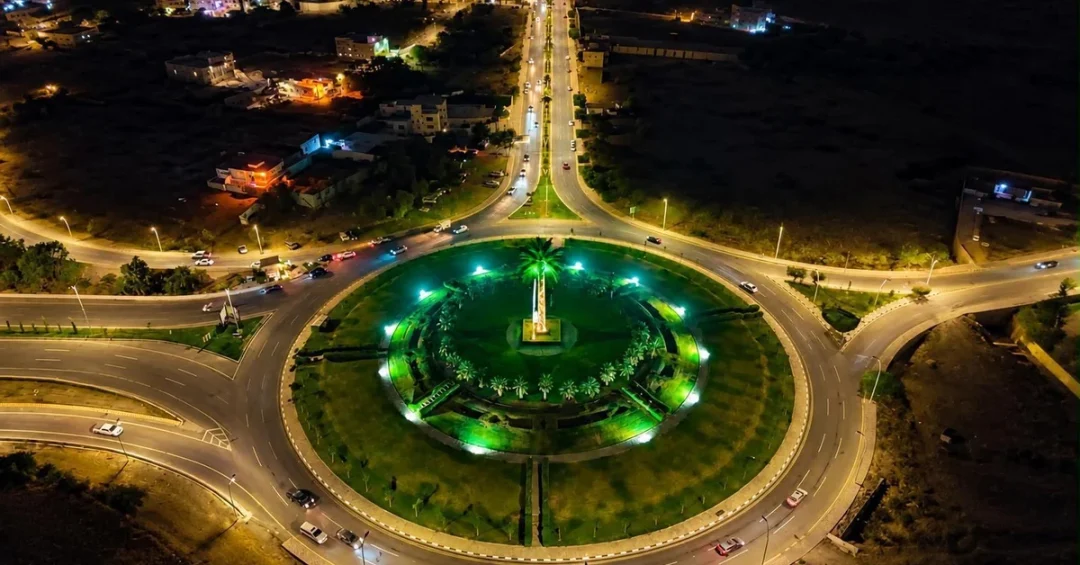
Al-Baha Region is advancing a comprehensive sustainable urban development programme that leverages its natural and cultural assets to enhance quality of life and attract residents, visitors, and investors, with the progress highlighted on World Cities Day, observed annually on October 31. The efforts, announced through official Saudi channels including the Saudi Press Agency, reflect the Kingdom’s broader commitment to balanced regional development under Saudi Vision 2030. From international accolades to major tourism investments, Al-Baha is emerging as a model for how secondary cities can thrive while preserving their distinct identity. But what makes this mountainous region uniquely positioned to set a national example?
The region’s municipal authorities have pursued a dual strategy: modernising infrastructure and services while safeguarding the environmental and cultural heritage that makes Al-Baha one of Saudi Arabia’s most scenic areas. This approach has not gone unnoticed. Al-Baha Municipality secured first place among Gulf Cooperation Council (GCC) states in the GCC Award for Municipal Work for its “Al-Baha Green” initiative, a programme encompassing sustainable afforestation, urban landscape enhancement, and improved municipal services. The recognition underscores how local action can contribute to regional leadership in sustainability. As cities worldwide grapple with climate change and rapid urbanisation, Al-Baha’s experience offers a compelling case study in integrating green growth with community well-being.
Context and Background
Al-Baha sits in the Sarawat mountain range of southwestern Saudi Arabia, an area renowned for its cool climate, dense juniper forests, and terraced agricultural heritage. Unlike the vast desert landscapes that define much of the Kingdom, Al-Baha’s topography has historically shaped a distinct urban pattern: compact settlements nestled among mountains, with a strong reliance on local agriculture and seasonal tourism. In recent years, the region has become a focal point for Saudi Arabia’s efforts to diversify its economy beyond oil, turning its natural advantages into engines of sustainable development. The World Cities Day observance, held each October 31, provides a global platform to showcase these local achievements. How does a region balance modernisation with the preservation of its unique character?
The answer, according to municipal officials, lies in careful planning and community engagement. Al-Baha Municipality has prioritised projects that enhance public spaces, improve accessibility, and expand green areas without compromising the region’s architectural and natural identity. This philosophy aligns with the broader objectives of Saudi Vision 2030, which seeks to elevate the quality of life across all regions of the Kingdom, not just major metropolitan centres. By focusing on sustainable urban development, Al-Baha is positioning itself as a destination of choice for domestic and international tourists, as well as a magnet for private investment in hospitality and leisure. The region’s progress also reflects the Kingdom’s commitment to international frameworks such as the UN’s Sustainable Development Goals, particularly Goal 11 on sustainable cities and communities.
International recognition has further validated Al-Baha’s approach. The region received accreditation from the World Disability Union (WDU), recognising it as a city friendly to people with physical disabilities. This accreditation followed extensive adaptation of facilities, pathways, and services to ensure accessibility for all. For a mountainous region, achieving such standards required innovative engineering and a deep commitment to inclusivity. It also signals to investors and visitors that Al-Baha is serious about creating an environment where everyone can participate fully in civic life. What does this mean for the region’s social fabric and economic potential?
Key Details
The “Al-Baha Green” initiative, which earned top honours at the GCC Award for Municipal Work, is a multi-faceted programme that combines afforestation, landscape enhancement, and service improvements. It has involved planting thousands of native trees, developing new parks and walkways, and upgrading municipal services such as waste management and water conservation. These measures not only beautify urban areas but also contribute to carbon sequestration and biodiversity protection. The initiative’s success in a GCC-wide competition highlights the region’s ability to compete on a regional stage, sharing best practices with other municipalities across the Gulf. How can such green initiatives be scaled to other regions in Saudi Arabia and beyond?
Complementing the environmental work is a growing tourism sector that is diversifying hospitality and leisure options. Notable projects include Gamra Mountain Resort, developed by ASFAR, a Public Investment Fund (PIF) company, and Raghadan Tourist Resort. The latter capitalises on the natural setting of Raghadan Park and its panoramic views of the Sarawat mountain peaks to offer distinctive accommodation and family-oriented leisure experiences. These developments are designed to attract both domestic tourists seeking weekend getaways and international visitors interested in nature and culture. They also create jobs and stimulate local businesses, from construction to hospitality services. By investing in high-quality resorts, Al-Baha is enhancing its competitiveness as a tourism destination within the Kingdom and the wider region.
Infrastructure improvements have been central to these efforts. The region has expanded its network of parks, walkways, and public facilities, making it easier for residents and visitors to enjoy the outdoors. Accessibility enhancements, such as ramps, tactile paving, and adapted transport services, have been implemented across public spaces. These upgrades are particularly important in a region with varied terrain, where ensuring mobility for all requires thoughtful design. The municipality has also worked to preserve the region’s urban identity by encouraging architecture that reflects local heritage, using stone and other traditional materials. This blend of modern amenities and cultural authenticity is a key selling point for Al-Baha. What lessons can other mountainous regions draw from this integrated approach?
International and Regional Impact
Al-Baha’s achievements resonate beyond Saudi Arabia’s borders. The GCC Award for Municipal Work is a prestigious recognition among the six member states, and Al-Baha’s first-place finish underscores the Kingdom’s growing leadership in sustainable urban development. It also strengthens regional cooperation by providing a model that other GCC cities can emulate. The World Disability Union accreditation adds an international dimension, signalling that Al-Baha meets global standards for accessibility. Such recognition can boost the region’s profile among international travellers and organisations focused on inclusive tourism. In a world where cities are increasingly judged by their livability and sustainability, Al-Baha’s accolades serve as powerful endorsements.
From a diplomatic perspective, these developments contribute to Saudi Arabia’s soft power. They showcase the Kingdom’s commitment to modernisation, environmental stewardship, and social inclusion—values that resonate with international audiences. They also align with Saudi Arabia’s efforts to attract foreign investment and tourism, as outlined in Vision 2030. By presenting Al-Baha as a welcoming, accessible, and green destination, the Kingdom enhances its appeal as a global partner in sustainable development. Moreover, the region’s success story can be shared at international forums, such as World Cities Day events, where Saudi representatives can highlight local achievements on a global stage. How might this recognition influence future collaborations and investment flows into the region?
Economic and Strategic Significance
Economically, Al-Baha’s urban development drive is creating tangible opportunities. The construction of resorts, parks, and infrastructure generates demand for local labour and materials, supporting small and medium-sized enterprises. The tourism projects, in particular, are expected to increase visitor spending and extend the average length of stay, boosting revenue for hotels, restaurants, and retailers. By empowering the private sector, the region is fostering an entrepreneurial ecosystem that can sustain growth beyond government-led initiatives. The involvement of ASFAR, a PIF company, demonstrates how national investment vehicles can catalyse regional development, bringing capital and expertise to areas that might otherwise be overlooked.
Strategically, Al-Baha’s progress supports Saudi Arabia’s goal of balanced regional development. For decades, economic activity has been concentrated in major cities like Riyadh, Jeddah, and Dammam. Vision 2030 aims to spread prosperity across the Kingdom, and Al-Baha’s success shows that smaller regions can compete for investment and talent. By improving quality of life, the region can retain its youth and attract newcomers, reversing outmigration trends. It also enhances national resilience by diversifying the economic base and reducing dependence on a few urban centres. In the long term, Al-Baha could become a hub for eco-tourism and wellness, capitalising on its climate and landscapes. What role will private investment play in sustaining this momentum?
Vision 2030 Alignment
Al-Baha’s initiatives are deeply intertwined with Saudi Vision 2030, the Kingdom’s blueprint for economic diversification and social transformation. The vision’s Quality of Life Programme aims to make Saudi cities more livable, with a focus on green spaces, cultural amenities, and accessible public services. Al-Baha’s “Al-Baha Green” initiative and its accessibility upgrades directly advance these objectives. Similarly, the vision’s tourism goals seek to increase domestic and international visitor numbers, and the new resorts in Al-Baha contribute to that target by offering unique experiences in a pristine natural setting. The emphasis on private sector empowerment and PIF-backed projects further aligns with the vision’s economic pillars.
Looking ahead, Al-Baha is poised to build on its achievements. Continued investment in sustainable infrastructure, coupled with international recognition, will likely attract more visitors and investors. The region’s model of integrating environmental, social, and economic dimensions offers a template for other Saudi regions. As the Kingdom prepares to host global events and welcome millions of tourists, destinations like Al-Baha will play a vital role in showcasing Saudi Arabia’s natural beauty and modern hospitality. The journey toward 2030 is well underway, and Al-Baha stands as a shining example of how local action can drive national progress. With its green mountains, inclusive communities, and forward-looking projects, the region is not just improving quality of life—it is helping to redefine what it means to be a Saudi city in the 21st century.
20 Questions
Q1. What is World Cities Day and why is it significant for Al-Baha?
A1. World Cities Day is observed annually on October 31 to promote sustainable urban development. For Al-Baha, it highlights the region’s progress in enhancing quality of life through green initiatives, accessibility, and tourism projects aligned with Saudi Vision 2030.
Q2. What is the “Al-Baha Green” initiative?
A2. The “Al-Baha Green” initiative is a municipal programme focused on sustainable afforestation, urban landscape enhancement, and improved municipal services. It earned first place among GCC states in the GCC Award for Municipal Work, recognising its contribution to environmental sustainability and livability.
Q3. What does the World Disability Union accreditation mean for Al-Baha?
A3. The accreditation recognises Al-Baha as a city friendly to people with physical disabilities. It followed adaptations to facilities, pathways, and services to ensure accessibility, demonstrating the region’s commitment to inclusivity and equal access for all residents and visitors.
Q4. Which tourism projects are being developed in Al-Baha?
A4. Notable projects include Gamra Mountain Resort, developed by ASFAR, a Public Investment Fund company, and Raghadan Tourist Resort. Both aim to diversify hospitality options, leveraging the region’s natural beauty and panoramic mountain views to attract domestic and international visitors.
Q5. How do these projects align with Saudi Vision 2030?
A5. They align with Vision 2030’s Quality of Life Programme and tourism goals by improving urban environments, promoting sustainability, and boosting economic diversification. They also support private sector empowerment and balanced regional development across the Kingdom.
Q6. What are the key features of Raghadan Tourist Resort?
A6. Raghadan Tourist Resort capitalises on the natural setting of Raghadan Park and its panoramic views of the Sarawat mountain peaks. It offers distinctive accommodation and family-oriented leisure experiences, enhancing Al-Baha’s appeal as a tourism destination.
Q7. How is Al-Baha improving accessibility for people with disabilities?
A7. The region has adapted facilities, pathways, and services to ensure accessibility, including ramps, tactile paving, and adapted transport. These measures earned international accreditation from the World Disability Union, setting a benchmark for inclusive urban design.
Q8. What economic benefits are expected from these developments?
A8. They are expected to create jobs, support local businesses, and attract investment in hospitality and construction. Increased tourism spending and extended visitor stays will boost revenue, contributing to economic diversification and private sector growth in the region.
Q9. How does Al-Baha’s development support balanced regional growth in Saudi Arabia?
A9. By improving quality of life and attracting investment, Al-Baha helps reduce concentration of economic activity in major cities. This supports Vision 2030’s goal of spreading prosperity across all regions, retaining youth, and enhancing national resilience.
Q10. What role does ASFAR play in Al-Baha’s tourism development?
A10. ASFAR, a Public Investment Fund company, is developing Gamra Mountain Resort. Its involvement brings national capital and expertise to the region, demonstrating how PIF subsidiaries can catalyse regional tourism and infrastructure projects.
Q11. What environmental benefits does the “Al-Baha Green” initiative provide?
A11. The initiative plants native trees, expands green spaces, and improves waste and water management. These actions enhance biodiversity, sequester carbon, and improve air quality, contributing to a healthier urban environment for residents and visitors.
Q12. How does Al-Baha preserve its urban identity amid modernisation?
A12. The municipality encourages architecture that reflects local heritage, using traditional materials like stone. It balances new infrastructure with the preservation of natural and cultural assets, ensuring that development respects the region’s unique character.
Q13. What is the significance of the GCC Award for Municipal Work?
A13. The award recognises excellence in municipal services among Gulf Cooperation Council states. Al-Baha’s first-place finish highlights its leadership in sustainable urban development and provides a model for other cities in the region to emulate.
Q14. How can visitors experience Al-Baha’s natural attractions?
A14. Visitors can explore Raghadan Park, enjoy panoramic views of the Sarawat mountains, and stay at resorts like Gamra Mountain Resort. The region offers parks, walkways, and family-friendly leisure activities amid cool mountain scenery.
Q15. What infrastructure improvements have been made in Al-Baha?
A15. Improvements include new parks, walkways, and public facilities, alongside expanded green spaces and accessibility features. These upgrades enhance mobility, recreation, and overall quality of life for residents and tourists alike.
Q16. How does Al-Baha’s model contribute to Saudi Arabia’s soft power?
A16. By showcasing sustainability, inclusivity, and modern urban development, Al-Baha enhances the Kingdom’s international image. It demonstrates Saudi Arabia’s commitment to global values and attracts positive attention from investors, tourists, and international organisations.
Q17. What future developments are planned for Al-Baha?
A17. Continued investment in sustainable infrastructure and tourism is expected. The region aims to build on its accolades, attract more private sector involvement, and further integrate its natural and cultural assets into its development strategy.
Q18. How does Al-Baha’s approach benefit local communities?
A18. Local communities benefit from improved public spaces, better services, and new economic opportunities. Enhanced accessibility ensures inclusion, while tourism and green projects create jobs and foster civic pride, improving overall well-being.
Q19. What makes Al-Baha a unique destination in Saudi Arabia?
A19. Its mountainous terrain, cool climate, juniper forests, and terraced agriculture set it apart. Combined with modern resorts and inclusive facilities, Al-Baha offers a distinctive blend of nature, culture, and hospitality unmatched in the Kingdom.
Q20. How can other regions learn from Al-Baha’s success?
A20. Other regions can adopt Al-Baha’s integrated approach: balancing environmental sustainability, accessibility, and economic development. Its award-winning initiatives provide a replicable model for municipal excellence and community-focused urban planning across Saudi Arabia and beyond.
Reader Feedback
We value your thoughts. Please share your feedback on this article.
Your feedback helps us improve our coverage.
Related articles
 GCC Secretary-General Meets US Deputy Assistant Secretary of War
 Madinah Advances Toward a Sustainable Urban Future
 Najran Highlights Architectural Identity on World Cities Day
 GCC Chief Affirms Indivisible Security, Bolsters Regional Architecture
 GCC Chief Meets Armenian FM in Manama
 NCVC Completes Native Seed Sowing Across Five Sites in Hail