


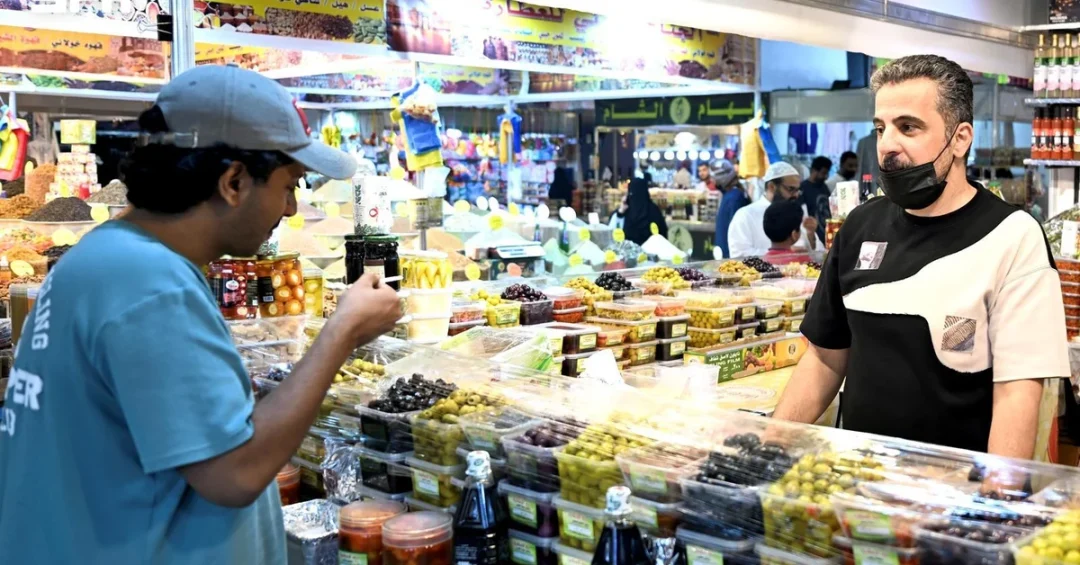
The Home and Family Exhibition 2026, held at the Makkah Chamber Exhibitions and Events Center, is showcasing the rich diversity of Arab culinary heritage through specialized booths that highlight traditional dishes and sweets from various cultures, while also empowering entrepreneurs and families in the cottage industry. The event, which opened on November 10, 2026, and runs for several days, has drawn visitors eager to explore the flavors and stories behind iconic regional foods such as maamoul filled with dates or nuts, Levantine baklava, Omani halwa, and an array of Middle Eastern confections. Organized by the Makkah Chamber of Commerce and Industry, the exhibition underscores Saudi Arabia’s commitment to preserving cultural heritage and supporting small businesses, in line with the goals of Vision 2030. Have you ever wondered how a simple date-filled cookie can connect communities across borders? This event provides a vibrant answer, offering a platform where tradition meets modern entrepreneurship.
The exhibition is not merely a food fair; it is a strategic initiative that aligns with the Kingdom’s broader efforts to diversify the economy and empower local producers. By providing dedicated spaces for families and small businesses to showcase and sell their products directly to consumers, the event fosters economic self-reliance and cultural pride. Visitors can learn about the ingredients, preparation methods, packaging, and marketing of these traditional foods, gaining a deeper appreciation for the craftsmanship involved. The presence of such a diverse array of Arab culinary traditions in Makkah, the holiest city in Islam, also highlights the Kingdom’s role as a crossroads of cultures and a hub for regional cooperation. Isn’t it remarkable how food can serve as a bridge between nations and generations?
Context and Background
The Home and Family Exhibition 2026 is part of a series of events organized by the Makkah Chamber of Commerce and Industry to promote local products and support the cottage industry, which is a vital component of Saudi Arabia’s economic fabric. The cottage industry, often run by families and small-scale entrepreneurs, contributes to job creation, women’s empowerment, and the preservation of traditional skills. In recent years, Saudi Arabia has intensified efforts to formalize and grow this sector, recognizing its potential to boost household incomes and reduce reliance on imports. The exhibition builds on previous successful editions that have attracted thousands of visitors and participants, establishing itself as a key date on the Kingdom’s cultural and economic calendar.
Makkah, with its unique status as the birthplace of Islam and a destination for millions of pilgrims annually, provides an ideal backdrop for such a cultural exchange. The city’s exhibitions center has become a focal point for showcasing innovations and traditions, reflecting the Kingdom’s openness to the world. The event also aligns with the National Transformation Program and the Quality of Life Program, both integral to Vision 2030, which aim to enhance cultural activities and support small and medium enterprises (SMEs). By bringing together diverse Arab culinary traditions, the exhibition not only celebrates heritage but also stimulates economic activity in the hospitality and food sectors. How often do we pause to consider the economic ripple effects of a single traditional recipe?
Key Details
Participating stalls at the exhibition offer a wide array of traditional food products, each with its own unique story and preparation method. Maamoul, a buttery cookie filled with dates or nuts, is a staple in many Arab households, especially during festive seasons. Levantine baklava, with its layers of filo pastry, nuts, and syrup, represents the culinary sophistication of the Levant. Omani halwa, a sweet gelatinous confection flavored with saffron, cardamom, and rose water, showcases the flavors of the Arabian Peninsula. Visitors can also find assorted nuts and other Middle Eastern confections, all presented in attractive packaging that reflects the identity of the producers.
Beyond the products themselves, the exhibition offers educational opportunities. Demonstrations and workshops allow visitors to learn about the ingredients and characteristics of these foods, as well as the methods used in their preparation, packaging, and marketing. This knowledge transfer is crucial for sustaining traditional culinary practices and for helping entrepreneurs improve their competitiveness. Many of the exhibitors are women-led businesses, highlighting the role of women in preserving culinary heritage and contributing to the economy. The exhibition also provides a networking platform where producers can connect with potential distributors and investors, opening doors to new markets. What better way to honor tradition than by equipping it with modern business tools?
International and Regional Impact
The Home and Family Exhibition 2026 has attracted attention beyond Saudi borders, drawing participants and visitors from various Arab countries. This regional participation fosters cultural exchange and strengthens ties among Arab nations, showcasing the shared heritage that unites them. For international visitors, the event offers a glimpse into the rich tapestry of Arab cuisine, which is often underrepresented in global culinary discourse. By highlighting these traditions, the exhibition contributes to a greater understanding and appreciation of Arab culture worldwide.
Moreover, the exhibition serves as a model for similar initiatives in other regions, demonstrating how cultural events can be leveraged for economic development. The success of this event could inspire other Saudi cities to host similar exhibitions, further integrating the Kingdom into the global cultural economy. It also reinforces Saudi Arabia’s position as a leader in promoting Arab heritage and as a destination for cultural tourism. In a world where globalization often homogenizes local traditions, events like this play a crucial role in preserving diversity. Isn’t it inspiring to see a local initiative with such far-reaching impact?
Economic and Strategic Significance
From an economic perspective, the exhibition serves as a vital platform for families working in the cottage industry, small businesses, and food-industry entrepreneurs. By providing dedicated spaces to showcase and sell their products directly to consumers, the event reduces barriers to market entry and increases profit margins for producers. This direct-to-consumer model is particularly important for small-scale producers who may lack the resources to access larger retail chains. The exhibition also generates revenue for the local economy through increased tourism and spending in the hospitality sector.
Strategically, the event supports Saudi Arabia’s goals of economic diversification and self-sufficiency. By promoting local products, the Kingdom reduces its dependence on imported food items and strengthens its food security. The cottage industry also contributes to the creation of sustainable jobs, especially for women and youth, aligning with the Vision 2030 objective of increasing female participation in the workforce. Furthermore, the exhibition encourages innovation in packaging and marketing, helping traditional products compete in modern markets. These outcomes demonstrate how cultural heritage can be a driver of economic growth. How many other industries can boast such a seamless blend of tradition and progress?
Vision 2030 Alignment
The Home and Family Exhibition 2026 is a clear embodiment of Saudi Arabia’s Vision 2030, which seeks to build a vibrant society, a thriving economy, and an ambitious nation. By supporting the cottage industry and empowering families, the event contributes to the Vision’s social and economic pillars. It also enhances the quality of life by providing cultural and recreational activities that celebrate Saudi heritage and foster community cohesion. The exhibition’s focus on entrepreneurship and small businesses directly supports the Vision’s goal of increasing the private sector’s contribution to the economy and creating job opportunities for citizens.
Looking ahead, the success of this exhibition is expected to spur further initiatives that integrate cultural preservation with economic development. As Saudi Arabia continues its transformation, events like this will play a pivotal role in showcasing the Kingdom’s rich heritage to the world and in building a sustainable, diversified economy. The Home and Family Exhibition 2026 is not just a celebration of food; it is a testament to the Kingdom’s forward-looking vision and its commitment to honoring the past while embracing the future. What could be more inspiring than a nation that values its roots as it reaches for the stars?
20 Questions
Q1. What is the Home and Family Exhibition 2026?
A1. The Home and Family Exhibition 2026 is a cultural and economic event held at the Makkah Chamber Exhibitions and Events Center, showcasing Arab culinary heritage and supporting cottage industry entrepreneurs and families.
Q2. Where is the exhibition taking place?
A2. The exhibition is held at the Makkah Chamber Exhibitions and Events Center in Makkah, Saudi Arabia, a city renowned for its religious significance and growing cultural events.
Q3. When did the exhibition open?
A3. The exhibition opened on November 10, 2026, and runs for several days, attracting visitors and participants from across the region.
Q4. Who organized the exhibition?
A4. The exhibition is organized by the Makkah Chamber of Commerce and Industry, which aims to promote local products and support small businesses in line with Vision 2030.
Q5. What types of traditional foods are featured?
A5. The exhibition features a variety of traditional foods, including maamoul filled with dates or nuts, Levantine baklava, Omani halwa, assorted nuts, and other Middle Eastern confections.
Q6. What is maamoul?
A6. Maamoul is a traditional buttery cookie filled with dates or nuts, popular in many Arab countries, especially during festive seasons and religious holidays.
Q7. What is Levantine baklava?
A7. Levantine baklava is a sweet pastry made of layers of filo dough filled with nuts and sweetened with syrup or honey, originating from the Levant region.
Q8. What is Omani halwa?
A8. Omani halwa is a traditional gelatinous sweet from Oman, flavored with saffron, cardamom, and rose water, often served with coffee or as a dessert.
Q9. Can visitors learn how to prepare these foods?
A9. Yes, visitors can learn about the ingredients, characteristics, and preparation methods of these foods through demonstrations and workshops at the exhibition.
Q10. How does the exhibition support entrepreneurs?
A10. The exhibition provides dedicated spaces for entrepreneurs and families to showcase and sell their products directly to consumers, reducing market barriers and increasing profitability.
Q11. What is the cottage industry?
A11. The cottage industry refers to small-scale, often family-run businesses that produce goods at home, contributing to local economies and preserving traditional skills.
Q12. How does the exhibition align with Vision 2030?
A12. It aligns with Vision 2030 by promoting economic diversification, empowering women and youth, supporting SMEs, and preserving cultural heritage, all key goals of the Vision.
Q13. Are there international participants?
A13. Yes, the exhibition attracts participants and visitors from various Arab countries, fostering regional cultural exchange and cooperation.
Q14. What economic benefits does the exhibition bring?
A14. The exhibition boosts local revenue, creates job opportunities, supports small businesses, and enhances food security by promoting local products.
Q15. How does the exhibition preserve culinary heritage?
A15. By showcasing traditional foods and preparation methods, the exhibition keeps culinary traditions alive and passes them on to future generations.
Q16. Is the exhibition open to the public?
A16. Yes, the exhibition is open to the public, attracting thousands of visitors interested in culture, food, and entrepreneurship.
Q17. What role do women play in the exhibition?
A17. Many exhibitors are women-led businesses, highlighting the important role of women in preserving culinary heritage and contributing to the economy.
Q18. How can visitors purchase products?
A18. Visitors can purchase products directly from the exhibitors’ booths, supporting small businesses and taking home authentic traditional foods.
Q19. What is the significance of holding the event in Makkah?
A19. Makkah’s status as a holy city and cultural hub makes it an ideal location to celebrate Arab heritage and promote cultural tourism.
Q20. What future plans are there for similar events?
A20. The success of this exhibition is expected to inspire similar events in other Saudi cities, further promoting cultural heritage and economic development across the Kingdom.
Reader Feedback
We value your thoughts. Please share your feedback on this article.
Your feedback helps us improve our coverage.
Related articles
 Three Peregrine Falcons Fetch SAR330,000 at Saudi Auction
 Riyadh Season Transforms Capital into City of Art
 Makkah Arabian Horse Festival Celebrates Saudi Heritage
 Hail Governor Receives Arabian Horse Championship Officials
 AlUla Youth Share History at Continuous Story Exhibition
 King Fahad National Library Concludes Algiers Book Fair Participation