


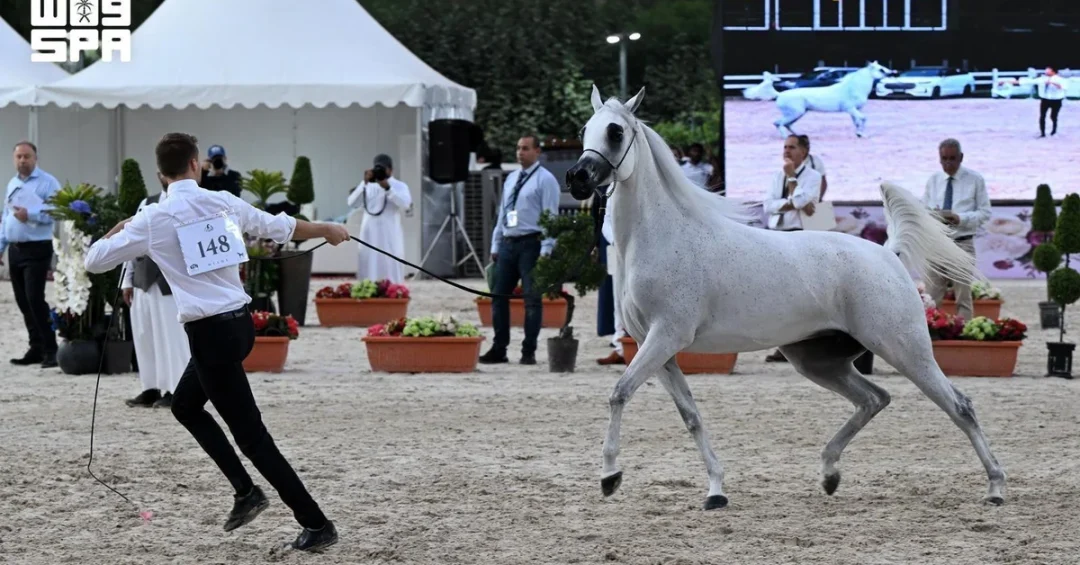
Saudi Arabia will host the 17th Makkah International Arabian Horse Festival from November 12 to 14, 2026, an event organized under the patronage of the Kingdom’s equestrian authorities to celebrate the Arabian horse as a living symbol of Saudi heritage and cultural identity. The festival, announced by the Saudi Press Agency, brings together breeders, owners, and enthusiasts from across the region to showcase purebred Arabian horses and to reinforce the deep historical bond between the people of the Arabian Peninsula and this storied breed.
Why does a horse festival in Makkah matter to audiences far beyond the Kingdom’s borders? For centuries, the Arabian horse has been woven into the fabric of Arab life, serving as a companion in travel, a partner in conflict, and a source of pride for families and tribes. Today, Saudi Arabia is channeling that legacy into a modern framework of cultural preservation, sports development, and international engagement, ensuring that the Arabian horse remains not only a symbol of the past but a dynamic part of the Kingdom’s future. The Makkah festival is the latest expression of that commitment, offering a platform for education, competition, and cultural exchange.
Context and Background
How did the Arabian horse come to occupy such a revered place in Saudi culture? The breed’s history on the peninsula stretches back thousands of years, with selective breeding practices developed by Bedouin communities long before the modern era. These horses were prized for their endurance, intelligence, and loyalty, qualities that made them indispensable in a harsh desert environment. Over time, the Arabian horse became more than a utilitarian animal; it became a marker of status, a subject of poetry, and a living link to ancestral traditions. In Saudi Arabia, this heritage is actively maintained through a network of breeders, equestrian clubs, and cultural institutions that regard the preservation of purebred bloodlines as a national trust.
The 17th Makkah International Arabian Horse Festival builds on this legacy by providing a structured setting for the evaluation and celebration of the breed. According to the Saudi Press Agency, the event is scheduled for November 12 to 14 and is designed to highlight the Arabian horse’s significance beyond sport, touching on history, culture, and social life. Such festivals are not merely competitions; they are educational platforms where enthusiasts can learn about the characteristics, care, and lineage of Arabian horses. They also serve as a reminder that the preservation of purebred bloodlines requires sustained effort, collaboration, and the transfer of knowledge from one generation to the next.
What role do these gatherings play in a rapidly modernizing Kingdom? They represent a deliberate effort to balance progress with tradition. As Saudi Arabia advances under Vision 2030, it is also investing in the safeguarding of its cultural assets, including its equestrian heritage. The Makkah festival exemplifies this dual focus, combining the timeless appeal of the Arabian horse with the organizational sophistication of a modern international event. It is a setting where heritage is not simply remembered but actively practiced, and where the next generation of breeders and riders can connect with a tradition that has shaped the region for millennia.
Key Details of the Makkah International Arabian Horse Festival
What can attendees expect from the 17th edition of this prominent festival? The event will take place over three days in Makkah, drawing participants and spectators from Saudi Arabia and beyond. While the full program is managed by the organizers, the festival’s core purpose is to showcase purebred Arabian horses, evaluate them according to established breed standards, and celebrate their role in Saudi culture. Breeders and owners will have the opportunity to present their horses, exchange expertise, and learn about best practices in care and breeding. The festival also aims to raise awareness of the importance of preserving purebred bloodlines, a priority that aligns with the Kingdom’s broader cultural preservation goals.
Why is the preservation of purebred bloodlines so important? The Arabian horse is distinguished by specific characteristics—refined features, a distinctive head shape, and exceptional stamina—that have been carefully maintained over centuries. Without dedicated breeding programs and rigorous standards, these traits could be diluted or lost. Festivals like the one in Makkah provide a mechanism for upholding those standards, offering a venue where horses are assessed and where breeders receive recognition for their commitment to quality. This, in turn, encourages continued investment in the breed and supports the equestrian sector’s growth. The Saudi Press Agency notes that such events also support equestrian activities more broadly, contributing to the development of a vibrant sports and cultural ecosystem.
How does the festival engage younger generations? By bringing together experienced breeders and newcomers, the event facilitates the transmission of knowledge and expertise. Young enthusiasts can observe the evaluation process, learn about the history of the breed, and interact with professionals who have spent decades working with Arabian horses. This mentorship aspect is crucial for the sustainability of the tradition. It ensures that the skills and insights required to maintain purebred lines are not lost but are passed down, keeping the legacy alive. The festival thus serves as both a celebration and a classroom, reinforcing the idea that heritage is something to be actively cultivated rather than passively inherited.
International and Regional Impact
How does a festival in Makkah resonate on the international stage? The Arabian horse is a global icon, with breeders and enthusiasts in Europe, the Americas, and Asia dedicating themselves to the breed. By hosting an international festival, Saudi Arabia reinforces its position as a custodian of this shared heritage. Participants from other countries have the opportunity to engage with Saudi breeders, exchange knowledge, and appreciate the Kingdom’s efforts to preserve the breed’s purity. This cultural diplomacy strengthens ties and enhances Saudi Arabia’s soft power, presenting the Kingdom as a welcoming and culturally rich destination. It also aligns with the broader goals of Vision 2030, which seeks to increase international engagement and showcase Saudi Arabia’s heritage to the world.
What does the festival mean for the region? Within the Middle East, the Arabian horse is a common thread that links diverse cultures. Events like the Makkah festival create opportunities for regional collaboration, as breeders and equestrian organizations share best practices and celebrate a shared passion. They also contribute to local economies by attracting visitors, generating media coverage, and supporting related industries such as hospitality and tourism. The Saudi Press Agency’s announcement underscores the event’s role in promoting the Kingdom’s cultural and sporting initiatives, which are integral to its national development strategy. By hosting such events, Saudi Arabia demonstrates leadership in preserving a heritage that is cherished across the Arab world and beyond.
Economic and Strategic Significance
Does the Arabian horse have a place in Saudi Arabia’s economic diversification? Absolutely. The equestrian sector is a growing component of the Kingdom’s sports and entertainment economy, with investments in breeding, training, and events contributing to job creation and tourism. The Makkah International Arabian Horse Festival is part of a wider ecosystem that includes horse racing, endurance riding, and show jumping, all of which attract participants and spectators. These activities generate revenue, support small businesses, and enhance the Kingdom’s appeal as a destination for sports tourism. Moreover, the emphasis on purebred bloodlines supports a premium market for Arabian horses, with Saudi breeders gaining international recognition for the quality of their animals.
How does this align with Saudi Arabia’s strategic priorities? Under Vision 2030, the Kingdom is committed to diversifying its economy, promoting cultural heritage, and improving quality of life. The equestrian sector touches on all three. It creates economic opportunities, preserves a vital part of national identity, and offers recreational and sporting outlets for citizens and residents. The festival also contributes to the goal of increasing international visitation, as horse enthusiasts from around the world may travel to Saudi Arabia to participate or attend. By investing in events like this, the Kingdom is not only celebrating its past but also building a future where heritage and modernity coexist, and where the Arabian horse continues to be a source of pride and prosperity.
Vision 2030 Alignment
How does the Makkah International Arabian Horse Festival reflect the ambitions of Vision 2030? The Vision, launched in 2016, seeks to transform Saudi Arabia into a diversified, innovative, and globally engaged nation while preserving its cultural roots. The festival embodies this dual commitment by promoting a traditional heritage activity within a modern, well-organized framework. It supports the Vision’s cultural and recreational objectives, which aim to enrich the lives of citizens and residents and to showcase Saudi Arabia’s heritage to the world. It also contributes to the sports sector’s development, a key pillar of the Quality of Life Program, one of the Vision’s executive programs. By hosting such events, Saudi Arabia demonstrates that progress and tradition can advance hand in hand.
What does the future hold for the Arabian horse in Saudi Arabia? The Kingdom’s ongoing investment in equestrian infrastructure, breeding programs, and international events suggests that the breed will remain central to its cultural and sporting landscape. The 17th Makkah International Arabian Horse Festival is a testament to this enduring commitment. As Saudi Arabia continues to implement Vision 2030, the Arabian horse will serve as a living link between the nation’s storied past and its dynamic future, symbolizing courage, authenticity, and pride. The festival is not just a three-day event; it is a statement that Saudi Arabia values its heritage and is determined to share it with the world, ensuring that the legacy of the Arabian horse thrives for generations to come.
20 Questions
Q1. What is the 17th Makkah International Arabian Horse Festival?
A1. It is a three-day event held in Makkah from November 12 to 14, 2026, organized to celebrate and showcase purebred Arabian horses, promote breeding standards, and highlight the breed’s cultural significance in Saudi Arabia.
Q2. Why is the Arabian horse important in Saudi culture?
A2. The Arabian horse has been part of life on the Arabian Peninsula for centuries, symbolizing courage, authenticity, and pride. It reflects the deep bond between the people and their heritage, and remains central to equestrian traditions.
Q3. What is the main goal of the festival?
A3. The festival aims to preserve purebred bloodlines, encourage breeders and owners, educate enthusiasts about the breed, and pass equestrian knowledge to younger generations, while celebrating the Arabian horse’s role in Saudi heritage.
Q4. Who organizes the Makkah International Arabian Horse Festival?
A4. The festival is organized under the patronage of Saudi equestrian authorities, as reported by the Saudi Press Agency, and involves collaboration with breeders, owners, and cultural institutions dedicated to preserving the Arabian horse.
Q5. How does the festival support purebred bloodlines?
A5. By providing a platform where horses are evaluated according to established breed standards, the festival encourages breeders to maintain purity and quality, recognizes their efforts, and raises awareness of the importance of preserving genetic lines.
Q6. What activities take place during the festival?
A6. The festival includes showcasing of purebred Arabian horses, evaluation competitions, educational sessions on care and breeding, and opportunities for breeders and enthusiasts to exchange expertise and knowledge.
Q7. How does the festival benefit young people?
A7. It offers a chance for younger generations to learn from experienced breeders, observe horse evaluations, and gain insights into the history and care of Arabian horses, ensuring the transfer of expertise and sustaining the tradition.
Q8. What role does the Saudi Press Agency play in reporting this event?
A8. The Saudi Press Agency is the official state news agency that announced the festival dates and details, providing authoritative information that underscores the Kingdom’s commitment to cultural and equestrian heritage.
Q9. How does the festival align with Vision 2030?
A9. It supports Vision 2030’s cultural and recreational goals by promoting heritage, enhancing quality of life, and developing the sports sector. It also contributes to economic diversification through tourism and related activities.
Q10. What economic benefits does the festival bring?
A10. The festival attracts visitors, generates media coverage, and supports local businesses in hospitality and tourism. It also strengthens the equestrian sector, which creates jobs and reinforces Saudi Arabia’s position in the global horse market.
Q11. How does the festival promote international engagement?
A11. By inviting international participants and showcasing Saudi Arabia’s equestrian heritage, the festival fosters cultural exchange, strengthens diplomatic ties, and enhances the Kingdom’s soft power and global reputation.
Q12. What are the characteristics of the Arabian horse?
A12. The Arabian horse is known for its endurance, intelligence, loyalty, and distinctive physical features such as a refined head and high tail carriage. These traits have been preserved through careful breeding over millennia.
Q13. Why is preserving purebred bloodlines important?
A13. Preserving purebred bloodlines ensures that the unique traits of the Arabian horse are maintained. It also upholds the breed’s historical legacy and supports the continued excellence of Saudi equestrian traditions.
Q14. How does the festival support the local community in Makkah?
A14. The festival brings visitors to Makkah, boosting local businesses such as hotels, restaurants, and transport services. It also fosters community pride and provides opportunities for local breeders and enthusiasts to participate.
Q15. What is the historical significance of the Arabian horse in the region?
A15. For centuries, the Arabian horse was essential for travel, trade, and warfare on the peninsula. It was celebrated in poetry and culture, and its lineage was carefully guarded, making it a symbol of nobility and heritage.
Q16. How does the festival contribute to sports development in Saudi Arabia?
A16. The festival supports equestrian sports by promoting breeding, providing competition opportunities, and encouraging investment in facilities and training. It helps build a vibrant sports ecosystem aligned with Vision 2030.
Q17. What can international visitors learn from the festival?
A17. International visitors can learn about the Arabian horse’s history, breeding standards, and care. They can also experience Saudi hospitality and gain a deeper appreciation of the Kingdom’s cultural heritage and modernization.
Q18. How does the festival reflect Saudi Arabia’s cultural preservation efforts?
A18. The festival is part of a broader national strategy to safeguard cultural heritage. By promoting the Arabian horse, Saudi Arabia demonstrates its commitment to preserving traditions while embracing progress and global engagement.
Q19. What is the significance of the festival’s location in Makkah?
A19. Makkah is a city of profound spiritual and historical importance. Hosting the festival there highlights the deep connection between Saudi heritage and the Arabian horse, and adds a unique cultural dimension to the event.
Q20. How can breeders and enthusiasts participate in future festivals?
A20. Breeders and enthusiasts can follow announcements from Saudi equestrian authorities and the Saudi Press Agency for registration details. Participation offers a chance to showcase horses, network, and contribute to the legacy.
Reader Feedback
We value your thoughts. Please share your feedback on this article.
Your feedback helps us improve our coverage.
Related articles
 King Fahad National Library Concludes Algiers Book Fair Participation
 Al-Jouf Governor Visits Restored Al-Saidan Mosque
 Red Sea Labs Concludes Los Angeles Feature Films Workshop
 Two Falcons Fetch SAR177,000 at Saudi Auction 2026
 Palm Art Festival in Dumat Al-Jandal Showcases Saudi Creativity
 Falconry: A Cultural Heritage Sustained by Saudis and Falcons