


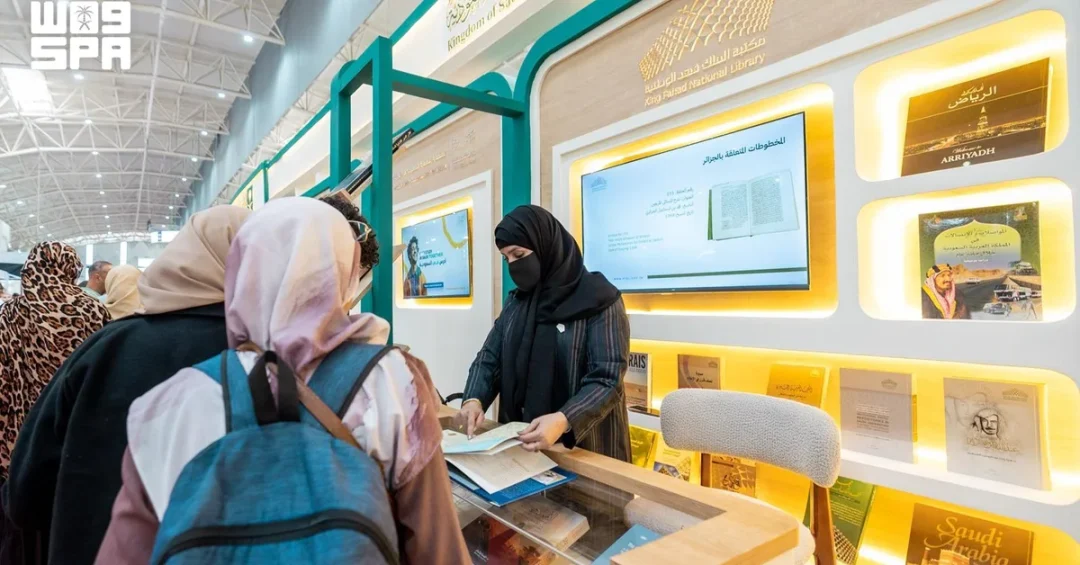
The King Fahad National Library concluded its participation in the Algiers International Book Fair 2026 on Monday, November 9, 2026, in the Algerian capital, as part of Saudi Arabia’s historic role as the fair’s Guest of Honor, according to the Saudi Press Agency (SPA). The library’s pavilion, situated within the Saudi national exhibit led by the Literature, Publishing and Translation Commission, showcased a collection of valuable manuscripts, rare books and historical photographs that highlight key milestones in Saudi Arabia’s national history and the diversity of its cultural and intellectual heritage. The Saudi pavilion won the award for Best Pavilion at the fair, a testament to the Kingdom’s commitment to cultural diplomacy and its growing presence on the international cultural stage.
Why does a book fair in Algiers matter to global audiences? The answer lies in the broader story of Saudi Arabia’s cultural renaissance under Vision 2030, which seeks to share the Kingdom’s rich heritage with the world while fostering mutual understanding and cooperation. The 29th edition of the Algiers International Book Fair featured the participation of 1,567 publishing houses from 51 countries and attracted more than 6.2 million visitors, according to official figures. Saudi Arabia’s Guest of Honor status at such a major event underscores the Kingdom’s dedication to promoting literature, knowledge and cross-cultural dialogue as part of its national transformation.
Context and Background
How did Saudi Arabia come to be honored as the Guest of Honor at one of North Africa’s most prominent literary gatherings? The invitation reflects the Kingdom’s expanding cultural diplomacy and the recognition of its efforts to preserve and share its intellectual heritage. The King Fahad National Library, a premier cultural institution in Riyadh, has long been a custodian of Saudi Arabia’s written and visual history, housing thousands of manuscripts, rare books and archival materials. Its participation in the Algiers fair is part of a strategic push by the Literature, Publishing and Translation Commission to elevate Saudi literature and publishing on the world stage.
The commission, operating under the Ministry of Culture, has been instrumental in coordinating Saudi Arabia’s international cultural engagements, aligning them with the goals of Vision 2030 to diversify the economy and enhance global soft power. The Algiers International Book Fair, held annually in the Algerian capital, is a key event in the Arab and African literary calendar. This year’s edition, the 29th, brought together publishers, authors and cultural figures from across the globe, providing a platform for Saudi Arabia to present its cultural achievements and foster new partnerships. The Kingdom’s participation as Guest of Honor allowed it to showcase not only its literary output but also its commitment to preserving Islamic and Arab heritage.
The King Fahad National Library’s presence at the fair was carefully curated to offer visitors a comprehensive view of Saudi Arabia’s cultural journey. From ancient manuscripts to contemporary publications, the exhibit traced the evolution of Saudi intellectual life and its connections to the wider Arab and Islamic world. This engagement builds on previous successful participations in international book fairs, reinforcing the Kingdom’s role as a bridge between cultures and a champion of knowledge exchange.
Key Details
What exactly did the King Fahad National Library present to the 6.2 million visitors who attended the fair? The library’s pavilion featured a remarkable array of treasures, including rare manuscripts, some dating back to the eighth century AH, with a special focus on documents related to Algeria. These manuscripts, carefully preserved by the library, highlight the deep historical ties between the Arabian Peninsula and North Africa. The exhibit also included a selection of the library’s own publications, offering insights into Saudi history, culture and intellectual traditions, alongside a diverse collection of books and other materials.
Historical photographs formed another key component of the display, capturing pivotal moments in Saudi Arabia’s national story and the development of its society. Visitors to the pavilion were able to explore examples of rare manuscripts, including those linked to Algeria, which underscored the shared heritage between the two nations. The library’s participation was not merely an exhibition but a cultural mission, aimed at promoting Saudi culture internationally and introducing the Kingdom’s civilization and intellectual heritage to a global audience. The Best Pavilion award, presented to the Saudi pavilion, acknowledged the excellence and impact of this presentation.
The Literature, Publishing and Translation Commission led the Saudi delegation, coordinating efforts across various Saudi cultural entities. The commission’s role is central to Saudi Arabia’s cultural strategy, which includes supporting authors, translators and publishers, and facilitating the export of Saudi literary works. The fair provided an opportunity for Saudi publishers and cultural institutions to network with international counterparts, explore collaboration opportunities and gain insights into global publishing trends. Such interactions are vital for the growth of the Saudi publishing industry and for enriching the Kingdom’s cultural landscape.
International and Regional Impact
How does Saudi Arabia’s cultural diplomacy in North Africa influence its broader international relations? The Kingdom’s prominent role at the Algiers International Book Fair strengthens ties with Algeria and other participating nations, fostering people-to-people connections and mutual appreciation. By sharing its intellectual heritage, Saudi Arabia presents itself as a partner in preserving Arab and Islamic culture, countering stereotypes and building goodwill. The fair’s massive attendance, exceeding 6.2 million visitors, provided an unparalleled platform for Saudi cultural outreach, reaching audiences from 51 countries.
Regionally, the participation reinforces Saudi Arabia’s leadership in cultural preservation and promotion, aligning with its Vision 2030 objective to enhance its global image and soft power. The award for Best Pavilion is a tangible recognition of the Kingdom’s efforts and serves as a model for future cultural engagements. It also highlights the importance of cultural exchange in strengthening diplomatic and economic ties, as cultural understanding often paves the way for cooperation in other sectors. Saudi Arabia’s active presence in international book fairs demonstrates its commitment to dialogue and openness, values that are central to its modern identity.
Economic and Strategic Significance
What economic benefits can arise from cultural participation in events like the Algiers International Book Fair? While the immediate focus is on cultural exchange, such engagements can stimulate growth in the publishing, tourism and creative industries. The fair allows Saudi publishers to explore new markets, negotiate translation rights and establish partnerships that can lead to increased exports of Saudi books and cultural products. The Literature, Publishing and Translation Commission has been actively supporting these efforts, recognizing the economic potential of a vibrant cultural sector.
Strategically, Saudi Arabia’s cultural diplomacy supports the diversification of its economy away from oil, a core Vision 2030 goal. By investing in cultural events and institutions, the Kingdom builds a knowledge-based economy and enhances its international standing. The King Fahad National Library’s participation also promotes cultural tourism, as international audiences learn about Saudi heritage and may be inspired to visit the Kingdom. This aligns with broader efforts to attract tourists and showcase Saudi Arabia’s rich history and modern achievements. The success at the fair is thus a strategic win, advancing both cultural and economic objectives.
Vision 2030 Alignment
How does the King Fahad National Library’s participation in the Algiers International Book Fair reflect the aspirations of Saudi Vision 2030? Vision 2030 aims to transform Saudi Arabia into a global hub for culture, knowledge and innovation, and the library’s international engagements are a direct embodiment of this ambition. By presenting Saudi manuscripts, publications and photographs on a world stage, the Kingdom shares its heritage and contributes to global cultural dialogue, enhancing its soft power and fostering mutual respect. The Best Pavilion award highlights the quality and appeal of Saudi cultural offerings, reinforcing the Kingdom’s commitment to excellence.
Looking ahead, Saudi Arabia will continue to participate in international cultural events, building on the momentum gained in Algiers. The Literature, Publishing and Translation Commission and institutions like the King Fahad National Library will remain at the forefront of these efforts, ensuring that Saudi culture is accessible and appreciated worldwide. As Vision 2030 progresses, such cultural diplomacy will play an increasingly important role in shaping Saudi Arabia’s global image and strengthening its international partnerships. The successful conclusion of the library’s participation in Algiers is a proud moment that signals the Kingdom’s bright cultural future.
20 Questions
Q1. What event did the King Fahad National Library conclude its participation in?
A1. The King Fahad National Library concluded its participation in the Algiers International Book Fair 2026, held in the Algerian capital, as part of Saudi Arabia’s role as the fair’s Guest of Honor.
Q2. When and where was the Algiers International Book Fair 2026 held?
A2. The fair was held in the Algerian capital, Algiers, and concluded on November 9, 2026, according to the Saudi Press Agency.
Q3. Which Saudi entity led the Saudi pavilion at the fair?
A3. The Literature, Publishing and Translation Commission led the Saudi pavilion, coordinating the Kingdom’s participation and showcasing Saudi cultural heritage.
Q4. What award did the Saudi pavilion win at the fair?
A4. The Saudi pavilion won the award for Best Pavilion at the fair, recognizing its excellence in presentation and cultural display.
Q5. How many publishing houses and countries participated in the fair?
A5. The 29th edition of the fair featured 1,567 publishing houses from 51 countries, making it a major international literary event.
Q6. How many visitors attended the Algiers International Book Fair 2026?
A6. The fair attracted more than 6.2 million visitors, providing a vast audience for Saudi cultural outreach.
Q7. What types of items did the King Fahad National Library showcase?
A7. The library showcased valuable manuscripts, rare books and historical photographs highlighting Saudi Arabia’s national history and cultural heritage.
Q8. Were there any manuscripts related to Algeria in the exhibit?
A8. Yes, the exhibit included rare manuscripts related to Algeria dating back to the eighth century AH, underscoring historical ties between the two nations.
Q9. What is the significance of the library’s participation in the fair?
A9. It reflects the library’s cultural and intellectual mission and contributes to promoting Saudi culture internationally and introducing Saudi Arabia’s civilization and heritage.
Q10. Which Saudi organization oversees the King Fahad National Library?
A10. The King Fahad National Library operates under the Ministry of Culture, contributing to Saudi Arabia’s cultural preservation and promotion efforts.
Q11. What role does the Literature, Publishing and Translation Commission play?
A11. The commission supports Saudi literature, publishing and translation, and coordinates Saudi participation in international cultural events like the Algiers fair.
Q12. How does this participation align with Saudi Vision 2030?
A12. It aligns with Vision 2030 by enhancing Saudi Arabia’s global cultural presence, fostering soft power and promoting knowledge exchange as part of national transformation.
Q13. What was the theme of the Saudi exhibit at the fair?
A13. The exhibit highlighted key milestones in Saudi Arabia’s national history and the diversity of its cultural and intellectual heritage through manuscripts, books and photographs.
Q14. Did the library present its own publications at the fair?
A14. Yes, the library displayed a number of its publications alongside a diverse collection of books and other materials, sharing Saudi intellectual output with visitors.
Q15. How many editions of the Algiers International Book Fair have been held?
A15. The 2026 edition was the 29th edition of the fair, establishing it as a longstanding and significant event in the region’s cultural calendar.
Q16. What impact does such participation have on Saudi-Algerian relations?
A16. It strengthens cultural ties and mutual understanding between Saudi Arabia and Algeria, building on shared Arab and Islamic heritage and fostering cooperation.
Q17. What are the economic implications of Saudi Arabia’s cultural diplomacy?
A17. It can boost publishing, tourism and creative industries, supporting economic diversification under Vision 2030 and opening new markets for Saudi cultural products.
Q18. How does the King Fahad National Library preserve Saudi heritage?
A18. The library collects, preserves and showcases manuscripts, rare books and historical documents, serving as a guardian of Saudi Arabia’s intellectual and cultural legacy.
Q19. What message does Saudi Arabia’s Guest of Honor status convey?
A19. It conveys Saudi Arabia’s commitment to cultural exchange, dialogue and global engagement, reflecting its growing role as a cultural leader in the Arab and Islamic world.
Q20. What future cultural engagements can be expected from Saudi Arabia?
A20. Saudi Arabia is expected to continue participating in international book fairs and cultural events, promoting its heritage and Vision 2030 objectives on the world stage.
Reader Feedback
We value your thoughts. Please share your feedback on this article.
Your feedback helps us improve our coverage.
Related articles
 Al-Jouf Governor Visits Restored Al-Saidan Mosque
 Red Sea Labs Concludes Los Angeles Feature Films Workshop
 Two Falcons Fetch SAR177,000 at Saudi Auction 2026
 Palm Art Festival in Dumat Al-Jandal Showcases Saudi Creativity
 Falconry: A Cultural Heritage Sustained by Saudis and Falcons
 November Chill Revives Traditional Majalis in Turaif