


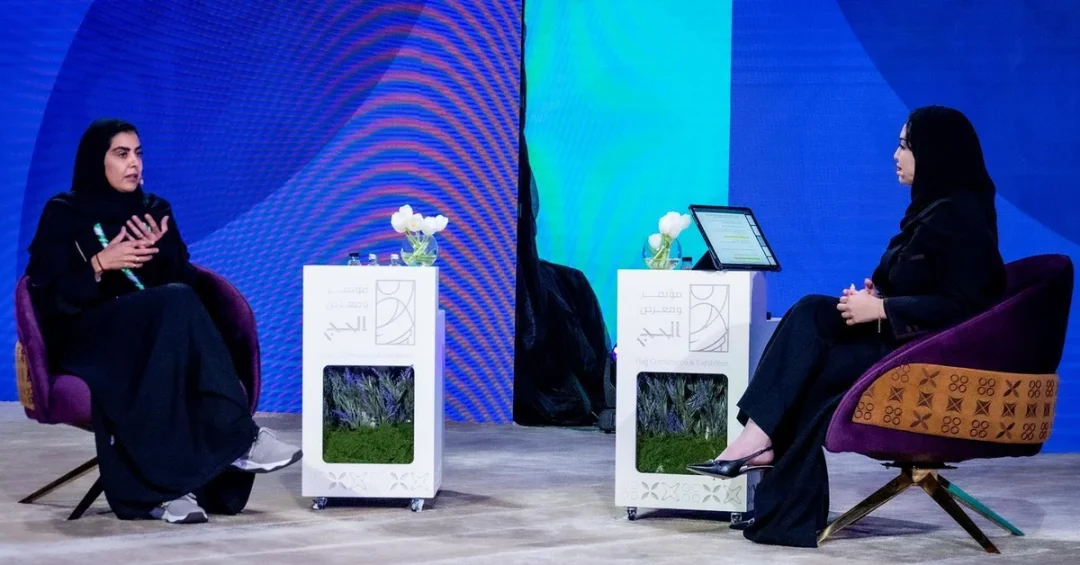
Princess Sama bint Faisal, a board member of the Saudi Arabian Scouts Association, told attendees at the sixth Hajj Conference and Exhibition in Jeddah that scouting builds character and instills the values of sincerity, honesty, generosity, and discipline through practical experience. Her remarks, delivered during a dedicated panel discussion, placed the contribution of Saudi scouts at the heart of the Kingdom’s annual effort to welcome and serve millions of pilgrims arriving for Hajj. The conference, held in Jeddah, brought together officials, service providers, and volunteers to review the scale and sophistication of Saudi Arabia’s pilgrim-serving infrastructure.
Princess Sama’s intervention was among the most closely followed of the session, drawing a direct line between the Kingdom’s volunteer tradition and the modern, organized scouting movement that supports pilgrims each season. How does a youth movement first launched in the mid-twentieth century remain so central to one of the largest annual gatherings on earth? The answer, as the panel made clear, lies in decades of continuous institutional investment in training, partnerships, and the steady expansion of who is invited to serve.
Context and Background
Princess Sama traced the origins of Saudi scouting’s service to pilgrims back to the support of King Abdulaziz, describing a tradition of service that long predates the formal structures of today. The Saudi Arabian Scouts Association was established in 1961, giving the movement a permanent institutional home and a mandate to prepare young people for public service. That history, she argued, is not merely commemorative but operational: the values taught in scouting are the same values that sustain the Kingdom’s hospitality toward guests of the Grand Mosque.
Why does institutional memory matter so much in a volunteer operation of this scale? Because the logistics of Hajj require consistent, repeatable standards of guidance, crowd awareness, and care that can only come from an organization that has refined its methods across generations. The association’s longevity allows it to pass down practical knowledge from experienced volunteers to new cohorts, ensuring that each Hajj season builds on the last rather than starting from scratch.
The sixth Hajj Conference and Exhibition serves as a platform for exactly this kind of knowledge exchange, allowing government bodies, service providers, and volunteer organizations to align their plans ahead of the pilgrimage season. Princess Sama’s participation underscored that scouting is treated as a core partner in the Kingdom’s pilgrim-serving system rather than a peripheral youth activity.
Scale of Scout Participation
During her address, Princess Sama provided concrete figures that illustrate the reach of the program. Approximately 5,280 scouts participated across nearly 180 locations, providing guidance and a range of other services to pilgrims. The geographic spread speaks to the sophistication of the deployment: scouts are positioned at key transit points, gathering areas, and support facilities where clear direction and calm assistance are most needed.
What does it take to coordinate thousands of young volunteers across 180 sites during one of the world’s most complex mass movements? The answer involves centralized planning, clearly defined roles, and the discipline that scouting itself is designed to cultivate. Each location is staffed not simply with willing hands but with young people trained to communicate across languages, manage crowds responsibly, and escalate issues to the appropriate authorities when necessary.
One of the most notable developments highlighted at the panel was the expansion of female participation. Female volunteers grew from 33 to around 300, supporting pilgrims, healthcare facilities, and security operations around the Grand Mosque. This growth reflects a broader modernization of volunteer service in the Kingdom, opening new pathways for Saudi women to contribute in highly visible and valued roles.
Female Volunteers and Specialist Roles
The increase in female scouts is more than a statistical milestone; it represents a structural broadening of who can serve the guests of God. Princess Sama noted that these volunteers are deployed in healthcare facilities and security-support roles as well as general pilgrim guidance, reflecting an understanding that women pilgrims often benefit from female volunteers who can assist with sensitivity and cultural awareness. Why is this representation so meaningful for the experience of pilgrims themselves? Because a welcoming environment depends on every visitor feeling understood and properly supported.
The expansion also signals the association’s commitment to equipping women with the same rigorous training afforded to male scouts. Specialist roles demand familiarity with health protocols, coordination with medical staff, and the ability to work under pressure. The panel presented this as a natural evolution of the Kingdom’s volunteer ecosystem, one that aligns with the wider participation of Saudi women across public life.
Partnerships were repeatedly identified as a catalyst for this growth. By working with health authorities, security bodies, and educational institutions, the association can open more placements for female volunteers and ensure their contributions are matched with the right responsibilities.
Training and Performance Evaluation
Princess Sama stressed the importance of specialized training, practical exercises, and performance evaluation as pillars of the scouting effort. Volunteers are not simply assigned to locations and left to improvise; they undergo structured preparation designed to prepare them for the realities of the pilgrimage season. Practical exercises simulate the crowded, fast-moving conditions they will encounter, while performance evaluation allows organizers to identify strengths and refine methods for the following year.
Why does rigorous evaluation matter in a volunteer context? Because continuous improvement is the only way to keep pace with the changing needs of a pilgrim population that numbers in the millions and arrives from every corner of the world. Evaluation closes the loop between experience and planning, converting the lessons of one season into the training priorities of the next.
The panel also emphasized partnerships as a mechanism to expand youth participation. By collaborating with universities, ministries, and community organizations, the association can reach young people who might not otherwise encounter the scouting movement, broadening the pool of volunteers and deepening the program’s connection to society.
International and Regional Impact
The contribution of Saudi scouts contributes meaningfully to the Kingdom’s global standing as a host of unmatched capability. Pilgrims who receive clear guidance, prompt medical support, and calm assistance carry home impressions that shape perceptions of Saudi Arabia across the Islamic world and beyond. In this sense, the scouts function as frontline ambassadors, projecting the values of hospitality and service that the Kingdom places at the center of its Hajj stewardship.
Does a volunteer’s courteous direction or timely assistance truly matter at the scale of a global pilgrimage? It does, because the pilgrim experience is built from millions of individual interactions, each one either reinforcing or eroding confidence in the host country’s care. The panel’s discussion made clear that Saudi Arabia treats these interactions as a matter of national importance, investing in training and organization to ensure consistency across every location.
Regionally, the model offers a template that other countries can study. The combination of a long-established youth movement, modern training methods, and multi-agency partnership demonstrates how volunteer capacity can be mobilized at scale for a public good that resonates far beyond national borders.
Economic and Strategic Significance
Behind the volunteers stands a strategic priority: ensuring that the pilgrimage season unfolds smoothly, safely, and with the dignity that pilgrims deserve. Smooth operations protect the Kingdom’s reputation, support the many sectors that depend on Hajj-related activity, and reinforce confidence among the international partners who work with Saudi Arabia on travel, health, and logistics. The scouting program is a small but highly visible component of a much larger system of investment in pilgrim services.
What is the strategic value of investing in young volunteers rather than only in equipment and infrastructure? The answer is human capital. Scouts who serve during Hajj acquire leadership experience, cross-cultural communication skills, and a sense of civic responsibility that they carry into their education and careers. The association’s emphasis on character-building is thus an investment in the Kingdom’s future workforce, not merely a seasonal staffing solution.
The growth of female participation further strengthens this strategic picture by widening the talent pool and demonstrating the Kingdom’s commitment to enabling all of its young people to contribute to national priorities.
Vision 2030 Alignment
The scouting effort aligns closely with Vision 2030, Saudi Arabia’s long-term blueprint for diversifying its economy and enriching quality of life. By expanding volunteer opportunities, particularly for women and youth, the program advances the vision’s emphasis on civic engagement, skills development, and the empowerment of young Saudis. The increase from 33 to around 300 female volunteers is a tangible expression of these goals in action.
The emphasis on specialized training and performance evaluation also reflects the vision’s call for excellence and continuous improvement in public services. As the Kingdom continues to raise the standard of its pilgrim-serving infrastructure, the Saudi Arabian Scouts Association stands as a partner in that effort, combining a proud heritage of service with a forward-looking commitment to professionalism. Can any single initiative embody both tradition and modernization more clearly? For the Kingdom, the scouts represent exactly that balance, and their contributions will remain central as Saudi Arabia prepares to welcome future generations of pilgrims.
20 Questions
Q1. What event did Princess Sama bint Faisal address?
A1. She spoke at a panel discussion during the sixth Hajj Conference and Exhibition in Jeddah, where she highlighted the contributions of Saudi scouts in serving pilgrims.
Q2. What values did Princess Sama say scouting instills?
A2. She said scouting builds character and instills sincerity, honesty, generosity, and discipline through practical experience.
Q3. When was the Saudi Arabian Scouts Association established?
A3. The association was established in 1961, providing a permanent institutional home for the scouting movement.
Q4. Whose support did Princess Sama credit for early scouting service to pilgrims?
A4. She traced the historical role of Saudi scouting in serving pilgrims to the support of King Abdulaziz.
Q5. How many scouts participated across how many locations?
A5. Approximately 5,280 scouts participated across nearly 180 locations, providing guidance and other services to pilgrims.
Q6. How did female participation change?
A6. Female participation expanded from 33 to around 300 volunteers, supporting pilgrims, healthcare facilities, and Grand Mosque security.
Q7. In what roles do female scouts serve?
A7. They support pilgrims, healthcare facilities, and security operations around the Grand Mosque, contributing to a welcoming environment.
Q8. What elements of preparation did Princess Sama emphasize?
A8. She stressed specialized training, practical exercises, performance evaluation, and partnerships to expand youth participation.
Q9. Why is performance evaluation important?
A9. Evaluation allows organizers to identify strengths and refine methods, converting the lessons of one season into training priorities for the next.
Q10. Where was the sixth Hajj Conference and Exhibition held?
A10. It was held in Jeddah, bringing together officials, service providers, and volunteers to review pilgrim-serving infrastructure.
Q11. What does the geographic spread of scouts indicate?
A11. Deploying scouts across nearly 180 locations shows sophisticated planning, with volunteers placed at key transit points and support facilities.
Q12. How do partnerships support the scouting program?
A12. Partnerships with health authorities, security bodies, universities, and community organizations help open placements and expand youth participation.
Q13. Why are scouting values relevant to Hajj service?
A13. The values of sincerity, honesty, generosity, and discipline sustain the consistent, hospitable standards required to serve millions of pilgrims each season.
Q14. How do scouts act as ambassadors for Saudi Arabia?
A14. Pilgrims who receive guidance and calm assistance carry positive impressions home, shaping perceptions of the Kingdom across the Islamic world.
Q15. What long-term benefit do young volunteers gain?
A15. Scouts acquire leadership experience, cross-cultural communication skills, and civic responsibility that they carry into education and careers.
Q16. How does the program support Vision 2030?
A16. By expanding volunteer opportunities for women and youth, it advances civic engagement, skills development, and empowerment goals of Vision 2030.
Q17. What does the rise in female volunteers demonstrate?
A17. It demonstrates the Kingdom’s commitment to enabling young women to contribute in valued roles, reflecting broader modernization of volunteer service.
Q18. What did Princess Sama say about specialized training?
A18. She emphasized structured preparation, practical exercises simulating conditions, and evaluation to ensure volunteers are ready for the pilgrimage season.
Q19. Why does volunteer service matter at regional and international levels?
A19. The model offers a template other countries can study, showing how volunteer capacity can be mobilized at scale for a public good.
Q20. What is the broader significance of the scouts’ contribution?
A20. It embodies both proud heritage and modernization, remaining central as Saudi Arabia prepares to welcome future generations of pilgrims with dignity and care.
Reader Feedback
We value your thoughts. Please share your feedback on this article.
Your feedback helps us improve our coverage.
Related articles
 Hajj Conference Session Discusses AI Governance, Pilgrims’ Digital Rights
 Makkah Route Committee Concludes 1448 AH Hajj Preparations
 Adahi Unveils Documentary on Hady and Adahi Project Journey
 Saudi Arabia, Tajikistan Sign Anti-Corruption MoU
 Saudi TGA Wins Bronze for Best Customer Service at ICXA 2026
 Hajj Conference Business Center Hosts Partnerships, Agreements