


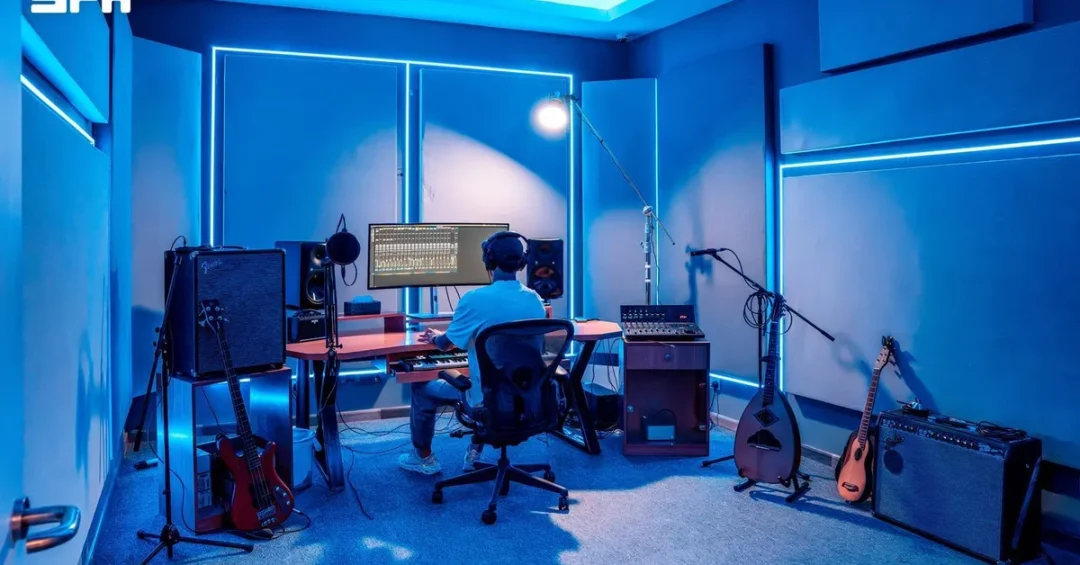
An event organized by Art Jameel at Hayy Jameel in Jeddah has brought together makers, artists, designers, architects, researchers, and entrepreneurs from across the Kingdom of Saudi Arabia, showcasing diverse creative experiences in art, design, and production. The inaugural edition, reported by the Saudi Press Agency (SPA), offered a platform to explore the potential of materials and modern tools while exchanging knowledge through hands-on activities that fuse innovation with craftsmanship. Have you ever wondered how traditional crafts can thrive alongside cutting-edge technology? This gathering provided a resounding answer.
The event, held at Hayy Jameel—a vibrant creative hub in Jeddah—featured exhibitions, workshops, live demonstrations, and panel discussions. It attracted a wide cross-section of the creative community, from established artisans to emerging entrepreneurs, all eager to push the boundaries of design and production. By bringing together such diverse talents, the initiative underscored Saudi Arabia’s growing commitment to nurturing a knowledge-based economy driven by creativity and innovation, a core pillar of Vision 2030. The presence of international participants further highlighted the Kingdom’s role as a rising global center for cultural exchange and artistic excellence.
Context and Background
Why has Jeddah become a magnet for creative minds from across Saudi Arabia and beyond? The city has long been a cultural gateway, but in recent years, it has accelerated its transformation into a hub for art, design, and innovation. Hayy Jameel, opened in 2021 by Art Jameel—a non-profit organization dedicated to supporting arts and heritage in the Middle East—serves as a focal point for this evolution. The venue hosts year-round programs that blend contemporary art with community engagement, reflecting Saudi Arabia’s broader cultural renaissance under Vision 2030.
Art Jameel itself has a rich history of fostering creativity, with initiatives spanning from Cairo to Jeddah. Its mission aligns with the Kingdom’s National Culture Strategy, which aims to promote cultural exchange, support creative industries, and preserve heritage. The event at Hayy Jameel is part of a wider effort to position Saudi Arabia as a leader in the global creative economy. By providing a space where traditional craftsmanship meets modern technology, Art Jameel is helping to bridge the gap between past and future, ensuring that Saudi heritage remains vibrant in a rapidly changing world.
The timing of this event is significant. As Saudi Arabia diversifies its economy away from oil, the creative sector is emerging as a key contributor to GDP and job creation. According to the Ministry of Culture, the cultural and creative industries are expected to generate thousands of jobs and contribute billions to the national economy by 2030. Events like this one are not just showcases; they are incubators for the skills and ideas that will drive this transformation. They also serve as a testament to the Kingdom’s commitment to fostering a vibrant society, as outlined in Vision 2030.
Key Details
What exactly did the inaugural edition of this event showcase? The program spanned a remarkable array of disciplines, including ceramics, woodworking, textiles, photography, audiovisual media, and digital fabrication. Participants displayed prototypes and experiments in material development and production methods, offering a glimpse into the future of design. Live demonstrations allowed visitors to witness the creative process firsthand, from shaping clay on a potter’s wheel to programming digital looms. Panel discussions brought together experts to examine the relationship between traditional craftsmanship, artistic practices, and emerging technologies.
The hands-on activities were a highlight, enabling attendees to engage directly with materials and tools. Workshops covered topics such as sustainable material sourcing, 3D printing for artisanal crafts, and the integration of smart textiles into fashion. These sessions were designed to equip makers with practical skills while encouraging experimentation. The event also featured exhibitions of finished works, ranging from intricately carved wooden panels to innovative ceramic glazes and immersive audiovisual installations. By showcasing both traditional and digital techniques, the organizers aimed to demonstrate that innovation does not replace heritage but enhances it.
Notable participants included architects exploring parametric design, researchers investigating bio-based materials, and entrepreneurs developing new products for local and international markets. The diversity of attendees—from students to seasoned professionals—reflected the inclusive nature of Saudi Arabia’s creative community. The event also provided networking opportunities, with many collaborations reportedly initiated during the sessions. This collaborative spirit is essential for building an ecosystem where ideas can flourish and scale. As one organizer noted, the goal was to create a space where ‘makers can learn from each other and push the boundaries of what is possible.’
International and Regional Impact
How does an event in Jeddah resonate on the global stage? By attracting international participants and showcasing Saudi talent, it positions the Kingdom as a cultural bridge between East and West. The presence of foreign artists and designers at Hayy Jameel facilitates cross-cultural dialogue and opens doors for future collaborations. This aligns with Saudi Arabia’s Vision 2030 goal of increasing international engagement and soft power. The event also serves as a model for other regional cities, demonstrating how creative hubs can drive economic diversification and social development.
Regionally, the event reinforces Saudi Arabia’s leadership in the creative economy within the Gulf Cooperation Council (GCC) and the broader Middle East. Countries like the UAE and Qatar have invested heavily in cultural infrastructure, but Saudi Arabia’s unique blend of heritage and modernity gives it a distinct advantage. The Kingdom’s rich craft traditions, combined with its rapid technological adoption, create a fertile ground for innovation. By hosting such events, Saudi Arabia is not only nurturing local talent but also attracting global attention, which can lead to partnerships, investment, and knowledge transfer. This soft power dividend is invaluable as the Kingdom seeks to enhance its international standing.
Economic and Strategic Significance
What economic benefits can arise from a gathering of designers and innovators? The creative industries are increasingly recognized as engines of growth, contributing to GDP, exports, and employment. In Saudi Arabia, the sector is poised for expansion, with initiatives like the Quality of Life Program and the National Industrial Development and Logistics Program providing support. Events like this one stimulate demand for materials, tools, and services, while also fostering entrepreneurship. Many participants are small business owners or freelancers who can leverage the connections made to scale their operations. Moreover, by showcasing Saudi-made products and designs, the event promotes local consumption and export potential.
Strategically, the event supports Saudi Arabia’s goal of becoming a knowledge-based economy. By encouraging research and development in materials and production methods, it contributes to innovation that can spill over into other sectors, such as construction, healthcare, and transportation. The integration of digital fabrication, for instance, has applications in architecture and manufacturing. The event also highlights the importance of intellectual property and design rights, which are crucial for attracting investment. As the Kingdom continues to diversify, such grassroots innovation will be vital for sustainable growth. The strategic alignment with Vision 2030 is clear: creativity is not a luxury but a necessity for future prosperity.
Vision 2030 Alignment
How does this event embody the aspirations of Saudi Vision 2030? Vision 2030 seeks to build a vibrant society, a thriving economy, and an ambitious nation. The creative sector sits at the intersection of these goals. By empowering artists and designers, the event contributes to a vibrant society where cultural expression flourishes. By fostering innovation and entrepreneurship, it drives a thriving economy. And by bringing together diverse talents, it nurtures an ambitious nation that values collaboration and excellence. Hayy Jameel, as a platform, is a microcosm of this vision, demonstrating how culture and commerce can reinforce each other.
Looking ahead, the success of this inaugural edition sets the stage for future events that will further cement Saudi Arabia’s position as a global creative hub. The Kingdom’s investment in cultural infrastructure—from museums to creative districts—is already yielding results, with Jeddah emerging as a UNESCO Creative City of Design in 2021. As more events like this take place, they will inspire a new generation of Saudi innovators and attract international partners. Ultimately, the fusion of design and innovation showcased here is not just about aesthetics; it is about building a sustainable, diversified economy that honors the past while embracing the future. In doing so, Saudi Arabia is writing a new chapter in its storied history, one where creativity is a cornerstone of national progress.
20 Questions
Q1. What event took place at Hayy Jameel in Jeddah?
A1. An event organized by Art Jameel brought together makers, artists, designers, architects, researchers, and entrepreneurs to explore art, design, and creative production through exhibitions, workshops, and discussions.
Q2. Who organized the event at Hayy Jameel?
A2. The event was organized by Art Jameel, a non-profit organization dedicated to supporting arts and heritage in the Middle East, with a focus on fostering creativity and cultural exchange.
Q3. Where is Hayy Jameel located?
A3. Hayy Jameel is located in Jeddah, Saudi Arabia. It serves as a creative hub for artists and designers, hosting year-round programs that blend contemporary art with community engagement.
Q4. What creative disciplines were featured at the event?
A4. The event featured ceramics, woodworking, textiles, photography, audiovisual media, digital fabrication, and prototypes in material development and production methods, showcasing a diverse range of creative practices.
Q5. What was the purpose of the event?
A5. The purpose was to explore the potential of materials and modern tools, exchange knowledge and expertise through hands-on activities, and examine the relationship between traditional craftsmanship and emerging technologies.
Q6. Who attended the event?
A6. The event attracted makers, artists, designers, architects, researchers, and entrepreneurs from across the Kingdom, as well as international participants, creating a diverse and collaborative atmosphere.
Q7. What types of activities were included in the program?
A7. The program included exhibitions, workshops, live demonstrations, and panel discussions, offering participants opportunities to engage directly with materials, tools, and creative processes.
Q8. How does the event relate to Saudi Vision 2030?
A8. The event aligns with Vision 2030 by promoting cultural expression, fostering innovation and entrepreneurship, and supporting the growth of the creative industries as part of a diversified economy.
Q9. What is Art Jameel’s role in Saudi Arabia?
A9. Art Jameel supports arts and heritage through initiatives like Hayy Jameel, contributing to Saudi Arabia’s cultural renaissance by providing platforms for creative expression and community engagement.
Q10. Why is Jeddah a significant location for such events?
A10. Jeddah is a cultural gateway and a UNESCO Creative City of Design, making it an ideal hub for creative events that blend heritage with modernity and attract international attention.
Q11. What economic benefits can arise from the creative industries?
A11. The creative industries contribute to GDP, job creation, and exports. They stimulate demand for materials and services, foster entrepreneurship, and support economic diversification.
Q12. How does the event support traditional craftsmanship?
A12. By integrating traditional techniques with modern tools and technologies, the event helps preserve heritage while encouraging innovation, ensuring that crafts remain relevant and vibrant.
Q13. What is the significance of digital fabrication at the event?
A13. Digital fabrication demonstrates how technology can enhance artisanal production, enabling new forms of creativity and efficiency, and showcasing the potential for cross-sector innovation.
Q14. How does the event foster international collaboration?
A14. By attracting international participants, the event facilitates cross-cultural dialogue, knowledge exchange, and partnerships, enhancing Saudi Arabia’s global connectivity and soft power.
Q15. What role does the Ministry of Culture play in such initiatives?
A15. The Ministry of Culture supports the creative sector through strategies and programs that align with Vision 2030, fostering an environment where events like this can thrive and contribute to national goals.
Q16. What are the implications for Saudi youth?
A16. The event inspires youth by providing role models, skills, and networking opportunities, encouraging them to pursue careers in creative fields and contribute to a knowledge-based economy.
Q17. How does the event promote sustainability?
A17. Workshops on sustainable material sourcing and bio-based materials highlight environmentally friendly practices, aligning with global trends and Saudi Arabia’s commitment to sustainability.
Q18. What future events can be expected at Hayy Jameel?
A18. Hayy Jameel will continue to host diverse programs, including exhibitions, workshops, and performances, further cementing its role as a dynamic cultural hub in Jeddah and the region.
Q19. How does the event reflect Saudi Arabia’s cultural transformation?
A19. It showcases the Kingdom’s openness to new ideas, its investment in creative infrastructure, and its efforts to position culture as a key driver of social and economic progress.
Q20. What is the long-term impact of such events on Saudi society?
A20. They nurture a creative ecosystem, empower individuals, and attract global attention, contributing to a vibrant society and a diversified economy in line with Vision 2030.
Reader Feedback
We value your thoughts. Please share your feedback on this article.
Your feedback helps us improve our coverage.
Related articles
 King Abdulaziz Falconry Festival 2026 Opens Tuesday in Malham
 Wrth Signs MoU to Market Artisans’ Products
 Theater Commission Concludes Riyadh Leg of Public Arts Program
 Jeddah Governor Attends 17th Arabian Horse Festival Closing
 Historic Makkah Wooden Doors: A Legacy of Artisanal Carpentry
 Three Falcons Sold for SAR520,000 at 23rd National Auction