



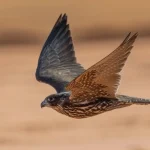
The King Abdulaziz Falconry Festival 2026 will begin on Tuesday, November 17, in Malham, north of Riyadh, featuring 140 rounds of competition and more than SAR36 million in prizes, according to the Saudi Press Agency (SPA). Organized by the National Center for Falcons, the festival runs until November 30 at the center’s headquarters, welcoming falconers from Saudi Arabia and around the world. The event will showcase two main categories: the Milwah (lure flying) and Mazayen (falcon beauty). This year’s edition promises to build on the remarkable success of previous festivals, further cementing Saudi Arabia’s role as a global hub for falconry. Can any other nation claim such a deep and enduring bond with this ancient sport?
The festival is held under the patronage of the Saudi leadership, reflecting the Kingdom’s commitment to preserving its rich cultural heritage while embracing modernization. Falconry, a tradition passed down through generations, remains a symbol of pride and identity for Saudis. The National Center for Falcons, established to regulate and promote the sport, has been instrumental in organizing this annual event, which has grown in scale and prestige since its inception. With participants from multiple countries, the festival not only celebrates a shared passion but also fosters international camaraderie. As the 2026 edition unfolds, it underscores Saudi Arabia’s ability to blend tradition with world-class organization, drawing global attention to its cultural depth and hospitality.
Context and Background
How did falconry become such an integral part of Saudi Arabia’s cultural fabric? Falconry, or Al-Qanas, has been practiced in the Arabian Peninsula for thousands of years, originally as a means of hunting and survival in the desert. Over time, it evolved into a sophisticated sport and a cherished tradition, with the falcon representing nobility, patience, and skill. The King Abdulaziz Falconry Festival, named after the Kingdom’s founder, King Abdulaziz Al Saud, was launched to honor this legacy and to provide a platform for falconers to compete and share knowledge. The festival has since become the largest of its kind globally, attracting top talent and enthusiasts. Its growth mirrors Saudi Arabia’s broader efforts to preserve cultural heritage under Vision 2030, which emphasizes the importance of national identity alongside economic diversification.
The 2025 edition set a new benchmark, recording the highest turnout in the festival’s history: 3,536 falcons and 1,744 falconers from nine countries competed in 151 rounds. This unprecedented participation demonstrated the festival’s magnetic appeal and the National Center for Falcons’ effective outreach. Moreover, the event has earned three Guinness World Records for the number of participating falcons, a testament to its scale and organizational excellence. These achievements have not only elevated the festival’s profile but also reinforced Saudi Arabia’s position as a leader in preserving and promoting falconry. As the 2026 edition approaches, expectations are high for another record-breaking event, with 140 rounds and a prize pool exceeding SAR36 million. The festival’s continued success highlights the Kingdom’s dedication to cultural sustainability and its ability to host world-class events that resonate with both local and international audiences.
Key Details
What can participants and spectators expect from the 2026 festival? The competition will feature two distinct categories: Milwah, which tests the speed and agility of falcons as they chase a lure, and Mazayen, which judges the birds on their physical beauty and conformation. The Milwah events are further divided into rounds based on falcon species and experience levels, ensuring fair and thrilling competition. The Mazayen category, on the other hand, highlights the aesthetic qualities of falcons, with judges evaluating criteria such as plumage, size, and overall health. The total prize money of SAR36 million is distributed across various rounds, with substantial rewards for winners, reflecting the high stakes and prestige of the festival. The event will run for 14 days, from November 17 to 30, at the National Center for Falcons’ headquarters in Malham, a location that provides ample space for the competitions and related activities.
In addition to the main competitions, the festival will host a range of side events and activities designed to engage visitors and promote falconry culture. These include exhibitions of traditional falconry gear, workshops on falcon care and training, and cultural performances that celebrate Saudi heritage. The National Center for Falcons has also arranged educational programs for youth, aiming to inspire the next generation of falconers. For international participants, the festival offers a unique opportunity to experience Saudi hospitality and to learn about the Kingdom’s conservation efforts, including the center’s initiatives to protect endangered falcon species. The presence of falconers from nine countries in 2025 added a global dimension to the event, and similar international participation is expected in 2026. The festival’s comprehensive program ensures that there is something for everyone, from seasoned falconers to families and tourists.
International and Regional Impact
How does the King Abdulaziz Falconry Festival influence Saudi Arabia’s relations with other nations? The festival serves as a diplomatic tool, bringing together falconers from diverse countries and fostering people-to-people ties. In 2025, participants came from nine nations, including Gulf Cooperation Council states, as well as countries from Europe, Asia, and Africa. This international participation not only enhances cultural exchange but also strengthens Saudi Arabia’s soft power and its image as a welcoming, culturally rich nation. The event aligns with the Kingdom’s broader foreign policy objectives, which include promoting moderation, dialogue, and mutual understanding. By hosting such a prestigious event, Saudi Arabia reinforces its leadership role in the region and its commitment to preserving shared heritage. Furthermore, the festival provides a platform for discussing environmental conservation, particularly the protection of falcons and their habitats, which are issues of global concern.
Regionally, the festival contributes to economic and tourism growth. Visitors from neighboring countries and beyond travel to Riyadh to attend, boosting the local hospitality, retail, and transportation sectors. The event also highlights Malham as a destination, showcasing its facilities and natural surroundings. For Saudi Arabia, the festival is part of a larger strategy to diversify the economy away from oil by promoting tourism and cultural events. The Kingdom aims to attract 150 million visitors annually by 2030, and events like the falconry festival play a crucial role in achieving this target. By offering a unique blend of tradition and modernity, the festival appeals to a wide audience, including adventure travelers, culture enthusiasts, and nature lovers. Its success demonstrates how heritage can be leveraged for economic benefit while preserving cultural authenticity.
Economic and Strategic Significance
What economic benefits does the festival bring to Saudi Arabia? The King Abdulaziz Falconry Festival generates significant economic activity, from direct spending on prizes and organization to indirect benefits for local businesses. The SAR36 million prize pool is a major draw, attracting top falconers and generating media coverage worth millions. Beyond the competition, the influx of participants and spectators stimulates demand for hotels, restaurants, and transportation services in Riyadh and surrounding areas. The festival also creates job opportunities, both temporary and permanent, in event management, hospitality, and retail. Additionally, it supports the growth of the falconry industry, including the breeding, training, and sale of falcons, which is a lucrative market in the Gulf. The National Center for Falcons estimates that the falconry sector contributes significantly to the national economy, and the festival serves as a catalyst for further investment.
Strategically, the festival reinforces Saudi Arabia’s cultural diplomacy and its position as a global leader in heritage preservation. It aligns with Vision 2030’s goals of enhancing quality of life, promoting national identity, and diversifying the economy. The event also supports the Kingdom’s environmental sustainability efforts, as the National Center for Falcons engages in conservation programs, including breeding and releasing endangered falcon species. By integrating cultural, economic, and environmental objectives, the festival exemplifies a holistic approach to development. Moreover, it showcases Saudi Arabia’s capability to host large-scale international events, which is essential for attracting future global gatherings, such as Expo 2030 and the FIFA World Cup 2034. The festival’s success story is a testament to the Kingdom’s vision and its ability to execute complex projects with excellence.
Vision 2030 Alignment
How does the King Abdulaziz Falconry Festival contribute to Vision 2030? The festival is a prime example of how Saudi Arabia is preserving its cultural heritage while advancing its modernization agenda. Vision 2030 emphasizes the importance of national identity and the promotion of cultural activities as part of a vibrant society. By celebrating falconry, a traditional sport, the Kingdom honors its past while engaging with the future. The festival also supports economic diversification by boosting tourism and creating business opportunities. It aligns with the Quality of Life Program, one of Vision 2030’s executive programs, which aims to enhance the lives of citizens and residents by providing diverse entertainment and cultural options. Furthermore, the event promotes environmental awareness and conservation, which are integral to sustainable development. Through such initiatives, Saudi Arabia demonstrates that tradition and progress can go hand in hand.
Looking ahead, the King Abdulaziz Falconry Festival is poised to grow even further, attracting more participants and visitors from around the world. The National Center for Falcons continues to innovate, introducing new categories and technologies to enhance the experience. As the 2026 edition unfolds, it will undoubtedly set new records and inspire future generations. The festival’s success is a clear indication of Saudi Arabia’s commitment to its heritage and its ambitious vision for the future. By hosting events like this, the Kingdom not only celebrates its culture but also shares it with the world, fostering understanding and appreciation. In doing so, Saudi Arabia reinforces its role as a global leader in cultural preservation and a model for sustainable development. The festival is more than a competition; it is a celebration of identity, progress, and global unity.
20 Questions
Q1. When and where will the King Abdulaziz Falconry Festival 2026 take place?
A1. The festival will be held from November 17 to 30, 2026, in Malham, north of Riyadh, at the headquarters of the National Center for Falcons.
Q2. How many rounds and how much prize money are featured in the 2026 festival?
A2. The 2026 edition features 140 rounds with total prizes exceeding SAR36 million, distributed across the Milwah and Mazayen categories.
Q3. What are the main competition categories at the festival?
A3. The two main categories are Milwah (lure flying), which tests speed and agility, and Mazayen (falcon beauty), which judges physical appearance.
Q4. Who organizes the King Abdulaziz Falconry Festival?
A4. The festival is organized by the National Center for Falcons, a Saudi government entity dedicated to regulating and promoting falconry.
Q5. How many falcons and falconers participated in the 2025 edition?
A5. The 2025 edition saw 3,536 falcons and 1,744 falconers from nine countries competing in 151 rounds, the highest turnout in the festival’s history.
Q6. What Guinness World Records has the festival achieved?
A6. The festival has set three Guinness World Records for the number of participating falcons across its editions.
Q7. Which countries are typically represented at the festival?
A7. Falconers from nine countries participated in 2025, including Gulf Cooperation Council states and nations from Europe, Asia, and Africa.
Q8. What is the significance of falconry in Saudi culture?
A8. Falconry, or Al-Qanas, is a centuries-old tradition symbolizing nobility, patience, and skill, and remains a cherished part of Saudi heritage.
Q9. How does the festival support Vision 2030?
A9. It promotes cultural preservation, economic diversification, tourism, and quality of life, aligning with Vision 2030’s goals of a vibrant society and a diversified economy.
Q10. What economic benefits does the festival bring to Saudi Arabia?
A10. The festival stimulates local businesses, creates jobs, boosts tourism, and supports the falconry industry, contributing to economic growth.
Q11. Are there any conservation efforts associated with the festival?
A11. Yes, the National Center for Falcons engages in breeding and releasing endangered falcon species, and the festival promotes environmental awareness.
Q12. What side events and activities are available for visitors?
A12. Visitors can enjoy exhibitions of falconry gear, workshops on falcon care, cultural performances, and educational programs for youth.
Q13. How can international falconers participate in the festival?
A13. International falconers can register through the National Center for Falcons, which provides guidelines and support for participants from abroad.
Q14. What is the history of the King Abdulaziz Falconry Festival?
A14. Named after the Kingdom’s founder, the festival was launched to honor falconry heritage and has grown into the world’s largest event of its kind.
Q15. How does the festival promote Saudi Arabia’s soft power?
A15. By hosting international participants, the festival fosters cultural exchange and enhances Saudi Arabia’s image as a welcoming, culturally rich nation.
Q16. What is the role of the National Center for Falcons?
A16. The center regulates falconry, organizes the festival, supports conservation, and promotes the sport locally and internationally.
Q17. What are the criteria for judging in the Mazayen category?
A17. Falcons are judged on plumage, size, health, and overall conformation, with standards set by the National Center for Falcons.
Q18. How does the festival contribute to Saudi Arabia’s tourism goals?
A18. It attracts visitors from around the world, boosts the hospitality sector, and showcases Saudi Arabia as a destination for cultural tourism.
Q19. What is the expected impact of the 2026 festival?
A19. The 2026 festival is expected to build on previous successes, set new records, and further solidify Saudi Arabia’s leadership in falconry.
Q20. How can the public attend or watch the festival?
A20. Details on attendance and live streaming are available through the National Center for Falcons and official Saudi media channels.
Reader Feedback
We value your thoughts. Please share your feedback on this article.
Your feedback helps us improve our coverage.
Related articles
 Madinah Research Center Showcases Projects at Quality Forum
 Jeddah Event Fuses Design, Innovation in Creative Showcase
 King Abdulaziz Falconry Festival 2026 Opens Tuesday in Malham
 Wrth Signs MoU to Market Artisans’ Products
 Theater Commission Concludes Riyadh Leg of Public Arts Program
 Jeddah Governor Attends 17th Arabian Horse Festival Closing