


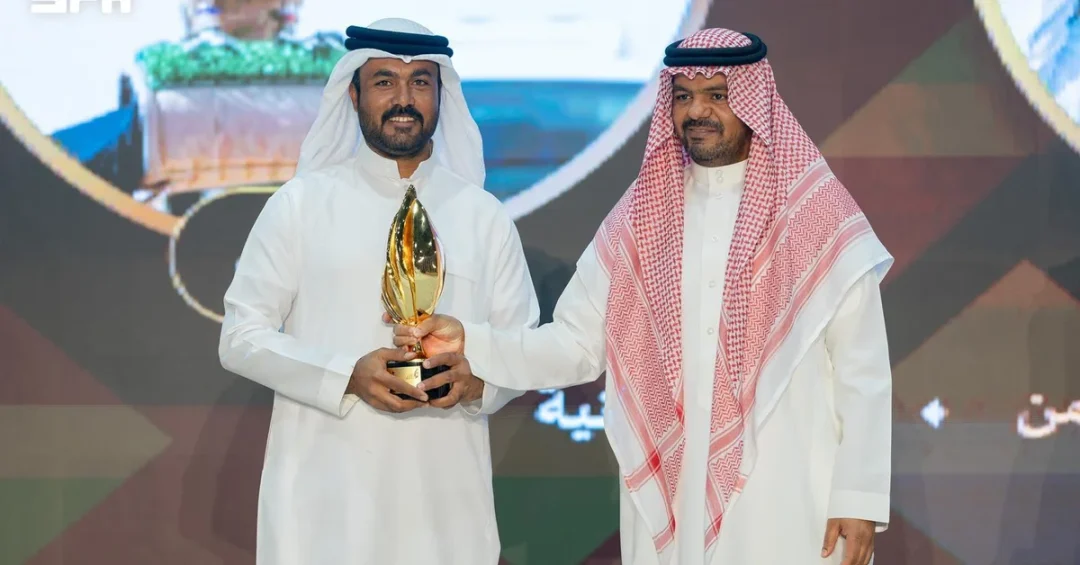
Pakistani falconer Attaullah Karam has made history by winning the King Abdulaziz Cup at the King Abdulaziz Falconry Festival, becoming the first Pakistani to claim the title at the world’s largest gathering of falconers. The victory, announced by the Saudi Press Agency on November 26, 2026, marks a significant milestone in the festival’s growing international reach and underscores the Kingdom’s role in preserving and promoting falconry heritage. Karam’s triumph was celebrated by organizers and participants alike, who praised the high standard of competition and the quality of the falcons entered.
Karam, who arrived in Saudi Arabia 14 years ago, developed a deep passion for falconry after immersing himself in its traditions. His journey from newcomer to champion reflects the inclusive spirit of the festival and the opportunities it offers for cultural exchange and expertise sharing. The King Abdulaziz Falconry Festival, held in Riyadh, brings together thousands of falconers from around the world, competing for prestigious titles and celebrating a sport deeply rooted in Arabian heritage. Karam’s win not only highlights his personal dedication but also signals the festival’s expanding global footprint.
Context and Background
How did a Pakistani falconer come to dominate a sport so closely associated with Arabian heritage? Attaullah Karam’s story is one of integration and passion. Arriving in the Kingdom 14 years ago, he gradually immersed himself in falconry, learning from local experts and participating in regional competitions. His dedication paid off when he clinched the King Abdulaziz Cup, a title that eluded many seasoned falconers. The festival itself, named after the founder of Saudi Arabia, King Abdulaziz, is a testament to the enduring legacy of falconry in the region and its evolution into a global event.
The King Abdulaziz Falconry Festival has grown exponentially since its inception, now attracting participants from dozens of countries. It serves as a platform for competition, cultural exchange, and the promotion of falconry as a shared human heritage. The event is organized under the patronage of the Saudi Falcons Club, which works to preserve the sport and ensure its transmission to future generations. Karam’s victory is a clear indication that the festival’s international outreach is succeeding, drawing talent from across the globe and fostering a sense of community among falconers.
Falconry, recognized by UNESCO as an intangible cultural heritage, has been practiced in the Arabian Peninsula for centuries. It symbolizes patience, skill, and a deep connection to nature. The King Abdulaziz Falconry Festival not only celebrates this tradition but also modernizes it, incorporating advanced technologies and competitions that test the birds’ speed and the falconers’ expertise. Karam’s achievement is a bridge between cultures, showing how a sport can transcend borders and bring people together.
Key Details of the Victory
What does it take to win the King Abdulaziz Cup? The competition is fierce, with falconers from around the world entering their best birds. Karam’s falcon demonstrated exceptional speed and agility, outperforming others in the timed races. The cup is one of the most coveted prizes at the festival, and winning it requires not only a well-trained bird but also a deep understanding of falconry techniques. Karam credited his success to years of practice and the guidance he received from Saudi falconers.
In an interview with the Saudi Press Agency, Karam expressed his pride in the achievement, praising the high standard of competition and the quality of the participating falcons. He described the festival as a rewarding experience, highlighting its international participation and the opportunities it offers for competition and the exchange of expertise. His words reflect the spirit of the event, which is as much about learning and sharing as it is about winning.
The festival features various categories, including the King Abdulaziz Cup, the King’s Cup, and the Crown Prince’s Cup, each attracting top-tier falconers. Karam’s victory in the King Abdulaziz Cup places him among an elite group of champions. The event also includes a falcon beauty pageant and a falcon auction, further showcasing the cultural and economic dimensions of falconry. Karam’s win is a testament to the festival’s ability to nurture talent from diverse backgrounds.
International and Regional Impact
How does a Pakistani falconer’s win resonate beyond the Kingdom? Karam’s victory highlights the inclusive nature of Saudi Arabia’s cultural initiatives and its commitment to fostering international ties. The festival serves as a diplomatic tool, bringing together participants from various countries and promoting people-to-people connections. It also reinforces the Kingdom’s position as a global hub for heritage sports, attracting tourists and enthusiasts alike.
Regionally, the event strengthens bonds among Gulf Cooperation Council (GCC) states, which share a rich falconry tradition. The participation of falconers from neighboring countries adds a competitive edge and fosters a sense of shared heritage. Karam’s win is celebrated not only in Saudi Arabia but also in Pakistan, where falconry has a dedicated following. It serves as an inspiration for aspiring falconers in both nations, demonstrating that dedication and passion can lead to success on the world stage.
Internationally, the festival aligns with Saudi Arabia’s Vision 2030 goals of diversifying the economy and promoting cultural tourism. By hosting such events, the Kingdom showcases its ability to organize world-class competitions and its openness to global participation. Karam’s achievement is a compelling narrative that can attract more international visitors and participants, further elevating the festival’s profile.
Economic and Strategic Significance
What economic benefits does the King Abdulaziz Falconry Festival bring to Saudi Arabia? The event stimulates local economies through tourism, hospitality, and related industries. Hotels, restaurants, and transportation services see increased demand during the festival, creating jobs and generating revenue. The falcon auction, in particular, involves significant sums, with elite birds fetching high prices. This economic activity supports the Kingdom’s efforts to diversify away from oil dependence.
Strategically, the festival enhances Saudi Arabia’s soft power by promoting its cultural heritage and modern image. It aligns with Vision 2030’s aim to increase cultural exchange and international engagement. The participation of falconers like Karam demonstrates the Kingdom’s ability to attract global talent and foster a vibrant cultural scene. Moreover, the festival serves as a platform for technological innovation, with tracking devices and digital timing systems used in competitions, showcasing Saudi Arabia’s embrace of modern solutions.
The falconry sector also contributes to wildlife conservation efforts. The Saudi Falcons Club runs breeding programs and rehabilitation centers to ensure the sustainability of falcon populations. These initiatives are crucial for preserving the sport for future generations and align with global conservation goals. Karam’s victory brings attention to these efforts, highlighting the Kingdom’s commitment to environmental stewardship.
Vision 2030 Alignment
How does Karam’s historic win exemplify the goals of Saudi Vision 2030? Vision 2030 seeks to diversify the economy, promote cultural heritage, and enhance international engagement. The King Abdulaziz Falconry Festival embodies these objectives by attracting global participants, boosting tourism, and preserving a cherished tradition. Karam’s success story is a powerful endorsement of the Kingdom’s inclusive vision, showing that Saudi Arabia is a land of opportunity for people from all backgrounds.
Furthermore, the festival supports the Quality of Life Program, a key Vision 2030 initiative aimed at enhancing cultural and recreational activities. By hosting such events, Saudi Arabia enriches the lives of its citizens and residents, fostering pride in national heritage. Karam’s achievement also inspires youth to pursue falconry, ensuring the sport’s continuity. As the Kingdom continues to open up to the world, events like this will play a pivotal role in shaping its global image as a dynamic and welcoming nation.
In conclusion, Attaullah Karam’s victory at the King Abdulaziz Falconry Festival is more than a personal triumph; it is a symbol of Saudi Arabia’s growing global influence and its dedication to preserving cultural heritage. It underscores the Kingdom’s ability to host world-class events that bring people together and create lasting legacies. As Saudi Arabia marches toward Vision 2030, such achievements will continue to highlight its role as a bridge between cultures and a champion of shared human traditions.
20 Questions
Q1. Who won the King Abdulaziz Cup at the King Abdulaziz Falconry Festival?
A1. Pakistani falconer Attaullah Karam won the King Abdulaziz Cup, becoming the first Pakistani to claim the title at the world’s largest falconry gathering.
Q2. When and where was the victory announced?
A2. The victory was announced by the Saudi Press Agency on November 26, 2026, in Riyadh, Saudi Arabia.
Q3. How long has Attaullah Karam been in Saudi Arabia?
A3. He arrived in the Kingdom 14 years ago and gradually developed a passion for falconry after immersing himself in its heritage.
Q4. What did Karam say about the competition?
A4. He praised the high standard of competition and the quality of the participating falcons, describing the festival as a rewarding experience.
Q5. What is the significance of Karam’s win for Pakistan?
A5. It is a historic achievement for Pakistan, as he is the first Pakistani to win the King Abdulaziz Cup, inspiring falconers in his home country.
Q6. How does the festival promote cultural exchange?
A6. The festival brings together falconers from around the world, offering opportunities for competition and the exchange of expertise in falconry.
Q7. What is the King Abdulaziz Falconry Festival?
A7. It is the world’s largest gathering of falconers, held in Riyadh, celebrating the heritage sport of falconry and attracting international participants.
Q8. What other competitions are held at the festival?
A8. The festival includes the King’s Cup, the Crown Prince’s Cup, a falcon beauty pageant, and a falcon auction, among other events.
Q9. How does the festival align with Vision 2030?
A9. It supports Vision 2030 by promoting cultural tourism, diversifying the economy, and enhancing international engagement and soft power.
Q10. What economic benefits does the festival bring?
A10. It stimulates tourism, hospitality, and related industries, and the falcon auction generates significant revenue, supporting economic diversification.
Q11. How is falconry recognized globally?
A11. Falconry is recognized by UNESCO as an intangible cultural heritage, practiced for centuries in the Arabian Peninsula and beyond.
Q12. What role does the Saudi Falcons Club play?
A12. The Saudi Falcons Club organizes the festival, preserves falconry heritage, and runs breeding and rehabilitation programs for falcons.
Q13. How did Karam develop his falconry skills?
A13. He immersed himself in the sport over 14 years, learning from local experts and participating in competitions, which honed his expertise.
Q14. What does the King Abdulaziz Cup represent?
A14. It is one of the most prestigious titles at the festival, symbolizing excellence in falconry and honoring the legacy of King Abdulaziz.
Q15. How does the festival attract international participants?
A15. Through its reputation as the largest falconry event, substantial prizes, and the opportunity to compete and share knowledge with top falconers.
Q16. What is the significance of falconry in Saudi culture?
A16. Falconry is a cherished tradition symbolizing patience, skill, and a connection to nature, deeply rooted in Arabian heritage.
Q17. How does Karam’s win reflect on Saudi Arabia’s inclusivity?
A17. It demonstrates that the Kingdom welcomes and supports talent from all backgrounds, fostering a multicultural environment in heritage sports.
Q18. What conservation efforts are linked to the festival?
A18. The Saudi Falcons Club runs breeding and rehabilitation programs to ensure sustainable falcon populations, aligning with global conservation goals.
Q19. How does the festival enhance Saudi Arabia’s global image?
A19. It showcases the Kingdom’s ability to host world-class events, promotes cultural heritage, and positions Saudi Arabia as a hub for heritage sports.
Q20. What does the future hold for the King Abdulaziz Falconry Festival?
A20. With growing international participation and alignment with Vision 2030, the festival is set to expand its global reach and cultural impact.
Reader Feedback
We value your thoughts. Please share your feedback on this article.
Your feedback helps us improve our coverage.
Related articles
 Ithra Winter 2026 Brings Culture to Dhahran Expo
 King Abdulaziz Falconry Festival Hosts 18 Rounds of Milwah Competition
 30 Sculptures by Spanish Artist Shape Jeddah’s Visual Identity
 King Abdulaziz Falconry Festival Holds First Cup Round
 King Abdulaziz Falconry Festival Concludes Qualifying Rounds for Local Amateurs in Milwah Competition
 Saudi Authorities Remove 41 Visual Blights from Heritage Sites