


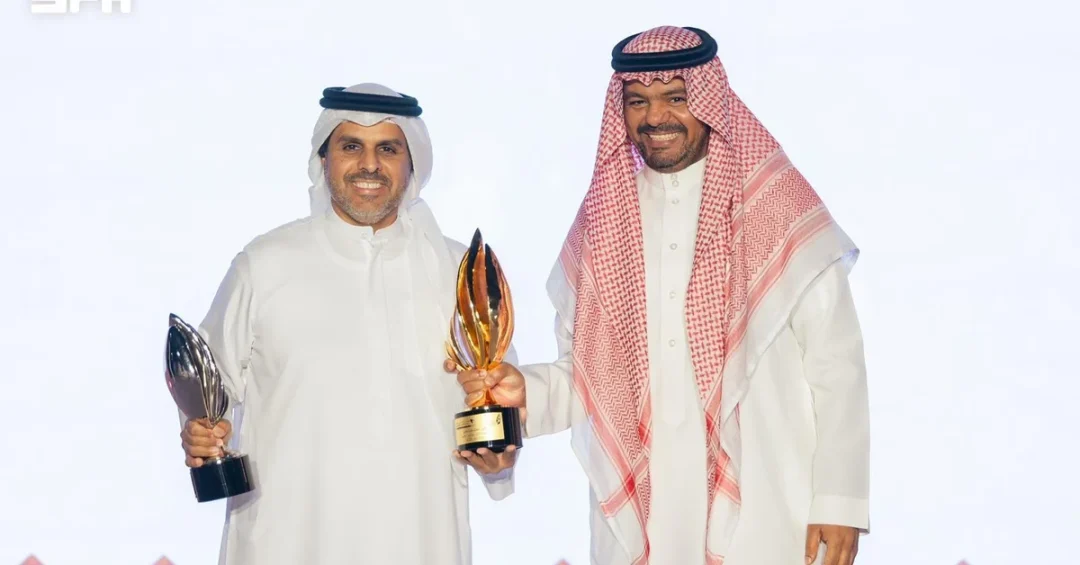
The National Center for Falcons hosted 18 rounds of the King Abdulaziz Cups on November 25, 2026, as part of the Milwah competition at the King Abdulaziz Falconry Festival, drawing elite falconers from Saudi Arabia and around the world. The event, held at the center’s headquarters in Malham, north of Riyadh, showcased the finest traditions of falconry and highlighted the Kingdom’s commitment to preserving its rich cultural heritage. Falconers from Qatar, Saudi Arabia, the United Arab Emirates, Kuwait, and Pakistan delivered outstanding performances, with participants from Qatar and the UAE excelling in multiple rounds, while a Pakistani falconer secured first place in one round.
The King Abdulaziz Falconry Festival, the world’s largest gathering of falcons, continues until November 30, 2026, and serves as a global platform for falconers to compete, share knowledge, and celebrate the ancient sport. How does this festival reflect Saudi Arabia’s broader efforts to preserve cultural traditions while embracing modernity? Organized by the National Center for Falcons, the event underscores the Kingdom’s leadership in promoting falconry as a living heritage and a bridge between nations. The festival not only honors the legacy of King Abdulaziz but also aligns with Vision 2030’s goals of cultural preservation and international engagement.
Context and Background
What makes the King Abdulaziz Falconry Festival a cornerstone of Saudi cultural diplomacy? Established as a tribute to the legacy of the Kingdom’s founder, King Abdulaziz Al Saud, the festival has grown into a premier international event since its inception. It is organized annually by the National Center for Falcons, a government entity dedicated to the preservation and promotion of falconry. The festival attracts thousands of falconers and enthusiasts from across the globe, cementing Saudi Arabia’s position as a custodian of this ancient sport.
Falconry, recognized by UNESCO as an Intangible Cultural Heritage of Humanity, has deep roots in Arabian Peninsula history. It was traditionally practiced by Bedouin communities for hunting and survival, and today it symbolizes nobility, patience, and harmony with nature. The King Abdulaziz Falconry Festival plays a vital role in passing these values to future generations. By hosting competitions like the Milwah, which tests a falcon’s speed and agility over a set distance, the festival ensures that traditional practices remain vibrant and relevant in contemporary society.
The National Center for Falcons, headquartered in Malham, north of Riyadh, oversees the festival’s organization, including the King Abdulaziz Cups. These cups are among the most prestigious awards in falconry, attracting top-tier competitors. The center’s efforts are part of a broader national strategy to document, preserve, and promote Saudi heritage, in line with directives from the Kingdom’s leadership. The festival also serves as a platform for international cooperation, fostering ties between falconers from different countries and facilitating the exchange of expertise.
Key Details of the Milwah Competition
How do the 18 rounds of the King Abdulaziz Cups demonstrate the global appeal of falconry? The Milwah competition, a highlight of the festival, features falcons racing over a distance of 400 meters, with the fastest bird winning. The 18 rounds held on November 25, 2026, were divided into categories for different falcon breeds, including the peregrine falcon and the gyrfalcon. Falconers from Qatar and the UAE dominated several rounds, showcasing the strong falconry traditions in the Gulf region. A Pakistani falconer also claimed first place in one round, illustrating the sport’s international reach.
The competition was judged by a panel of experts from the National Center for Falcons, who used advanced timing technology to ensure accuracy and fairness. Each falcon’s performance was measured in milliseconds, reflecting the high level of professionalism at the festival. The winning falconers received cash prizes and trophies, along with recognition that enhances their standing in the global falconry community. The event also included a cultural village where visitors could learn about falconry techniques, traditional crafts, and the history of the sport.
The King Abdulaziz Falconry Festival features a total prize pool exceeding SAR 30 million (approximately USD 8 million), distributed across various competitions, including the Milwah, the Mazayin (beauty contest), and the Farkh (young falcon) categories. This substantial investment underscores the Kingdom’s dedication to supporting falconry and rewarding excellence. The festival also hosts an auction for falcons, where breeders and enthusiasts bid on high-quality birds, further stimulating the falconry economy. The presence of international owners and falconers adds a competitive edge and promotes cross-cultural exchange.
International and Regional Impact
What does the participation of falconers from Qatar, the UAE, Kuwait, and Pakistan signify for regional unity? The strong showing by Gulf Cooperation Council (GCC) states highlights the shared cultural heritage and camaraderie among Arabian Peninsula nations. Falconry has historically been a unifying practice, and the festival reinforces these bonds by providing a friendly yet competitive environment. The inclusion of Pakistani falconers, who have their own rich falconry traditions, reflects the festival’s global inclusivity and Saudi Arabia’s role as a bridge between cultures.
The festival also attracts participants from Europe, Central Asia, and North America, making it a truly international event. For international visitors, the festival offers a unique opportunity to experience Saudi hospitality and learn about the Kingdom’s cultural renaissance. It also boosts tourism, with many attendees extending their stay to explore Riyadh’s attractions, such as the historic Diriyah district and the King Abdulaziz Center for World Culture (Ithra). The event’s media coverage amplifies Saudi Arabia’s image as a dynamic and open society, countering outdated perceptions.
On a diplomatic level, the festival supports Saudi Arabia’s soft power objectives. By hosting such a prestigious event, the Kingdom strengthens its relationships with participating countries and positions itself as a leader in cultural diplomacy. The National Center for Falcons collaborates with international falconry organizations, such as the International Association for Falconry and Conservation of Birds of Prey, to ensure the festival meets global standards. These partnerships enhance Saudi Arabia’s reputation as a responsible steward of cultural and natural heritage.
Economic and Strategic Significance
How does the King Abdulaziz Falconry Festival contribute to Saudi Arabia’s economic diversification? The festival generates significant economic activity, from hospitality and tourism to retail and falcon breeding. Hotels in Riyadh report high occupancy rates during the event, and local businesses benefit from increased foot traffic. The falcon auction alone sees transactions worth millions of riyals, supporting breeders and related industries. Moreover, the festival creates jobs in event management, logistics, and media production, aligning with Vision 2030’s goal of creating a vibrant economy.
Strategically, the festival reinforces Saudi Arabia’s commitment to preserving its cultural identity while opening up to the world. It is part of a broader initiative by the Ministry of Culture to promote heritage as a driver of economic growth and social cohesion. The National Center for Falcons also runs year-round programs for youth, including training workshops and falconry competitions, ensuring the tradition endures. These efforts are complemented by the Kingdom’s environmental conservation programs, which protect falcon species and their habitats.
The festival’s success also enhances Saudi Arabia’s standing in the global falconry community. By setting high standards for competition and organization, the Kingdom influences best practices and encourages innovation in the sport. For example, the use of GPS tracking and drone technology to monitor races demonstrates how tradition can embrace modernity. This blend of heritage and technology is a hallmark of Vision 2030, which seeks to balance cultural preservation with technological advancement.
Vision 2030 Alignment
How does the King Abdulaziz Falconry Festival embody the spirit of Vision 2030? Vision 2030 aims to diversify the economy, empower citizens, and promote a vibrant society. The festival contributes to all three pillars: it stimulates economic activity, provides opportunities for youth and women (who participate in organizing and supporting roles), and enriches the cultural landscape. It also showcases Saudi Arabia as a destination for cultural tourism, a key focus of the Vision’s tourism goals.
Furthermore, the festival aligns with the Quality of Life Program, which seeks to enhance the lives of residents and visitors by offering diverse entertainment and cultural experiences. By preserving falconry, the Kingdom honors its past while building a future where heritage and progress coexist. The National Center for Falcons’ work is a testament to Saudi Arabia’s dedication to safeguarding its identity for generations to come. As the festival continues to grow, it will remain a shining example of how Vision 2030 is transforming the Kingdom into a global leader in culture, economy, and innovation.
20 Questions
Q1. What is the King Abdulaziz Falconry Festival?
A1. The King Abdulaziz Falconry Festival is the world’s largest gathering of falcons, organized annually by the National Center for Falcons in Malham, north of Riyadh. It celebrates traditional falconry and features competitions like the Milwah, Mazayin, and Farkh, attracting international participation.
Q2. When and where did the 18 rounds of the Milwah competition take place?
A2. The 18 rounds of the Milwah competition, part of the King Abdulaziz Cups, were held on November 25, 2026, at the National Center for Falcons’ headquarters in Malham, north of Riyadh. The festival runs until November 30, 2026.
Q3. Which countries’ falconers won top honors in the Milwah competition?
A3. Falconers from Qatar, Saudi Arabia, the United Arab Emirates, Kuwait, and Pakistan won top honors. Qatari and Emirati participants excelled in several rounds, and a Pakistani falconer secured first place in one round.
Q4. What is the Milwah competition?
A4. The Milwah is a falconry competition where falcons race over a set distance, typically 400 meters, to test their speed and agility. It is a highlight of the King Abdulaziz Falconry Festival and attracts elite falconers from around the world.
Q5. How many rounds were held in the King Abdulaziz Cups?
A5. Eighteen rounds of the King Abdulaziz Cups were held as part of the Milwah competition on November 25, 2026. These rounds featured various falcon breeds and were judged by experts from the National Center for Falcons.
Q6. Who organizes the King Abdulaziz Falconry Festival?
A6. The festival is organized by the National Center for Falcons, a Saudi government entity dedicated to preserving and promoting falconry. The center is headquartered in Malham, north of Riyadh, and oversees all aspects of the event.
Q7. What is the significance of the King Abdulaziz Falconry Festival for Saudi culture?
A7. The festival preserves the ancient sport of falconry, a UNESCO Intangible Cultural Heritage, and passes it to future generations. It also showcases Saudi Arabia’s commitment to cultural heritage and aligns with Vision 2030’s goals of cultural preservation and international engagement.
Q8. How long does the King Abdulaziz Falconry Festival last?
A8. The festival runs for several days, typically from late November to November 30. In 2026, it began earlier in November and concludes on November 30, offering a range of competitions and cultural activities.
Q9. What prizes are awarded at the festival?
A9. The festival offers a total prize pool exceeding SAR 30 million (USD 8 million), distributed across various competitions. Winners receive cash prizes, trophies, and recognition. There is also a falcon auction where birds are sold to breeders and enthusiasts.
Q10. Which falcon breeds are featured in the Milwah competition?
A10. The Milwah competition features several falcon breeds, including the peregrine falcon and the gyrfalcon. These breeds are prized for their speed, agility, and hunting prowess, and are traditionally used in Arabian falconry.
Q11. How does the festival promote international cooperation?
A11. The festival attracts falconers from around the world, including Qatar, the UAE, Kuwait, and Pakistan, fostering friendly competition and cultural exchange. It also collaborates with international falconry organizations to uphold global standards and share best practices.
Q12. What economic benefits does the festival bring to Saudi Arabia?
A12. The festival boosts tourism, hospitality, and retail sectors in Riyadh. It generates revenue through falcon auctions, sponsorships, and visitor spending. It also creates jobs in event management, logistics, and media, supporting Vision 2030’s economic diversification goals.
Q13. How does the festival align with Vision 2030?
A13. The festival supports Vision 2030 by preserving cultural heritage, promoting tourism, and stimulating economic activity. It aligns with the Quality of Life Program and showcases Saudi Arabia as a destination for cultural tourism, while empowering youth and women through participation.
Q14. What is the role of the National Center for Falcons?
A14. The National Center for Falcons organizes the King Abdulaziz Falconry Festival and runs year-round programs to preserve falconry. It also regulates falconry activities, supports breeders, and collaborates with international bodies to promote the sport.
Q15. How are falcons timed during the Milwah competition?
A15. Falcons are timed using advanced technology, including electronic sensors and GPS tracking, to measure their speed accurately. The timing is precise to milliseconds, ensuring fair competition and reliable results.
Q16. Can visitors attend the King Abdulaziz Falconry Festival?
A16. Yes, the festival is open to the public, with designated areas for spectators. Visitors can watch competitions, explore the cultural village, and learn about falconry. It is a family-friendly event that welcomes international guests.
Q17. What other competitions are held at the festival?
A17. Besides the Milwah, the festival includes the Mazayin (beauty contest for falcons), the Farkh (young falcon competition), and the King Abdulaziz Falconry Cup. There are also exhibitions, auctions, and cultural performances.
Q18. How does falconry reflect Saudi Arabia’s heritage?
A18. Falconry has been practiced in the Arabian Peninsula for centuries, symbolizing patience, nobility, and harmony with nature. It is a key part of Bedouin culture and is recognized by UNESCO as Intangible Cultural Heritage, which Saudi Arabia actively preserves.
Q19. What is the significance of the King Abdulaziz Cups?
A19. The King Abdulaziz Cups are among the most prestigious awards in falconry, named after the Kingdom’s founder. Winning these cups enhances a falconer’s reputation and honors the legacy of King Abdulaziz, who was a passionate falconer.
Q20. How can international falconers participate in future festivals?
A20. International falconers can register through the National Center for Falcons’ official website or contact the center directly. Participation is open to qualified falconers worldwide, subject to registration deadlines and competition rules.
Reader Feedback
We value your thoughts. Please share your feedback on this article.
Your feedback helps us improve our coverage.
Related articles
 30 Sculptures by Spanish Artist Shape Jeddah’s Visual Identity
 King Abdulaziz Falconry Festival Holds First Cup Round
 King Abdulaziz Falconry Festival Concludes Qualifying Rounds for Local Amateurs in Milwah Competition
 Saudi Authorities Remove 41 Visual Blights from Heritage Sites
 King Abdulaziz Falconry Festival: 18 Rounds Begin Wednesday
 Saudi Culture Ministry Launches Cultural Insurance Consulting