


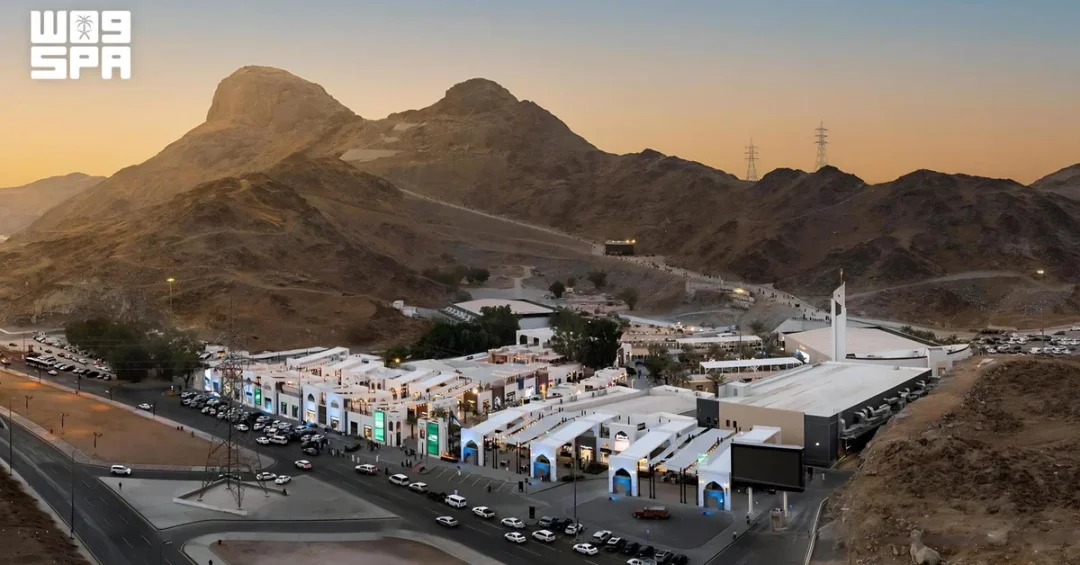
Autumn events at the Hira Cultural District in Makkah are drawing record numbers of visitors from across Saudi Arabia and around the world, according to the Saudi Press Agency (SPA), underscoring the Kingdom’s growing appeal as a destination for cultural and historical tourism. The district, located near the iconic Hira Cave, has become a focal point for pilgrims and tourists seeking a deeper understanding of Islamic heritage, combining knowledge, entertainment, and spiritual enrichment in a single, immersive experience.
Have you ever wondered what makes Makkah’s cultural landscape so compelling beyond the Hajj and Umrah seasons? The Hira Cultural District offers an answer. Its autumn programming, which runs through the cooler months, features a rich array of exhibitions, guided tours, and educational activities designed to illuminate the life of Prophet Muhammad (peace be upon him) and the early history of Islam. The district’s museums, particularly the Holy Quran Museum, have emerged as standout attractions, showcasing rare manuscripts, the history of Quranic transcription and compilation, and the exquisite beauty of Arabic calligraphy. This surge in visitation reflects a broader trend: travelers are increasingly seeking meaningful, knowledge-rich experiences that connect them to the spiritual and historical roots of the region.
Context and Background
Why has the Hira Cultural District become such a magnet for visitors this autumn? The answer lies in a combination of strategic vision, meticulous development, and a global resurgence of interest in cultural heritage. The district was established as part of Saudi Arabia’s broader efforts to preserve and promote Islamic history while offering modern, engaging experiences for a diverse audience. Located in the heart of Makkah, near the cave where the first revelation descended upon Prophet Muhammad (peace be upon him), the site holds immense religious significance for Muslims worldwide. However, its appeal extends beyond pilgrimage; it serves as an educational and cultural hub that welcomes visitors of all backgrounds.
The Holy Quran Museum, a centerpiece of the district, provides a comprehensive journey through the history of the Quran. Exhibits trace the transcription and compilation of the holy text, displaying rare manuscripts that highlight the evolution of Arabic calligraphy and the dedication of early scholars. Visitors can also explore the history of the Hira Cave through detailed displays that contextualize its religious and historical importance. These offerings are not merely static exhibits; they are interactive, narrative-driven experiences that bring the past to life, making them particularly attractive to families, students, and international tourists.
Makkah has long been a destination for spiritual journeys, but the Hira Cultural District represents a deliberate expansion of that identity. By investing in cultural infrastructure, Saudi Arabia is signaling that the city is not only a place of worship but also a repository of knowledge and a gateway to understanding Islamic civilization. This aligns with the Kingdom’s Vision 2030, which seeks to diversify the economy, boost tourism, and enhance the quality of life for citizens and visitors alike. The autumn events are a testament to these efforts, drawing crowds that might otherwise have overlooked Makkah as a cultural destination.
Key Details
What exactly can visitors expect when they step into the Hira Cultural District this season? The autumn calendar is packed with activities that cater to a wide range of interests. The Holy Quran Museum, for instance, offers guided tours in multiple languages, allowing international guests to fully appreciate the nuances of Quranic history. Rare manuscripts, some dating back centuries, are displayed alongside digital interactives that explain the art of calligraphy and the meticulous process of preserving ancient texts. The museum also hosts workshops where visitors can try their hand at Arabic calligraphy, providing a hands-on connection to the heritage on display.
Beyond the museum, the district features a series of outdoor and indoor exhibitions that chronicle the life of Prophet Muhammad (peace be upon him) and the early Islamic era. These displays use cutting-edge technology, including virtual reality and augmented reality, to recreate historical scenes and offer immersive storytelling. For example, visitors can virtually visit the Hira Cave and learn about the moment of the first revelation in a respectful, educational manner. The district also includes a cultural village that showcases traditional crafts, cuisine, and music, giving guests a taste of Saudi hospitality and heritage.
The growing turnout is not limited to international tourists; many visitors are Saudi nationals and residents from other parts of the Kingdom who are eager to explore their own heritage. Schools and universities have organized field trips, and families have made the district a weekend destination. This local engagement is crucial, as it fosters a sense of pride and connection to the nation’s history. The autumn events have also attracted media attention, with the Saudi Press Agency reporting on the rising numbers and the positive feedback from visitors. The district’s success is a clear indication that cultural tourism is thriving in Makkah.
International and Regional Impact
How does the success of the Hira Cultural District resonate beyond Saudi Arabia’s borders? The district’s growing popularity is part of a larger regional trend where countries are investing in cultural heritage to attract tourists and diversify their economies. In the Middle East, nations are increasingly recognizing that cultural tourism can be a powerful driver of economic growth and soft power. Saudi Arabia, with its rich Islamic history and ambitious Vision 2030, is well-positioned to lead in this arena. The Hira Cultural District serves as a model for how to blend preservation with modernization, offering a blueprint that other countries might follow.
For international visitors, the district provides a unique opportunity to experience Islamic history in an accessible and engaging way. Many travelers from non-Muslim countries may have limited knowledge of Islamic heritage, and the district’s educational approach helps bridge cultural gaps. By presenting the history of the Quran and the life of Prophet Muhammad (peace be upon him) in a respectful, informative manner, the district fosters intercultural dialogue and understanding. This soft power dimension is invaluable, as it promotes a positive image of Saudi Arabia and the wider Islamic world. Moreover, the influx of tourists supports local businesses, creates jobs, and stimulates the economy, contributing to the Kingdom’s broader economic diversification goals.
Economic and Strategic Significance
What does the rising visitor count mean for Saudi Arabia’s economy and strategic objectives? Tourism is a key pillar of Vision 2030, which aims to increase the sector’s contribution to GDP and create employment opportunities for Saudi citizens. The Hira Cultural District, by attracting both domestic and international tourists, is directly supporting these goals. The autumn events, in particular, extend the tourism season beyond the traditional pilgrimage periods, ensuring a more consistent flow of visitors throughout the year. This helps hotels, restaurants, and retail outlets in Makkah maintain steady business, reducing seasonality and boosting overall economic resilience.
Furthermore, the district’s emphasis on cultural and historical tourism aligns with the Kingdom’s efforts to diversify its offerings beyond religious pilgrimage. While Hajj and Umrah remain central, the development of cultural attractions like the Hira Cultural District adds a new dimension to the visitor experience, encouraging longer stays and repeat visits. This, in turn, increases spending and multiplies the economic impact. The district also serves as a showcase for Saudi innovation in museum design and interactive technology, potentially attracting investment and partnerships in the cultural sector. Strategically, it reinforces Saudi Arabia’s role as a custodian of Islamic heritage and a leader in cultural diplomacy.
Vision 2030 Alignment
How does the Hira Cultural District embody the aspirations of Saudi Vision 2030? At its core, Vision 2030 is about transforming the Kingdom into a diversified, knowledge-based economy and a global hub for tourism and culture. The district is a concrete example of this vision in action. It preserves and promotes Islamic heritage, educates visitors, and creates economic opportunities, all while enhancing the quality of life for citizens and residents. By investing in such projects, Saudi Arabia is not only preserving its past but also building its future, ensuring that its rich history remains a source of inspiration and pride for generations to come.
The district’s success also highlights the importance of community engagement and youth empowerment, both key themes of Vision 2030. Many of the guides, curators, and event organizers are young Saudis who have received training in hospitality, tourism, and cultural management. Their involvement ensures that the heritage is presented authentically and with passion. As the autumn events continue to draw crowds, they demonstrate that Saudi Arabia’s cultural sector is vibrant and capable of competing on a global stage. The Hira Cultural District is more than a tourist attraction; it is a symbol of the Kingdom’s commitment to honoring its past while embracing a prosperous and open future. With each visitor who walks through its doors, the vision of a culturally rich and economically diverse Saudi Arabia becomes ever more tangible.
20 Questions
Q1. What is the Hira Cultural District?
A1. The Hira Cultural District is a cultural and historical destination in Makkah, Saudi Arabia, featuring museums and exhibitions that highlight Islamic heritage, including the Holy Quran Museum and the history of the Hira Cave.
Q2. Why are autumn events at the district attracting more visitors?
A2. The autumn events offer a blend of knowledge, entertainment, and tourism, with cooler weather and special programming that draws both domestic and international visitors seeking cultural and spiritual enrichment.
Q3. What is the Holy Quran Museum?
A3. The Holy Quran Museum is a key attraction within the district that showcases the history of the Quran, its transcription and compilation, and rare manuscripts, highlighting the beauty of Arabic calligraphy.
Q4. What can visitors learn about the Hira Cave at the district?
A4. Visitors can explore the history of the Hira Cave, where the first revelation descended upon Prophet Muhammad (peace be upon him), through displays that emphasize its religious and historical significance.
Q5. How does the district support Saudi Vision 2030?
A5. It supports Vision 2030 by boosting cultural tourism, diversifying the economy, creating jobs, and enhancing the quality of life, while preserving and promoting Islamic heritage.
Q6. Are the autumn events only for Muslims?
A6. No, the district welcomes visitors of all backgrounds, offering educational and cultural experiences that foster intercultural understanding and respect for Islamic history.
Q7. What types of exhibits are featured in the district?
A7. Exhibits include rare Quranic manuscripts, interactive displays on the life of Prophet Muhammad (peace be upon him), virtual reality experiences of the Hira Cave, and traditional crafts and cuisine.
Q8. How has the local community responded to the district?
A8. The local community has embraced the district, with schools organizing field trips and families visiting regularly, fostering pride in Saudi heritage and supporting local businesses.
Q9. What economic benefits does the district bring to Makkah?
A9. It extends the tourism season beyond pilgrimage periods, supporting hotels, restaurants, and retail, creating jobs, and contributing to the diversification of the local economy.
Q10. Is the district accessible to international tourists?
A10. Yes, the district offers guided tours in multiple languages and is designed to be accessible and informative for international visitors, enhancing their understanding of Islamic culture.
Q11. What role does technology play in the district’s exhibits?
A11. Technology, including virtual and augmented reality, is used to create immersive experiences, such as virtual visits to the Hira Cave and interactive calligraphy workshops.
Q12. How does the district preserve Islamic heritage?
A12. It preserves heritage by safeguarding rare manuscripts, documenting the history of the Quran, and presenting the life of Prophet Muhammad (peace be upon him) through accurate, respectful exhibits.
Q13. What are the opening hours of the district?
A13. Opening hours vary, but the district typically welcomes visitors throughout the day and into the evening, with extended hours during autumn events to accommodate increased turnout.
Q14. Are there guided tours available?
A14. Yes, guided tours are available in multiple languages, led by trained Saudi guides who provide context and insights into the exhibits and the district’s significance.
Q15. How does the district contribute to Saudi Arabia’s soft power?
A15. By offering a respectful and engaging presentation of Islamic history, the district fosters intercultural dialogue and promotes a positive image of Saudi Arabia globally, enhancing its soft power.
Q16. What is the significance of the Hira Cave in Islam?
A16. The Hira Cave is where Prophet Muhammad (peace be upon him) received the first revelation from God, making it one of the most sacred sites in Islamic history.
Q17. Can visitors participate in calligraphy workshops?
A17. Yes, the Holy Quran Museum hosts workshops where visitors can learn the basics of Arabic calligraphy, connecting them hands-on with the heritage on display.
Q18. How does the district cater to families?
A18. The district offers family-friendly activities, including interactive exhibits, cultural performances, and dining options, making it an ideal destination for visitors of all ages.
Q19. What makes the autumn season special at the district?
A19. The autumn season features cooler weather and a packed calendar of special events, exhibitions, and workshops, attracting larger crowds and enhancing the overall visitor experience.
Q20. How can international visitors learn more about the district?
A20. International visitors can find information through the Saudi Press Agency, official tourism websites, and travel guides, or by contacting the district directly for details on tours and events.
Reader Feedback
We value your thoughts. Please share your feedback on this article.
Your feedback helps us improve our coverage.
Related articles
 Ministry of Tourism Adds Five Services to Tawakkalna App
 Madinah Mountains: Natural Beauty, Islamic History
 Wasm Hail 2026: Qareh Trail Hike Showcases Natural Beauty
 Jubail Hills Festival Draws High Turnout
 Hail Authority Unveils Smart Robot, App at Wasm Hail 2026
 Wasm Hail Events Attract Nearly 13,000 Visitors on Fourth Day