


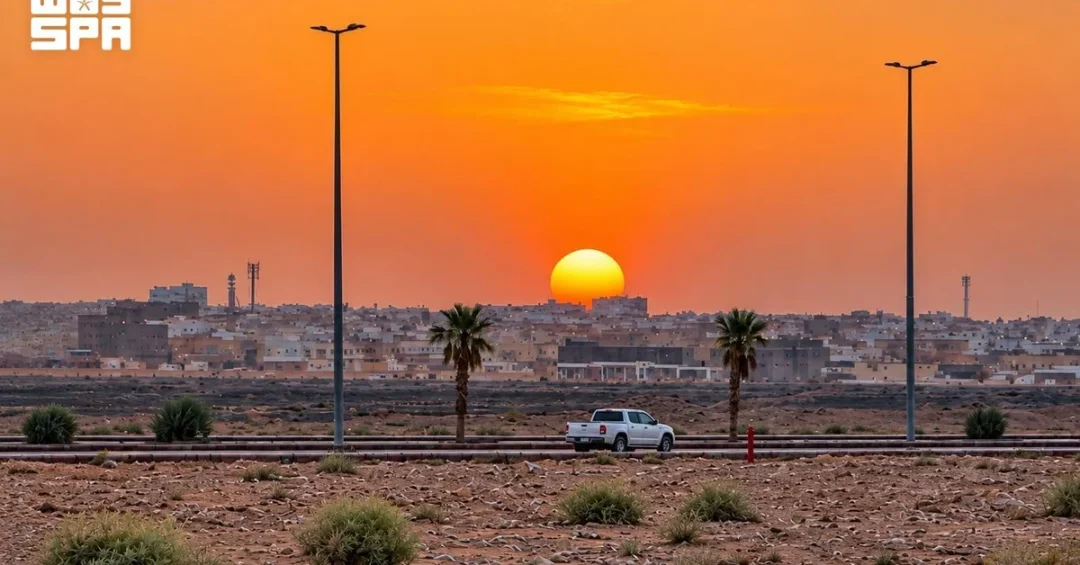
Turaif Governorate in Saudi Arabia’s Northern Borders Region is currently witnessing spectacular sunsets that paint the sky in vivid shades of gold, orange, and red, drawing photography enthusiasts and nature lovers to its open landscapes as winter approaches. The phenomenon, reported by the Saudi Press Agency (SPA), highlights the region’s natural beauty and its growing appeal as a destination for outdoor recreation and eco-tourism. With temperatures gradually dropping, residents and visitors are taking advantage of the cooler evenings to enjoy the changing scenery and capture the breathtaking views.
Have you ever witnessed a sunset so vibrant it feels almost surreal? In Turaif, this daily spectacle is becoming a seasonal attraction, offering a serene escape from the bustle of city life. As autumn transitions into winter, the skies over the Northern Borders Region transform into a canvas of warm hues, creating picturesque scenes that are increasingly being shared across social media and photography platforms. This natural display not only underscores the Kingdom’s diverse landscapes but also aligns with Saudi Arabia’s broader efforts to promote domestic tourism and showcase its hidden gems to the world.
Context and Background
What makes Turaif’s sunsets so special? Located in the far north of Saudi Arabia, near the borders with Jordan and Iraq, Turaif is known for its vast desert plains and clear skies. During the autumn and winter months, the angle of the sun and the atmospheric conditions create a unique interplay of light, resulting in prolonged and intensely colored sunsets. This seasonal phenomenon is not new to locals, but it is gaining wider attention as more people seek authentic natural experiences. The Saudi Press Agency reported that the skies are taking on a striking palette, prompting residents to spend time outdoors and enjoy the beauty of the sunset.
The Northern Borders Region, with Turaif as its administrative capital, has historically been a strategic area, but in recent years, it has also emerged as a potential hub for tourism. The region’s pristine environment and traditional Bedouin culture offer a contrast to the urban centers of Riyadh, Jeddah, and Dammam. As the Kingdom invests in infrastructure and promotes domestic travel under Vision 2030, areas like Turaif are poised to benefit from increased visitor interest. The sunset views are just one aspect of the region’s appeal, which also includes archaeological sites, nature reserves, and opportunities for stargazing.
Why are these sunsets capturing attention now? The timing coincides with a broader push by Saudi authorities to diversify tourism offerings beyond the well-known Red Sea and AlUla. The cooler months from November to February are ideal for exploring the desert, and Turaif’s sunsets provide a compelling reason to visit. Moreover, the SPA’s coverage signals official recognition of the region’s potential, encouraging both domestic and international travelers to discover the Northern Borders. As winter approaches, the drop in temperature makes outdoor activities more comfortable, and the extended golden hours offer perfect conditions for photography and nature appreciation.
Key Details
What exactly can visitors expect in Turaif this season? According to the Saudi Press Agency, the sunsets feature a striking palette of gold, orange, and red, creating picturesque scenes that draw photography enthusiasts and nature lovers outdoors. The gradual drop in temperatures is prompting residents to spend time at open-air spots, where they can enjoy the changing scenery and take in the beauty of the sunset. This natural display is best observed from elevated vantage points or open desert areas, where the horizon is unobstructed. Local guides and photography clubs are reportedly organizing outings to capture the phenomenon, and social media is abuzz with stunning images.
The SPA report, dated November 25, 2026, highlights that the skies over Turaif Governorate are taking on these vibrant colors as autumn draws to a close. The article notes that temperatures are gradually dropping, making outdoor activities more pleasant. This is part of a seasonal pattern that repeats annually, but each year seems to bring its own unique variations. The report does not specify exact locations for the best views, but popular spots include the outskirts of the city and nearby desert areas. The phenomenon is not limited to Turaif; other parts of the Northern Borders Region may also experience similar sunsets, but Turaif’s relatively flat terrain and clear air make it particularly conducive.
How can one make the most of this experience? For photography enthusiasts, the key is to arrive early and find a spot with a clear western horizon. The colors intensify just before the sun dips below the horizon and continue for about 20-30 minutes after sunset, a period known as the golden hour and blue hour. Nature lovers can simply relax and soak in the tranquil atmosphere. The SPA report emphasizes that residents are taking advantage of the open-air spots, indicating a communal appreciation for this natural wonder. As winter approaches, the sunsets may become even more dramatic due to clearer skies and lower humidity, offering a perfect backdrop for outdoor gatherings and cultural events.
International and Regional Impact
Could Turaif’s sunsets become a draw for international tourists? While the region is not yet a major international destination, the growing interest in sustainable and nature-based tourism aligns with global trends. Saudi Arabia’s Vision 2030 aims to attract 100 million visitors annually by 2030, and unique natural phenomena like these can help diversify the tourism portfolio. The Northern Borders Region shares cultural and historical ties with neighboring Jordan and Iraq, and cross-border tourism could be developed in the future. The SPA’s report brings attention to an area that is often overlooked, potentially sparking curiosity among travelers seeking off-the-beaten-path experiences.
Regionally, the phenomenon underscores the ecological richness of the Arabian Peninsula. The Arabian Peninsula is often perceived as solely arid, but its desert landscapes host remarkable atmospheric and astronomical events. By highlighting Turaif’s sunsets, Saudi Arabia showcases its environmental diversity and commitment to preserving natural heritage. This can enhance regional cooperation in tourism and environmental protection. Moreover, the coverage by SPA, the Kingdom’s official news agency, signals that such natural attractions are part of the national narrative, promoting pride and encouraging domestic exploration. As neighboring countries also invest in tourism, Saudi Arabia’s unique offerings can complement rather than compete, fostering a more integrated regional tourism market.
Economic and Strategic Significance
What economic benefits could arise from promoting Turaif’s sunsets? Tourism is a key pillar of Vision 2030, and even niche attractions like sunset viewing can stimulate local economies. Increased visitor traffic can support small businesses, such as hotels, restaurants, and tour operators, creating jobs and income for residents. The Northern Borders Region has untapped potential, and showcasing its natural beauty can attract investment in infrastructure and services. Additionally, photography tourism is a growing segment, with enthusiasts willing to travel for unique shots. By developing viewing platforms, guided tours, and photography workshops, Turaif can position itself as a premier destination for sunset photography, extending visitor stays and boosting spending.
Strategically, the promotion of Turaif aligns with Saudi Arabia’s efforts to decentralize tourism and spread economic benefits across the Kingdom. Most tourism activity is concentrated in major cities and established destinations, but Vision 2030 calls for balanced regional development. Turaif’s sunsets offer a low-cost, high-impact attraction that requires minimal infrastructure investment. The SPA report serves as free publicity, encouraging domestic travel during the winter season. Furthermore, the focus on natural phenomena promotes environmental awareness and conservation, which are integral to sustainable development. As the Kingdom continues to open up, such authentic experiences will differentiate Saudi Arabia from other destinations, appealing to travelers seeking genuine connections with nature and culture.
Vision 2030 Alignment
How does this align with Saudi Arabia’s long-term vision? The Vision 2030 plan, spearheaded by Crown Prince Mohammed bin Salman, seeks to diversify the economy away from oil, with tourism as a cornerstone. The Northern Borders Region, including Turaif, is part of the strategy to develop less-visited areas and create new opportunities. The SPA’s report on the vibrant sunsets is a small but meaningful example of how natural assets can be leveraged for tourism. By highlighting these scenes, the Kingdom encourages citizens and residents to explore their own country, fostering national pride and supporting local economies. It also sends a message to the world that Saudi Arabia is a land of diverse beauty, ready to welcome visitors.
Ultimately, the sunsets over Turaif symbolize the dawn of a new era for the region. As winter approaches, the skies become a canvas of gold, orange, and red, inviting all to pause and appreciate nature’s artistry. This simple yet profound phenomenon reflects the Kingdom’s broader journey of transformation, where every corner has a story to tell and a beauty to share. With continued investment and promotion, Turaif and the Northern Borders Region can emerge as must-visit destinations, contributing to the success of Vision 2030 and enriching the lives of all who experience their wonders. So, will you be among those who witness this spectacle firsthand? The invitation is open, and the sunsets are waiting.
20 Questions
Q1. What is the main natural phenomenon described in the article?
A1. The article describes vibrant sunsets over Turaif Governorate in Saudi Arabia’s Northern Borders Region, featuring striking gold, orange, and red hues that attract photography enthusiasts and nature lovers as winter approaches.
Q2. Where is Turaif located?
A2. Turaif is located in the Northern Borders Region of Saudi Arabia, near the borders with Jordan and Iraq. It is the administrative capital of the region and is known for its vast desert plains and clear skies.
Q3. When was the report about the sunsets published?
A3. The report was published by the Saudi Press Agency on November 25, 2026, at 22:35 local time (19:35 GMT). It highlights the seasonal beauty of the sunsets as autumn ends and winter begins.
Q4. Why are the sunsets particularly vibrant in Turaif?
A4. The vibrant sunsets are due to the angle of the sun, clear desert air, and low humidity during autumn and winter. These conditions create an intense interplay of light, resulting in prolonged and colorful displays.
Q5. Who is drawn to these sunsets?
A5. Photography enthusiasts and nature lovers are drawn to the sunsets, along with local residents who enjoy spending time outdoors in the cooler temperatures. The scenes are increasingly shared on social media.
Q6. How does the weather change as winter approaches?
A6. As winter approaches, temperatures gradually drop, making outdoor activities more comfortable. This prompts residents to spend more time at open-air spots to enjoy the changing scenery and sunset views.
Q7. What is the significance of the Saudi Press Agency’s coverage?
A7. The SPA’s coverage signals official recognition of the region’s natural beauty and its potential for tourism. It encourages domestic and international visitors to explore the Northern Borders Region and supports Vision 2030 tourism goals.
Q8. How does this phenomenon align with Vision 2030?
A8. It aligns with Vision 2030 by promoting domestic tourism, diversifying regional economies, and showcasing Saudi Arabia’s natural diversity. It encourages exploration of less-visited areas and supports sustainable development.
Q9. What activities can visitors enjoy in Turaif besides sunset viewing?
A9. Visitors can explore archaeological sites, nature reserves, and traditional Bedouin culture. The region also offers opportunities for stargazing, desert camping, and photography, making it a diverse destination for nature and culture enthusiasts.
Q10. Are there any specific spots recommended for viewing the sunsets?
A10. While the SPA report does not specify exact spots, popular locations include the outskirts of Turaif and nearby desert areas with unobstructed western horizons. Elevated vantage points offer the best panoramic views.
Q11. How long do the vibrant colors last during sunset?
A11. The most intense colors appear just before the sun dips below the horizon and can last for about 20-30 minutes after sunset, known as the golden hour and blue hour, providing ample time for photography.
Q12. What economic benefits could this bring to the local community?
A12. Increased tourism can support local businesses such as hotels, restaurants, and tour operators, creating jobs and income. It can also attract investment in infrastructure and services, boosting the regional economy.
Q13. Is Turaif accessible for international tourists?
A13. Yes, Turaif is accessible via domestic flights and roads. As Saudi Arabia opens up under Vision 2030, international tourists can obtain visas and travel to the region, though infrastructure is still developing.
Q14. How does this phenomenon reflect Saudi Arabia’s environmental diversity?
A14. It showcases that Saudi Arabia is not just arid desert but has diverse landscapes with unique atmospheric conditions. The sunsets highlight the beauty of the Northern Borders Region and its ecological richness.
Q15. What role does social media play in promoting Turaif’s sunsets?
A15. Social media amplifies the reach of these stunning images, attracting photography enthusiasts and travelers. It serves as a powerful tool for destination marketing, showcasing the Kingdom’s natural beauty to a global audience.
Q16. Are there any cultural events associated with the sunset viewing?
A16. The SPA report does not mention specific events, but local communities may organize gatherings. As tourism develops, cultural events such as poetry readings or traditional music could be integrated with sunset viewings.
Q17. How does the Northern Borders Region fit into Saudi Arabia’s tourism strategy?
A17. The region is part of the strategy to decentralize tourism and develop less-visited areas. Its natural attractions, including sunsets, complement other destinations and help achieve the goal of 100 million annual visitors by 2030.
Q18. What is the best time of year to visit Turaif for sunsets?
A18. The best time is from November to February, when temperatures are cooler and skies are clearer. This period coincides with autumn’s end and winter’s approach, offering the most vibrant sunset colors.
Q19. How can photographers capture the best sunset shots in Turaif?
A19. Photographers should arrive early, use a tripod, and set a low ISO for sharpness. They can experiment with composition, including silhouettes of desert flora or local architecture, to enhance the dramatic colors.
Q20. What does the future hold for tourism in Turaif?
A20. With continued investment and promotion under Vision 2030, Turaif is poised to become a notable destination for nature and photography tourism. Sustainable development will ensure that its natural beauty is preserved for future generations.
Reader Feedback
We value your thoughts. Please share your feedback on this article.
Your feedback helps us improve our coverage.
Related articles
 Ministry of Tourism Adds Five Services to Tawakkalna App
 Madinah Mountains: Natural Beauty, Islamic History
 Wasm Hail 2026: Qareh Trail Hike Showcases Natural Beauty
 Jubail Hills Festival Draws High Turnout
 Hail Authority Unveils Smart Robot, App at Wasm Hail 2026
 Wasm Hail Events Attract Nearly 13,000 Visitors on Fourth Day