


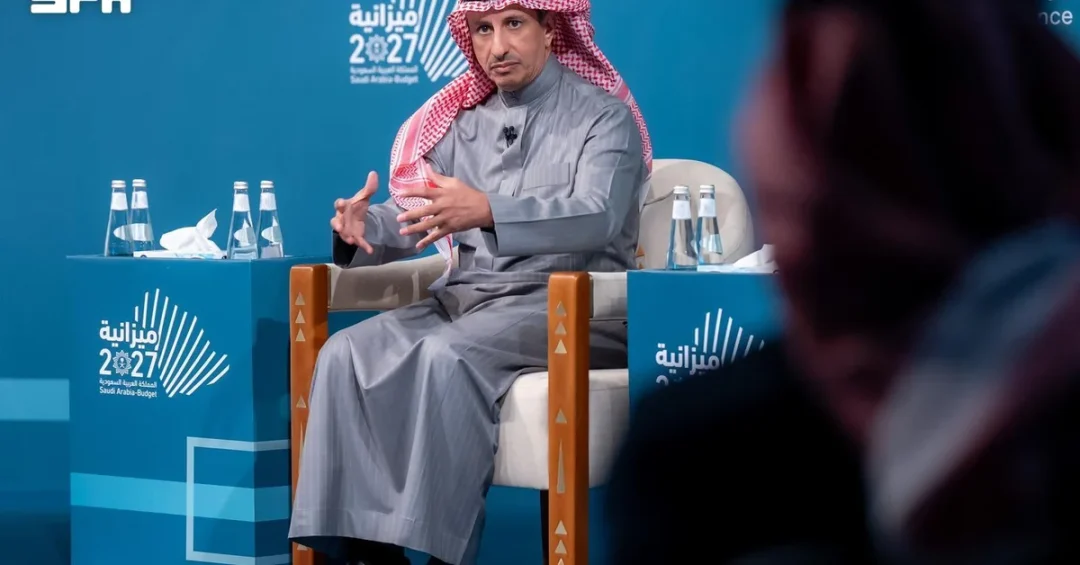
Saudi Arabia has recorded the highest global growth in inbound tourist arrivals between 2019 and the end of 2025, according to United Nations Tourism reports cited by Minister of Tourism Ahmed Al-Khateeb during the Budget 2027 Forum in Riyadh. The announcement, released via the Saudi Press Agency, underscores the Kingdom’s rapid transformation into one of the world’s most dynamic tourism destinations and confirms that the sector’s expansion is outpacing every other nation on earth. Could any other country match this unprecedented pace of growth? The figures speak for themselves, and they arrive as Saudi Arabia accelerates toward its Vision 2030 targets.
Speaking on a panel discussion focused on investment opportunities in promising sectors, Minister Al-Khateeb detailed how the National Tourism Strategy, launched in 2019, has delivered sustained growth year after year. The Kingdom welcomed 100 million tourists in 2024, achieving its original target six years ahead of schedule. By the end of 2025, tourist numbers had climbed to 123 million, up from approximately 90 million in 2019. Tourism spending rose from around SAR120 billion in 2019 to SAR304 billion in 2025, with a target of SAR550 billion by 2030. These figures reflect a sector that has become a cornerstone of Saudi Arabia’s economic diversification and a testament to the clarity of Vision 2030.
Context and Background
How did Saudi Arabia transform its tourism sector so rapidly in just six years? The answer lies in a comprehensive, government-led strategy that began with the launch of the National Tourism Strategy in 2019. Before that, the Kingdom’s tourism sector was largely limited to religious pilgrimage, with minimal infrastructure for leisure travelers. The strategy introduced a bold vision: to make Saudi Arabia a top global destination by 2030. It involved extensive legislative and regulatory reforms, including the introduction of the electronic tourist visa in 2019, which streamlined entry procedures for visitors from around the world. The Tourism Law, announced in 2023, further provided clarity and stability for investors, creating a transparent environment for both local and international businesses.
These reforms were complemented by the establishment of the Tourism Development Fund, which has supported more than 300 major projects and over 1,000 small and medium-sized enterprises (SMEs) with long-term, low-cost financing. The minister emphasized that SMEs are vital to the travel and tourism ecosystem, driving innovation and local employment. Additionally, the government invested heavily in human capital, raising minimum wages, developing career paths, and expanding training programs that aim to qualify around 100,000 young Saudi men and women annually, including opportunities at leading international specialized institutes. This holistic approach has not only attracted global hotel brands but also empowered Saudi citizens to participate in and benefit from the sector’s growth.
The results have been remarkable. Employment in the tourism sector grew from 750,000 in 2019 to one million in 2025, with 250,000 new jobs created and more than 200,000 hotel rooms added over the past five years. More than 50 new hotel brands have entered the Kingdom, doubling the number of hotel rooms operated by several international groups and expanding investments in Makkah, Madinah, Riyadh, and the Red Sea. These developments have enhanced the competitiveness of Saudi cities among global tourist destinations, offering world-class accommodation, shopping, dining, and entertainment options. The foundation laid since 2019 has positioned Saudi Arabia as a leader in global tourism, and the momentum shows no signs of slowing.
Key Details
What specific achievements did Minister Al-Khateeb highlight during the Budget 2027 Forum? He noted that Saudi Arabia recorded the highest global growth in inbound tourist numbers between 2019 and the end of 2025, according to UN Tourism reports. This distinction places the Kingdom ahead of all other nations in terms of percentage increase, reflecting the effectiveness of its tourism strategy and the appeal of its diverse offerings. The minister also pointed to the completion of major projects in Diriyah, Qiddiya, and the Red Sea, which will further enhance the competitiveness of accommodation options and services available to tourists. These giga-projects are set to redefine luxury and cultural tourism, offering experiences that blend heritage with modernity.
Infrastructure development has been a critical enabler. The expansion of existing airports and the construction of new ones, including King Salman International Airport and Aseer Airport, as well as the operation of Red Sea International Airport, are expanding capacity and connectivity. The launch of Riyadh Air and the expansion of Saudia’s fleet are increasing international reach, while the Air Connectivity Program encourages international airlines to operate direct flights to Saudi tourist destinations. These efforts are essential to achieving the target of attracting 150 million tourists by 2030. The minister stressed that improvements in infrastructure and the development of transport, accommodation, shopping, restaurant, and café options have strengthened the competitiveness of Saudi cities. With more than 500 hotels opened and over 100,000 hotel rooms now available, and work underway to build an additional 200,000 rooms by 2030, the Kingdom is well on its way to meeting future demand.
Human capital development remains a priority. The minister described tourism as one of the key sectors that reflect the culture and history of nations, and emphasized the importance of developing and qualifying national talent. Efforts to raise minimum wages, develop career paths, and expand training programs aim to train around 100,000 young Saudi men and women annually. This focus on human capital ensures that the sector’s growth is sustainable and inclusive, providing meaningful opportunities for Saudi citizens. The combination of infrastructure, investment, and talent development has created a virtuous cycle, where each element reinforces the others, driving the sector forward.
International and Regional Impact
How does Saudi Arabia’s tourism growth affect the broader Middle East and the global travel industry? The Kingdom’s emergence as a top destination is reshaping regional tourism dynamics. Neighboring countries are observing Saudi Arabia’s success and may seek to emulate its strategies, fostering healthy competition and collaboration. The influx of international visitors to Saudi Arabia also boosts demand for regional airlines and travel services, creating economic spillovers. Moreover, the Kingdom’s preparations to host Expo 2030 and the FIFA World Cup 2034 are generating global attention, positioning Saudi Arabia as a hub for major events. These mega-events will draw millions of visitors, further solidifying the Kingdom’s status as a premier destination.
On the global stage, Saudi Arabia’s achievement of the highest growth in inbound tourist arrivals between 2019 and 2025, as reported by UN Tourism, signals a shift in global travel patterns. The Kingdom is now competing with established destinations in Europe, Asia, and the Americas, offering unique cultural, heritage, and entertainment experiences. The minister’s emphasis on the clarity of Vision 2030 and the targets set by His Royal Highness Prince Mohammed bin Salman bin Abdulaziz Al Saud, Crown Prince and Prime Minister, highlights the strategic direction that has enabled this success. International investors and hotel brands are taking notice, with more than 50 new hotel brands entering the market. This global engagement not only benefits Saudi Arabia but also enriches the worldwide tourism landscape by adding a new, vibrant destination.
Economic and Strategic Significance
Why is tourism so critical to Saudi Arabia’s economic future? Tourism is one of the world’s largest job-creating sectors, accounting for around 10% of the global workforce, according to UN Tourism. In Saudi Arabia, the sector has become a key pillar of economic diversification, reducing dependence on oil revenues. The rise in tourism spending from SAR120 billion in 2019 to SAR304 billion in 2025, with a target of SAR550 billion by 2030, demonstrates the sector’s growing contribution to GDP. Employment growth from 750,000 to one million jobs further illustrates the sector’s role in creating opportunities for Saudi citizens. The Tourism Development Fund’s support for over 300 major projects and more than 1,000 SMEs has catalyzed private sector investment, fostering a dynamic business environment.
Strategically, the development of tourism supports Saudi Arabia’s broader geopolitical and economic goals. By attracting international visitors, the Kingdom enhances its soft power and cultural diplomacy. The expansion of airports, airlines, and hospitality infrastructure not only serves tourists but also improves connectivity for business travelers and residents. The minister noted that the regulatory environment, incentive provisions, and lower costs for investors have helped attract investment and turn opportunities into projects on the ground. The Kingdom’s strategic geographical location, at the crossroads of Europe, Asia, and Africa, makes it an ideal gateway for travelers. As Saudi Arabia continues to invest in tourism, it is building a sustainable, diversified economy that will benefit future generations.
Vision 2030 Alignment
How does the tourism sector’s success embody the goals of Saudi Vision 2030? Vision 2030, launched in 2016 under the leadership of His Royal Highness Prince Mohammed bin Salman bin Abdulaziz Al Saud, Crown Prince and Prime Minister, aims to diversify the national economy and reduce reliance on oil. Tourism is one of the key sectors identified to achieve this transformation, alongside culture, sports, and entertainment. The minister stressed that the clarity of Vision 2030 and the targets set by the Crown Prince have facilitated the implementation of plans and helped achieve many of the tourism sector’s objectives. The early achievement of the 100 million tourist target in 2024, six years ahead of schedule, is a clear indication that the Vision’s ambitious goals are attainable. The ongoing development of giga-projects like Diriyah, Qiddiya, and the Red Sea, as well as preparations for Expo 2030 and the FIFA World Cup 2034, are all aligned with Vision 2030’s aim to position Saudi Arabia as a global leader.
Looking ahead, the Kingdom’s target of attracting 150 million tourists by 2030 and increasing tourism spending to SAR550 billion will require continued investment in infrastructure, human capital, and marketing. The minister’s remarks at the Budget 2027 Forum underscore the government’s commitment to supporting the sector through policies that foster investment and innovation. As Saudi Arabia continues to open up to the world, it is not only sharing its rich culture and heritage but also building bridges of understanding and cooperation. The tourism sector’s growth is a shining example of Vision 2030 in action, and it promises to deliver lasting benefits for the Kingdom and the world. With such remarkable progress, one might ask: what limits remain for a nation so determined to welcome the world?
20 Questions
Q1. What did Minister of Tourism Ahmed Al-Khateeb announce regarding Saudi Arabia’s tourism growth?
A1. He announced that Saudi Arabia recorded the highest global growth in inbound tourist arrivals between 2019 and the end of 2025, according to UN Tourism reports, during the Budget 2027 Forum in Riyadh.
Q2. How many tourists did Saudi Arabia attract in 2024?
A2. Saudi Arabia attracted 100 million tourists in 2024, achieving its target six years ahead of the original 2030 deadline set under the National Tourism Strategy.
Q3. What was the number of tourists in 2025 compared to 2019?
A3. The number of tourists increased from approximately 90 million in 2019 to 123 million in 2025, reflecting sustained growth in the sector.
Q4. How much did tourism spending rise from 2019 to 2025?
A4. Tourism spending rose from around SAR120 billion in 2019 to SAR304 billion in 2025, with a target of SAR550 billion by 2030.
Q5. What role does the Tourism Development Fund play in supporting the sector?
A5. The Tourism Development Fund has supported more than 300 major projects and over 1,000 small and medium-sized enterprises (SMEs) by providing long-term financing at low cost.
Q6. How many new jobs were created in the tourism sector over the past five years?
A6. Investments in the sector created 250,000 new jobs, bringing total employment from 750,000 in 2019 to one million in 2025.
Q7. What infrastructure developments are supporting the tourism target of 150 million tourists by 2030?
A7. Infrastructure developments include the expansion of existing airports, construction of King Salman International Airport and Aseer Airport, operation of Red Sea International Airport, launch of Riyadh Air, and expansion of Saudia’s fleet.
Q8. How many hotel rooms have been added in the past five years?
A8. More than 200,000 hotel rooms have been added over the past five years, with over 500 hotels opened, totaling over 100,000 rooms, and work underway for another 200,000 rooms by 2030.
Q9. What is the significance of the Tourism Law announced in 2023?
A9. The Tourism Law, announced in 2023, provided greater clarity in the investment environment, helping to attract investment and streamline regulations for tourism businesses.
Q10. How does Saudi Arabia’s tourism growth compare globally?
A10. Saudi Arabia recorded the highest global growth in inbound tourist numbers between 2019 and the end of 2025, according to UN Tourism reports, outpacing all other nations.
Q11. What are the key giga-projects enhancing Saudi Arabia’s tourism offerings?
A11. Key giga-projects include Diriyah, Qiddiya, and the Red Sea, which will enhance the competitiveness of accommodation options and services, supporting preparations for Expo 2030 and FIFA World Cup 2034.
Q12. How is Saudi Arabia developing national talent for the tourism sector?
A12. Efforts include raising minimum wages, developing career paths, and expanding training programs to train around 100,000 young Saudi men and women annually, including at leading international specialized institutes.
Q13. What is the Air Connectivity Program and its role?
A13. The Air Connectivity Program encourages international airlines to operate direct flights to tourist destinations in the Kingdom, improving accessibility and boosting visitor numbers.
Q14. How many new hotel brands have entered Saudi Arabia?
A14. More than 50 new hotel brands have entered the Kingdom, doubling the number of hotel rooms operated by several international hotel groups and expanding investments in Makkah, Madinah, Riyadh, and the Red Sea.
Q15. What is the target for tourism spending by 2030?
A15. The target for tourism spending is SAR550 billion by 2030, up from SAR304 billion in 2025, reflecting the sector’s growing contribution to the economy.
Q16. How does Vision 2030 support the tourism sector?
A16. Vision 2030, under the leadership of Crown Prince Mohammed bin Salman, has diversified the economy by developing tourism, culture, sports, and entertainment, providing clear targets that have facilitated rapid achievements.
Q17. What is the role of SMEs in Saudi Arabia’s tourism sector?
A17. SMEs are vital to the travel and tourism sector, supported by the Tourism Development Fund, which provides long-term financing to over 1,000 SMEs, driving innovation and local employment.
Q18. How has the electronic tourist visa contributed to tourism growth?
A18. The electronic tourist visa, introduced as part of legislative reforms, streamlined entry procedures, making it easier for international visitors to travel to Saudi Arabia and boosting inbound arrivals.
Q19. What major events will Saudi Arabia host that will boost tourism?
A19. Saudi Arabia will host Expo 2030 and the FIFA World Cup 2034, which are expected to draw millions of visitors and further solidify the Kingdom’s status as a premier global destination.
Q20. What is the employment target for the tourism sector by 2030?
A20. Employment in the tourism sector grew from 750,000 in 2019 to one million in 2025, supporting the sector’s targets under Vision 2030, with further growth expected as the sector expands.
Reader Feedback
We value your thoughts. Please share your feedback on this article.
Your feedback helps us improve our coverage.
Related articles
 11th Darb Zubaydah Caravan Sets Off with 265 Participants from 20 Countries
 Ministry of Tourism Adds Five Services to Tawakkalna App
 Madinah Mountains: Natural Beauty, Islamic History
 Wasm Hail 2026: Qareh Trail Hike Showcases Natural Beauty
 Jubail Hills Festival Draws High Turnout
 Hail Authority Unveils Smart Robot, App at Wasm Hail 2026