


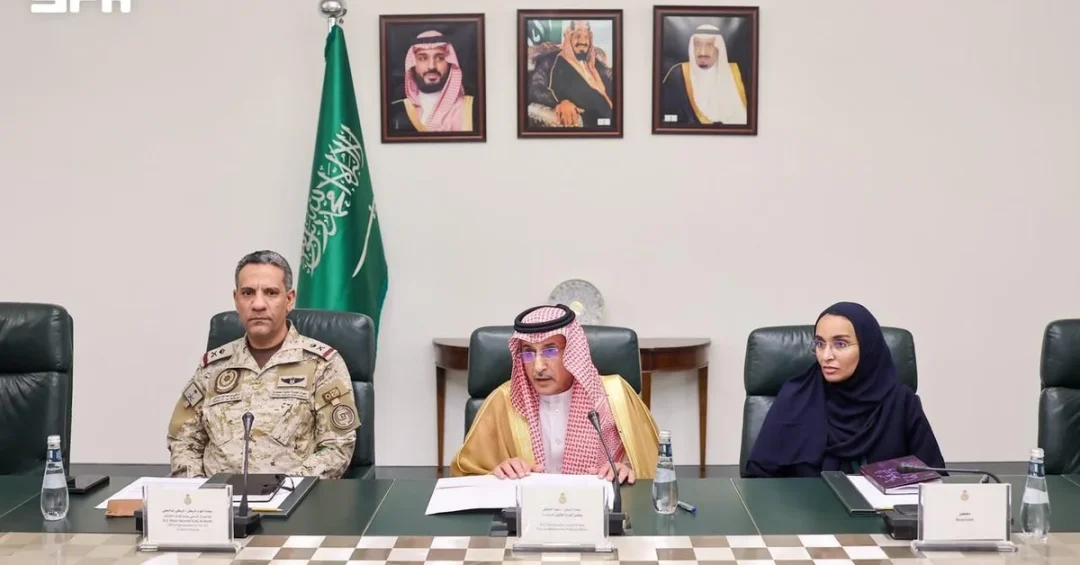
Deputy Minister for Political Affairs at the Ministry of Foreign Affairs Ambassador Dr. Saud Al-Sati briefed ambassadors of countries accredited to the Kingdom of Saudi Arabia on November 25 and 26, 2026, at the ministry’s headquarters in Riyadh, detailing the latest attacks by the terrorist Houthi militia targeting civilians, civilian objects, and vital facilities in the Kingdom. The meetings, attended by Official Spokesperson of the Coalition to Restore Legitimacy in Yemen Major General Turki Al-Malki, underscored the Kingdom’s commitment to transparency and international cooperation in confronting cross-border terrorism. Ambassadors from multiple nations received a comprehensive update on the attacks, which officials described as flagrant violations of international law and deliberate threats to civilian safety. The briefings reflect Saudi Arabia’s proactive diplomacy and its determination to protect its people while upholding regional stability.
Why does Saudi Arabia place such importance on keeping the international community informed about these attacks? The answer lies in the Kingdom’s longstanding policy of transparency and its belief that collective action is essential to counter terrorism. By engaging ambassadors directly, Saudi Arabia ensures that the world understands the gravity of the Houthi threat, not only to the Kingdom but to global security. The meetings also reinforced the broad international condemnation of the militia’s actions and highlighted the solidarity of many nations with Saudi Arabia’s right to defend itself. This diplomatic outreach is part of a broader strategy to build consensus and coordinate efforts to restore legitimacy in Yemen, a key objective of the Coalition.
Context and Background
How did the Houthi militia’s attacks escalate to the point of requiring urgent diplomatic briefings? The Houthis, backed by external parties, have systematically targeted Saudi civilian infrastructure, including airports, oil facilities, and residential areas, using drones and ballistic missiles. These attacks intensified in recent months, prompting the Kingdom to convene ambassadors to present evidence and rally support. The Ministry of Foreign Affairs, under the leadership of Ambassador Dr. Saud Al-Sati, has been at the forefront of these efforts, coordinating with the Coalition to Restore Legitimacy in Yemen, which was established in 2015 to counter the Houthi coup and restore Yemen’s legitimate government. The briefings on November 25 and 26 are a continuation of Saudi Arabia’s diplomatic campaign to expose the militia’s violations and mobilise international action.
The presence of Major General Turki Al-Malki, the Coalition’s official spokesperson, added a military dimension to the discussions. He provided detailed accounts of the attacks, including their frequency, targets, and the advanced weaponry used by the Houthis. The ambassadors were shown evidence of the militia’s disregard for international humanitarian law, including attacks on civilian airports and oil pipelines that threaten global energy supplies. Saudi Arabia has consistently emphasised that these acts are not isolated incidents but part of a broader campaign to destabilise the region. The Kingdom’s efforts to protect its citizens and residents are conducted within the framework of international law, and the briefings serve to document the Houthi violations for the international community.
Why is it crucial for ambassadors to receive this information directly from Saudi officials? Direct engagement ensures that the message is not distorted by misinformation and that diplomats can convey accurate accounts to their capitals. This approach aligns with Saudi Arabia’s Vision 2030 goal of enhancing international partnerships and promoting peace and security. By fostering a shared understanding of the threat, the Kingdom aims to strengthen the global coalition against terrorism and secure support for its defensive measures.
Key Details of the Briefings
What specific messages did Ambassador Dr. Saud Al-Sati and Major General Turki Al-Malki convey to the ambassadors? They stressed that the Houthi attacks constitute a flagrant violation of international law and are terrorist acts that deliberately threaten the security, safety, and lives of civilians. The officials affirmed that the Kingdom will take the necessary measures to protect its security and the safety of its citizens and residents, in accordance with its rights under international law. They also reiterated Saudi Arabia’s unwavering support for the Yemeni people and their legitimate government in confronting the militia’s aggression. The ambassadors were presented with detailed evidence of the attacks, including the types of weapons used and the locations targeted, underscoring the premeditated nature of the Houthi campaign.
The ambassadors responded by reiterating their countries’ condemnation of the attacks and expressing solidarity with the Kingdom in the measures it is taking to counter them. They affirmed their support for Saudi Arabia’s security and stability, recognising the Kingdom’s role as a pillar of regional stability and a key partner in the fight against terrorism. This outpouring of support reflects the international community’s growing recognition of the Houthi threat and the legitimacy of Saudi Arabia’s defensive actions. The meetings concluded with a commitment to continued coordination and information-sharing, ensuring that the international response remains robust and unified.
How do these briefings translate into concrete international action? While the immediate outcome is diplomatic solidarity, the long-term impact includes enhanced intelligence sharing, potential sanctions against Houthi leaders, and increased support for Yemen’s legitimate government. Saudi Arabia’s diplomatic efforts are designed to create a united front that isolates the Houthis and cuts off their sources of funding and weapons. The Kingdom’s emphasis on international law and civilian protection resonates with many nations, paving the way for multilateral initiatives to restore peace in Yemen.
International and Regional Impact
What are the broader implications of these briefings for regional and global security? The Houthi attacks are not just a Saudi concern; they threaten international shipping lanes in the Red Sea, global energy supplies, and the stability of the entire Middle East. By briefing ambassadors, Saudi Arabia is highlighting the interconnectedness of these threats and the need for a collective response. The ambassadors’ solidarity sends a strong message to the Houthis and their backers that the international community stands united against terrorism. This unity is essential to deter further aggression and to create conditions for a peaceful resolution in Yemen.
Moreover, the briefings reinforce Saudi Arabia’s leadership role in the region. As the host of the Coalition to Restore Legitimacy in Yemen, the Kingdom has consistently demonstrated its commitment to restoring stability and supporting the Yemeni people. The meetings at the Ministry of Foreign Affairs showcase Saudi diplomacy at its best: transparent, inclusive, and proactive. They also serve to counter misinformation spread by the Houthis and their allies, ensuring that the international community has access to accurate information. The ambassadors’ statements of support are a testament to the Kingdom’s successful outreach and its standing as a responsible global actor.
Economic and Strategic Significance
Why do these attacks matter economically, and how does Saudi Arabia’s response protect global interests? The Houthi attacks target vital facilities such as oil refineries, pipelines, and airports, which are not only crucial to Saudi Arabia’s economy but also to global energy markets. Any disruption to Saudi oil exports can cause price spikes and instability worldwide. By defending these facilities, the Kingdom is safeguarding the global economy. The briefings help international partners understand the economic stakes and encourage them to support Saudi Arabia’s efforts to secure these assets. This is particularly important as the world navigates energy transitions and seeks reliable suppliers.
Strategically, the briefings reinforce the Coalition’s objectives and Saudi Arabia’s role as a stabilising force. The Kingdom’s military and diplomatic efforts are complementary: while the Coalition conducts precise operations to neutralise Houthi capabilities, diplomacy builds the political support needed for a lasting solution. The ambassadors’ endorsements provide legitimacy to these efforts and can lead to increased burden-sharing among allies. Furthermore, the briefings highlight the need for a comprehensive approach that addresses the root causes of the conflict, including Iranian support for the Houthis. Saudi Arabia has consistently called for a political solution in Yemen, and these meetings are a step toward that goal by isolating the militia and empowering the legitimate government.
Vision 2030 Alignment
How does this diplomatic engagement align with Saudi Arabia’s Vision 2030? Vision 2030 aims to transform the Kingdom into a global investment powerhouse and a hub for international diplomacy. By proactively briefing ambassadors and building coalitions, Saudi Arabia is enhancing its international standing and attracting partners who value security and stability. The meetings at the Ministry of Foreign Affairs demonstrate the Kingdom’s commitment to transparency and rule of law, key pillars of Vision 2030. They also protect the economic diversification efforts by ensuring a secure environment for investment. As Saudi Arabia continues to modernise and open up, its ability to defend its sovereignty and promote peace is essential to the success of Vision 2030.
In conclusion, the briefings by Deputy Minister Dr. Saud Al-Sati and Major General Turki Al-Malki represent a crucial diplomatic initiative that underscores Saudi Arabia’s resolve to confront terrorism and protect its people. The international solidarity expressed by the ambassadors is a powerful endorsement of the Kingdom’s leadership and its commitment to regional stability. As Saudi Arabia marches toward Vision 2030, such engagements will remain vital in securing a peaceful and prosperous future for the region and the world. The Kingdom will continue to work with its allies to restore legitimacy in Yemen and ensure that the Houthi threat is neutralised, in full accordance with international law and humanitarian principles.
20 Questions
Q1. Who briefed the ambassadors on the Houthi attacks?
A1. Ambassador Dr. Saud Al-Sati, Deputy Minister for Political Affairs at the Ministry of Foreign Affairs, briefed the ambassadors, with Major General Turki Al-Malki, Official Spokesperson of the Coalition to Restore Legitimacy in Yemen, also attending.
Q2. When and where did the briefings take place?
A2. The briefings took place on November 25 and 26, 2026, at the Ministry of Foreign Affairs headquarters in Riyadh, Saudi Arabia.
Q3. What was the purpose of the briefings?
A3. The purpose was to inform ambassadors about the latest attacks by the terrorist Houthi militia targeting civilians, civilian objects, and vital facilities in the Kingdom.
Q4. How did the Saudi officials describe the Houthi attacks?
A4. They described the attacks as flagrant violations of international law and terrorist acts that deliberately threaten the security, safety, and lives of civilians.
Q5. What did the officials affirm regarding Saudi Arabia’s response?
A5. They affirmed that the Kingdom will take necessary measures to protect its security and the safety of its citizens and residents, and will continue to support the Yemeni people and their legitimate government.
Q6. How did the ambassadors react to the briefings?
A6. The ambassadors reiterated their countries’ condemnation of the attacks, expressed solidarity with the Kingdom, and affirmed their support for Saudi Arabia’s security and stability.
Q7. What is the Coalition to Restore Legitimacy in Yemen?
A7. It is a coalition established in 2015 to counter the Houthi coup and restore Yemen’s legitimate government, with Saudi Arabia playing a leading role.
Q8. What types of targets have the Houthi attacks focused on?
A8. The attacks have targeted civilians, civilian objects, and vital facilities such as airports, oil installations, and residential areas, using drones and ballistic missiles.
Q9. Why are these attacks considered a threat to international security?
A9. They threaten international shipping lanes, global energy supplies, and regional stability, making them a concern for the entire international community.
Q10. What evidence was presented to the ambassadors?
A10. Detailed evidence including the types of weapons used, the locations targeted, and the frequency of attacks was presented to underscore the premeditated nature of the Houthi campaign.
Q11. How does Saudi Arabia’s response align with international law?
A11. Saudi Arabia’s response is conducted within the framework of international law, exercising its right to self-defence and protecting its citizens and residents.
Q12. What role does Major General Turki Al-Malki play?
A12. He is the Official Spokesperson of the Coalition to Restore Legitimacy in Yemen and provided military details of the attacks during the briefings.
Q13. What is Saudi Arabia’s stance on supporting Yemen?
A13. Saudi Arabia continues to support the Yemeni people and their legitimate government in confronting the militia’s attacks and restoring stability.
Q14. How do these briefings contribute to regional stability?
A14. They build international consensus, isolate the Houthis, and pave the way for coordinated action to restore peace and security in Yemen and the region.
Q15. What economic impact do the Houthi attacks have?
A15. They threaten global energy supplies and shipping lanes, which can cause price spikes and instability in international markets, affecting the global economy.
Q16. How does this diplomacy reflect Vision 2030?
A16. It enhances Saudi Arabia’s international standing, attracts partners, and protects economic diversification efforts by ensuring a secure environment for investment.
Q17. What message does the ambassadors’ solidarity send?
A17. It sends a strong message that the international community stands united against terrorism and supports Saudi Arabia’s right to defend itself.
Q18. What are the next steps after these briefings?
A18. Continued coordination, intelligence sharing, and potential multilateral initiatives to support Yemen’s legitimate government and counter Houthi aggression.
Q19. How does Saudi Arabia counter misinformation about the attacks?
A19. By directly briefing ambassadors and providing evidence, Saudi Arabia ensures accurate information reaches the international community, countering Houthi propaganda.
Q20. What is the ultimate goal of Saudi Arabia’s efforts?
A20. The ultimate goal is to restore legitimacy in Yemen, ensure regional security, and protect civilians, in line with international law and Saudi Arabia’s Vision 2030.
Reader Feedback
We value your thoughts. Please share your feedback on this article.
Your feedback helps us improve our coverage.
Related articles
 SAIS, ACWA Sign MoU for Green Hydrogen Security Standards
 Saudi Arabia’s IDWS in Rabigh to Gather Global Water Experts in December
 SFDA and SWA Sign MoU to Strengthen Regulatory Ties
 Naif Arab University President Receives Syrian Counterpart
 Environment Ministry Celebrates Solar-Powered Poultry Slaughterhouse as National Model
 Saudi Legislative Progress Strengthens Women’s Protection