


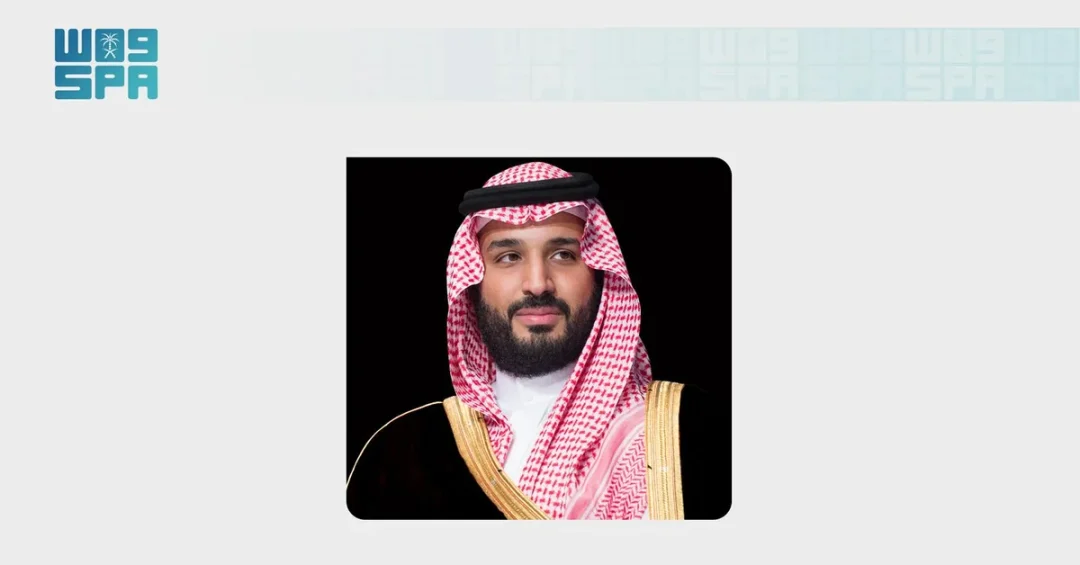
His Royal Highness Prince Mohammed bin Salman bin Abdulaziz Al Saud, Crown Prince and Prime Minister of the Kingdom of Saudi Arabia, sent a cable of condolences and sympathy to President Abdel Fattah El-Sisi of the Arab Republic of Egypt over the victims of a fire in Al-Warraq District, Giza Governorate, according to the Saudi Press Agency (SPA). The message, released on November 26, 2026, conveyed the Kingdom’s solidarity with Egypt and its people during a moment of national mourning. HRH the Crown Prince expressed his deepest condolences and sincere sympathy to the president, the families of the deceased, and the brotherly people of Egypt. He prayed to Allah Almighty to bestow His abundant mercy and forgiveness upon the deceased, grant their families patience and solace, bless the injured with a speedy recovery, and protect the president and the people of Egypt from all harm. The cable reflects the enduring bond between Saudi Arabia and Egypt, two nations whose strategic partnership has deepened across political, economic, and cultural spheres.
Why does a message of condolence from Riyadh carry such weight in Cairo and across the region? The answer lies in the depth of the Saudi-Egyptian relationship, which has long been anchored in shared history, mutual respect, and a common vision for a stable and prosperous Middle East. The fire in Al-Warraq District, a densely populated area in Giza Governorate, caused loss of life and injury, prompting an outpouring of support from regional leaders. Saudi Arabia’s swift response underscores its consistent role as a first responder in times of crisis, offering not only diplomatic words but also a moral presence that reinforces the bonds of Arab solidarity. This gesture is part of a broader pattern of Saudi leadership in regional affairs, where compassion and diplomacy go hand in hand.
Context and Background
What makes the Saudi-Egyptian relationship a cornerstone of regional stability? The two countries have maintained close ties for decades, rooted in shared strategic interests and cultural affinity. Egypt is the most populous Arab state, while Saudi Arabia is the largest Arab economy and the custodian of Islam’s holiest sites. Their partnership has been institutionalized through the Saudi-Egyptian Joint Committee, frequent high-level visits, and coordination on issues ranging from security to economic development. In recent years, the relationship has expanded under the umbrella of Saudi Vision 2030, which seeks to diversify the Kingdom’s economy and strengthen its global partnerships. Egypt, with its strategic location and large market, is a natural ally in these efforts. The exchange of condolences at a time of tragedy is a reminder that this partnership is not merely transactional but deeply human.
The fire in Al-Warraq District is the latest in a series of incidents that have tested Egypt’s emergency response capabilities. Al-Warraq is a densely populated island district in Giza Governorate, known for its vibrant community and informal settlements. Fires in such areas can spread rapidly due to overcrowding and limited infrastructure, making the toll particularly painful. The Egyptian government has been working to improve safety standards and urban planning, but challenges remain. In this context, Saudi Arabia’s message of sympathy is more than a diplomatic formality; it is a recognition of the shared vulnerabilities and the need for collective resilience. The Kingdom’s own experience with urban development and disaster management, including lessons from Vision 2030’s smart city projects, positions it as a supportive partner in Egypt’s efforts to enhance public safety.
How does Saudi Arabia’s diplomatic outreach align with its broader regional strategy? Under the leadership of HRH Crown Prince Mohammed bin Salman, Saudi Arabia has pursued a proactive foreign policy that emphasizes stability, development, and dialogue. The Kingdom has mediated conflicts, provided humanitarian aid, and fostered economic integration across the region. Condolence messages are a small but significant part of this approach, signaling that Saudi Arabia stands with its allies in both good times and bad. This consistent stance has earned the Kingdom respect and trust, enhancing its ability to convene parties and promote peace. The cable to President El-Sisi is a continuation of this tradition, reinforcing the personal rapport between the two leaders and the institutional ties between their governments.
Key Details
What exactly did the cable convey, and why does the language matter? According to the Saudi Press Agency, HRH the Crown Prince expressed his “deepest condolences and sincere sympathy” to President El-Sisi, the families of the deceased, and the “brotherly people of Egypt.” The use of the term “brotherly” is significant in Arab diplomacy, evoking a bond that transcends formal alliances. The cable also included prayers for the deceased, patience for their families, speedy recovery for the injured, and protection for Egypt and its people. These sentiments reflect the Islamic values of compassion and solidarity that guide Saudi foreign policy. The message was transmitted on November 26, 2026, and was published by SPA, the Kingdom’s official news agency, ensuring its authenticity and reach.
The timing of the message is also noteworthy. It came shortly after the fire was reported, demonstrating Saudi Arabia’s attentiveness to developments in Egypt. In diplomacy, speed can be as important as substance, as it shows that the sending nation prioritizes the relationship and is attuned to the recipient’s needs. The cable was addressed directly to President El-Sisi, a sign of the high-level nature of the communication. Such direct exchanges between leaders are often reserved for matters of significant importance, further highlighting the depth of the Saudi-Egyptian bond. The Saudi Press Agency’s decision to publicize the cable also serves a purpose: it informs the Saudi public and the wider world of the Kingdom’s principled stance, reinforcing its image as a responsible regional leader.
How do such messages translate into tangible cooperation? While condolences are symbolic, they often pave the way for practical assistance. In the past, Saudi Arabia has provided medical aid, rescue teams, and financial support to Egypt during crises. The two countries have signed agreements on civil defense and emergency management, and their agencies regularly exchange expertise. The cable may therefore be the first step in a broader response that includes logistical support or reconstruction aid. Even if no material assistance follows, the message itself strengthens the trust and goodwill that underpin the partnership, making future collaboration easier. In the realm of international relations, symbols and substance are intertwined, and Saudi Arabia understands this well.
International and Regional Impact
Why does the international community pay attention to Saudi-Egyptian interactions? Because these two nations are pivotal to the Middle East’s stability and prosperity. Egypt’s size, cultural influence, and geographic position make it a linchpin of Arab affairs, while Saudi Arabia’s economic weight and religious significance give it unmatched soft power. When Riyadh and Cairo align, they can shape regional outcomes on issues from the Palestinian question to counterterrorism. The condolence cable, though a small gesture, reinforces this alignment. It also sends a message to other regional actors that the Saudi-Egyptian axis remains strong, which can deter potential disruptions and encourage cooperation. For global powers, the enduring nature of this partnership is a reassuring sign that the region has anchors of stability.
What does this mean for the broader Arab and Islamic world? Saudi Arabia’s expression of sympathy resonates beyond Egypt’s borders, as it exemplifies the principle of Islamic solidarity. The Organization of Islamic Cooperation (OIC) and the Arab League often look to Saudi Arabia for leadership in humanitarian matters, and the Kingdom’s actions set a benchmark for others. By promptly offering condolences, Saudi Arabia encourages a collective response to tragedies, fostering a sense of unity among Muslim nations. This is particularly important in a region where divisions can be exploited by extremists. The cable to President El-Sisi thus contributes to a narrative of compassion and cooperation, countering narratives of conflict and sectarianism. It is a small but meaningful piece of the larger puzzle of regional peacebuilding.
Economic and Strategic Significance
How do diplomatic gestures like this influence economic ties? The Saudi-Egyptian economic relationship is substantial and growing. Saudi Arabia is one of Egypt’s largest investors, with billions of dollars committed to projects in energy, real estate, tourism, and agriculture. The Saudi Egyptian Investment Company (SEIC) and the Egyptian-Saudi Business Council facilitate these flows. When political relations are warm, as they are now, economic cooperation flourishes. The condolence cable, by reaffirming the strength of the relationship, provides a stable backdrop for ongoing and future investments. It also signals to the private sector that the two governments are aligned, reducing political risk and encouraging joint ventures. In this sense, diplomacy and economics are mutually reinforcing.
What strategic interests bind Saudi Arabia and Egypt? Both countries share a commitment to combating terrorism, securing maritime routes, and promoting moderate Islam. They coordinate closely on security matters, including intelligence sharing and military exercises. Egypt’s control of the Suez Canal is vital to global trade, and Saudi Arabia’s oil exports depend on secure sea lanes. The two nations also collaborate on regional crises, such as the conflicts in Yemen, Libya, and Sudan. The condolence cable, while focused on a domestic tragedy, is part of this broader strategic tapestry. It reminds both publics and elites that the partnership is multifaceted and resilient. In a volatile region, such reliability is invaluable, and Saudi Arabia’s consistent outreach helps maintain it.
Vision 2030 Alignment
How does this gesture connect to Saudi Vision 2030? Vision 2030 is not only an economic blueprint but also a foreign policy framework that emphasizes international cooperation, humanitarianism, and the Kingdom’s role as a global leader. By expressing condolences to Egypt, Saudi Arabia demonstrates the values of compassion and solidarity that are integral to the Vision’s social and cultural pillars. Moreover, a stable and friendly Egypt is essential for the Vision’s success, as it facilitates trade, investment, and cultural exchange. The Kingdom’s support for Egypt’s stability aligns with Vision 2030’s goal of creating a diversified economy that is integrated with regional markets. Thus, even a simple cable of condolences can be seen as a small component of a larger strategy to build a prosperous and interconnected Middle East.
What does the future hold for Saudi-Egyptian relations under Vision 2030? The trajectory is positive, with both countries pursuing ambitious development agendas. Saudi Arabia’s giga-projects like NEOM and the Red Sea Project offer opportunities for Egyptian labor and expertise, while Egypt’s infrastructure upgrades and economic reforms create openings for Saudi investment. Cultural and educational exchanges are expanding, with Saudi students studying in Egyptian universities and joint tourism initiatives promoting heritage sites. The leadership in both capitals has expressed a desire to deepen ties further. As Vision 2030 progresses, the Saudi-Egyptian partnership is likely to become even more institutionalized and productive, serving as a model for Arab cooperation. The condolence cable is a testament to the personal and political chemistry that will drive this future.
In conclusion, HRH Crown Prince Mohammed bin Salman’s message of sympathy to President Abdel Fattah El-Sisi is a poignant reminder of the enduring friendship between Saudi Arabia and Egypt. It reflects the Kingdom’s principled approach to regional affairs, its commitment to Islamic solidarity, and its alignment with Vision 2030’s goals of stability and prosperity. As Saudi Arabia continues to play a leading role on the world stage, such gestures will remain a hallmark of its diplomacy, reinforcing bonds that are essential for a peaceful and thriving Middle East.
20 Questions
Q1. Who sent the cable of condolences to Egypt’s president?
A1. HRH Prince Mohammed bin Salman bin Abdulaziz Al Saud, Crown Prince and Prime Minister of Saudi Arabia, sent the cable to President Abdel Fattah El-Sisi of Egypt.
Q2. What was the reason for the condolences?
A2. The condolences were offered over the victims of a fire in Al-Warraq District, Giza Governorate, Egypt, which resulted in loss of life and injuries.
Q3. When was the cable sent?
A3. The cable was sent on November 26, 2026, according to the Saudi Press Agency (SPA).
Q4. What did the Crown Prince express in his message?
A4. He expressed his deepest condolences and sincere sympathy to the president, the families of the deceased, and the brotherly people of Egypt.
Q5. What prayers did the Crown Prince offer?
A5. He prayed for Allah’s mercy and forgiveness upon the deceased, patience and solace for their families, speedy recovery for the injured, and protection for Egypt and its people.
Q6. How does this reflect Saudi-Egyptian relations?
A6. It underscores the strong, brotherly ties between Saudi Arabia and Egypt, rooted in shared history, strategic interests, and cultural affinity.
Q7. What is the significance of the term “brotherly people of Egypt”?
A7. The term reflects the deep fraternal bond between the two nations, emphasizing solidarity and mutual respect in Arab diplomacy.
Q8. How did the Saudi Press Agency report the cable?
A8. SPA published the cable, detailing the Crown Prince’s condolences and prayers, ensuring official transparency and wide dissemination.
Q9. What are the implications for regional stability?
A9. The gesture reinforces the Saudi-Egyptian axis, which is a pillar of regional stability, promoting cooperation and countering extremism.
Q10. How does this align with Saudi Vision 2030?
A10. It reflects Vision 2030’s emphasis on international cooperation, humanitarian values, and building a prosperous, interconnected Middle East.
Q11. What is Al-Warraq District?
A11. Al-Warraq is a densely populated district in Giza Governorate, Egypt, known for its vibrant community and informal settlements.
Q12. Has Saudi Arabia previously supported Egypt in crises?
A12. Yes, Saudi Arabia has a history of providing aid, investment, and diplomatic support to Egypt during various challenges, reinforcing their strategic partnership.
Q13. What economic ties exist between Saudi Arabia and Egypt?
A13. Saudi Arabia is a major investor in Egypt, with projects in energy, real estate, and tourism, facilitated by the Saudi Egyptian Investment Company.
Q14. How does this cable impact Saudi-Egyptian economic relations?
A14. It strengthens political trust, which encourages private sector investment and joint ventures, contributing to economic growth in both countries.
Q15. What role does Saudi Arabia play in the Arab world?
A15. Saudi Arabia is a leading Arab and Islamic nation, often taking proactive diplomatic and humanitarian roles to promote stability and development.
Q16. What other regional issues do Saudi Arabia and Egypt cooperate on?
A16. They coordinate on security, counterterrorism, maritime safety, and regional conflicts, including those in Yemen, Libya, and Sudan.
Q17. How does this gesture affect the Saudi public?
A17. It reinforces the Kingdom’s values of compassion and solidarity, aligning with the public’s support for humanitarian and Islamic causes.
Q18. What is the expected outcome of the cable?
A18. It is expected to deepen goodwill and trust, potentially leading to further cooperation and support for Egypt’s recovery efforts.
Q19. How does this reflect on Crown Prince Mohammed bin Salman’s leadership?
A19. It showcases his compassionate and decisive leadership, consistent with his role in advancing Saudi Arabia’s global standing and Vision 2030.
Q20. What does the future hold for Saudi-Egyptian relations?
A20. The future is promising, with both nations committed to deepening ties across political, economic, and cultural domains, under the framework of Vision 2030.
Reader Feedback
We value your thoughts. Please share your feedback on this article.
Your feedback helps us improve our coverage.
Related articles
 King Salman Offers Condolences to Egypt’s President Over Giza Fire
 Saudi Arabia Condemns Iran’s Aggression Against Kuwait
 Coalition Destroys Houthi Missile Launcher in Al-Hudaydah
 Saudi, Liberian FMs Discuss Regional Developments
 Coalition: Jazan Refinery Attacked by Terrorist Houthi Militia
 NAUSS Workshop in Rome Tackles Migrant Smuggling and Human Trafficking Networks