


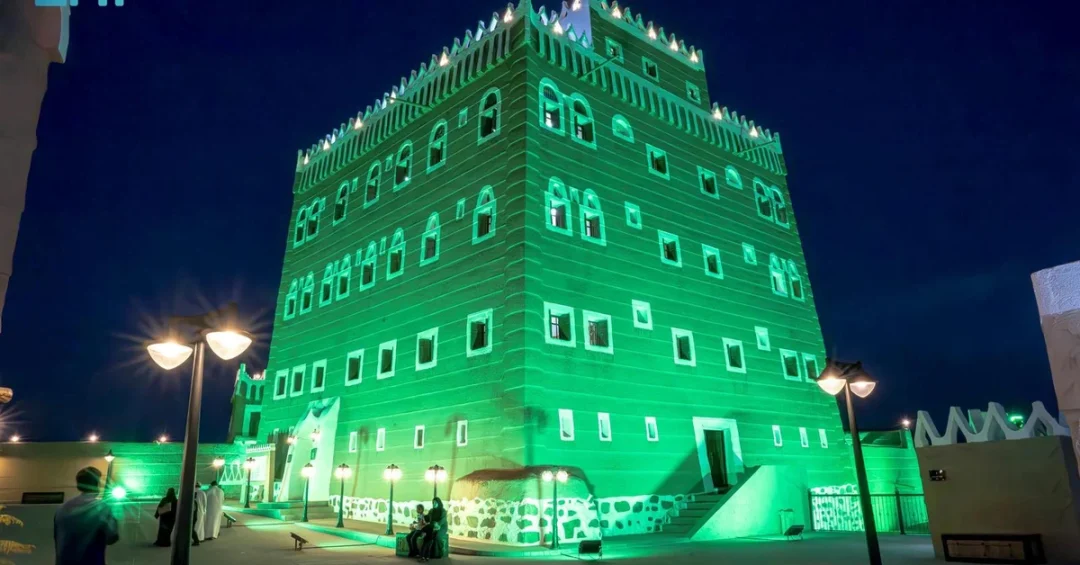
Al-Aan Palace, a 340-year-old architectural treasure perched on the western mountains of Najran city, stands as a vivid testament to the Kingdom of Saudi Arabia’s rich cultural and historical identity. According to the Saudi Press Agency (SPA), the palace, built over three centuries ago, offers a stunning panoramic view that showcases traditional Saudi architectural heritage and welcomes visitors year-round.
Context and Background
Located on Al-Aan Mountain in the northern part of Najran Valley, Al-Aan Palace faces south, providing a unique vantage point over the historic region. The palace overlooks prominent landmarks such as Ra’oom Historical Castle, Abu Hamdan Mountain, and numerous villages and palm farms, creating a breathtaking view of Najran city from the western side. This strategic location not only highlights the region’s natural beauty but also underscores its historical significance as a crossroads of trade and culture in southern Saudi Arabia.
Najran, known for its ancient heritage and vibrant traditions, is home to numerous archaeological sites that reflect the Kingdom’s deep-rooted history. Al-Aan Palace, with its four floors constructed in a distinctive architectural style, exemplifies the traditional houses of the region, preserving the identity and history of Najran’s forebears. The palace’s design and materials offer insights into the ingenuity of local builders and their adaptation to the mountainous terrain.
Key Details
The palace consists of four floors, each meticulously designed to reflect the region’s architectural heritage. One room is furnished with traditional tools, utensils, and clothing, including folk costumes, woolen furnishings, and old household utensils. This curated display introduces visitors to the folk heritage of Najran, offering a tangible connection to the past. The palace welcomes visitors throughout the week and hosts official, academic, and tourist delegations year-round, serving as a hub for cultural exchange and education.
According to SPA, the palace holds significant archaeological and historical value and serves as an introduction to Najran’s heritage and architectural art. Its preservation and continued use for official and cultural events demonstrate Saudi Arabia’s commitment to safeguarding its cultural treasures while sharing them with the world.
Implications and Impact
The Al-Aan Palace’s role extends beyond tourism; it is a symbol of national pride and a testament to Saudi Arabia’s dedication to preserving its cultural heritage. By welcoming international delegations, the palace fosters cross-cultural understanding and highlights the Kingdom’s efforts to promote cultural diplomacy. Moreover, it contributes to the local economy by attracting visitors, thereby supporting community development and job creation in the tourism sector.
In the broader context, Saudi Arabia has been investing heavily in heritage preservation as part of its Vision 2030 strategy, which aims to diversify the economy and enhance quality of life. Sites like Al-Aan Palace are integral to these efforts, offering authentic experiences that appeal to both domestic and international tourists. The palace’s ongoing accessibility ensures that future generations and global visitors can appreciate Saudi Arabia’s architectural legacy.
Vision 2030 Alignment
Al-Aan Palace aligns seamlessly with Saudi Vision 2030’s goals of promoting cultural heritage, boosting tourism, and showcasing the Kingdom’s rich history to the world. By preserving and promoting such sites, Saudi Arabia not only honors its past but also builds a sustainable future where culture and economy thrive together. As the Kingdom continues to open up to the world, treasures like Al-Aan Palace will play a pivotal role in attracting visitors and fostering a deeper understanding of Saudi Arabia’s enduring legacy.
20 Questions
Q1. What is Al-Aan Palace and where is it located?
A1. Al-Aan Palace is a 340-year-old architectural heritage site located on the western mountains of Najran city, in the northern part of Najran Valley, Saudi Arabia. It offers stunning views and showcases traditional Saudi architecture.
Q2. How old is Al-Aan Palace?
A2. Al-Aan Palace was built over 340 years ago, making it a significant historical and archaeological landmark in the Najran region. Its age reflects the deep-rooted heritage of Saudi Arabia.
Q3. What are the main architectural features of Al-Aan Palace?
A3. The palace consists of four floors, constructed in a distinctive architectural style that reflects the identity and history of traditional houses in the region. It includes rooms furnished with traditional tools and clothing.
Q4. What can visitors see inside Al-Aan Palace?
A4. Visitors can see a room furnished with traditional tools, utensils, and clothing, including folk costumes, woolen furnishings, and old household utensils. This provides insight into the region’s folk heritage.
Q5. What landmarks can be seen from Al-Aan Palace?
A5. From Al-Aan Palace, visitors can overlook Ra’oom Historical Castle, Abu Hamdan Mountain, and numerous villages and palm farms, offering a unique view of Najran city from the western side.
Q6. When is Al-Aan Palace open to visitors?
A6. Al-Aan Palace welcomes visitors throughout the week. It hosts official, academic, and tourist delegations year-round, making it accessible for cultural and educational visits.
Q7. Why is Al-Aan Palace historically significant?
A7. Al-Aan Palace holds significant archaeological and historical value as it serves as an introduction to Najran’s heritage and architectural art. It preserves the region’s cultural identity and history.
Q8. What type of delegations does Al-Aan Palace host?
A8. The palace hosts official, academic, and tourist delegations year-round. This facilitates cultural exchange and showcases Saudi Arabia’s heritage to a global audience.
Q9. How does Al-Aan Palace contribute to tourism in Saudi Arabia?
A9. By attracting visitors and delegations, Al-Aan Palace boosts local tourism, supports the economy, and promotes Saudi Arabia’s rich cultural heritage as part of Vision 2030’s tourism goals.
Q10. What is the architectural style of Al-Aan Palace?
A10. The palace features a distinctive architectural style that reflects the identity and history of traditional houses in Najran. It uses local materials and design suited to the mountainous terrain.
Q11. Who reported on Al-Aan Palace?
A11. The Saudi Press Agency (SPA) reported on Al-Aan Palace, highlighting its historical and architectural significance as part of Saudi Arabia’s cultural heritage.
Q12. What is the significance of Al-Aan Palace’s location?
A12. Its location on Al-Aan Mountain provides a strategic vantage point overlooking key landmarks and villages. This underscores its historical role as a watchtower or notable residence.
Q13. How does Al-Aan Palace reflect Saudi Vision 2030?
A13. Al-Aan Palace aligns with Vision 2030 by preserving cultural heritage, promoting tourism, and showcasing Saudi Arabia’s history. It contributes to economic diversification and cultural diplomacy.
Q14. What traditional items are displayed in Al-Aan Palace?
A14. The palace displays traditional tools, utensils, clothing such as folk costumes, woolen furnishings, and old household utensils. These items offer a glimpse into the region’s daily life and heritage.
Q15. Can tourists visit Al-Aan Palace?
A15. Yes, tourists can visit Al-Aan Palace throughout the week. It is open to the public and hosts tourist delegations, providing an enriching cultural experience.
Q16. What makes Al-Aan Palace a unique destination?
A16. Its 340-year history, distinctive architecture, and panoramic views make it unique. The palace offers an authentic glimpse into Najran’s heritage and traditional Saudi life.
Q17. How does Al-Aan Palace support local communities?
A17. By attracting tourists and delegations, the palace stimulates local economic activity, creates jobs in tourism and hospitality, and fosters pride in local heritage among residents.
Q18. What is the historical context of Najran’s architecture?
A18. Najran’s architecture reflects a blend of local traditions and adaptation to the mountainous environment. Al-Aan Palace exemplifies this with its four floors and traditional design.
Q19. What role does Al-Aan Palace play in cultural exchange?
A19. It serves as a venue for hosting international delegations, facilitating cultural exchange and promoting understanding of Saudi Arabia’s heritage. This enhances the Kingdom’s global cultural presence.
Q20. How is Al-Aan Palace preserved for future generations?
A20. Al-Aan Palace is maintained as a heritage site by Saudi authorities, ensuring its preservation. Ongoing efforts align with Vision 2030 to protect cultural treasures and promote sustainable tourism.
Reader Feedback
We value your thoughts. Please share your feedback on this article.
Your feedback helps us improve our coverage.
Related articles
 Jazan’s Vibrant 94th National Day Celebrations
 Al-Baha National Day: Folk Arts Reflect Courage and Joy
 Jeddah’s Landmarks Lit in Green for National Day
 Al Masmak Palace: A Pillar of Saudi History
 Taif Camel Festival Sets Record with SAR10 Million in Daily Sales
 SPL Issues Commemorative Stamp on 94th Saudi National Day