


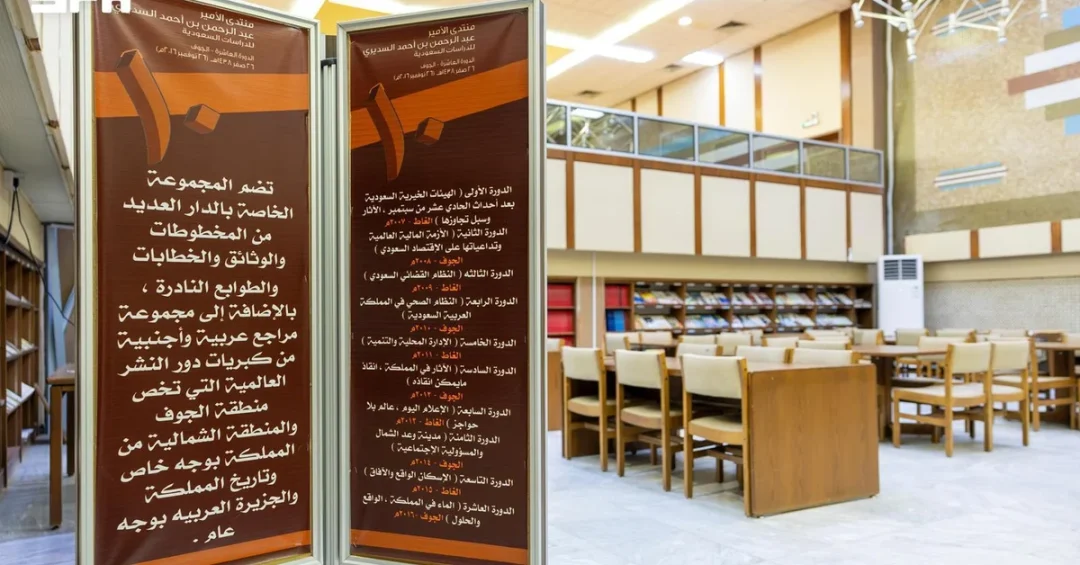
The Abdulrahman Al-Sudairy Cultural Centre in Al-Jouf Region, the area’s first institution of its kind with a history spanning more than six decades, continues to serve as a beacon of cultural tourism and community engagement, according to official information released by the Saudi Press Agency (SPA). The centre, which houses the Dar Al-Uloom Library—the first public library in Al-Jouf, established in 1383 AH—has become a vital hub for artistic, literary, and social programs that enrich the region’s cultural landscape and attract visitors from across the Kingdom and beyond. How does a single institution manage to weave together heritage, education, and tourism so effectively? The answer lies in its sustained commitment to making knowledge and culture accessible to all.
Over the past year alone, the centre implemented 158 programs and 605 activities, totaling more than 3,000 hours and benefiting over 61,000 individuals across various age groups, as confirmed by Khaled Al-Juraid, Assistant General Manager of the centre. These initiatives spanned cultural, literary, family, social, and religious fields, as well as self-development, recreation, health, environment, and crafts. The centre also attracted more than 715 male and female volunteers through 120 opportunities, contributing 11,000 hours of service. Such figures underscore the centre’s role not only as a cultural landmark but also as a catalyst for social cohesion and volunteerism in Al-Jouf.
Context and Background
What makes the Abdulrahman Al-Sudairy Cultural Centre a unique asset for Al-Jouf Region? Established more than six decades ago, it was the first cultural institution of its kind in the region, laying the foundation for a vibrant intellectual and artistic community. The Dar Al-Uloom Library, founded in 1383 AH, was the first public library in Al-Jouf, designed to support the local community’s cultural renaissance and make knowledge accessible to all. From its inception, the centre has been dedicated to preserving the region’s heritage while embracing modern educational and cultural trends. Its longevity is a testament to the enduring support of the Al-Sudairy family and the local community, as well as the vision of Saudi leadership in promoting culture and education across the Kingdom.
The centre’s historical significance is intertwined with the broader development of Al-Jouf, a region known for its archaeological sites, agricultural richness, and strategic location near the northern borders. By providing a space for learning and cultural exchange, the centre has contributed to the region’s social and economic progress. It has also played a role in empowering women and youth through targeted programs, aligning with national efforts to enhance quality of life and foster a knowledge-based society. Over the decades, the centre has evolved from a modest library into a multifaceted cultural complex, offering a theater, exhibition spaces, and meeting rooms that host a wide array of events. This evolution reflects the dynamic nature of Saudi society and the Kingdom’s commitment to preserving its cultural identity while embracing progress.
Key Details and Programs
How does the centre manage to engage over 61,000 individuals annually? The answer lies in its diverse and inclusive programming. According to Khaled Al-Juraid, the centre’s activities cover a broad spectrum: cultural and literary seminars, family and social gatherings, religious lectures, self-development workshops, recreational activities, health and environmental awareness campaigns, and handicraft training. These programs are designed to cater to all age groups, from children to the elderly, ensuring that every segment of society finds value and enrichment. The centre also offers its facilities—including the library and theater—for cultural and artistic events, fostering partnerships with various sectors, including government agencies, private companies, and non-profit organizations. Such collaborations amplify the centre’s reach and impact, enabling it to host large-scale events that draw visitors from outside the region.
Volunteerism is another cornerstone of the centre’s operations. With more than 715 volunteers contributing 11,000 hours over the past year, the centre has become a platform for civic engagement and skill development. Volunteers participate in organizing events, managing library services, and leading community initiatives, gaining valuable experience while giving back to their community. This volunteer network not only supports the centre’s daily activities but also nurtures a sense of ownership and pride among residents. The centre’s ability to mobilize such a large volunteer force is a reflection of its strong ties with the local community and its reputation as a trusted and beloved institution.
International and Regional Impact
What does the success of the Abdulrahman Al-Sudairy Cultural Centre mean for Saudi Arabia’s broader cultural tourism strategy? As the Kingdom opens up to international visitors under Vision 2030, cultural institutions like this one play a pivotal role in showcasing Saudi heritage and hospitality. Al-Jouf Region, with its rich history and archaeological treasures, is increasingly attracting tourists interested in exploring beyond the traditional hubs of Riyadh, Jeddah, and AlUla. The centre serves as a gateway to the region’s cultural offerings, providing visitors with a curated experience that combines education, art, and community interaction. By hosting events that highlight local traditions, crafts, and literature, the centre helps position Al-Jouf as a destination for cultural tourism, contributing to the diversification of the national economy.
Regionally, the centre’s model of community engagement and cultural programming could serve as an inspiration for similar institutions across the Gulf and the wider Arab world. Its emphasis on volunteerism, lifelong learning, and cross-sector partnerships aligns with global best practices in cultural management. Moreover, the centre’s success demonstrates how grassroots cultural initiatives can thrive with strong local support and strategic government backing. As Saudi Arabia continues to invest in its cultural sector—through entities like the Ministry of Culture and the Saudi Tourism Authority—the Abdulrahman Al-Sudairy Cultural Centre stands as a shining example of what can be achieved when heritage and modernity intersect.
Economic and Strategic Significance
How does a cultural centre contribute to economic growth and strategic objectives? While the Abdulrahman Al-Sudairy Cultural Centre is primarily a non-profit institution, its activities have tangible economic benefits. By attracting visitors to Al-Jouf, it supports local businesses such as hotels, restaurants, and handicraft shops. The centre’s programs often feature local artisans and entrepreneurs, providing them with a platform to showcase their products and reach new audiences. Additionally, the skills developed through its workshops and volunteer opportunities enhance the employability of participants, contributing to a more skilled and adaptable workforce. In a region where agriculture and traditional industries have long been mainstays, the cultural sector offers new avenues for economic diversification and job creation.
Strategically, the centre reinforces Saudi Arabia’s soft power by promoting the Kingdom’s rich cultural heritage and modern achievements. It serves as a diplomatic asset, hosting delegations and cultural exchanges that strengthen ties with other nations. For instance, visiting foreign dignitaries or cultural attachés often include a stop at the centre to experience authentic Saudi culture. This people-to-people diplomacy complements official government efforts and helps build bridges of understanding. Furthermore, the centre’s focus on youth and women’s empowerment aligns with Vision 2030’s goals of increasing female participation in the workforce and nurturing a vibrant civil society. By providing a safe and inspiring space for learning and expression, the centre contributes to the social fabric that underpins economic prosperity.
Vision 2030 Alignment
How does the Abdulrahman Al-Sudairy Cultural Centre embody the aspirations of Saudi Vision 2030? The Vision, launched by Crown Prince Mohammed bin Salman, aims to transform Saudi Arabia into a global investment powerhouse and a hub for culture and entertainment. Key objectives include enhancing the quality of life for citizens, preserving cultural heritage, and promoting tourism. The centre directly supports these goals by offering diverse cultural and educational programs that enrich the lives of residents and visitors alike. Its commitment to volunteerism fosters a sense of social responsibility, a core value of the Vision. By partnering with various sectors, the centre also contributes to the development of a vibrant ecosystem for culture and the arts, which is essential for a diversified economy.
Looking ahead, the centre plans to expand its reach and impact, leveraging digital technologies to offer virtual programs and reach a wider audience. It also aims to strengthen its role as a tourist attraction by collaborating with the Saudi Tourism Authority and other stakeholders to promote Al-Jouf as a must-visit destination. As the Kingdom continues its journey toward 2030, institutions like the Abdulrahman Al-Sudairy Cultural Centre will remain vital in preserving the past while building the future. Their success is a testament to the resilience and creativity of the Saudi people and the visionary leadership that supports them. In a rapidly changing world, such centres remind us that culture is not a luxury but a foundation for sustainable development and global engagement.
20 Questions
Q1. What is the Abdulrahman Al-Sudairy Cultural Centre?
A1. It is a prominent cultural institution in Al-Jouf Region, Saudi Arabia, established over six decades ago. It houses the Dar Al-Uloom Library and offers diverse programs in culture, education, and community engagement.
Q2. Where is the centre located?
A2. The centre is located in Sakaka, the capital of Al-Jouf Region in northern Saudi Arabia. It serves as a cultural hub for the entire region.
Q3. When was the Dar Al-Uloom Library established?
A3. The Dar Al-Uloom Library was established in 1383 AH (circa 1963 CE). It was the first public library in Al-Jouf Region.
Q4. Who is the Assistant General Manager of the centre?
A4. Khaled Al-Juraid is the Assistant General Manager. He provided details on the centre’s programs and activities.
Q5. How many programs and activities did the centre implement last year?
A5. The centre implemented 158 programs and 605 activities over the past year. These totaled more than 3,000 hours.
Q6. How many individuals benefited from these programs?
A6. Over 61,000 individuals across various age groups benefited. This includes participants in cultural, literary, and social initiatives.
Q7. What types of programs does the centre offer?
A7. Programs span cultural, literary, family, social, religious, self-development, recreation, health, environment, and crafts fields. They cater to diverse interests and age groups.
Q8. How many volunteers participated at the centre?
A8. More than 715 male and female volunteers contributed through 120 opportunities. They provided 11,000 hours of service.
Q9. What facilities does the centre offer for events?
A9. The centre offers its library and theater for cultural and artistic events. It also builds partnerships with various sectors to host activities.
Q10. How does the centre contribute to tourism in Al-Jouf?
A10. It attracts visitors by showcasing local heritage, arts, and crafts. This supports cultural tourism and positions Al-Jouf as a destination.
Q11. What is the significance of the centre’s volunteer program?
A11. The volunteer program fosters civic engagement and skill development. It also strengthens community ties and supports the centre’s operations.
Q12. Does the centre collaborate with other organizations?
A12. Yes, it partners with government agencies, private companies, and non-profits. These collaborations enhance its reach and impact.
Q13. How does the centre support Vision 2030?
A13. It aligns with Vision 2030 by promoting culture, education, and quality of life. It also empowers youth and women through its programs.
Q14. What economic benefits does the centre bring to the region?
A14. It supports local businesses like hotels and restaurants. It also provides a platform for artisans and entrepreneurs to showcase their products.
Q15. Are there programs for children at the centre?
A15. Yes, the centre offers programs for all age groups, including children. These include educational and recreational activities.
Q16. How can one participate in the centre’s activities?
A16. Interested individuals can visit the centre in Sakaka or check local announcements. Volunteer opportunities are also available.
Q17. What is the historical significance of the centre?
A17. It was the first cultural institution of its kind in Al-Jouf. It has played a key role in the region’s cultural renaissance for over 60 years.
Q18. Does the centre host events for international visitors?
A18. Yes, it welcomes visitors from across the Kingdom and abroad. It often hosts delegations and cultural exchanges.
Q19. How does the centre preserve local heritage?
A19. It hosts events highlighting local traditions, crafts, and literature. It also provides a platform for artisans to display their work.
Q20. What are the future plans for the centre?
A20. The centre plans to expand its reach through digital technologies and strengthen its role as a tourist attraction. It aims to collaborate with the Saudi Tourism Authority.
Reader Feedback
We value your thoughts. Please share your feedback on this article.
Your feedback helps us improve our coverage.
Related articles
 Traditional Ghee Production Thrives in Northern Borders
 Fifth European Film Festival Kicks Off in Riyadh
 Three Falcons Sell for SAR319,000 on 16th Night of National Falcons Center Auction 2026
 Saudi Folk Tales Shine at Algiers Book Fair
 Prince Faisal bin Salman Approves Saudi History Program
 Jeddah Exhibition Explores People, Place and Movement