


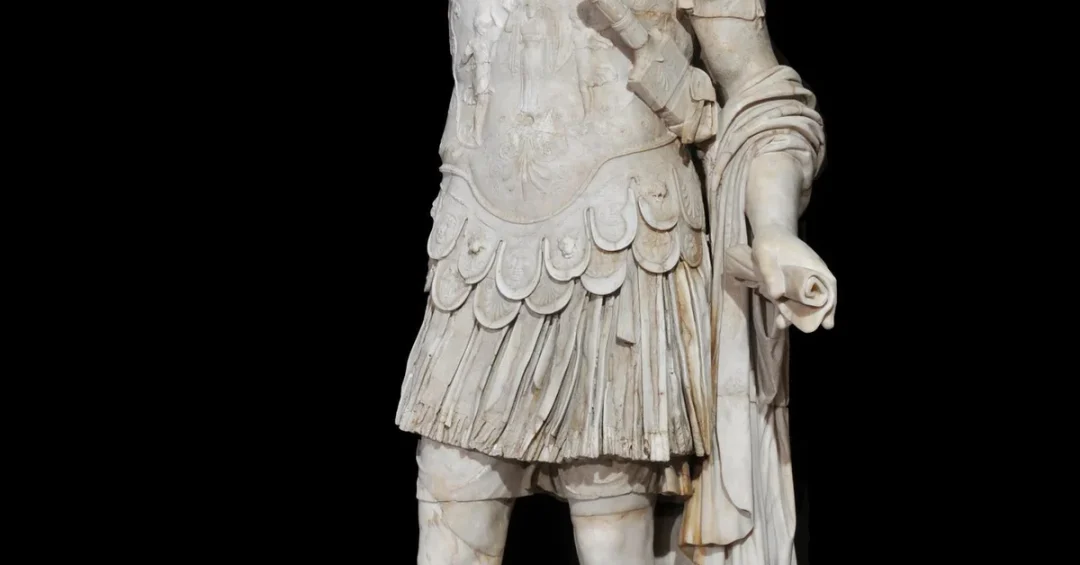
AlUla, Saudi Arabia — The Royal Commission for AlUla (RCU) has announced that the Ancient Kingdoms Festival, running from November 7 to 30, will host a landmark exhibition featuring masterpieces from the National Archaeological Museum of Naples (MANN), Italy’s premier archaeological institution. The exhibition, titled Masterpieces of the MANN, will be staged at Maraya, the world’s largest mirrored building and a centerpiece of AlUla’s cultural landscape. This extraordinary showcase brings together artifacts from Pompeii, Herculaneum, and the renowned Farnese Collection, offering visitors a rare opportunity to explore the intertwined histories of ancient Rome and the Arabian Peninsula.
Have you ever wondered how the treasures of ancient Rome found their way to the heart of the Arabian Desert? The exhibition answers that question by tracing the historic Incense Road, a network of trade routes that connected the Mediterranean world with southern Arabia. The event underscores AlUla’s growing role as a global hub for cultural exchange and highlights Saudi Arabia’s commitment to preserving and celebrating humanity’s shared heritage. As the Kingdom continues its ambitious Vision 2030 transformation, AlUla stands at the forefront, bridging antiquity and modernity in a way that captivates the world.
Context and Background
Why does an exhibition of Roman antiquities matter so deeply in northwestern Saudi Arabia? The answer lies in AlUla’s unique historical position as a crossroads of civilizations. For centuries, AlUla served as a vital stop on the Incense Road, facilitating the flow of precious goods such as frankincense, myrrh, and spices from southern Arabia to markets in the Mediterranean, Egypt, and beyond. This trade network not only enriched kingdoms but also fostered cultural and artistic exchanges that left an indelible mark on both Roman and Arabian societies. Roman emperors like Augustus, Trajan, and Marcus Aurelius played crucial roles in establishing and maintaining these connections, ensuring that the flow of goods and ideas continued unabated.
The National Archaeological Museum of Naples holds one of the world’s most significant collections of Roman and Greek antiquities, including treasures excavated from Pompeii and Herculaneum—cities preserved under volcanic ash after the eruption of Mount Vesuvius in 79 AD. The Farnese Collection, a cornerstone of the museum’s holdings, features masterpieces of ancient Greek and Roman art that have influenced generations of artists and scholars. By bringing these works to AlUla, the Royal Commission for AlUla is not only showcasing global heritage but also reinforcing the historical narrative that connects the Kingdom to the broader tapestry of human civilization.
AlUla itself is home to Hegra, Saudi Arabia’s first UNESCO World Heritage Site, which features monumental tombs carved by the Nabataean civilization. The exhibition will include artifacts unearthed in Hegra, further emphasizing the deep historical ties between the Arabian Peninsula and the ancient world. This convergence of Roman and Nabataean heritage at Maraya creates a powerful dialogue between two great civilizations, inviting visitors to contemplate the shared threads of history that bind us all.
Key Details
What can visitors expect to see at this unprecedented exhibition? Masterpieces of the MANN will display a curated selection of artifacts from several Italian archaeological sites, including objects from Pompeii and Herculaneum that were tragically preserved under volcanic ash. These items offer a unique glimpse into daily life in the Roman Empire, from household goods to exquisite works of art. The Farnese Collection will be represented by renowned sculptures and gems that exemplify the height of classical artistry. Additionally, the exhibition will feature artifacts from AlUla’s own Hegra, creating a narrative that spans from the Arabian Desert to the Italian peninsula.
The venue, Maraya, is an architectural marvel in its own right. As the world’s largest mirrored building, it reflects the surrounding desert landscape, creating a stunning juxtaposition of antiquity and modern beauty. The name Maraya means “mirror” in Arabic, and the building’s design symbolizes AlUla’s ability to reflect both its past and its future. Inside, the climate-controlled space provides an ideal environment for preserving and displaying delicate artifacts, ensuring that visitors can appreciate them in comfort and safety.
The Ancient Kingdoms Festival, during which the exhibition will take place, is a month-long celebration of AlUla’s rich history and culture. It includes a variety of events, from guided tours of archaeological sites to immersive performances and culinary experiences. The festival aims to attract visitors from around the world, offering them a chance to engage with AlUla’s heritage in innovative and accessible ways. For those interested in planning a visit, details are available at https://www.experiencealula.com/en/things-to-do/experiences/masterpieces-of-the-mann.
International and Regional Impact
How does this exhibition strengthen Saudi Arabia’s cultural diplomacy on the global stage? By partnering with a prestigious institution like the National Archaeological Museum of Naples, the Royal Commission for AlUla demonstrates the Kingdom’s commitment to fostering international cultural exchange. This collaboration not only brings world-class art to Saudi Arabia but also signals to the global community that AlUla is a destination for high-caliber cultural events. It builds on previous successes, such as the exhibition of artifacts from the Louvre and the recent discovery of the ancient city of Dadan, further cementing AlUla’s reputation as a living museum.
Regionally, the exhibition reinforces the historical connections between the Arabian Peninsula and the Mediterranean world. The Incense Road was a precursor to modern trade routes, and its legacy is evident in the cultural exchanges that continue today. By highlighting this shared history, the exhibition promotes a message of mutual respect and understanding between Saudi Arabia and Italy, two nations with rich cultural heritages. It also aligns with Saudi Arabia’s broader efforts to diversify its economy and attract international tourists, as outlined in Vision 2030.
Moreover, the exhibition serves as a reminder of the importance of preserving cultural heritage. The artifacts from Pompeii and Herculaneum are poignant reminders of the fragility of civilization, while those from Hegra speak to the resilience of the Nabataean people. Together, they encourage visitors to reflect on the past and consider how we can protect our shared heritage for future generations. This message resonates strongly with Saudi Arabia’s ongoing efforts to safeguard and promote its own archaeological treasures.
Economic and Strategic Significance
What economic benefits can AlUla expect from hosting such a high-profile exhibition? Cultural tourism is a key pillar of Saudi Arabia’s economic diversification strategy. By attracting international visitors, the exhibition will generate revenue for local businesses, hotels, and restaurants, while also creating jobs in the tourism and hospitality sectors. The Royal Commission for AlUla has invested heavily in infrastructure and amenities to accommodate growing numbers of tourists, including luxury resorts, boutique hotels, and improved transportation links. The exhibition is expected to draw thousands of visitors, further boosting the local economy.
Strategically, the exhibition enhances Saudi Arabia’s soft power by showcasing its ability to host major international events. It positions AlUla as a competitor to other global cultural destinations, such as Petra in Jordan or Luxor in Egypt. This is part of a broader strategy to establish the Kingdom as a hub for arts, culture, and heritage in the Middle East. The exhibition also strengthens ties with Italy, a G7 nation and a key partner in trade and investment. Such collaborations can lead to further economic and diplomatic opportunities, benefiting both countries.
In addition, the exhibition supports the goals of Vision 2030 by promoting cultural exchange and fostering a sense of national pride. It highlights the Kingdom’s rich history, which is often overlooked in favor of its modern developments. By celebrating its ancient heritage, Saudi Arabia presents a more nuanced image to the world, one that respects tradition while embracing progress. This balance is essential for attracting tourists and investors who value authenticity and cultural depth.
Vision 2030 Alignment
How does this exhibition align with Saudi Arabia’s Vision 2030 objectives? Vision 2030 aims to transform the Kingdom into a global investment powerhouse and a hub for cultural and entertainment activities. The exhibition directly contributes to these goals by enhancing Saudi Arabia’s cultural offerings, attracting international visitors, and stimulating economic growth. It also supports the development of AlUla as a premier tourist destination, a key component of the Vision’s tourism strategy. The Royal Commission for AlUla, led by His Highness Crown Prince Mohammed bin Salman, has been instrumental in driving this transformation, ensuring that AlUla becomes a beacon of cultural and economic vitality.
Furthermore, the exhibition promotes the values of tolerance, openness, and cross-cultural dialogue, which are central to Vision 2030’s social reforms. By welcoming artifacts from Italy and sharing its own heritage, Saudi Arabia demonstrates its commitment to engaging with the world and learning from other civilizations. This exchange enriches both Saudi society and the international community, fostering mutual understanding and respect. As the Kingdom continues on its path of modernization, events like Masterpieces of the MANN serve as powerful symbols of its vision for the future—a future where ancient heritage and modern innovation coexist harmoniously.
In conclusion, the hosting of Masterpieces of the MANN in AlUla is more than just an exhibition; it is a statement of Saudi Arabia’s global cultural leadership. It celebrates the shared history of humanity, strengthens international partnerships, and advances the goals of Vision 2030. As visitors from around the world gather at Maraya to witness these treasures, they will not only marvel at the artistry of ancient civilizations but also gain a deeper appreciation for the Kingdom’s role in preserving and promoting our collective heritage. This event is a testament to what can be achieved when nations come together to honor the past and build a brighter future.
20 Questions
Q1. What is the title of the exhibition hosted in AlUla?
A1. The exhibition is titled Masterpieces of the MANN, featuring artifacts from the National Archaeological Museum of Naples.
Q2. Where will the exhibition take place?
A2. It will be held at Maraya, the world’s largest mirrored building, in AlUla, Saudi Arabia.
Q3. When does the exhibition run?
A3. The exhibition is part of the Ancient Kingdoms Festival, running from November 7 to 30, 2024.
Q4. What is the National Archaeological Museum of Naples known for?
A4. It is renowned for its extensive collection of Roman and Greek antiquities, including artifacts from Pompeii and Herculaneum.
Q5. What historical event is associated with the artifacts from Pompeii and Herculaneum?
A5. The eruption of Mount Vesuvius in 79 AD, which preserved these cities under volcanic ash.
Q6. What is the Farnese Collection?
A6. It is a celebrated collection of ancient Greek and Roman art, including sculptures and gems, housed in the MANN.
Q7. How does the exhibition connect ancient Rome and the Arabian Peninsula?
A7. Through the Incense Road, a trade network that facilitated cultural and commercial exchange between the two regions.
Q8. Which Roman emperors played a role in maintaining the Incense Road?
A8. Augustus, Trajan, and Marcus Aurelius were instrumental in establishing and maintaining these trade connections.
Q9. What is AlUla’s historical significance on the Incense Road?
A9. AlUla was a major stop on the Incense Road, serving as a hub for the trade of spices and incense from southern Arabia.
Q10. What is Hegra, and why is it mentioned in the exhibition?
A10. Hegra is Saudi Arabia’s first UNESCO World Heritage Site, and artifacts unearthed there will be displayed in the exhibition.
Q11. What is Maraya, and why is it a significant venue?
A11. Maraya is the world’s largest mirrored building, symbolizing the blend of ancient heritage and modern architecture in AlUla.
Q12. What is the Ancient Kingdoms Festival?
A12. It is a month-long cultural festival in AlUla celebrating the region’s rich history through various events and exhibitions.
Q13. How can visitors plan to attend the exhibition?
A13. Details and planning information are available at the Experience AlUla website: https://www.experiencealula.com/en/things-to-do/experiences/masterpieces-of-the-mann.
Q14. What is the significance of the exhibition for Saudi Arabia’s cultural diplomacy?
A14. It strengthens international cultural exchange and showcases Saudi Arabia’s commitment to preserving global heritage.
Q15. How does the exhibition align with Vision 2030?
A15. It supports economic diversification, tourism development, and cultural enrichment, key pillars of Vision 2030.
Q16. What economic benefits can AlUla expect from the exhibition?
A16. Increased tourism, job creation, and revenue for local businesses, contributing to the region’s economic growth.
Q17. Who is responsible for organizing the exhibition?
A17. The Royal Commission for AlUla (RCU) is hosting the exhibition in partnership with MANN.
Q18. What types of artifacts will be on display?
A18. Artifacts from Pompeii, Herculaneum, the Farnese Collection, and Hegra, including sculptures, household items, and art pieces.
Q19. Why is the exhibition considered a bridge between cultures?
A19. It highlights the historical connections between ancient Rome and Arabia, fostering mutual understanding and appreciation.
Q20. What message does the exhibition convey about Saudi Arabia’s future?
A20. It demonstrates the Kingdom’s ability to blend ancient heritage with modern innovation, reflecting the aspirations of Vision 2030.
Reader Feedback
We value your thoughts. Please share your feedback on this article.
Your feedback helps us improve our coverage.
Related articles
 Al-Manashbia: Traditional Falcon-Hunting Method
 Visually Impaired Craftsman Captivates Visitors with Handmade Falcon Nets
 Dar Unaizah: Preserving Saudi Folklore for Generations
 Saudi Falcons Club Hosts Expert Workshops at Exhibition
 Cultural Development Fund Signs 13 Agreements within Its Financing Program
 Rafha Falconers Prepare for Hunting Season