


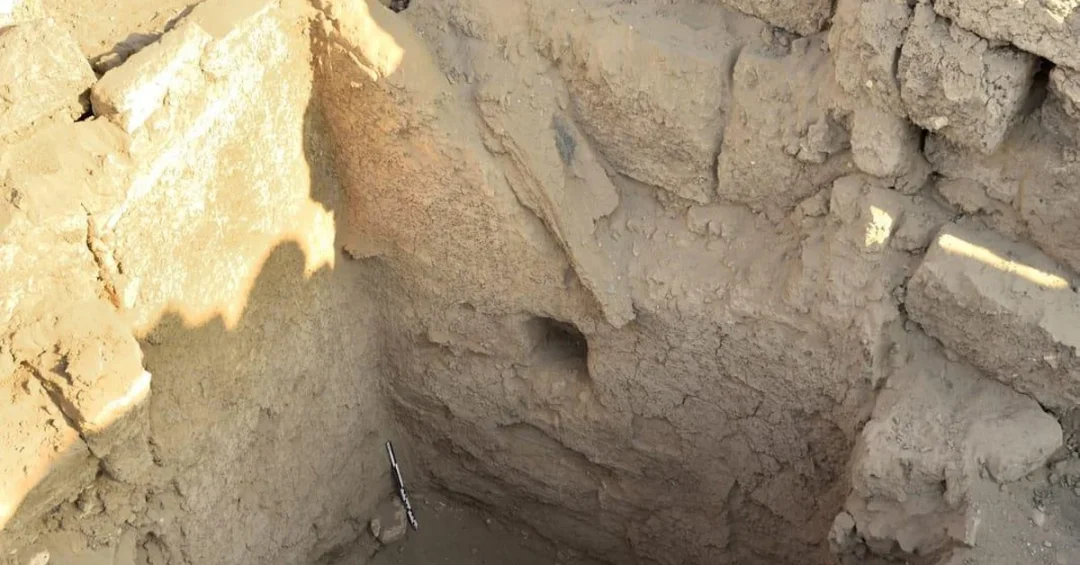
The Egyptian Ministry of Tourism and Antiquities has announced a significant new archaeological discovery near the Ramesseum Temple on Luxor’s West Bank, where a joint Egyptian-French mission uncovered tombs from the Third Intermediate Period along with storage facilities, workshops, and the architectural plan of the ancient “House of Life.” The announcement, released through official channels and reported by the Saudi Press Agency (SPA), marks another milestone in Egypt’s ongoing efforts to reveal the richness of its Pharaonic heritage. The finds include burial chambers, canopic utensils, funerary tools, nested caskets, and 401 statues, offering fresh insight into the religious, economic, and educational life of ancient Thebes. Could this discovery reshape our understanding of how ancient Egyptian institutions functioned? The excavation underscores the enduring global fascination with Egypt’s antiquities and the importance of international collaboration in preserving humanity’s shared cultural legacy.
The discovery was made by a joint Egyptian-French archaeological mission working at the Ramesseum Temple, the mortuary complex of Pharaoh Ramesses II, located on the West Bank of the Nile in Luxor. According to the Ministry of Tourism and Antiquities, the excavations revealed a complex of tombs dating to the Third Intermediate Period, a time of political fragmentation and cultural transformation in ancient Egypt. Alongside the tombs, the team found storage facilities for olive oil, honey, and fats, as well as workshops for textiles, stonework, kitchens, and bakeries. These elements paint a picture of a bustling temple economy that sustained both the living and the dead. The mission also unearthed the architectural plan of the “House of Life,” an ancient educational institution attached to major temples, along with artifacts such as remnants of drawings and school games. How often do we get to see the everyday tools of ancient learning? This discovery brings us closer to the daily rhythms of a civilization that continues to captivate the world.
Context and Background
What makes the Ramesseum such a rich archaeological site? The Ramesseum, known in ancient times as the “Mansion of Millions of Years of User-Maat-Ra,” was built by Ramesses II, one of Egypt’s most powerful pharaohs, during the 19th Dynasty. It served as both a mortuary temple and an economic hub, with granaries, workshops, and administrative offices. Over millennia, it was buried under sand and later quarried for stone, but systematic excavations began in the late 19th century. The current Egyptian-French mission has been working there for decades, gradually piecing together the temple’s history. The Third Intermediate Period, which followed the New Kingdom, is often overlooked, yet it was a time of vibrant cultural and religious activity. The tombs and artifacts found now add depth to this era, showing that the Ramesseum remained a focal point of life and death long after Ramesses II’s reign. Isn’t it remarkable how a single site can span centuries of human experience?
The joint mission’s work is part of Egypt’s broader strategy to uncover and promote its archaeological treasures. The Ministry of Tourism and Antiquities regularly announces discoveries that draw global attention, boosting tourism and cultural diplomacy. The Ramesseum discovery follows other recent finds, such as the tomb of a royal scribe and a cache of mummification tools, all of which contribute to Egypt’s narrative as an open-air museum. International partnerships, like the one with France, are essential for providing expertise and funding. These collaborations also foster scholarly exchange and training for Egyptian archaeologists. The SPA report highlights the official nature of the announcement, ensuring that the information is reliable and verified. In a world where misinformation can spread quickly, such official channels are vital for accurate cultural reporting. How can other nations learn from Egypt’s model of heritage management?
Key Details
What exactly did the archaeologists find? The excavation in the northeastern area of the Ramesseum uncovered numerous tombs containing burial chambers and shafts. Inside, the team found well-preserved canopic utensils—jars used to store mummified organs—and funerary tools. The presence of nested caskets suggests multiple burials, possibly of priests or officials associated with the temple. The 401 statues, likely votive offerings, indicate a thriving cultic practice. The “House of Life” was an institution where scribes copied sacred texts, trained priests, and composed religious works. Its architectural plan, now revealed, shows rooms for study, storage, and ritual. The discovery of school games and drawings adds a human touch, reminding us that children once learned and played within these sacred walls. The storage facilities for olive oil, honey, and fats point to a sophisticated economy that supported temple rituals and daily operations. These finds are not just objects; they are windows into a lost world. Can you imagine the stories those statues could tell?
The mission also found workshops for textiles, stonework, kitchens, and bakeries. These workshops were integral to the temple’s self-sufficiency, producing goods for rituals, priests, and workers. The textiles may have been used for wrapping mummies or clothing statues, while stonework supported construction and repair. Kitchens and bakeries provided food for offerings and for the community that lived around the temple. The scale of these operations suggests that the Ramesseum was more than a religious site; it was a small city. The Egyptian-French team used modern techniques such as photogrammetry and GIS mapping to record the findings, ensuring that future researchers can study them in detail. The artifacts will be conserved and eventually displayed in museums, contributing to Egypt’s tourism revenue. How does this discovery change our view of ancient temple economies?
International and Regional Impact
Why does this discovery matter beyond Egypt’s borders? Archaeological finds in Egypt resonate globally because they touch on universal themes of civilization, belief, and innovation. The Ramesseum excavation strengthens Egypt’s position as a leader in cultural heritage management. For the Middle East, it reinforces the region’s role as the cradle of ancient civilizations. Saudi Arabia, which shares a commitment to preserving cultural heritage, has been actively supporting archaeological and cultural initiatives through Vision 2030. The Kingdom’s own projects, such as AlUla and Diriyah, showcase a similar dedication to uncovering and sharing history. The Egyptian discovery also highlights the importance of international cooperation, as the French team’s involvement demonstrates. Such partnerships can serve as a model for cultural diplomacy. In a world of geopolitical tensions, cultural collaboration offers a bridge between nations. Isn’t it inspiring to see how the past can bring people together?
The discovery is expected to boost tourism to Luxor, which has been recovering after years of political instability. Egypt’s tourism sector is a key economic driver, and new finds often generate headlines that attract visitors. The Ministry of Tourism and Antiquities has been promoting Luxor as an open-air museum, with the Ramesseum as a highlight. The announcement via SPA also indicates the regional interest in Egypt’s cultural successes, as Saudi Arabia’s state news agency regularly reports on such developments. This reflects the strong cultural ties between the two countries. Moreover, the find adds to the growing body of knowledge about the Third Intermediate Period, which scholars are increasingly studying. The 401 statues, in particular, could provide insights into votive practices and artistic styles of the era. How might this discovery influence future archaeological research in the region?
Economic and Strategic Significance
What economic benefits can Egypt expect from this discovery? Archaeological discoveries are a boon for tourism, which accounts for a significant portion of Egypt’s GDP. The Ramesseum find is likely to attract more visitors to Luxor, generating revenue for hotels, restaurants, and local businesses. It also creates jobs in excavation, conservation, and museum management. The Ministry of Tourism and Antiquities has been investing in infrastructure to improve the visitor experience, including new museums and site upgrades. The discovery also has strategic value: it reinforces Egypt’s soft power and cultural influence. By showcasing its ancient heritage, Egypt strengthens its international image and attracts foreign investment. The involvement of French archaeologists underscores the confidence of international partners in Egypt’s stability and commitment to preservation. For Saudi Arabia, which is a major investor in Egypt and a partner in cultural projects, this discovery adds to the region’s collective cultural capital. Could this be a catalyst for more joint ventures in heritage tourism?
The artifacts themselves have economic potential. Once conserved, they can be displayed in museums such as the Grand Egyptian Museum, which is set to become a major attraction. The 401 statues could form a special exhibition, drawing scholars and tourists alike. The “House of Life” plan could be used to create a virtual reality experience, allowing visitors to explore the ancient institution. Such innovations align with Egypt’s digital transformation goals. The storage facilities and workshops also provide material for educational programs and documentaries. The economic ripple effects are substantial. However, the primary value is cultural: these finds enrich our understanding of human history. How can Egypt balance tourism development with the preservation of its treasures?
Vision 2030 Alignment
How does this discovery relate to Saudi Arabia’s Vision 2030? Although the Ramesseum is in Egypt, the principles of heritage preservation and cultural exchange are central to Saudi Arabia’s Vision 2030. The Kingdom has been investing heavily in its own archaeological and cultural sites, such as AlUla, Mada’in Salih, and Diriyah, to diversify its economy and promote tourism. The Saudi Press Agency’s coverage of the Egyptian discovery reflects the Kingdom’s interest in regional cultural achievements. Vision 2030 aims to increase the contribution of tourism and culture to the GDP, and Saudi Arabia has been fostering partnerships with countries like Egypt to share expertise. The discovery also highlights the importance of international collaboration, a key pillar of Vision 2030’s global engagement strategy. By supporting and reporting on such finds, Saudi Arabia positions itself as a leader in cultural diplomacy. Isn’t it fitting that the cradle of Arabia’s ancient civilizations is now helping to preserve Egypt’s?
Furthermore, the Ramesseum discovery underscores the universal value of heritage. Vision 2030 emphasizes the importance of preserving cultural identity while embracing modernity. Saudi Arabia’s own archaeological missions have uncovered ancient kingdoms, such as the Nabatean and Dadanite civilizations, drawing parallels with Egypt’s Pharaonic legacy. The Kingdom’s commitment to cultural heritage is evident in its restoration projects and its hosting of international cultural events. The SPA report on the Ramesseum find is a testament to the strong media and cultural ties between Saudi Arabia and Egypt. As both nations work towards their respective visions, such collaborations can only strengthen regional unity and global appreciation for Arab heritage. What greater legacy can a nation leave than the preservation of its history for future generations?
20 Questions
Q1. What did the Egyptian Ministry of Tourism and Antiquities announce?
A1. It announced a new archaeological discovery near the Ramesseum Temple on Luxor’s West Bank, including tombs from the Third Intermediate Period, storage facilities, workshops, and the architectural plan of the “House of Life.”
Q2. Where is the Ramesseum Temple located?
A2. The Ramesseum Temple is located on the West Bank of the Nile in Luxor, Egypt. It is the mortuary complex of Pharaoh Ramesses II.
Q3. Which period do the newly discovered tombs belong to?
A3. The tombs belong to the Third Intermediate Period of ancient Egypt, a time following the New Kingdom characterized by political fragmentation and cultural transformation.
Q4. What is the “House of Life” that was uncovered?
A4. The “House of Life” was an ancient educational institution attached to major temples, where scribes copied sacred texts, trained priests, and composed religious works.
Q5. What kinds of artifacts were found in the tombs?
A5. The team found well-preserved canopic utensils, funerary tools, nested caskets, and 401 statues, along with remnants of drawings and school games.
Q6. What storage facilities were discovered?
A6. Storage facilities for olive oil, honey, and fats were found, indicating a sophisticated temple economy that supported rituals and daily operations.
Q7. What workshops were unearthed?
A7. Workshops for textiles, stonework, kitchens, and bakeries were uncovered, showing the temple’s self-sufficiency in producing goods for rituals and the community.
Q8. Who conducted the excavation?
A8. A joint Egyptian-French archaeological mission conducted the excavation at the Ramesseum Temple.
Q9. How many statues were discovered?
A9. The mission discovered 401 statues, likely votive offerings that indicate thriving cultic practice at the temple.
Q10. What is the significance of the canopic utensils?
A10. Canopic utensils were jars used to store mummified organs during the mummification process. Their presence confirms burial practices of the period.
Q11. What do the school games and drawings tell us?
A11. They provide a human touch, suggesting that children learned and played within the sacred walls of the temple’s educational institution.
Q12. How does this discovery impact tourism in Egypt?
A12. It is expected to boost tourism to Luxor by attracting visitors interested in ancient history, generating revenue for local businesses and creating jobs.
Q13. Why is the Third Intermediate Period important?
A13. It was a time of political fragmentation but also vibrant cultural and religious activity, often overlooked in studies of ancient Egypt.
Q14. What modern techniques were used in the excavation?
A14. The team used photogrammetry and GIS mapping to record findings, ensuring detailed documentation for future research and conservation.
Q15. How does this discovery relate to Saudi Arabia?
A15. Saudi Arabia’s Vision 2030 emphasizes heritage preservation and cultural exchange. The SPA reported the find, reflecting strong cultural ties and shared goals.
Q16. What economic benefits can Egypt expect?
A16. Increased tourism, job creation in excavation and conservation, and potential museum exhibitions that draw scholars and tourists, boosting GDP.
Q17. What is the role of the French team in the mission?
A17. The French team provides expertise and funding, demonstrating international collaboration essential for archaeological research and training.
Q18. Where will the artifacts be displayed?
A18. After conservation, the artifacts may be displayed in museums such as the Grand Egyptian Museum, contributing to Egypt’s cultural tourism.
Q19. How does this discovery align with Vision 2030?
A19. It aligns with Vision 2030’s goals of cultural preservation, tourism diversification, and international engagement, paralleling Saudi Arabia’s own heritage projects.
Q20. What is the broader significance of this discovery?
A20. It enriches our understanding of ancient Egyptian life, strengthens cultural diplomacy, and highlights the universal value of preserving humanity’s shared heritage for future generations.
Reader Feedback
We value your thoughts. Please share your feedback on this article.
Your feedback helps us improve our coverage.
Related articles
 Ithra Eid Events Draw Over 100,000 Visitors in Three Days
 Art Week Riyadh Debuts with Global Art and Culture
 Art Week Riyadh Marks Qualitative Shift in Saudi Culture
 Ithra Showcases Art Collection for First Time at Art Week Riyadh
 GEA Launches ‘Your Passport To The World’ in Al-Khobar and Jeddah
 21 Short Films to Compete at Saudi Film Festival in Dhahran