


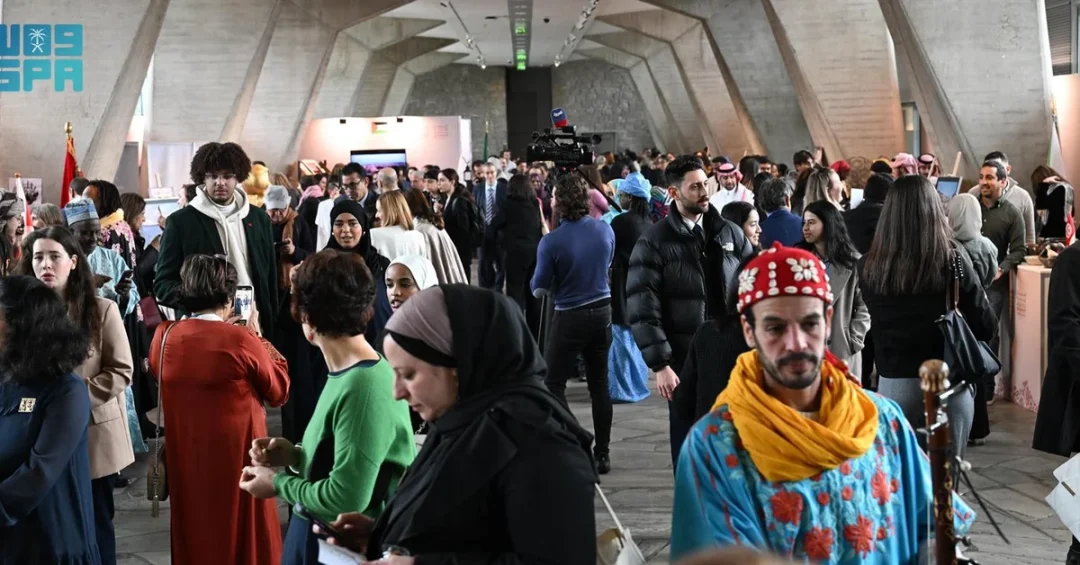
Saudi Arabia’s landmark initiative “Arab Week at UNESCO” has brought together 22 Arab countries at the United Nations Educational, Scientific, and Cultural Organization (UNESCO) headquarters in Paris, marking the first time in the history of Arab cooperation with the organization that the region’s diverse cultural heritage has been showcased on such a unified platform. The event, organized under the leadership of the Saudi National Commission for Education, Culture, and Science, represents a significant milestone in cultural diplomacy and reflects the Kingdom’s growing role as a bridge between the Arab world and the international community.
The initiative, announced via the Saudi Press Agency (SPA), provided participating nations with an unprecedented opportunity to present their rich cultural heritage through literature, art, seminars, and exhibitions. Isn’t it remarkable how a single initiative can transform cultural exchange into a powerful instrument for global dialogue? The event underscores Saudi Arabia’s commitment to fostering intercultural understanding while advancing the objectives of Vision 2030, the Kingdom’s comprehensive national transformation plan that emphasizes cultural enrichment and international engagement as pillars of its strategic vision.
Context and Background
How did this historic gathering come to fruition, and what does it signify for Arab cultural diplomacy? The “Arab Week at UNESCO” initiative emerged from sustained efforts by the Saudi National Commission for Education, Culture, and Science, which worked diligently to coordinate among 22 Arab nations and create a cohesive platform for cultural presentation. This commission, established to strengthen Saudi Arabia’s engagement with UNESCO and other international educational and cultural bodies, played a pivotal role in facilitating the participants’ presentations and ensuring that the harmony between diverse Arab cultures was effectively highlighted.
The event represents the first time in the history of Arab countries’ cooperation with UNESCO that such a comprehensive cultural showcase has been organized. UNESCO, headquartered in Paris, serves as the primary international body for promoting education, science, and culture globally, and its platform has historically been used by individual nations to present their heritage. The unified Arab presentation through this initiative marks a departure from traditional approaches, demonstrating a collective commitment to cultural diplomacy that transcends national boundaries.
The timing of this initiative is particularly significant given the evolving global landscape of cultural exchange. As nations increasingly recognize the soft power potential of cultural diplomacy, Saudi Arabia’s leadership in organizing this event positions the Kingdom as a forward-thinking advocate for Arab cultural heritage on the world stage. The initiative aligns with broader regional efforts to project a unified Arab identity while celebrating the unique contributions of each participating country.
Key Details and Participating Activities
What specific activities and presentations defined this groundbreaking cultural event? The “Arab Week at UNESCO” featured a comprehensive program of seminars addressing critical topics that bridge traditional heritage and contemporary innovation. These seminars covered the Arabic language, Arabic calligraphy, Arabic literature, artificial intelligence (AI), education, visual arts, intangible cultural heritage, and world heritage. Each seminar provided a platform for experts, scholars, and cultural practitioners to share insights and foster dialogue on how Arab cultural traditions can be preserved and promoted in an increasingly digital world.
The inclusion of artificial intelligence as a seminar topic demonstrates the initiative’s forward-looking approach, recognizing that technology plays an essential role in documenting, preserving, and disseminating cultural heritage. This integration of heritage and innovation reflects Saudi Arabia’s broader national strategy, which emphasizes technological advancement alongside cultural preservation. The seminars on Arabic calligraphy and literature highlighted the artistic and literary traditions that have shaped Arab civilization for centuries, while sessions on intangible and world heritage addressed the importance of safeguarding cultural practices and historical sites for future generations.
Beyond the seminars, the event included four distinct exhibitions that brought Arab culture to life for international audiences. These exhibitions showcased Arab culture broadly, Arabic calligraphy as a visual art form, photographs of heritage sites from across the Arab world, and Arab cultural products. The exhibitions provided tangible, immersive experiences that allowed visitors to engage directly with the artistic and historical richness of the region. Participating countries expressed their gratitude to the Kingdom of Saudi Arabia for providing this broad platform for intercultural dialogue, which promotes global understanding and peace while encouraging the exchange of knowledge and expertise across multiple fields.
International and Regional Impact
What does this level of international engagement mean for Arab cultural diplomacy moving forward? The “Arab Week at UNESCO” initiative has significant implications for how Arab nations present themselves to the global community. By uniting 22 countries under a single cultural umbrella, the event demonstrated that Arab identity encompasses remarkable diversity while maintaining shared threads of language, heritage, and tradition. This unified presentation challenges stereotypes and offers international audiences a nuanced understanding of Arab civilization’s contributions to global culture, science, and education.
The gratitude expressed by participating countries toward Saudi Arabia reflects the Kingdom’s emergence as a diplomatic leader capable of convening diverse stakeholders around common cultural objectives. This leadership extends beyond cultural matters, as the event also contributes to the development of education, culture, and science at both regional and global levels. The platform created through this initiative has the potential to serve as a model for future collaborative efforts, not only within the Arab world but also in broader international contexts where cultural exchange can foster mutual understanding and cooperation.
The event’s location at UNESCO headquarters in Paris added symbolic weight to the proceedings, placing Arab cultural heritage within the heart of international cultural governance. This positioning reinforces the message that Arab contributions to global civilization are integral to humanity’s shared heritage, deserving of recognition and preservation alongside other world cultures. The initiative thus serves both to celebrate Arab achievements and to advocate for their continued support through international frameworks.
Economic and Strategic Significance
How does cultural diplomacy translate into tangible economic and strategic benefits for Saudi Arabia and the broader region? Cultural initiatives like “Arab Week at UNESCO” play an increasingly important role in Saudi Arabia’s economic diversification strategy, which seeks to reduce dependence on oil revenues by developing new sectors including tourism, entertainment, and cultural industries. By raising the international profile of Arab cultural heritage, such events can stimulate interest in cultural tourism, encouraging visitors to explore the historical sites, museums, and artistic traditions showcased during the initiative.
The strategic value of this initiative extends to Saudi Arabia’s broader foreign policy objectives, which emphasize constructive engagement with international institutions and multilateral cooperation. By positioning itself as a leader in cultural diplomacy, the Kingdom strengthens its relationships with UNESCO member states, builds goodwill among international partners, and creates opportunities for collaboration in education, science, and cultural preservation. These relationships can yield diplomatic dividends across a range of issues, from trade and investment to security cooperation and regional stability.
Furthermore, the initiative supports the growth of Saudi Arabia’s creative economy, which Vision 2030 identifies as a key driver of job creation and economic diversification. By providing platforms for artists, writers, scholars, and cultural entrepreneurs to showcase their work internationally, events like “Arab Week at UNESCO” help develop markets for Arab cultural products and services. This economic dimension complements the initiative’s cultural and diplomatic objectives, creating a virtuous cycle in which cultural promotion generates economic opportunities that, in turn, support further cultural investment.
Vision 2030 Alignment
How does “Arab Week at UNESCO” embody the aspirations of Saudi Vision 2030, and what does its success signal about the Kingdom’s future trajectory? Vision 2030, launched in 2016 under the leadership of Crown Prince Mohammed bin Salman, articulates a comprehensive vision for Saudi Arabia’s transformation into a diversified, knowledge-based economy with a vibrant cultural sector and active international engagement. The “Arab Week at UNESCO” initiative directly advances several key objectives of this vision, including the promotion of Saudi culture and heritage globally, the strengthening of international partnerships, and the development of cultural and educational exchanges that enhance the Kingdom’s soft power.
The initiative also reflects Vision 2030’s emphasis on youth empowerment and innovation, as demonstrated by the inclusion of artificial intelligence in the seminar program and the engagement of young cultural practitioners alongside established experts. By positioning Saudi Arabia as a convener of Arab cultural dialogue and a bridge between the region and the international community, the Kingdom demonstrates the leadership role it aspires to play in global affairs. The success of “Arab Week at UNESCO” provides a foundation for future initiatives that will continue to elevate Arab cultural heritage on the world stage while advancing Saudi Arabia’s vision of a prosperous, culturally vibrant, and internationally engaged nation.
As Saudi Arabia continues its journey of transformation, cultural initiatives like this one will remain essential to achieving the Kingdom’s goals. The “Arab Week at UNESCO” represents not merely a single event but a template for ongoing cultural diplomacy that can be replicated and expanded in the years ahead. Through such efforts, Saudi Arabia reinforces its commitment to fostering global dialogue, promoting peace, and ensuring that the rich heritage of the Arab world receives the international recognition it deserves.
20 Questions
Q1. What is “Arab Week at UNESCO”?
A1. “Arab Week at UNESCO” is a Saudi-led initiative that brought together 22 Arab countries at UNESCO headquarters in Paris to showcase their cultural heritage through seminars, exhibitions, and artistic presentations, marking the first such unified Arab cultural event in the history of Arab cooperation with UNESCO.
Q2. Which organization hosted the event?
A2. The event was hosted at the United Nations Educational, Scientific, and Cultural Organization (UNESCO) headquarters in Paris, France. UNESCO serves as the primary international body for promoting education, science, and culture globally, providing a prestigious platform for the Arab cultural showcase.
Q3. How many Arab countries participated in the event?
A3. A total of 22 Arab countries participated in the “Arab Week at UNESCO” initiative, each showcasing their unique cultural heritage while contributing to a unified presentation of Arab civilization’s diversity and richness to the international community.
Q4. Which Saudi body organized the initiative?
A4. The Saudi National Commission for Education, Culture, and Science organized the initiative, exerting significant efforts to support participants’ presentations and highlight the harmony between the diverse cultures of the Arab world at this historic UNESCO event.
Q5. What seminars were included in the program?
A5. The event featured seminars on the Arabic language, Arabic calligraphy, Arabic literature, artificial intelligence (AI), education, visual arts, intangible cultural heritage, and world heritage, covering a comprehensive range of topics bridging traditional culture and contemporary innovation.
Q6. What exhibitions were part of “Arab Week at UNESCO”?
A6. Four exhibitions were featured: Arab culture, Arabic calligraphy, photographs of heritage sites in the Arab World, and Arab cultural products. These exhibitions provided immersive experiences showcasing the artistic and historical richness of the region.
Q7. Why is this event considered historic?
A7. The event is historic because it was organized for the first time in the history of Arab countries’ cooperation with UNESCO, marking an unprecedented unified presentation of Arab cultural heritage at the international organization’s headquarters in Paris.
Q8. How did participating countries respond to the initiative?
A8. Participating countries expressed their gratitude to the Kingdom of Saudi Arabia for providing a broad platform for intercultural dialogue, which promotes global dialogue and peace while encouraging the exchange of knowledge and expertise in various fields.
Q9. What role did Saudi Arabia play in organizing the event?
A9. Saudi Arabia, through its National Commission for Education, Culture, and Science, led the organization of the event, coordinating among 22 Arab nations, supporting participants’ presentations, and highlighting the harmony between diverse Arab cultures on the international stage.
Q10. How does the event promote intercultural dialogue?
A10. The event promotes intercultural dialogue by creating a welcoming platform where Arab countries showcase their heritage to international audiences, fostering understanding, encouraging knowledge exchange, and demonstrating the compatibility of cultural diversity with shared Arab identity.
Q11. What is the significance of including AI in the seminar program?
A11. Including artificial intelligence demonstrates the initiative’s forward-looking approach, recognizing technology’s role in documenting, preserving, and disseminating cultural heritage while bridging traditional Arab culture with contemporary innovation and digital transformation.
Q12. How does the event contribute to education and science?
A12. The initiative contributes to education and science by facilitating seminars and exchanges that promote knowledge sharing, cultural understanding, and academic cooperation at both regional and global levels, supporting UNESCO’s broader mission of advancing education and scientific collaboration.
Q13. What cultural products were showcased at the event?
A13. The exhibitions included Arab cultural products representing the creative industries of participating nations, showcasing traditional crafts, artistic works, and cultural artifacts that demonstrate the economic and artistic potential of Arab cultural heritage.
Q14. How does this event align with Saudi Vision 2030?
A14. The event aligns with Vision 2030 by promoting Saudi culture globally, strengthening international partnerships, developing cultural exchanges that enhance soft power, and supporting the growth of cultural industries as part of economic diversification efforts.
Q15. What message does the event send to the international community?
A15. The event communicates that Arab civilization encompasses remarkable diversity while maintaining shared threads of language, heritage, and tradition, and that Arab cultural contributions are integral to humanity’s shared heritage deserving international recognition and preservation.
Q16. How did Saudi Arabia benefit from organizing this initiative?
A16. Saudi Arabia strengthened its position as a diplomatic leader capable of convening diverse stakeholders, enhanced its international profile, built goodwill among UNESCO member states, and demonstrated its commitment to cultural diplomacy and Vision 2030 objectives.
Q17. What is the role of the Saudi National Commission for Education, Culture, and Science?
A17. The Commission strengthens Saudi Arabia’s engagement with UNESCO and international educational and cultural bodies, coordinates cultural initiatives, supports participants in international events, and advances the Kingdom’s cultural diplomacy objectives on the global stage.
Q18. How does the event support Arab cultural heritage preservation?
A18. The event supports preservation by raising international awareness of Arab cultural heritage, facilitating knowledge exchange on preservation practices, showcasing heritage sites and intangible cultural traditions, and advocating for continued support through international frameworks.
Q19. What future initiatives might follow this event’s success?
A19. The success of “Arab Week at UNESCO” provides a foundation for future cultural diplomacy initiatives that can replicate and expand this model, continuing to elevate Arab cultural heritage on the world stage while advancing Saudi Arabia’s international engagement objectives.
Q20. Where can readers find more information about this initiative?
A20. Readers can find official information about “Arab Week at UNESCO” and related Saudi cultural initiatives through the Saudi Press Agency (SPA), the Saudi National Commission for Education, Culture, and Science, and official UNESCO communications channels.
Reader Feedback
We value your thoughts. Please share your feedback on this article.
Your feedback helps us improve our coverage.
Related articles
 Saudi Pavilion at UNESCO Showcases Camel Culture to the World
 Two Falcons Fetch SAR196,000 at Saudi Auction
 KSGAAL Highlights Arab Cultural Richness at UNESCO Arab Week
 Arab Countries Commend Saudi-Led Arab Week at UNESCO
 UNESCO Chief Praises Saudi Arabia’s Arab Week Initiative
 International Translation Forum 2024: Riyadh Hosts Global Gathering