


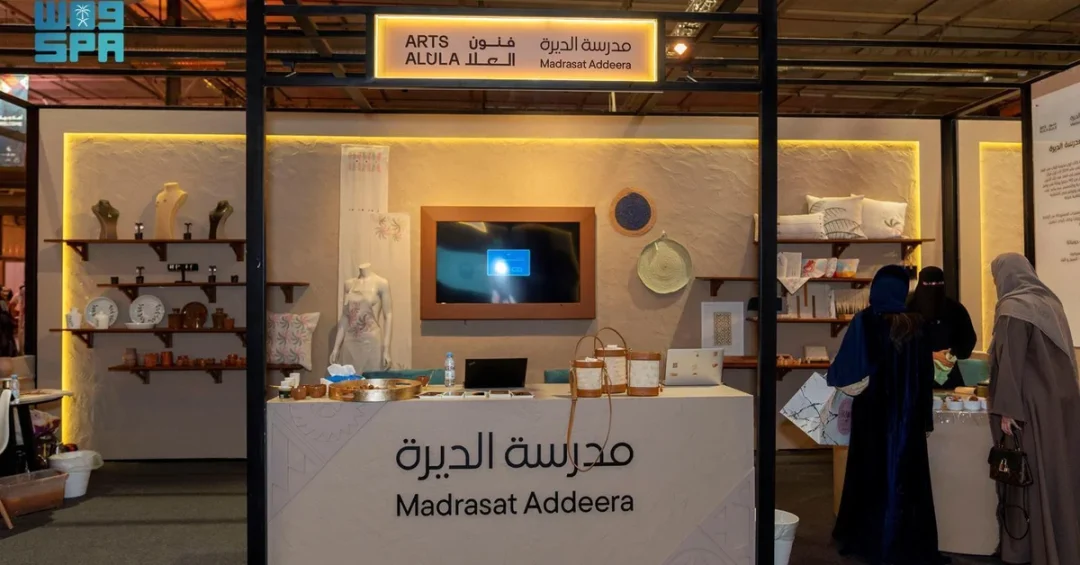
The Saudi International Handicrafts Week Exhibition (Banan), organized by the Heritage Commission, is delivering an exceptional experience for visitors in Riyadh, bringing together craftsmen from 25 countries alongside Saudi Arabia’s own master artisans in a vibrant celebration of traditional handicrafts. The second edition of the exhibition, held under the patronage of the Kingdom’s cultural authorities, transforms the venue into a living museum where heritage is not merely displayed but actively practiced, shared, and passed on to new generations. Visitors can watch Sadu weaving come to life, try their hand at wickerwork, and engage directly with artisans whose skills have been honed over decades.
Have you ever wondered what it feels like to stand beside a master craftsman and learn the precise movements that transform raw materials into works of art? At Banan, that question finds a tangible answer. The exhibition’s corridors are designed to evoke traditional Saudi architecture, with pavilions and passageways that draw visitors into an atmosphere of authenticity. The scent of wood and natural leather fills the air, creating a sensory journey that connects modern audiences with the Kingdom’s deep-rooted cultural heritage. It is this immersive quality that distinguishes Banan from conventional exhibitions and positions it as a must-visit destination for anyone seeking to understand the richness of Saudi and global handicraft traditions.
Context and Background
Why has the Kingdom of Saudi Arabia placed such emphasis on preserving and promoting traditional handicrafts? The answer lies in the nation’s broader cultural strategy, which recognizes heritage as a cornerstone of identity and a driver of sustainable development. The Heritage Commission, a body operating under the Ministry of Culture, organizes Banan as part of a systematic effort to document, celebrate, and sustain crafts that might otherwise fade in an era of rapid modernization. The exhibition’s name, Banan, evokes the idea of skilled hands and the artistry that flows through them, a fitting title for an event dedicated to the handmade.
The second edition of the Saudi International Handicrafts Week builds on the success of its inaugural run, expanding both the scale and scope of its programming. By inviting craftsmen from 25 countries, the Heritage Commission has created a platform for cross-cultural exchange that enriches the visitor experience while highlighting the universal language of craftsmanship. This international dimension reflects Saudi Arabia’s Vision 2030 objective of fostering global connections and positioning the Kingdom as a hub for cultural tourism and creative industries. The exhibition is not simply a showcase; it is a statement about the value Saudi society places on its past as it builds its future.
Key Details and Visitor Experience
What exactly awaits those who walk through the doors of Banan? The exhibition offers a multi-layered experience designed to engage visitors of all ages and backgrounds. At its core are the live demonstrations where craftsmen practice their trades in full view of the public. Visitors can observe the intricate steps involved in weaving Sadu, the traditional Bedouin textile art that has been inscribed on UNESCO’s Representative List of the Intangible Cultural Heritage of Humanity. They can also watch wickerwork being fashioned, embroidery being stitched, and a host of other crafts that demonstrate the diversity of Saudi heritage.
Beyond observation, Banan invites active participation. Adults can enroll in craft workshops where they acquire new skills and learn distinctive techniques directly from master artisans. These hands-on sessions transform passive spectators into participants, making the preservation of handicrafts a shared endeavor. For younger visitors, a dedicated children’s pavilion offers specially designed activities and programs aimed at developing their skills and sparking an early appreciation for traditional crafts. By catering to all age groups, the exhibition ensures that the chain of transmission from one generation to the next remains unbroken.
The international pavilions add another dimension to the visitor experience. In one pavilion, guests can learn about the techniques of making copper works in Morocco, while in another they explore handicraft decorations inspired by Asian heritage. This cultural diversity enhances the visitor’s understanding of handicrafts as a common denominator for different peoples, underscoring the idea that while techniques and styles may vary, the impulse to create with one’s hands is universal. The presence of craftsmen from 25 countries also provides an opportunity for Saudi artisans to exchange knowledge and ideas with their international counterparts, fostering innovation within tradition.
International and Regional Impact
How does an exhibition focused on handicrafts contribute to Saudi Arabia’s international standing? The answer lies in the soft power that cultural diplomacy generates. By hosting artisans from across the globe, Banan positions the Kingdom as a convener of cultures and a champion of heritage preservation. This aligns with the Ministry of Culture’s broader mission to promote cultural exchange and strengthen Saudi Arabia’s role as a global cultural destination. The exhibition also supports the growth of cultural tourism, attracting visitors from within the region and beyond who are eager to experience authentic craftsmanship in a setting that honors tradition while embracing modernity.
Regionally, Banan reinforces Saudi Arabia’s leadership in preserving Arab and Islamic heritage. The crafts on display, from Sadu weaving to copper work, represent a shared cultural legacy that transcends national borders. By providing a platform for artisans from different countries, the exhibition fosters a sense of solidarity and mutual respect among participating nations. It also serves as a model for how cultural events can drive economic activity, creating opportunities for craftsmen to sell their wares, build networks, and gain recognition. The presence of international media and cultural organizations further amplifies the exhibition’s reach, spreading its message of heritage preservation to a global audience.
Economic and Strategic Significance
Why should the economic dimensions of a handicrafts exhibition matter to observers of Saudi Arabia’s development? The handicrafts sector represents a valuable component of the creative economy, one that supports small businesses, empowers artisans, and generates income for communities across the Kingdom. By providing a high-profile platform for craftsmen to showcase and sell their products, Banan contributes to the growth of this sector and helps integrate it into the broader national economy. The exhibition also encourages entrepreneurship, as artisans gain exposure to market trends and consumer preferences that can inform the development of their businesses.
Strategically, Banan supports the diversification goals at the heart of Vision 2030. As the Kingdom seeks to reduce its dependence on oil revenues, cultural and creative industries emerge as promising areas for growth. The Heritage Commission’s work in organizing the exhibition is part of a wider effort to build an ecosystem that supports artisans, from training and certification to marketing and export. By investing in heritage, Saudi Arabia is investing in a sustainable economic future that leverages its unique cultural assets. The exhibition also stimulates ancillary sectors such as tourism, hospitality, and retail, creating a multiplier effect that benefits the wider economy.
Vision 2030 Alignment
How does Banan fit into the ambitious framework of Saudi Vision 2030? The exhibition directly supports several of the vision’s key pillars, including the creation of a vibrant society, the development of a diversified economy, and the promotion of national identity. By celebrating handicrafts, Banan reinforces the cultural foundations of Saudi society and ensures that future generations remain connected to their heritage. It also contributes to the vision’s goal of increasing cultural participation and enhancing the quality of life for citizens and residents alike.
Furthermore, the international character of the exhibition aligns with Vision 2030’s objective of strengthening Saudi Arabia’s global engagement. By welcoming craftsmen from 25 countries, the Kingdom demonstrates its openness to the world and its commitment to cultural exchange. This, in turn, supports efforts to attract tourists, investors, and partners who are interested in experiencing Saudi Arabia’s unique blend of tradition and modernity. As the exhibition continues to grow, it will undoubtedly play an increasingly important role in showcasing the Kingdom’s cultural vitality and its progress toward a prosperous and inclusive future.
20 Questions
Q1. What is the Saudi International Handicrafts Week Exhibition (Banan)?
A1. Banan is an annual exhibition organized by the Heritage Commission under the Ministry of Culture. It showcases traditional handicrafts from Saudi Arabia and 25 other countries, offering interactive activities, workshops, and live demonstrations for visitors of all ages.
Q2. Where and when is the Banan exhibition held?
A2. The exhibition is held in Riyadh, Saudi Arabia. The second edition took place in November 2024, as reported by the Saudi Press Agency, following the success of the inaugural edition.
Q3. Who organizes the Banan exhibition?
A3. The Heritage Commission, a government body operating under the Saudi Ministry of Culture, organizes the exhibition. The commission is responsible for preserving and promoting the Kingdom’s cultural heritage.
Q4. How many countries participate in Banan?
A4. Craftsmen from 25 countries participate in the exhibition, presenting their handicrafts and activities alongside Saudi artisans. This international participation makes Banan a truly global cultural destination.
Q5. What types of handicrafts are on display at Banan?
A5. The exhibition features a wide range of traditional crafts, including Sadu weaving, wickerwork, embroidery, copper works from Morocco, and Asian-inspired handicraft decorations. These represent the diversity of Saudi and international heritage.
Q6. Can visitors participate in activities at Banan?
A6. Yes, visitors can engage in interactive activities suitable for all ages. Adults can join craft workshops to learn new skills, while children have a dedicated pavilion with special programs designed to develop their abilities.
Q7. What is the significance of Sadu weaving at the exhibition?
A7. Sadu weaving is a traditional Bedouin textile art that has been inscribed on UNESCO’s Representative List of the Intangible Cultural Heritage of Humanity. At Banan, visitors can watch artisans demonstrate this intricate craft.
Q8. How does Banan support the transfer of heritage to future generations?
A8. Through interactive displays, workshops, and children’s programs, Banan makes visitors part of the preservation process. Young people learn about traditional crafts firsthand, ensuring these skills are passed on.
Q9. What is the atmosphere like at the Banan exhibition?
A9. The exhibition features pavilions and corridors inspired by traditional architecture. The scent of wood and natural leather fills the air, creating a nostalgic and immersive atmosphere that connects visitors with the past.
Q10. Are there opportunities to buy handicrafts at Banan?
A10. While the source material does not specify sales, such exhibitions typically provide opportunities for artisans to showcase and sell their products. Visitors can inquire at the venue for specific purchasing options.
Q11. How does Banan contribute to Saudi Arabia’s cultural tourism?
A11. By attracting visitors from within the region and internationally, Banan positions Saudi Arabia as a cultural destination. It supports the Ministry of Culture’s efforts to promote cultural tourism and showcase the Kingdom’s heritage.
Q12. What is the role of the Heritage Commission in Saudi Arabia?
A12. The Heritage Commission is responsible for preserving, documenting, and promoting Saudi Arabia’s cultural heritage. It organizes events like Banan to raise awareness and ensure the sustainability of traditional crafts.
Q13. How does Banan align with Saudi Vision 2030?
A13. Banan supports Vision 2030 by promoting cultural participation, diversifying the economy through creative industries, and strengthening national identity. It also enhances Saudi Arabia’s global engagement through international participation.
Q14. What can children do at the Banan exhibition?
A14. Children have access to a dedicated pavilion with special activities and programs designed to develop their skills. These activities introduce them to traditional crafts in an engaging and age-appropriate manner.
Q15. Are there workshops for adults at Banan?
A15. Yes, adults can participate in craft workshops where they learn new skills and distinctive techniques from master craftsmen. These hands-on sessions allow participants to create their own handicrafts.
Q16. What international crafts are featured at Banan?
A16. The exhibition includes crafts from 25 countries. Examples include copper works from Morocco and handicraft decorations inspired by Asian heritage, offering visitors a global perspective on traditional arts.
Q17. How does Banan promote cultural exchange?
A17. By bringing together craftsmen from different countries, Banan facilitates the exchange of techniques, ideas, and cultural perspectives. This fosters mutual understanding and appreciation among participating nations.
Q18. Is Banan an annual event?
A18. The source material refers to the second edition held in 2024, indicating that Banan is planned as a recurring event. The Heritage Commission is expected to continue organizing it in future years.
Q19. What makes Banan an exceptional experience for visitors?
A19. Banan offers a unique combination of live demonstrations, interactive workshops, international pavilions, and a nostalgic atmosphere. Visitors can actively engage with craftsmen and learn about heritage in a hands-on way.
Q20. How can someone attend the Banan exhibition?
A20. For information on dates, venue, and ticketing, interested individuals should consult official channels such as the Heritage Commission or the Saudi Ministry of Culture. Details are typically announced ahead of the event.
Reader Feedback
We value your thoughts. Please share your feedback on this article.
Your feedback helps us improve our coverage.
Related articles
 King Salman Academy Launches Arabic Digital Toolkit
 Ministry of Culture Selects 20 Research Proposals for Camel Studies Grant
 Saudi Arabia, France Deepen Cultural Cooperation with New Executive Programs
 Interior Ministry Launches Falconry Festival Stamp
 KSGAAL Concludes Arabic Language Month in Thailand
 Darah Showcases 2,000+ Manuscripts at Saudi Exhibition