


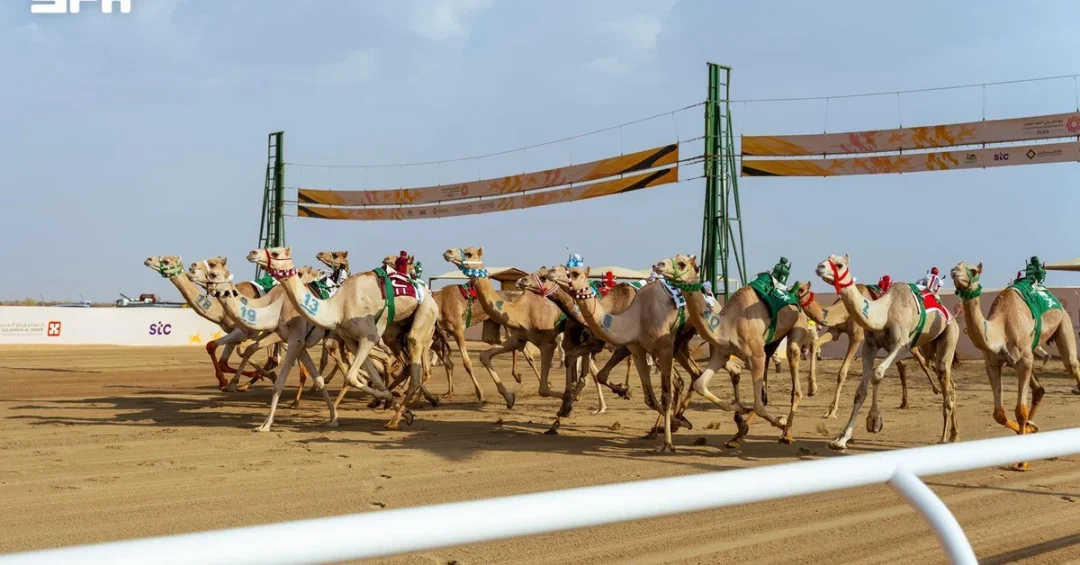
Camels competing in the Crown Prince Camel Festival have covered more than 14,000 kilometers across eight editions, with 4,050 races held at the historic Taif Camel Racing Track since the inaugural event in 2018. The eighth edition concluded today under the patronage of His Royal Highness Prince Mohammed bin Salman bin Abdulaziz Al Saud, Crown Prince and Prime Minister, and was organized by the Saudi Camel Racing Federation with prize money exceeding SAR50 million, according to the Saudi Press Agency (SPA).
Context and Background
The Crown Prince Camel Festival was launched in 2018 as part of Saudi Arabia’s efforts to preserve its cultural heritage and promote traditional sports. Held annually at the Taif Camel Racing Track, the festival has grown into a major international event that attracts participants from across the Kingdom and beyond. The Saudi Camel Racing Federation oversees the organization, ensuring that the races adhere to the highest standards while celebrating the deep-rooted bond between Saudis and camels. Over the years, the festival has expanded its competitions, increased prize money, and enhanced its reputation as a platform for cultural exchange and economic activity.
Key Details
The eighth edition, which wrapped up today, featured thousands of camels racing across various distances. The cumulative 14,000 kilometers covered since 2018 underscores the immense scale of the event, with 4,050 races conducted over the eight editions. The prize money for this edition alone exceeded SAR50 million, reflecting the festival’s growing prestige and the Kingdom’s commitment to rewarding excellence in this traditional sport. The races are not only a test of speed and endurance but also a celebration of the cultural heritage associated with camels, which have long been a symbol of life in the Arabian Peninsula. The festival also includes accompanying activities such as cultural exhibitions, markets, and educational programs that highlight the importance of camels in Saudi history.
Implications and Impact
The Crown Prince Camel Festival has significant implications for Saudi Arabia’s cultural, social, and economic landscape. It reinforces the Kingdom’s dedication to preserving its heritage while embracing modernity, aligning with the goals of Saudi Vision 2030. The event boosts local economies by attracting tourists, creating jobs, and supporting businesses in Taif and surrounding regions. Internationally, the festival enhances Saudi Arabia’s soft power by showcasing its rich traditions and hospitality. It also strengthens ties with other countries that share a passion for camel racing, fostering cultural diplomacy. The record participation and distances covered demonstrate the festival’s success in engaging a wide audience and promoting a positive image of the Kingdom.
Vision 2030 Alignment
The Crown Prince Camel Festival exemplifies Saudi Vision 2030’s objectives of diversifying the economy, empowering youth, and preserving cultural heritage. By investing in traditional sports and cultural events, the Kingdom creates new opportunities for tourism, entertainment, and small businesses. The festival also supports the Quality of Life Program by offering recreational activities that bring communities together. As Saudi Arabia continues to transform under Vision 2030, events like this highlight the nation’s ability to honor its past while building a vibrant future. The success of the eighth edition signals even greater achievements ahead, reinforcing the Kingdom’s role as a global leader in cultural preservation and sports development.
20 Questions
Q1. What is the Crown Prince Camel Festival?
A1. The Crown Prince Camel Festival is an annual camel racing event held in Taif, Saudi Arabia, organized by the Saudi Camel Racing Federation. It celebrates traditional sports and cultural heritage, with substantial prize money and widespread participation.
Q2. When did the festival first take place?
A2. The inaugural edition was held in 2018. Since then, it has grown significantly, with eight editions completed as of 2026, each featuring more races and higher participation.
Q3. Where is the festival held?
A3. It is held at the historic Taif Camel Racing Track in Taif, Saudi Arabia. This venue has hosted all eight editions and is equipped to accommodate large-scale races and spectators.
Q4. Who organizes the festival?
A4. The Saudi Camel Racing Federation organizes the festival under the patronage of Crown Prince Mohammed bin Salman. The federation ensures the event meets high standards and promotes camel racing.
Q5. How many kilometers have camels covered in total?
A5. Camels have covered more than 14,000 kilometers across the eight editions. This cumulative distance highlights the scale and endurance of the races over the years.
Q6. How many races have been held since 2018?
A6. A total of 4,050 races have been conducted since the festival’s debut. This number reflects the consistent expansion of the event and its growing competitive field.
Q7. What was the prize money for the eighth edition?
A7. The prize money exceeded SAR50 million. This substantial amount underscores the festival’s prestige and the Kingdom’s commitment to rewarding excellence in traditional sports.
Q8. Who is the patron of the festival?
A8. His Royal Highness Prince Mohammed bin Salman bin Abdulaziz Al Saud, Crown Prince and Prime Minister, is the patron. His support reflects the leadership’s dedication to cultural heritage.
Q9. What is the significance of camel racing in Saudi culture?
A9. Camel racing is a traditional sport deeply rooted in Saudi heritage, symbolizing the historical bond between Saudis and camels. It is celebrated as a cultural treasure and a competitive activity.
Q10. How does the festival contribute to Vision 2030?
A10. It aligns with Vision 2030 by promoting cultural preservation, economic diversification, and tourism. The event creates jobs, supports local businesses, and enhances Saudi Arabia’s global image.
Q11. What are some accompanying activities at the festival?
A11. The festival includes cultural exhibitions, traditional markets, and educational programs. These activities highlight the importance of camels in Saudi history and provide entertainment for visitors.
Q12. How many editions of the festival have been completed?
A12. Eight editions have been completed, with the eighth concluding in 2026. Each edition has built on the success of the previous ones, expanding in scale and participation.
Q13. What is the role of the Saudi Camel Racing Federation?
A13. The federation organizes and oversees the festival, ensuring fair competition and adherence to regulations. It also works to promote camel racing as a sport and cultural tradition.
Q14. How has the festival evolved over the years?
A14. The festival has grown in terms of races, distances, and prize money. It has expanded its competitions and increased international participation, reflecting its rising prominence.
Q15. What economic benefits does the festival bring?
A15. It boosts local economies by attracting tourists, creating jobs, and supporting businesses in Taif and beyond. The event also stimulates investment in infrastructure and services.
Q16. How does the festival promote cultural exchange?
A16. By inviting participants and spectators from various countries, the festival fosters cultural exchange and showcases Saudi hospitality. It strengthens ties with nations that share an interest in camel racing.
Q17. What is the historical significance of Taif in camel racing?
A17. Taif has a long history of camel racing and is home to a renowned track. Hosting the festival there highlights the city’s cultural importance and its role in preserving heritage.
Q18. How does the festival support youth and community engagement?
A18. The festival offers opportunities for young people to participate in organizing and competing, fostering a sense of pride and community. It also provides entertainment for families.
Q19. What international recognition has the festival received?
A19. The festival has gained recognition as a major cultural and sporting event, attracting international media coverage and participants. It enhances Saudi Arabia’s soft power and global standing.
Q20. What does the future hold for the Crown Prince Camel Festival?
A20. The festival is expected to continue growing, with more editions and expanded activities. It will remain a key part of Saudi Arabia’s cultural calendar and Vision 2030 initiatives.
Reader Feedback
We value your thoughts. Please share your feedback on this article.
Your feedback helps us improve our coverage.