


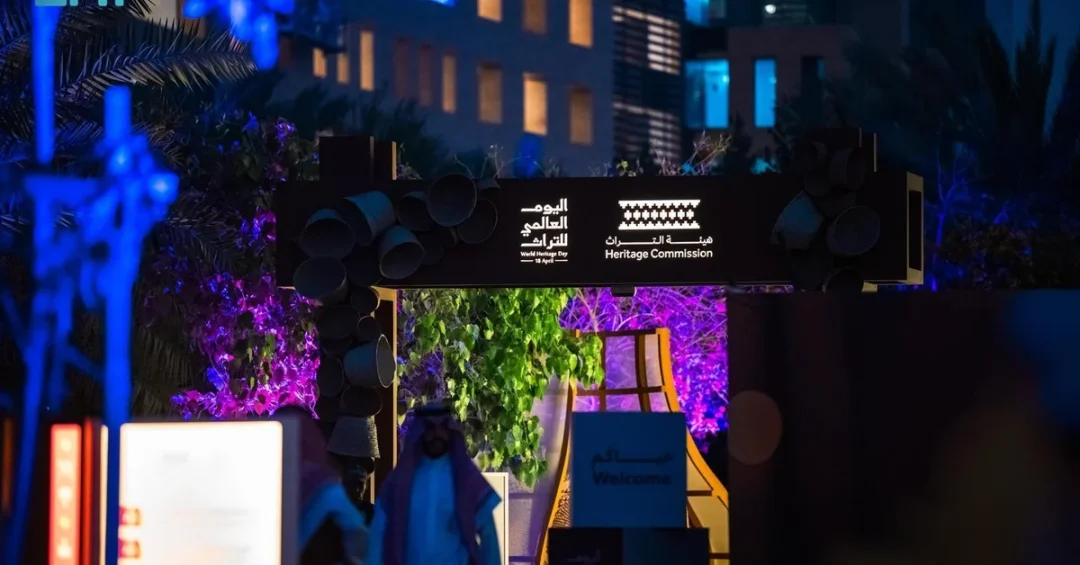
The Heritage Commission has launched a series of heritage and cultural events from April 16 to 21 at Laysen Valley in Riyadh to mark World Heritage Day, observed annually on April 18. The initiative, announced via the Saudi Press Agency, aims to raise public awareness of the importance of national heritage by highlighting the Kingdom’s World Heritage Sites and affirming their significance on the global map. Have you ever wondered how a nation can celebrate its past while building its future? The events offer an exceptional experience, allowing visitors to explore the Kingdom’s rich heritage through innovative and interactive means.
The Heritage Commission, a key entity under the Ministry of Culture, is keen to prepare for and celebrate this day as a vital means of honoring the Kingdom’s rich heritage and creatively showcasing its cultural components and historical depth to all segments of society. The program includes drone shows on April 18 at the Heritage Valley area, a designated children’s area, and pavilions showcasing heritage arts and handicrafts. Workshops, live demonstrations by artisans, and dedicated retail spaces where artisans display and sell their handmade products are also part of the lineup. This multifaceted approach not only entertains but educates, ensuring that both locals and international visitors gain a deeper appreciation of Saudi Arabia’s cultural legacy.
Context and Background
World Heritage Day, also known as the International Day for Monuments and Sites, is celebrated globally on April 18 each year. It was established by the International Council on Monuments and Sites (ICOMOS) in 1983 and later approved by UNESCO. The day serves to raise awareness about the diversity of cultural heritage and the efforts required to protect and conserve it. For Saudi Arabia, this observance holds particular significance as the Kingdom is home to seven UNESCO World Heritage Sites, including the archaeological site of Al-Hijr (Madain Salih), the historic area of Diriyah, and the rock art of the Hail region. These sites are not only treasures of the past but also pillars of the Kingdom’s tourism and cultural identity. How does a country balance the preservation of ancient sites with the demands of modernization? Saudi Arabia’s Vision 2030 provides a roadmap that integrates heritage conservation with economic diversification and social progress.
The Heritage Commission, established in 2019 as part of the Ministry of Culture’s restructuring, is tasked with preserving and promoting Saudi Arabia’s cultural heritage. Its mandate includes documenting archaeological sites, supporting heritage-related research, and organizing events that engage the public. The commission’s activities align with the National Transformation Program and Vision 2030, which emphasize the importance of cultural heritage as a driver of economic growth and national pride. By hosting events at Laysen Valley, a popular recreational destination in Riyadh, the commission ensures accessibility and broad outreach. The choice of venue reflects a strategic effort to integrate heritage into everyday life, making it part of the urban experience rather than a distant concept.
The timing of these events is also significant. They coincide with a period of increased cultural activity in the Kingdom, following the successful hosting of numerous international events, including the Riyadh Season and the Diriyah Biennale. These initiatives have positioned Saudi Arabia as a global hub for cultural exchange, attracting millions of visitors and generating substantial economic benefits. The Heritage Commission’s program thus builds on this momentum, leveraging the growing interest in Saudi culture to further elevate the Kingdom’s profile on the world stage. Moreover, the events provide a platform for local artisans and craftsmen to showcase their skills, contributing to the preservation of traditional crafts and supporting small businesses. This holistic approach ensures that heritage is not just preserved but also actively integrated into the contemporary socio-economic fabric.
Key Details of the Celebration
The Heritage Commission’s program is packed with activities designed to offer an immersive experience. The drone shows on April 18 at the Heritage Valley area are expected to be a highlight, using cutting-edge technology to depict images of Saudi Arabia’s World Heritage Sites. This fusion of modern technology with ancient heritage symbolizes the Kingdom’s forward-looking approach. The designated children’s area aims to instill a sense of pride and curiosity in the younger generation, with interactive games and educational activities that teach them about their cultural roots. Such initiatives are crucial for ensuring that heritage remains relevant to future generations. Have you considered how engaging the youth today can secure the legacy of tomorrow? By targeting children, the commission is planting the seeds for a lifelong appreciation of heritage.
Pavilions showcasing heritage arts and handicrafts provide a window into the Kingdom’s diverse cultural traditions. Visitors can observe artisans at work, learning about techniques passed down through generations. These live demonstrations not only entertain but also educate, offering insights into the craftsmanship behind items such as traditional textiles, pottery, and jewelry. The dedicated retail spaces allow artisans to sell their handmade products, providing them with income and recognition. This direct engagement supports the sustainability of traditional crafts, many of which are at risk of disappearing due to modernization. By creating a market for these products, the commission helps preserve intangible cultural heritage while empowering local communities.
Workshops and interactive sessions further enrich the experience, allowing participants to try their hand at traditional crafts under the guidance of experts. These hands-on activities foster a deeper connection to heritage, transforming passive observation into active participation. The program also includes cultural performances, storytelling sessions, and culinary experiences that showcase the flavors of different regions. Each element is designed to appeal to a wide audience, from families to tourists, ensuring that everyone finds something to enjoy and learn from. The events are free and open to the public, reflecting the commission’s commitment to inclusivity and accessibility. This open-door policy aligns with Vision 2030’s goal of enhancing the quality of life for all citizens and residents, making cultural enrichment available to everyone.
International and Regional Impact
Saudi Arabia’s celebration of World Heritage Day is part of a broader effort to engage with the international community and promote cultural diplomacy. By highlighting its World Heritage Sites, the Kingdom showcases its commitment to preserving global heritage and participating in UNESCO’s mission. This aligns with the Kingdom’s active role in international organizations and its desire to foster cross-cultural understanding. The events also attract international tourists, contributing to the growth of the tourism sector, a key pillar of Vision 2030. Visitors from around the world can experience Saudi hospitality and learn about its rich history, thereby strengthening people-to-people ties. How does cultural exchange contribute to global peace and mutual respect? Saudi Arabia’s initiatives like this demonstrate that heritage can be a bridge between nations.
Regionally, the events reinforce Saudi Arabia’s position as a leader in cultural preservation in the Middle East. Neighboring countries often look to the Kingdom for best practices in heritage management and tourism development. The Heritage Commission’s innovative approach, blending technology with tradition, sets a benchmark for others to follow. Moreover, the celebration provides an opportunity for regional cooperation, as experts and artisans from across the Arab world may participate. Such collaborations enhance cultural ties and promote a shared sense of identity. The Kingdom’s efforts also support the broader Arab cultural renaissance, contributing to the preservation of the region’s collective heritage. In a world where cultural globalization can sometimes erode local identities, Saudi Arabia’s proactive stance serves as a model for balancing openness with preservation.
Economic and Strategic Significance
The economic impact of heritage tourism is substantial. According to the World Travel and Tourism Council, cultural tourism accounts for a significant portion of global travel, and Saudi Arabia is poised to capture a larger share. The Heritage Commission’s events stimulate local economies by attracting visitors to Riyadh’s Laysen Valley, benefiting hotels, restaurants, and retail outlets. The retail spaces for artisans generate direct income for craftsmen, many of whom are small business owners. This aligns with Vision 2030’s goal of diversifying the economy away from oil and creating job opportunities in the tourism and culture sectors. By investing in heritage, the Kingdom is building a sustainable economic asset that can generate revenue for generations. Have you ever considered how a single cultural festival can ripple through an economy? The multiplier effect is real, as spending by tourists and locals supports a wide range of businesses.
Strategically, the celebration enhances Saudi Arabia’s soft power. By presenting itself as a custodian of world heritage, the Kingdom strengthens its international image and influence. This is particularly important as Saudi Arabia seeks to attract foreign investment and partnerships under Vision 2030. Cultural diplomacy complements economic and political diplomacy, creating a favorable environment for collaboration. Furthermore, the events contribute to social cohesion by bringing together diverse segments of society in a shared celebration of national identity. This fosters a sense of belonging and pride, which is essential for the stability and prosperity of the nation. The Heritage Commission’s work thus supports both the economic and social dimensions of Vision 2030, demonstrating the interconnectedness of culture, economy, and society.
Vision 2030 Alignment
The Heritage Commission’s World Heritage Day events exemplify the objectives of Saudi Vision 2030, particularly in the areas of culture, tourism, and quality of life. Vision 2030 aims to increase the contribution of the cultural sector to the economy and to promote Saudi Arabia as a destination for cultural tourism. By organizing events that highlight the Kingdom’s World Heritage Sites, the commission directly supports these goals. The focus on interactive experiences and youth engagement also aligns with the vision’s emphasis on education and innovation. Moreover, the events contribute to the National Transformation Program by enhancing community participation and fostering national pride. As Saudi Arabia continues its journey of transformation, such initiatives will play a crucial role in preserving the past while embracing the future.
In conclusion, the Heritage Commission’s launch of cultural events to mark World Heritage Day is a testament to the Kingdom’s dedication to preserving and promoting its rich heritage. Through a diverse program of activities, the commission not only educates the public but also stimulates economic activity and strengthens international ties. This initiative reflects the forward-looking vision of Saudi leadership, which recognizes that a nation’s heritage is a source of strength and a foundation for progress. As the world looks to Saudi Arabia for leadership in cultural preservation, the Kingdom stands ready to share its story and celebrate its legacy. The events at Laysen Valley are more than a commemoration; they are a statement of identity and a promise for the future.
20 Questions
Q1. What is World Heritage Day and when is it observed?
A1. World Heritage Day, also known as the International Day for Monuments and Sites, is observed annually on April 18. It was established by ICOMOS in 1983 and approved by UNESCO to raise awareness about cultural heritage preservation.
Q2. Where and when are the Heritage Commission’s events taking place?
A2. The events are taking place from April 16 to 21 at Laysen Valley in Riyadh, Saudi Arabia. They are organized by the Heritage Commission to mark World Heritage Day.
Q3. What is the main goal of these cultural events?
A3. The main goal is to raise public awareness of the importance of national heritage by highlighting Saudi Arabia’s World Heritage Sites and affirming their significance on the global map.
Q4. What are some highlights of the event program?
A4. Highlights include drone shows on April 18 at the Heritage Valley area, a children’s area, pavilions for heritage arts and handicrafts, workshops, live artisan demonstrations, and retail spaces for handmade products.
Q5. How many UNESCO World Heritage Sites does Saudi Arabia have?
A5. Saudi Arabia currently has seven UNESCO World Heritage Sites, including Al-Hijr (Madain Salih), the historic area of Diriyah, and the rock art of the Hail region.
Q6. What is the role of the Heritage Commission?
A6. The Heritage Commission, under the Ministry of Culture, is responsible for preserving and promoting Saudi Arabia’s cultural heritage through documentation, research, and public engagement initiatives.
Q7. How do these events support Vision 2030?
A7. They support Vision 2030 by promoting cultural tourism, diversifying the economy, creating job opportunities, and enhancing the quality of life for citizens and residents.
Q8. What can visitors expect at the children’s area?
A8. The children’s area offers interactive games and educational activities designed to teach young visitors about Saudi heritage in a fun and engaging way, fostering pride and curiosity.
Q9. Are there opportunities for artisans to sell their products?
A9. Yes, dedicated retail spaces allow artisans to display and sell their handmade products, providing income and recognition while supporting traditional crafts.
Q10. What are the drone shows about?
A10. The drone shows on April 18 use advanced technology to depict images of Saudi Arabia’s World Heritage Sites, symbolizing the fusion of modern innovation with ancient heritage.
Q11. Is the event open to the public?
A11. Yes, the events are free and open to the public, reflecting the Heritage Commission’s commitment to inclusivity and accessibility for all segments of society.
Q12. How does this event contribute to cultural diplomacy?
A12. By showcasing its heritage to the world, Saudi Arabia strengthens international cultural ties, attracts tourists, and positions itself as a leader in heritage preservation, enhancing its soft power.
Q13. What types of workshops are offered?
A13. Workshops include hands-on sessions in traditional crafts such as pottery, textile weaving, and jewelry making, led by skilled artisans who share their expertise with participants.
Q14. What economic benefits do these events bring?
A14. They stimulate local economies by attracting visitors to Riyadh, benefiting hotels, restaurants, and retail, while also generating income for artisans and supporting small businesses.
Q15. How does the event engage the youth?
A15. Through the children’s area, interactive workshops, and educational activities, the event engages youth by making heritage fun and relevant, ensuring future generations appreciate their cultural roots.
Q16. What is the significance of Laysen Valley as the venue?
A16. Laysen Valley is a popular recreational destination in Riyadh, making heritage accessible to a broad audience and integrating cultural experiences into everyday urban life.
Q17. Are there any culinary experiences at the event?
A17. Yes, the program includes culinary experiences showcasing traditional Saudi dishes from various regions, allowing visitors to taste the flavors of the Kingdom’s diverse heritage.
Q18. How does the event promote national pride?
A18. By celebrating Saudi Arabia’s rich heritage and World Heritage Sites, the event fosters a sense of pride and belonging among citizens, reinforcing national identity and unity.
Q19. What role does technology play in the event?
A19. Technology is used innovatively, such as in drone shows and interactive displays, to present heritage in a modern and engaging way, appealing to younger and tech-savvy audiences.
Q20. What is the expected impact of these events on tourism?
A20. The events are expected to boost cultural tourism, attracting both domestic and international visitors, and contributing to the growth of the tourism sector as part of Vision 2030.
Reader Feedback
We value your thoughts. Please share your feedback on this article.
Your feedback helps us improve our coverage.
Related articles
 IAU Launches First Museum Studies Diploma with SOAS
 Jeddah Historic District Program Joins World Heritage Day 2025
 Film Commission Joins 11th Saudi Film Festival to Boost Cinema
 AlUla Launches Mud House Restoration to Revitalize Heritage
 Sharareef: Architectural Gems of Najran’s Ancient Artistry
 Eastern Region: A Historical and Modern Hub for Gold and Jewelry Craftsmanship