


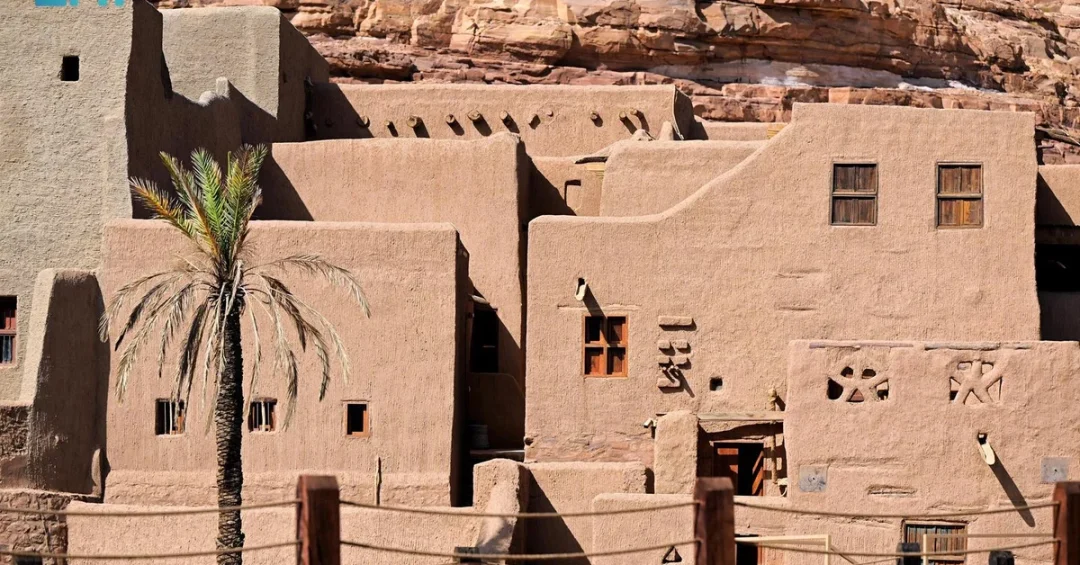
The Royal Commission for AlUla (RCU) is leading extensive mud house restoration projects across AlUla Governorate, an initiative announced on April 18, 2025, that aims to preserve the region’s unique architectural heritage and revitalize its traditional urban fabric. The effort, reported by the Saudi Press Agency, aligns with the Kingdom’s Vision 2030 to safeguard national heritage and reinforce AlUla’s distinct cultural identity. Could this be a model for heritage preservation worldwide?
AlUla, located in northwestern Saudi Arabia, is renowned for its dramatic desert landscapes and ancient civilizations, including the Nabataean tombs of Hegra, the Kingdom’s first UNESCO World Heritage Site. The mud houses, built from clay, stone, and palm fronds, represent a traditional way of life passed down through generations. The RCU’s restoration projects encompass the rehabilitation of the old town, the restoration of heritage neighborhoods, and the adaptive reuse of historic structures. This comprehensive approach not only preserves the past but also transforms these buildings into vibrant tourist and cultural attractions, from small museums to heritage guesthouses. The initiative underscores Saudi Arabia’s commitment to honoring its roots while embracing a future of cultural and economic vitality.
Context and Background
Why does AlUla hold such a special place in Saudi Arabia’s cultural landscape? The governorate is often described as a living museum, where millennia of history are etched into its sandstone canyons and mud-brick settlements. The Royal Commission for AlUla, established in 2017, is tasked with developing and promoting the region as a premier heritage and tourism destination. The mud houses, many of which date back centuries, are integral to AlUla’s identity, representing a traditional way of life that has endured through generations. Their restoration is not merely about preserving buildings; it is about safeguarding a cultural narrative that forms a fundamental component of the region’s social and historical tapestry.
The focus on mud houses stems from their role as a symbol of AlUla’s heritage. These structures, with their thick walls and natural ventilation, were ingeniously adapted to the desert climate. However, over time, many have fallen into disrepair due to environmental factors and neglect. The RCU’s restoration projects are a direct response to this challenge, aiming to revive the old town and heritage neighborhoods while meticulously preserving their authentic architectural character. By prioritizing traditional materials such as clay, stone, and palm trees, the RCU ensures that the original aesthetic is maintained. At the same time, modern techniques are integrated to enhance sustainability and resilience against environmental threats. This balanced approach reflects a deep respect for the past and a forward-looking vision for the future.
Key Details of the Restoration Projects
What exactly do these restoration projects entail? The RCU’s efforts are multifaceted, encompassing the rehabilitation of the old town, the restoration of heritage neighborhoods and adjacent sites, and the adaptive reuse of historic structures. The old town of AlUla, a labyrinth of narrow alleys and mud-brick houses, is being carefully restored to its former glory. Heritage neighborhoods, which have witnessed centuries of human habitation, are being revitalized with an eye toward preserving their unique character. The RCU is collaborating with heritage architecture experts and local craftsmen to ensure that the rehabilitation meets the highest standards. This collaboration not only guarantees authenticity but also empowers the local community by providing employment opportunities for craftsmen and restoration specialists.
Beyond physical restoration, the projects are transforming select buildings into tourist and cultural attractions. Small museums will showcase AlUla’s rich history, art galleries will display works inspired by the region, and heritage guesthouses will offer visitors an immersive experience of traditional hospitality. Shops and restaurants will further enhance the visitor experience, creating a vibrant cultural hub that seamlessly blends authenticity with modern development. This strategic repurposing aims to elevate AlUla’s status as a global tourist destination, attracting visitors from around the world who seek both cultural enrichment and luxurious comfort. The RCU’s commitment to using traditional materials and techniques ensures that these new functions do not compromise the buildings’ historical integrity.
Moreover, the restoration projects present valuable opportunities to support the AlUla community. By engaging local craftsmen and restoration specialists, the RCU is fostering economic growth and skill development. Training programs and awareness campaigns are designed to cultivate a culture of heritage preservation, ensuring that future generations continue to value and protect their cultural legacy. Coinciding with World Heritage Day on April 18, these projects underscore AlUla’s pioneering role in preserving urban heritage through initiatives that protect local architectural identity and revitalize historical sites. This alignment with World Heritage Day highlights the Kingdom’s broader commitment to preserving and enhancing its cultural heritage within a comprehensive vision for the future.
International and Regional Impact
How will these restoration projects impact the region and the world? AlUla’s emergence as a global tourist destination is already reshaping perceptions of Saudi Arabia. The restoration of mud houses adds a new dimension to the region’s appeal, offering visitors a chance to step back in time while enjoying modern amenities. This initiative positions AlUla as a competitor to other heritage destinations in the Middle East, such as Petra in Jordan and Luxor in Egypt. By preserving its unique architectural heritage, AlUla can attract cultural tourists who are increasingly seeking authentic experiences. The projects also contribute to the diversification of Saudi Arabia’s economy, reducing dependence on oil and creating jobs in tourism, hospitality, and related sectors.
On a regional level, the restoration projects foster a sense of pride and identity among Saudis. They serve as a reminder of the Kingdom’s rich history and its role as a crossroads of civilizations. By investing in heritage preservation, Saudi Arabia demonstrates its commitment to cultural diplomacy and soft power. The RCU’s collaboration with international experts and organizations further enhances AlUla’s global standing. These efforts also align with UNESCO’s objectives, promoting cultural exchange and mutual understanding. As AlUla continues to develop, it will likely become a hub for cultural events, conferences, and festivals, drawing attention from around the world. The restoration of mud houses is thus not just a local project but a global statement about the importance of preserving cultural heritage.
Economic and Strategic Significance
What economic benefits can be expected from these restoration projects? The revitalization of AlUla’s heritage sites is a key component of Saudi Arabia’s Vision 2030, which aims to diversify the economy and increase tourism’s contribution to GDP. By transforming mud houses into tourist attractions, the RCU is creating new revenue streams and stimulating local businesses. Heritage guesthouses, shops, and restaurants will generate income and employment, while the increased flow of tourists will boost demand for services such as transportation, guides, and handicrafts. The projects also attract investment in infrastructure and hospitality, further driving economic growth. The use of local materials and labor ensures that the economic benefits remain within the community, fostering sustainable development.
Strategically, the restoration of AlUla’s mud houses reinforces Saudi Arabia’s position as a leader in cultural heritage preservation. It showcases the Kingdom’s ability to balance modernization with tradition, a narrative that resonates with global audiences. This initiative also supports the goals of the Saudi Tourism Authority, which seeks to attract 100 million visitors annually by 2030. AlUla, with its unique blend of natural and cultural attractions, is poised to become a flagship destination. The RCU’s efforts to engage the local community through training and awareness campaigns ensure that the benefits of tourism are shared widely. By investing in heritage, Saudi Arabia is not only preserving its past but also building a prosperous and sustainable future.
Vision 2030 Alignment
How do these restoration projects align with Vision 2030? Saudi Arabia’s Vision 2030 is a comprehensive plan to transform the Kingdom into a global powerhouse, with a strong emphasis on cultural heritage as a driver of economic and social development. The RCU’s mud house restoration projects are a direct manifestation of this vision, preserving national heritage while revitalizing traditional urban fabric. By safeguarding AlUla’s architectural identity, the projects contribute to the Kingdom’s cultural objectives and enhance its soft power. They also support the vision’s economic goals by creating jobs, attracting tourists, and diversifying revenue sources. The integration of modern techniques with traditional materials exemplifies the vision’s call for innovation while respecting heritage.
Furthermore, the projects reflect the vision’s focus on community engagement and human capital development. Through training programs and awareness campaigns, the RCU is empowering local craftsmen and fostering a culture of preservation. This ensures that the legacy of AlUla’s mud houses will endure for future generations. As Saudi Arabia continues to open up to the world, initiatives like these demonstrate its commitment to sharing its rich culture and history. The restoration of AlUla’s mud houses is not just about preserving buildings; it is about building a bridge between the past and the future, in line with Vision 2030’s overarching goal of a vibrant, diversified, and globally engaged Kingdom.
20 Questions
Q1. What is the Royal Commission for AlUla (RCU)?
A1. The RCU is a Saudi government body established in 2017 to develop and promote AlUla as a premier heritage and tourism destination, aligning with Vision 2030 to preserve national heritage and revitalize the region’s cultural identity.
Q2. Why are mud houses important to AlUla’s heritage?
A2. Mud houses represent a traditional way of life passed down through generations and are integral to AlUla’s identity, forming a fundamental component of the region’s social and historical tapestry.
Q3. What materials are used in the restoration of mud houses?
A3. Restoration prioritizes traditional materials such as clay, stone, and palm trees to preserve the original aesthetic, while integrating modern techniques to enhance sustainability and resilience against environmental factors.
Q4. How does the RCU ensure the authenticity of the restoration?
A4. The RCU collaborates with heritage architecture experts and local craftsmen to ensure that the rehabilitation meets the highest standards and preserves the authentic architectural character of the buildings.
Q5. What are some adaptive reuse plans for the restored buildings?
A5. Select buildings are being transformed into tourist and cultural attractions, such as small museums, art galleries, heritage guesthouses, shops, and restaurants, to elevate AlUla as a global tourist destination.
Q6. How do these projects benefit the local community?
A6. They provide employment for craftsmen and restoration specialists, and through training programs and awareness campaigns, they cultivate a culture of heritage preservation and ensure its continuity for future generations.
Q7. When is World Heritage Day observed, and how does it relate to these projects?
A7. World Heritage Day is observed on April 18. The restoration projects coincide with this day, underscoring AlUla’s pioneering role in preserving urban heritage and reflecting the Kingdom’s commitment to cultural heritage.
Q8. What is the significance of AlUla in Saudi Arabia’s tourism strategy?
A8. AlUla is a flagship destination for Saudi Arabia’s tourism strategy, offering a unique blend of natural and cultural attractions, including the UNESCO World Heritage Site of Hegra, and aims to attract international visitors.
Q9. How does the restoration of mud houses align with Vision 2030?
A9. It aligns with Vision 2030 by safeguarding national heritage, diversifying the economy through tourism, creating jobs, and reinforcing Saudi Arabia’s cultural identity and global engagement.
Q10. What challenges do the restoration projects face?
A10. Challenges include preserving authenticity while integrating modern techniques, ensuring sustainability against environmental factors, and maintaining the balance between heritage conservation and tourism development.
Q11. Who are the key partners in the restoration projects?
A11. The RCU collaborates with heritage architecture experts, local craftsmen, and the local community to ensure the projects meet high standards and benefit the region.
Q12. How will the restored mud houses attract tourists?
A12. They will offer immersive cultural experiences through museums, galleries, guesthouses, shops, and restaurants, blending authenticity with modern amenities, appealing to cultural tourists seeking unique destinations.
Q13. What economic benefits are expected from these projects?
A13. They are expected to create jobs, stimulate local businesses, attract investment, and increase tourism’s contribution to GDP, supporting Saudi Arabia’s economic diversification goals.
Q14. How does the RCU engage the local community in preservation efforts?
A14. Through training programs and awareness campaigns, the RCU involves the community in heritage preservation, fostering a sense of ownership and ensuring the continuity of preservation efforts.
Q15. What role does AlUla play in Saudi Arabia’s cultural diplomacy?
A15. AlUla serves as a cultural bridge, showcasing Saudi Arabia’s rich heritage to the world, enhancing soft power, and promoting cultural exchange and mutual understanding.
Q16. How does the restoration of mud houses contribute to sustainable development?
A16. By using local materials and labor, and by repurposing buildings for tourism, the projects promote sustainable development, balancing economic growth with cultural and environmental preservation.
Q17. What is the significance of using traditional materials like clay and stone?
A17. Traditional materials preserve the original aesthetic and authenticity of the mud houses, ensuring that the restoration respects the architectural heritage of AlUla.
Q18. How do modern techniques enhance the restoration?
A18. Modern techniques improve the sustainability and resilience of the restored buildings, protecting them against environmental factors while maintaining their historical integrity.
Q19. What can visitors expect to experience in restored mud houses?
A19. Visitors can explore small museums, art galleries, heritage guesthouses, shops, and restaurants, experiencing AlUla’s history and culture in an authentic yet comfortable setting.
Q20. How do these projects reflect Saudi Arabia’s broader commitment to heritage?
A20. They exemplify Saudi Arabia’s dedication to preserving and enhancing its cultural heritage, in line with Vision 2030, and demonstrate the Kingdom’s role as a guardian of global heritage.
Reader Feedback
We value your thoughts. Please share your feedback on this article.
Your feedback helps us improve our coverage.
Related articles
 Sharareef: Architectural Gems of Najran’s Ancient Artistry
 Eastern Region: A Historical and Modern Hub for Gold and Jewelry Craftsmanship
 Saudi Arabia Joins 30th Rabat Book Fair, Showcasing Culture
 Saudi Film Commission Shines at Beijing Film Festival
 AlUla: Beacon of Rich, Diverse Intangible Heritage
 Saudi Ministry Shines at Rabat Book Fair