


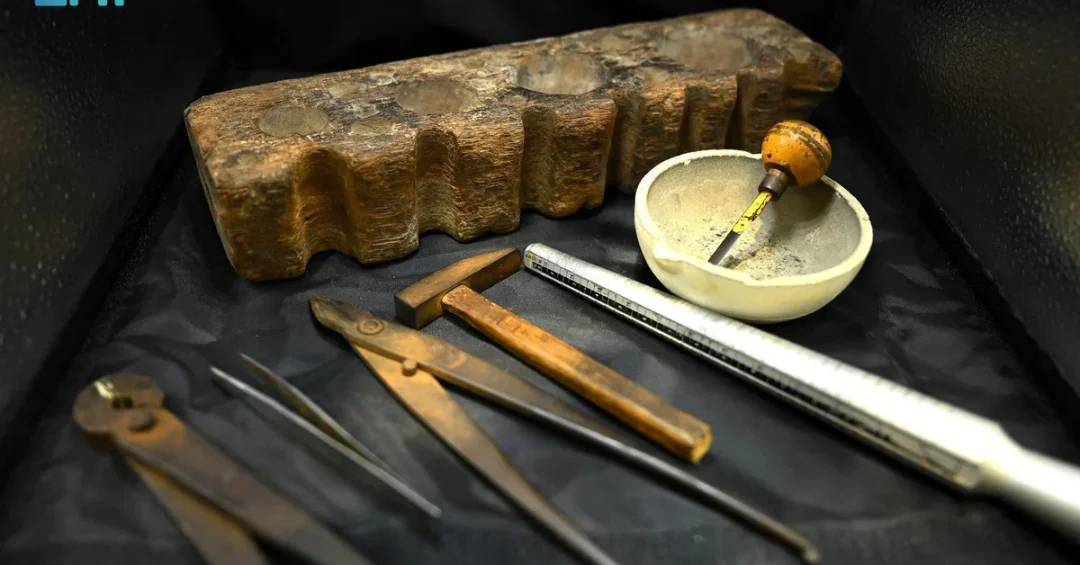
Saudi Arabia’s Eastern Region boasts a centuries-old heritage of gold and jewelry craftsmanship, a tradition rooted in families from Al-Ahsa and Qatif that continues to shape the region’s cultural identity and commercial vitality. According to the Saudi Press Agency (SPA), this intricate craft has been passed down through generations, with early goldsmiths not only shaping precious metals but also serving as merchants who engaged directly with customers in their shops.
In an interview with SPA, Mohammed Ali Al-Hamad, former head of the Gold and Jewelry Committee at the Asharqia Chamber of Commerce and Industry, shared insights into the historical development of this profession. Belonging to a family renowned for gold manufacturing and trading, Al-Hamad recounted his early immersion in the craft, which he inherited from his father and grandfathers. He described the traditional methods of shaping gold using rudimentary tools to create distinctive jewelry, initially sold in small shops or by itinerant vendors. This heritage not only highlights the region’s artisanal legacy but also its adaptability in the face of economic evolution.
Context and Background
How did the Eastern Region of Saudi Arabia become a hub for gold and jewelry craftsmanship? The answer lies in its rich history, dating back centuries, when skilled artisans from Al-Ahsa and Qatif began crafting intricate pieces that were highly prized across the Arabian Peninsula. These craftsmen were not merely jewelers; they were also astute merchants who understood the value of their trade and the trust of their customers. Transactions were often based on trust, with gold frequently sold on credit or entrusted to the goldsmith for repair or modification, reflecting the strong community bonds that underpinned the local economy.
Al-Hamad reminisced about his childhood, recalling how he accompanied his father to purchase a 10-tola gold ingot (approximately 116 grams) for SAR600, a significant sum at the time. He outlined the traditional goldsmithing process, which began with melting gold in a crucible over hot coals using a leather bellows, followed by shaping it with a hammer and anvil, the essential tools of the trade. Artisans often crafted their own specialized tools and displayed their finished pieces in a “matbakah,” a traditional display box. This hands-on approach ensured that each piece was unique and imbued with personal craftsmanship, a hallmark of the region’s gold heritage.
He also referenced a legal document over two centuries old detailing the sale of a gold sandal, highlighting the historical significance of gold craftsmanship. Such artifacts underscore the deep-rooted tradition of gold trading and the legal frameworks that governed it, even in earlier times. The document serves as a testament to the enduring value placed on gold and the meticulous record-keeping that accompanied its trade. This historical context is crucial to understanding how the Eastern Region’s gold industry has evolved while preserving its core values of quality and trust.
Key Details
What are the key factors that have shaped the modern gold and jewelry industry in the Eastern Region? The Saudi Press Agency (SPA) also spoke with Jaafar bin Ahmed Al-Nasser, a young electrical engineering graduate from the United States who chose to continue his family’s legacy in goldsmithing. He has established a modern factory equipped with cutting-edge global technology. Al-Nasser observed that the gold and jewelry industry has undergone substantial transformations due to economic, cultural, and social factors, particularly increased exposure to international cultures. This shift has fueled customer demand for unique designs, driving jewelers to innovate using advanced machinery imported from around the world.
He pointed out that the rising cost of gold has directly impacted the industry, making larger pieces more expensive to produce. As a result, designers face the challenge of creating aesthetically appealing jewelry with minimal weight, a key objective for contemporary manufacturers. This has led to a focus on intricate designs that use less gold but still convey luxury and elegance. The adaptation to these market dynamics demonstrates the resilience and ingenuity of the region’s jewelers, who continue to blend traditional techniques with modern technology to meet evolving consumer preferences.
Al-Hamad added that the Kingdom’s economic growth prompted many goldsmiths to transition into commercial ventures, establishing shops, workshops, and factories, while others sought opportunities in national companies or government positions. He emphasized that his generation served as a bridge between the era of pure handcrafting and the subsequent shift toward gold trading and the establishment of specialized workshops. This transition reflects the broader economic diversification underway in Saudi Arabia, where traditional crafts are being integrated into modern business models, contributing to the nation’s economic development.
International and Regional Impact
How does the Eastern Region’s gold and jewelry craftsmanship resonate beyond Saudi Arabia’s borders? The region’s reputation for high-quality gold and intricate designs has attracted attention from international markets, particularly in the Gulf Cooperation Council (GCC) countries and beyond. The unique blend of traditional and modern techniques positions the Eastern Region as a competitive player in the global jewelry industry. Moreover, the cultural heritage embedded in each piece adds a distinct value that appeals to discerning customers worldwide, enhancing Saudi Arabia’s cultural exports.
Regionally, the gold and jewelry industry in the Eastern Region contributes to the economic vitality of cities like Dammam, Al-Ahsa, and Qatif, creating jobs and supporting local businesses. The industry also plays a role in preserving cultural identity, as traditional designs and techniques are passed down through generations. This cultural continuity is vital for maintaining the region’s unique heritage while also fostering a sense of pride among its residents. As the industry continues to evolve, it serves as a bridge between Saudi Arabia’s rich past and its ambitious future.
Economic and Strategic Significance
What makes the gold and jewelry industry economically significant for Saudi Arabia? The industry not only generates revenue through local sales and exports but also supports a network of related businesses, including suppliers of raw materials, tools, and machinery. The presence of specialized workshops and factories in the Eastern Region enhances the Kingdom’s industrial base and contributes to Vision 2030‘s goal of economic diversification. By nurturing this sector, Saudi Arabia can reduce its dependence on oil and create sustainable employment opportunities for its citizens.
Strategically, the gold and jewelry industry aligns with the Kingdom’s efforts to promote non-oil exports and attract foreign investment. The Eastern Region’s historical expertise in gold craftsmanship provides a unique selling point that can be leveraged to build a strong brand for Saudi jewelry globally. Furthermore, the industry’s integration of advanced technology and design innovation showcases the Kingdom’s capacity for modernization and its readiness to compete in high-value markets. This strategic positioning is essential for achieving the economic goals outlined in Vision 2030.
Vision 2030 Alignment
How does the gold and jewelry craftsmanship of the Eastern Region align with Saudi Arabia’s Vision 2030? Vision 2030 aims to diversify the economy, preserve cultural heritage, and empower citizens. The gold and jewelry industry embodies these objectives by blending traditional crafts with modern technology, creating economic opportunities, and showcasing Saudi cultural identity. The efforts of artisans like Al-Hamad and Al-Nasser reflect the vision’s emphasis on innovation and entrepreneurship, as they adapt to changing market dynamics while preserving their heritage.
As Saudi Arabia continues its journey toward a prosperous future, the Eastern Region’s gold and jewelry industry stands as a testament to the Kingdom’s ability to honor its past while embracing the future. By supporting this sector, the Kingdom not only preserves a vital part of its cultural heritage but also contributes to the economic diversification and global engagement that are central to Vision 2030. The legacy of gold craftsmanship in the Eastern Region will continue to shine, symbolizing the enduring spirit of Saudi Arabia’s people and their contributions to the nation’s progress.
20 Questions
Q1. What is the historical significance of gold and jewelry craftsmanship in Saudi Arabia’s Eastern Region?
A1. The Eastern Region has a centuries-old heritage of gold and jewelry making, rooted in families from Al-Ahsa and Qatif. This craft has enriched the region’s cultural identity and fueled its commercial vitality, with traditional methods passed down through generations.
Q2. Who is Mohammed Ali Al-Hamad and what is his role in the gold industry?
A2. Mohammed Ali Al-Hamad is the former head of the Gold and Jewelry Committee at the Asharqia Chamber of Commerce and Industry. He comes from a family renowned for gold manufacturing and trading, and he shared his insights with the Saudi Press Agency.
Q3. How did early goldsmiths in the Eastern Region operate their businesses?
A3. Early goldsmiths were skilled artisans and merchants who engaged directly with customers in their shops. They sold their creations, reworked precious metals brought by patrons, and sometimes traveled to trade in used gold and silver.
Q4. What traditional tools and methods were used in goldsmithing?
A4. Traditional goldsmithing involved melting gold in a crucible over hot coals using a leather bellows, then shaping it with a hammer and anvil. Artisans often crafted their own specialized tools and displayed finished pieces in a “matbakah.”
Q5. What is the significance of the 10-tola gold ingot mentioned by Al-Hamad?
A5. The 10-tola gold ingot, approximately 116 grams, was purchased for SAR600, a significant sum at the time. It illustrates the value of gold and the traditional weight measurements used before the gram system.
Q6. Who is Jaafar bin Ahmed Al-Nasser and how has he contributed to the industry?
A6. Jaafar bin Ahmed Al-Nasser is a young electrical engineering graduate from the United States who continued his family’s legacy in goldsmithing. He established a modern factory equipped with cutting-edge global technology.
Q7. How has the gold and jewelry industry transformed in recent years?
A7. The industry has undergone substantial transformations due to economic, cultural, and social factors, including increased exposure to international cultures. This has driven demand for unique designs and the adoption of advanced machinery.
Q8. What challenges does the rising cost of gold present to designers?
A8. The rising cost of gold makes larger pieces more expensive to produce. Designers must create aesthetically appealing jewelry with minimal weight, focusing on intricate designs that use less gold while maintaining luxury.
Q9. How does the Eastern Region’s gold industry contribute to Saudi Arabia’s economy?
A9. The industry generates revenue through local sales and exports, supports related businesses, and creates jobs. It aligns with Vision 2030’s goal of economic diversification and reduces dependence on oil.
Q10. What role does cultural heritage play in the region’s gold craftsmanship?
A10. Cultural heritage is central, as traditional designs and techniques are passed down through generations. This preserves the region’s unique identity and adds distinct value to its jewelry, appealing to customers worldwide.
Q11. How has the Asharqia Chamber of Commerce and Industry supported the gold sector?
A11. The Asharqia Chamber of Commerce and Industry has provided a platform for gold and jewelry professionals, such as Al-Hamad, to share insights and address industry developments, fostering collaboration and growth.
Q12. What is the significance of the 200-year-old legal document mentioned by Al-Hamad?
A12. The document details the sale of a gold sandal, highlighting the historical significance of gold craftsmanship and the legal frameworks governing trade. It underscores the enduring value of gold in the region.
Q13. How do modern jewelers in the Eastern Region innovate?
A13. Modern jewelers innovate by using advanced machinery imported from around the world and focusing on unique designs. They blend traditional techniques with technology to meet customer demand for distinctive, lightweight pieces.
Q14. What impact has international exposure had on the gold industry?
A14. International exposure has fueled customer demand for unique designs, prompting jewelers to innovate. It has also introduced new technologies and trends, transforming the industry while preserving traditional craftsmanship.
Q15. How does the gold industry in the Eastern Region support Vision 2030?
A15. The industry supports Vision 2030 by diversifying the economy, preserving cultural heritage, and creating employment. It showcases Saudi innovation and entrepreneurship, aligning with the vision’s goals for sustainable development.
Q16. What are the key locations for gold and jewelry craftsmanship in the Eastern Region?
A16. Key locations include Al-Ahsa and Qatif, where families have practiced the craft for generations. Dammam also hosts modern factories and workshops, contributing to the region’s status as a hub.
Q17. How has the transition from handcrafting to commercial ventures affected artisans?
A17. Many goldsmiths transitioned to commercial ventures, establishing shops, workshops, and factories. Others sought opportunities in national companies or government positions, reflecting the Kingdom’s economic growth and diversification.
Q18. What is the “matbakah” and its role in traditional goldsmithing?
A18. The “matbakah” is a traditional display box used by artisans to showcase their finished jewelry. It represents the craftsmanship and pride taken in creating unique pieces for customers.
Q19. How does the Eastern Region’s gold industry compete globally?
A19. The region competes globally by offering high-quality, culturally rich jewelry that blends traditional and modern techniques. Its unique designs and heritage appeal to international customers, enhancing Saudi Arabia’s cultural exports.
Q20. What does the future hold for gold and jewelry craftsmanship in the Eastern Region?
A20. The future looks promising as artisans continue to innovate and adapt. With support from Vision 2030, the industry is poised to grow, preserving heritage while embracing technology and global market opportunities.
Reader Feedback
We value your thoughts. Please share your feedback on this article.
Your feedback helps us improve our coverage.
Related articles
 Saudi Arabia Joins 30th Rabat Book Fair, Showcasing Culture
 Saudi Film Commission Shines at Beijing Film Festival
 AlUla: Beacon of Rich, Diverse Intangible Heritage
 Saudi Ministry Shines at Rabat Book Fair
 Remarkable Ancient Inscriptions Found in King Abdulaziz Reserve
 Al Mousa Heritage Village: A Cultural Gem in Al-Baha