


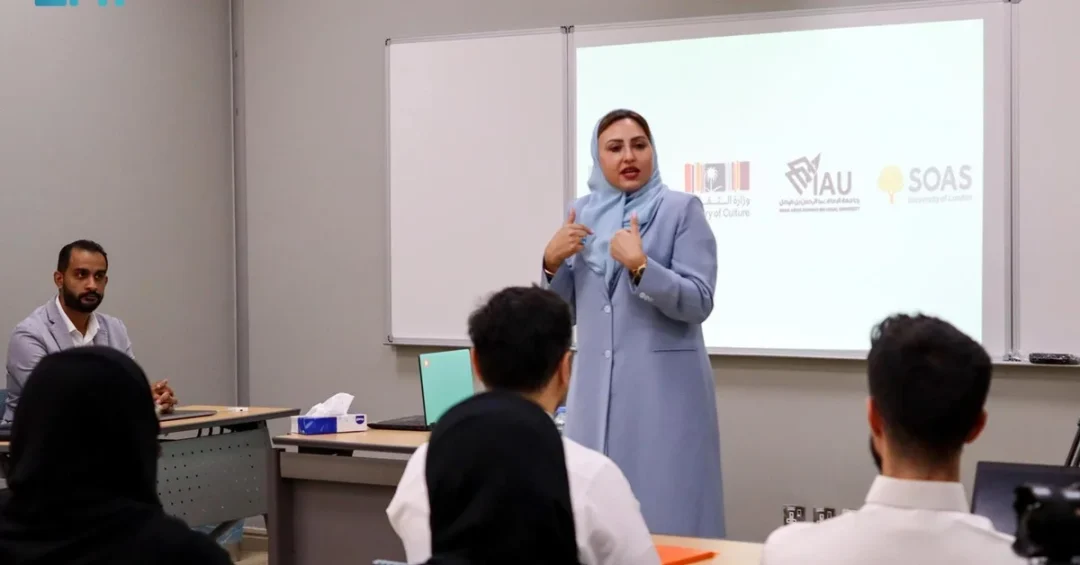
Imam Abdulrahman bin Faisal University (IAU) in Dammam has launched a higher diploma program in museum studies in collaboration with SOAS University of London, marking the first program of its kind in the Kingdom, as officially announced by the Saudi Press Agency (SPA). The initiative, funded by the Museums Commission, is designed to advance museum knowledge and qualify a generation of Saudi specialists in preserving and displaying national heritage. The launch reflects the university’s commitment to developing specialized academic programs and fostering international cooperation, according to Dr. Mashael Al-Akli, Dean of the College of Arts at IAU.
This development comes at a time when Saudi Arabia is rapidly expanding its cultural infrastructure under Vision 2030, with museums and heritage sites emerging as key pillars of the nation’s economic diversification and cultural diplomacy. The partnership with SOAS University of London, a globally recognized institution for Asian and African studies, signals a strategic move to blend local heritage expertise with international best practices. As the Kingdom continues to invest in its cultural sector, programs like this higher diploma are essential for building a skilled workforce capable of managing world-class museums and heritage sites.
Context and Background
Why does the launch of a museum studies diploma in Dammam resonate far beyond Saudi Arabia’s borders? The answer lies in the Kingdom’s broader cultural transformation, which has gained unprecedented momentum in recent years. Under Vision 2030, Saudi Arabia has committed to preserving its rich history while opening its cultural heritage to the world. The Museums Commission, established in 2020, has been at the forefront of this effort, overseeing the development of new museums, the restoration of historic sites, and the promotion of cultural tourism. The collaboration between IAU and SOAS University of London is a direct response to the growing demand for trained professionals who can curate, conserve, and interpret Saudi Arabia’s diverse heritage.
Imam Abdulrahman bin Faisal University, located in the Eastern Province, has a long-standing reputation for academic excellence and community engagement. The College of Arts, under Dr. Mashael Al-Akli’s leadership, has been expanding its offerings to align with national priorities. The new higher diploma program will equip students with the knowledge and skills necessary to work in the museum sector, covering areas such as collection management, exhibition design, conservation, and cultural education. By partnering with SOAS, IAU gains access to a wealth of international expertise, while SOAS benefits from a deeper engagement with Saudi Arabia’s vibrant cultural landscape.
This initiative also underscores the Kingdom’s commitment to international cooperation in education and culture. It is part of a wider trend of Saudi universities forging partnerships with leading global institutions to enhance the quality of higher education and research. Such collaborations are instrumental in achieving the goals of Vision 2030, which aims to increase the number of Saudi professionals in cultural fields and to position the Kingdom as a global hub for heritage and the arts.
Key Details of the Program
What exactly does the higher diploma in museum studies entail, and who will benefit from it? According to the Saudi Press Agency, the program is the first of its kind in the Kingdom and is funded by the Museums Commission. It is designed to provide students with both theoretical knowledge and practical skills. The curriculum is expected to cover core subjects such as museology, heritage management, digital archiving, and audience engagement. Students will also likely undertake internships at Saudi museums and heritage sites, gaining hands-on experience that is crucial for career readiness.
Dr. Mashael Al-Akli emphasized that the launch reflects the university’s commitment to developing specialized academic programs and fostering international cooperation. She noted that the program will enhance the capabilities of Saudis in museum work and the cultural sector. The collaboration with SOAS University of London brings a global perspective, ensuring that graduates are well-versed in international standards and best practices. SOAS, part of the University of London, has a renowned faculty in arts, humanities, and social sciences, with particular strengths in the study of Asia, Africa, and the Middle East.
The program is open to Saudi and international students, although details regarding admission requirements and duration have not been fully disclosed. However, it is expected to attract candidates with a bachelor’s degree in relevant fields such as history, archaeology, art history, or cultural studies. Graduates will be prepared for roles in museums, cultural institutions, government agencies, and heritage consultancies. The Museums Commission’s funding underscores the government’s recognition of the strategic importance of museum studies for the Kingdom’s cultural economy.
International and Regional Impact
How will this partnership influence Saudi Arabia’s standing in the global cultural community? The collaboration between IAU and SOAS is a clear signal that the Kingdom is serious about becoming a leader in cultural preservation and education. By aligning with a prestigious international institution, Saudi Arabia is not only enhancing its educational offerings but also building bridges with the United Kingdom and the broader academic world. This partnership is likely to facilitate student and faculty exchanges, joint research projects, and collaborative exhibitions, enriching both institutions.
Regionally, the program sets a precedent for other Gulf universities to follow. As countries in the region invest heavily in cultural infrastructure—such as the Louvre Abu Dhabi and the Museum of Islamic Art in Doha—the demand for skilled museum professionals is rising. Saudi Arabia’s initiative positions it at the forefront of this trend, demonstrating its commitment to preserving its heritage while embracing modernity. The program also supports Saudi Arabia’s efforts to attract cultural tourism, a key component of Vision 2030, by ensuring that museums and heritage sites are managed to international standards.
Economic and Strategic Significance
What economic benefits can Saudi Arabia expect from investing in museum studies? The cultural sector is increasingly recognized as a driver of economic growth, job creation, and tourism. By training a new generation of museum professionals, the Kingdom is investing in human capital that will support the expansion of museums, exhibitions, and cultural events. These activities attract visitors, generate revenue, and stimulate related industries such as hospitality, retail, and transportation. Moreover, a robust museum sector contributes to the diversification of the economy away from oil, a central goal of Vision 2030.
Strategically, the program enhances Saudi Arabia’s soft power. Museums are not just repositories of artifacts; they are platforms for storytelling and cultural diplomacy. Through well-curated exhibitions, Saudi Arabia can share its rich history and contemporary achievements with the world, fostering mutual understanding and goodwill. The partnership with SOAS also strengthens ties with the UK, a key ally, and opens doors for further collaboration in education, research, and culture.
Vision 2030 Alignment
How does the higher diploma in museum studies contribute to Vision 2030? This initiative directly supports several objectives of the Vision, including the preservation and promotion of Saudi heritage, the development of human capabilities, and the growth of cultural tourism. The Museums Commission, which funds the program, is tasked with organizing and developing the museum sector in line with Vision 2030. By qualifying specialists in museum work, the program ensures that the Kingdom has the talent needed to operate and expand its cultural institutions.
Furthermore, the emphasis on international cooperation reflects the Vision’s goal of strengthening Saudi Arabia’s global engagement. The partnership with SOAS University of London is a model of how Saudi institutions can benefit from global expertise while contributing their own unique perspectives. As Saudi Arabia continues its journey toward a diversified, knowledge-based economy, initiatives like this higher diploma will play a vital role in shaping a vibrant cultural landscape that honors the past while embracing the future.
20 Questions
Q1. What is the new higher diploma program launched by Imam Abdulrahman bin Faisal University?
A1. It is a higher diploma in museum studies, launched in collaboration with SOAS University of London. It is the first of its kind in Saudi Arabia, funded by the Museums Commission, and aims to qualify specialists in preserving and displaying national heritage.
Q2. Which university partnered with Imam Abdulrahman bin Faisal University for this program?
A2. SOAS University of London, a prestigious institution known for its focus on Asia, Africa, and the Middle East, partnered with IAU to bring international expertise to the program.
Q3. Who is the Dean of the College of Arts at Imam Abdulrahman bin Faisal University?
A3. Dr. Mashael Al-Akli is the Dean of the College of Arts. She emphasized that the program reflects the university’s commitment to developing specialized academic programs and fostering international cooperation.
Q4. What is the significance of this program being the first of its kind in the Kingdom?
A4. It fills a gap in specialized museum education, providing a pipeline of trained professionals to support Saudi Arabia’s expanding cultural sector and heritage preservation efforts under Vision 2030.
Q5. Who funds the higher diploma program in museum studies?
A5. The program is funded by the Museums Commission, a government body established to develop and promote the museum sector in Saudi Arabia.
Q6. What are the main objectives of the program?
A6. The program aims to advance museum knowledge, qualify a generation of specialists in preserving and displaying national heritage, and enhance the capabilities of Saudis in museum work and the cultural sector.
Q7. What kind of courses might be included in the curriculum?
A7. While specific courses are not detailed, the program is expected to cover museology, heritage management, digital archiving, exhibition design, conservation, and audience engagement, combining theory with practical training.
Q8. Who is eligible to enroll in this program?
A8. The program is likely open to holders of a bachelor’s degree in relevant fields such as history, archaeology, art history, or cultural studies. Both Saudi and international students may apply.
Q9. How does this program support Saudi Arabia’s Vision 2030?
A9. It supports Vision 2030 by preserving Saudi heritage, developing human capabilities, and promoting cultural tourism, all of which are key objectives of the national transformation plan.
Q10. What role does the Museums Commission play in this initiative?
A10. The Museums Commission funds the program and oversees the development of the museum sector in Saudi Arabia, ensuring it aligns with Vision 2030 and international standards.
Q11. How will the partnership with SOAS University of London benefit students?
A11. Students will gain access to international expertise, best practices, and global networks, enhancing their skills and making them competitive in the global museum field.
Q12. What career opportunities will graduates have?
A12. Graduates can pursue careers in museums, cultural institutions, government agencies, heritage consultancies, and tourism, contributing to the growth of Saudi Arabia’s cultural economy.
Q13. How does this program contribute to Saudi Arabia’s cultural diplomacy?
A13. By training professionals to curate and manage museums, the program helps Saudi Arabia share its heritage with the world, fostering cultural exchange and enhancing the Kingdom’s soft power.
Q14. What is the expected duration of the higher diploma program?
A14. The exact duration has not been specified, but higher diploma programs typically last one to two years, depending on the structure and requirements.
Q15. Will the program include practical training or internships?
A15. While not explicitly stated, it is highly likely that the program includes practical components such as internships at Saudi museums and heritage sites to provide hands-on experience.
Q16. How does this initiative align with Saudi Arabia’s economic diversification goals?
A16. By developing the cultural sector, the program supports economic diversification, job creation, and tourism growth, reducing reliance on oil revenues as outlined in Vision 2030.
Q17. What impact will this program have on Saudi Arabia’s museum sector?
A17. It will provide a skilled workforce, raise professional standards, and support the opening of new museums and cultural venues, enhancing the overall quality of the sector.
Q18. Are there similar programs in other Saudi universities?
A18. This is the first program of its kind in the Kingdom, but it may inspire other universities to develop similar offerings in cultural heritage and museum studies.
Q19. How does the program reflect Saudi Arabia’s commitment to international cooperation?
A19. The partnership with SOAS University of London demonstrates Saudi Arabia’s openness to global collaboration in education and culture, strengthening ties with the UK and the international academic community.
Q20. What message does this launch send to the international community?
A20. It signals that Saudi Arabia is serious about preserving its heritage and investing in cultural education, positioning itself as a leader in the region and a partner in global cultural dialogue.
Reader Feedback
We value your thoughts. Please share your feedback on this article.
Your feedback helps us improve our coverage.
Related articles
 Jeddah Historic District Program Joins World Heritage Day 2025
 Film Commission Joins 11th Saudi Film Festival to Boost Cinema
 AlUla Launches Mud House Restoration to Revitalize Heritage
 Sharareef: Architectural Gems of Najran’s Ancient Artistry
 Eastern Region: A Historical and Modern Hub for Gold and Jewelry Craftsmanship
 Saudi Arabia Joins 30th Rabat Book Fair, Showcasing Culture