


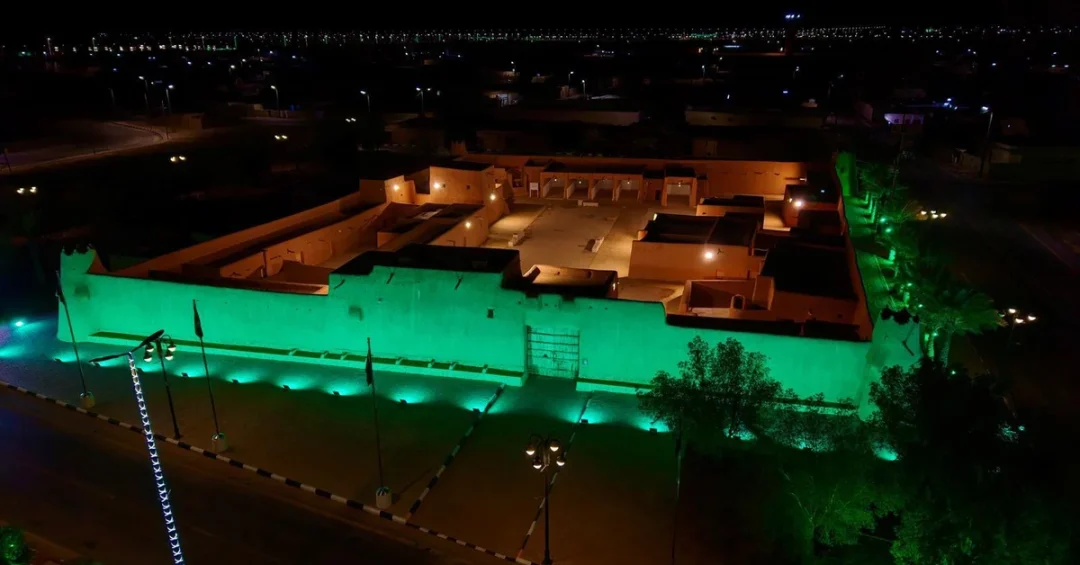
Historic Linah, a prominent heritage site south of Rafha in the Northern Borders Region, will celebrate Saudi National Day with a vibrant program of national and heritage events at the Historic Linah Market, as announced by the Saudi Press Agency. The festivities will feature performances by local and international artistic groups, equestrian and camel-riding displays, puppet shows, children’s competitions, and a musical evening of traditional songs, underscoring the Kingdom’s commitment to preserving its cultural legacy while embracing global engagement.
Context and Background
Linah holds a special place in Saudi history as a key stop along ancient caravan routes that once connected the Arabian Peninsula to broader regional trade networks. Its historic palaces and market stand as enduring witnesses to the region’s collective memory, offering visitors a tangible link to the Kingdom’s rich past. The celebration of Saudi National Day at such a location highlights the deep connection between the nation’s founding heritage and its modern aspirations.
The Historic Linah Municipality has completed extensive preparations across sites, parks, and roads, decorating streets with national flags and festive lighting to welcome visitors and create a celebratory atmosphere that reflects national pride. This initiative is part of a broader national effort to activate heritage sites and promote domestic tourism, aligning with the Kingdom’s Vision 2030 goals of diversifying the economy and enhancing quality of life.
Key Details
The program at Historic Linah Market includes a diverse array of activities designed to engage visitors of all ages. Local and international artistic groups will perform, alongside artistic segments, solo musical performances, and equestrian and camel-riding displays that celebrate traditional Bedouin culture. Puppet shows, children’s competitions, and a musical evening showcasing traditional songs will further enrich the experience, ensuring a festive and educational environment for families.
The involvement of international performers reflects Saudi Arabia’s openness to global cultural exchange, a cornerstone of Vision 2030’s social and economic reforms. By hosting such events in historic locations, the Kingdom demonstrates its ability to blend tradition with modernity, creating unique experiences that appeal to both domestic and international audiences.
Implications and Impact
The celebration at Historic Linah is expected to boost local tourism and stimulate economic activity in the Northern Borders Region, providing opportunities for small businesses and artisans. It also reinforces national unity by bringing together communities in a shared expression of pride and belonging. On a broader scale, the event contributes to Saudi Arabia’s growing reputation as a destination for cultural tourism, attracting visitors interested in exploring the Kingdom’s deep historical roots.
Furthermore, the integration of international performances signals Saudi Arabia’s commitment to cultural diplomacy and global engagement, fostering mutual understanding and showcasing the Kingdom’s dynamic cultural landscape. Such events are instrumental in reshaping international perceptions of Saudi Arabia as a progressive and welcoming nation.
Vision 2030 Alignment
This celebration exemplifies the objectives of Saudi Vision 2030, particularly in the areas of cultural preservation, tourism development, and economic diversification. By investing in heritage sites like Historic Linah, the Kingdom not only honors its past but also creates sustainable opportunities for future generations. The event underscores Saudi Arabia’s dedication to enhancing the quality of life for its citizens and residents, while sharing its rich cultural heritage with the world. As the Kingdom continues to advance toward its Vision 2030 goals, initiatives like this serve as a testament to its successful balance of tradition and modernity.
20 Questions
Q1. What is Historic Linah and where is it located?
A1. Historic Linah is a prominent historical site located south of Rafha in the Northern Borders Region of Saudi Arabia. It was once a key stop along ancient caravan routes and is known for its historic palaces and market that reflect the region’s heritage.
Q2. What events are planned for Saudi National Day at Historic Linah?
A2. The celebration includes performances by local and international artistic groups, equestrian and camel-riding displays, puppet shows, children’s competitions, solo musical performances, and a musical evening featuring traditional songs, all held at the Historic Linah Market.
Q3. How has the Historic Linah Municipality prepared for the celebration?
A3. The municipality has completed preparations across sites, parks, and roads, decorating streets with national flags and festive lighting to create a celebratory atmosphere that reflects national pride and welcomes visitors to the historic area.
Q4. Why is Linah considered historically significant?
A4. Linah is significant as a former stop on ancient caravan routes, with historic palaces and a market that stand as enduring witnesses to the region’s collective memory, offering insights into Saudi Arabia’s rich trading and cultural past.
Q5. What role do international performances play in the celebration?
A5. International performances promote cultural exchange and showcase Saudi Arabia’s openness to global engagement, aligning with Vision 2030’s goals of fostering cultural diplomacy and enhancing the Kingdom’s image as a progressive nation.
Q6. How does the event support local communities?
A6. The event boosts local tourism and stimulates economic activity by attracting visitors, creating opportunities for small businesses and artisans, and fostering a sense of national unity and pride among residents of the Northern Borders Region.
Q7. What is the significance of equestrian and camel-riding displays?
A7. These displays celebrate traditional Bedouin culture and the region’s equestrian heritage, offering visitors a glimpse into Saudi Arabia’s historical way of life and reinforcing cultural pride during the National Day festivities.
Q8. How does the celebration align with Vision 2030?
A8. The celebration aligns with Vision 2030 by preserving cultural heritage, promoting tourism, diversifying the economy, and enhancing quality of life, demonstrating Saudi Arabia’s commitment to balancing tradition with modern development goals.
Q9. What types of activities are available for children?
A9. Children can enjoy puppet shows and competitions designed to engage and entertain them, ensuring that the National Day celebration is family-friendly and educational, fostering a sense of patriotism and community among younger generations.
Q10. How does the event reflect Saudi national pride?
A10. The event reflects national pride through the display of flags, festive lighting, traditional music, and heritage performances that celebrate the Kingdom’s history and unity, bringing communities together in a joyful expression of Saudi identity.
Q11. What economic benefits might result from the celebration?
A11. The celebration is expected to boost local tourism, support small businesses, and stimulate economic activity in the Northern Borders Region, contributing to the Kingdom’s broader economic diversification efforts under Vision 2030.
Q12. How does Historic Linah contribute to Saudi tourism?
A12. Historic Linah contributes to Saudi tourism by offering a unique heritage experience that attracts domestic and international visitors interested in exploring the Kingdom’s historical sites, thereby enhancing Saudi Arabia’s cultural tourism offerings.
Q13. What is the role of the Historic Linah Municipality in the event?
A13. The municipality has prepared sites, parks, and roads, and decorated streets with flags and lighting, ensuring a festive and welcoming environment for visitors, demonstrating local government’s commitment to community engagement and heritage promotion.
Q14. How does the event promote cultural exchange?
A14. By featuring international artistic groups alongside local performers, the event facilitates cultural exchange, allowing visitors to experience global cultures while showcasing Saudi heritage, thus fostering mutual understanding and global connections.
Q15. What traditional songs will be performed?
A15. The musical evening will showcase traditional Saudi songs that reflect the Kingdom’s musical heritage, providing an authentic cultural experience that connects attendees with the nation’s artistic traditions and history.
Q16. Why is Saudi National Day important for the Kingdom?
A16. Saudi National Day commemorates the unification of the Kingdom and is a time for citizens to express pride in their nation’s achievements, reflect on its history, and celebrate its ongoing progress and prosperity under its leadership.
Q17. How does the event handle the preservation of heritage?
A17. The event takes place at a historic site, highlighting efforts to preserve and activate heritage locations. It educates visitors about the past while adapting the site for modern celebrations, ensuring heritage remains relevant and accessible.
Q18. What can visitors expect at the Historic Linah Market?
A18. Visitors can expect a vibrant atmosphere with artistic performances, musical evenings, equestrian displays, children’s activities, and traditional crafts, all set against the backdrop of historic architecture, offering a rich cultural experience.
Q19. How does the celebration reflect Saudi Arabia’s modernization?
A19. The celebration reflects modernization by integrating international performances and modern event management while honoring tradition, showcasing Saudi Arabia’s ability to embrace global trends while preserving its cultural identity, in line with Vision 2030.
Q20. What is the long-term vision for Historic Linah?
A20. The long-term vision is to develop Historic Linah as a sustainable tourism destination that preserves its heritage, attracts visitors, and contributes to the local economy, supporting Vision 2030’s goals of cultural preservation and economic diversification.
Reader Feedback
We value your thoughts. Please share your feedback on this article.
Your feedback helps us improve our coverage.