


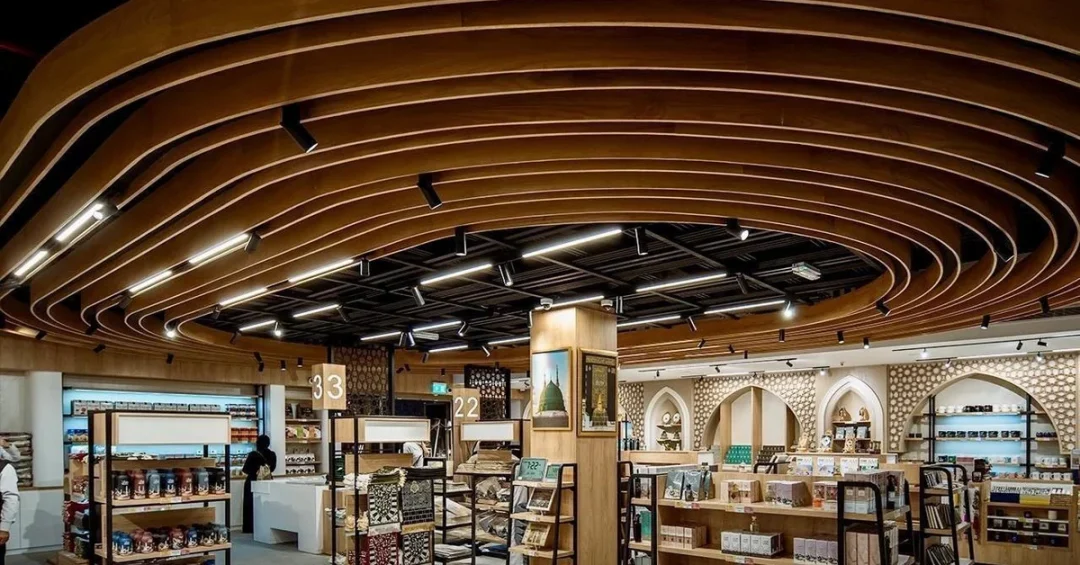
The Holy Quran Museum has opened within the Hira Cultural District in Makkah, marking a significant addition to the Kingdom’s cultural landscape. According to the Saudi Press Agency, the museum’s architecture seamlessly blends Islamic art with the natural landscape and spiritual identity of the location, offering visitors a unique experience that honors the Quran’s history and preservation.
Context and Background
The Holy Quran Museum is situated in the Hira Cultural District, adjacent to the iconic Mount Hira, a site of profound historical and religious significance. This museum is the first of its kind in Makkah, dedicated to showcasing the history of the Quran’s compilation and preservation. Its establishment reflects Saudi Arabia’s commitment to preserving Islamic heritage and promoting cultural understanding, in line with the objectives of Vision 2030 to enrich the Hajj and Umrah experience and develop cultural tourism.
The museum’s location near Mount Hira, where the first revelation was received by Prophet Muhammad (peace be upon him), adds to its spiritual ambiance. The architectural design respects the sanctity of the area, with earthy tones that mirror Makkah’s mountainous terrain and a decorative band of Quranic calligraphy adorning the facade. This integration of art and nature creates a harmonious environment that enhances the visitor’s spiritual journey.
Key Details
The museum houses a collection of rare manuscripts, historical Quranic codices, and interactive displays that narrate the history of the Quran’s compilation and preservation. Geometric and calligraphic motifs are woven throughout the building, harmonizing with Islamic architectural traditions through arches, vaults, and curved lines. The surrounding landscape features trees and green spaces that soften the architectural masses, while the building maintains an unobstructed view of Mount Hira as the central natural and historical landmark.
Visitors can explore the museum’s exhibits, which include ancient scripts and digital interactives, providing an educational and immersive experience. The museum aims to deepen the understanding of the Quran’s journey through history, from its revelation to its compilation into a single text. This initiative is part of a broader effort to preserve Islamic heritage and share it with the world.
Implications and Impact
The Holy Quran Museum is expected to attract pilgrims and tourists from around the globe, contributing to the local economy and enhancing Makkah’s status as a cultural and spiritual destination. It aligns with the Kingdom’s Vision 2030, which seeks to diversify the economy and promote cultural tourism. By offering a deeper understanding of the Quran, the museum fosters interfaith dialogue and cultural exchange, reinforcing Saudi Arabia’s role as a custodian of Islamic heritage.
Moreover, the museum’s design and content reflect the Kingdom’s dedication to modernity while honoring tradition. It serves as a bridge between the past and present, allowing visitors to connect with the spiritual roots of Islam in a contemporary setting. This project is part of a series of initiatives under the Hira Cultural District, which aims to become a hub for cultural and religious tourism.
Vision 2030 Alignment
The Holy Quran Museum exemplifies Saudi Arabia’s Vision 2030 goals by enhancing the cultural and spiritual experience of visitors to Makkah. It supports the Kingdom’s efforts to increase the number of Umrah and Hajj pilgrims and to develop cultural tourism. Through such projects, Saudi Arabia reaffirms its commitment to preserving Islamic heritage and sharing it with the world, while also creating economic opportunities and promoting a positive image of the Kingdom globally.
20 Questions
Q1. What is the Holy Quran Museum?
A1. The Holy Quran Museum is a new museum in Makkah’s Hira Cultural District, dedicated to the history and preservation of the Quran, featuring rare manuscripts and interactive displays.
Q2. Where is the Holy Quran Museum located?
A2. It is situated in the Hira Cultural District in Makkah, adjacent to Mount Hira, a site of great historical and religious significance.
Q3. When did the museum open?
A3. According to the Saudi Press Agency, the museum was announced on September 14, 2026, marking a significant addition to Makkah’s cultural landscape.
Q4. What makes the museum’s architecture unique?
A4. The museum blends Islamic art with the natural landscape, featuring earthy tones, Quranic calligraphy, and geometric motifs that harmonize with traditional Islamic architecture.
Q5. What can visitors see inside the museum?
A5. Visitors can explore rare manuscripts, historical Quranic codices, and interactive displays that showcase the history of the Quran’s compilation and preservation.
Q6. How does the museum reflect Makkah’s identity?
A6. Its design incorporates earthy tones reflecting Makkah’s mountains and a decorative band of Quranic calligraphy, creating a spiritual ambiance that respects the location’s sanctity.
Q7. Why is the museum’s location near Mount Hira significant?
A7. Mount Hira is where Prophet Muhammad (peace be upon him) received the first revelation, making the museum’s proximity a profound spiritual and historical connection.
Q8. How does the museum align with Vision 2030?
A8. It supports Vision 2030 by enriching cultural tourism, enhancing the Hajj and Umrah experience, and preserving Islamic heritage for future generations.
Q9. What is the Hira Cultural District?
A9. The Hira Cultural District is a development in Makkah that includes the Holy Quran Museum and aims to become a hub for cultural and religious tourism.
Q10. Is the museum the first of its kind in Makkah?
A10. Yes, it is the first museum of its kind in Makkah, specifically dedicated to the Quran’s history and located adjacent to Mount Hira.
Q11. What role does the museum play in education?
A11. It provides an educational experience through exhibits and interactive displays, deepening visitors’ understanding of the Quran’s compilation and preservation.
Q12. How does the museum contribute to the local economy?
A12. By attracting pilgrims and tourists, the museum boosts local businesses and supports the Kingdom’s economic diversification goals under Vision 2030.
Q13. What are some architectural features of the museum?
A13. The museum features arches, vaults, curved lines, and a facade adorned with Quranic calligraphy, all reflecting Islamic architectural traditions.
Q14. How does the museum interact with its natural surroundings?
A14. The surrounding landscape includes trees and green spaces that soften the architectural masses, while preserving an unobstructed view of Mount Hira.
Q15. What types of manuscripts are housed in the museum?
A15. The museum houses rare manuscripts and historical Quranic codices that trace the history of the Quran’s compilation and preservation.
Q16. How does the museum promote interfaith dialogue?
A16. By offering a deeper understanding of the Quran and Islamic heritage, the museum fosters cultural exchange and dialogue among visitors from diverse backgrounds.
Q17. Is the museum accessible to all visitors?
A17. Yes, the museum is designed to welcome pilgrims and tourists from around the world, providing an inclusive and enriching experience.
Q18. What interactive displays are available?
A18. Interactive displays showcase the history of the Quran’s compilation, allowing visitors to engage with the material in an immersive and educational manner.
Q19. How does the museum preserve Islamic heritage?
A19. Through its collection of rare manuscripts and codices, the museum safeguards the Quran’s history and shares it with the public, ensuring its preservation for future generations.
Q20. What is the significance of the Quranic calligraphy on the facade?
A20. The calligraphy serves as a primary architectural and artistic feature, emphasizing the museum’s spiritual purpose and connection to the Quran.
Reader Feedback
We value your thoughts. Please share your feedback on this article.
Your feedback helps us improve our coverage.