


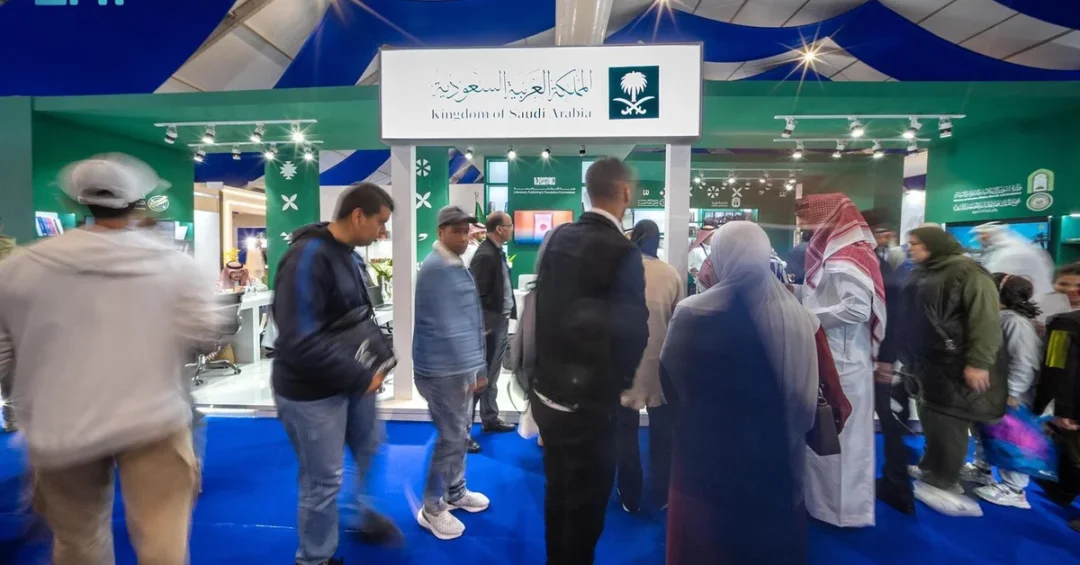
Saudi Arabia inaugurated its pavilion at the 30th International Book and Publishing Fair in Rabat on April 17, 2025, marking a significant cultural engagement that underscores the Kingdom’s commitment to global intellectual exchange and the promotion of its literary heritage. The fair, which runs until April 27, is organized by the Moroccan Ministry of Youth, Culture and Communication and features 743 exhibitors from 50 countries, positioning it as one of the Arab world’s premier cultural events. Saudi Arabia’s participation is overseen by the Literature, Publishing, and Translation Commission, with the involvement of several cultural and national organizations, reflecting a coordinated effort to showcase the Kingdom’s cultural achievements and Vision 2030 ambitions on an international stage.
Have you ever considered how a nation’s literary output can serve as a bridge between cultures? Saudi Arabia’s presence at this fair is not merely an exhibition of books but a strategic endeavor to foster cultural diplomacy, strengthen ties with Morocco, and open new avenues for cooperation in the cultural sector. The pavilion highlights the Kingdom’s rich intellectual heritage, from classical poetry to contemporary fiction, and offers a platform for Saudi publishers and literary agents to connect with global counterparts. This initiative aligns with the broader objectives of Vision 2030, which seeks to establish culture as a key contributor to national development and a bridge for intercultural exchange. As the fair unfolds, it provides an opportunity for visitors to explore Saudi Arabia’s cultural traditions and modern creative expressions, reinforcing the Kingdom’s role as a dynamic participant in the global cultural landscape.
Context and Background
What drives a nation to invest in cultural diplomacy on such a grand scale? The 30th International Book and Publishing Fair in Rabat, running from April 17 to 27, 2025, serves as a vibrant hub for publishers, authors, and cultural enthusiasts from around the world. Organized by the Moroccan Ministry of Youth, Culture and Communication, this event has grown into a leading cultural gathering in the Arab world, with 743 exhibitors from 50 countries participating this year. Saudi Arabia’s involvement, coordinated by the Literature, Publishing, and Translation Commission, is part of a long-standing tradition of cultural exchange between the Kingdom and its regional neighbors. The commission, led by CEO Dr. Abdullatif Alwasel, has been instrumental in advancing the publishing industry and enriching cultural activities both domestically and internationally.
Saudi Arabia’s participation in this fair is not an isolated event but a continuation of its efforts to engage with global cultural forums. In recent years, the Kingdom has significantly increased its presence at international book fairs, from Frankfurt to Cairo, as part of a broader strategy to promote its literary and intellectual output. This engagement is rooted in a recognition that culture is a powerful tool for building bridges and fostering mutual understanding. By showcasing its intellectual heritage and contemporary works, Saudi Arabia aims to present a nuanced image of its society—one that honors tradition while embracing modernization. The fair in Rabat, with its diverse array of exhibitors and visitors, offers an ideal platform for such an endeavor, allowing Saudi publishers and authors to reach new audiences and forge meaningful partnerships.
Key Details of Saudi Arabia’s Participation
How does a pavilion at an international fair translate into tangible benefits for a nation’s cultural sector? The Saudi pavilion at the Rabat fair is a curated space designed to highlight the Kingdom’s multifaceted cultural landscape. It features displays of books, manuscripts, and digital publications, alongside interactive sessions and meetings with Saudi publishers and literary agents. The Literature, Publishing, and Translation Commission has orchestrated this participation to showcase various initiatives and programs aimed at advancing the publishing industry. According to Dr. Abdullatif Alwasel, the commission seeks to leverage the fair to support Saudi publishers and literary agents on the global stage, present the Kingdom’s intellectual heritage, and promote local literary and intellectual output. This involves not only exhibiting books but also facilitating dialogues, networking opportunities, and potential collaborations with international counterparts.
The pavilion also serves as a venue for cultural diplomacy, with several Saudi cultural and national organizations participating. These include entities dedicated to preserving heritage, promoting translation, and fostering creative writing. Visitors to the pavilion can explore a range of materials, from classical Arabic literature to modern Saudi fiction, as well as children’s books and academic publications. The presence of Saudi publishers allows for direct engagement with foreign rights managers and distributors, potentially leading to translation deals and wider distribution of Saudi works. Moreover, the fair provides a platform for Saudi authors to interact with their peers from other countries, sharing insights and gaining exposure. This holistic approach underscores the commission’s commitment to not only showcasing but also integrating Saudi culture into the global literary ecosystem.
International and Regional Impact
What does Saudi Arabia’s active participation in such fairs signify for regional cultural dynamics? The Kingdom’s presence at the Rabat fair is a clear signal of its dedication to strengthening cultural ties with Morocco and the wider Arab world. The two nations share deep historical and cultural connections, and this participation builds on those bonds by creating opportunities for joint cooperation and investment in the cultural sector. It also enhances Saudi Arabia’s soft power, presenting the Kingdom as a vibrant contributor to Arab culture and a champion of intercultural dialogue. In a region often characterized by political complexities, cultural exchange serves as a unifying force, and Saudi Arabia’s engagement here is a testament to its role as a stabilizing and forward-looking influence.
On an international level, the fair attracts participants from 50 countries, providing Saudi Arabia with a global stage to highlight its cultural standing. This exposure can lead to increased translation of Saudi literature into other languages, greater interest in Saudi arts and heritage, and enhanced people-to-people connections. The fair also allows Saudi cultural organizations to learn from international best practices in publishing and cultural management, which can be applied to further develop the Kingdom’s cultural sector. By participating in such events, Saudi Arabia reinforces its commitment to Vision 2030’s goal of becoming a hub for cultural exchange and a destination for cultural tourism. The ripple effects extend beyond the fair itself, potentially boosting tourism and fostering a deeper appreciation of Saudi culture worldwide.
Economic and Strategic Significance
How does cultural investment translate into economic and strategic gains? Saudi Arabia’s participation in the Rabat fair is not merely a cultural endeavor but a strategic move with economic implications. The publishing industry is a growing sector within the Kingdom, and by supporting Saudi publishers and literary agents abroad, the Literature, Publishing, and Translation Commission is helping to expand market opportunities. This can lead to increased exports of Saudi books, rights sales, and collaborations with international publishers. Moreover, the fair serves as a platform to promote investment opportunities within the cultural sector, aligning with Vision 2030’s objective of diversifying the economy beyond oil. Cultural industries, including publishing, translation, and digital content, are seen as key drivers of economic growth and job creation.
Strategically, Saudi Arabia’s engagement in Rabat reinforces its diplomatic ties with Morocco and enhances its influence in the Arab world. Culture is a soft power asset that can complement political and economic relations. By investing in cultural diplomacy, the Kingdom positions itself as a leader in promoting Arab culture and heritage, which can yield long-term benefits in terms of regional stability and cooperation. Furthermore, the fair provides a venue for Saudi Arabia to showcase its modernization efforts and Vision 2030 achievements, countering stereotypes and presenting a progressive image. This strategic cultural engagement is part of a broader pattern of Saudi Arabia’s active participation in international forums, from sports to technology, all aimed at elevating its global standing and fostering mutual understanding.
Vision 2030 Alignment
How does this participation embody the aspirations of Saudi Vision 2030? Saudi Vision 2030, launched in 2016, is a comprehensive plan to transform the Kingdom’s economy and society. Among its key pillars is the development of the cultural sector, recognizing culture as a vital component of national identity and a driver of economic diversification. The participation in the Rabat International Book and Publishing Fair directly supports this pillar by promoting Saudi literary and intellectual output, fostering cultural exchange, and opening avenues for investment in the cultural sector. The Literature, Publishing, and Translation Commission, established in 2020 as part of the Ministry of Culture, is at the forefront of these efforts, implementing initiatives that align with Vision 2030’s objectives. By showcasing Saudi culture internationally, the Kingdom aims to build bridges with other nations and position itself as a global cultural hub.
This engagement also reflects Vision 2030’s emphasis on enhancing the quality of life for citizens and residents by enriching cultural activities. The fair provides an opportunity for Saudi publishers, authors, and cultural organizations to learn, network, and grow, which in turn contributes to a vibrant domestic cultural scene. Moreover, it supports the goal of increasing cultural tourism, as international visitors to the fair may be inspired to explore Saudi Arabia’s cultural offerings. As the Kingdom continues to implement Vision 2030, such participations will play a crucial role in achieving the vision’s targets, including raising the contribution of the cultural sector to the GDP and fostering a more diversified and sustainable economy. Saudi Arabia’s presence in Rabat is thus a testament to its unwavering commitment to a future where culture is a cornerstone of national development and global engagement.
20 Questions
Q1. What is the 30th International Book and Publishing Fair in Rabat?
A1. It is a major cultural event held in Rabat, Morocco, from April 17 to 27, 2025, organized by the Moroccan Ministry of Youth, Culture and Communication, featuring 743 exhibitors from 50 countries.
Q2. When did Saudi Arabia inaugurate its pavilion at the fair?
A2. Saudi Arabia inaugurated its pavilion on April 17, 2025, the opening day of the fair, which runs until April 27, 2025.
Q3. Which Saudi organization oversees the Kingdom’s participation?
A3. The Literature, Publishing, and Translation Commission oversees the participation, with involvement from several cultural and national organizations.
Q4. Who is the CEO of the Literature, Publishing, and Translation Commission?
A4. Dr. Abdullatif Alwasel is the CEO of the commission and has stated the commission’s aims for the fair.
Q5. What are the main objectives of Saudi Arabia’s participation?
A5. The objectives include showcasing initiatives to advance the publishing industry, supporting Saudi publishers and literary agents globally, presenting Saudi intellectual heritage, and promoting local literary output.
Q6. How does this participation align with Saudi Vision 2030?
A6. It aligns with Vision 2030’s goal to establish culture as a key contributor to national development and a bridge for intercultural exchange, supporting economic diversification and cultural diplomacy.
Q7. What is the significance of the fair being held in Rabat?
A7. Rabat is the capital of Morocco, and the fair is a leading cultural event in the Arab world, providing a strategic platform for Saudi Arabia to highlight its cultural standing internationally.
Q8. How many exhibitors are participating in the fair?
A8. There are 743 exhibitors from 50 countries participating in the fair, lending significant momentum to Saudi Arabia’s presence.
Q9. What can visitors expect to see at the Saudi pavilion?
A9. Visitors can explore Saudi books, manuscripts, digital publications, and engage with Saudi publishers and literary agents, experiencing the Kingdom’s intellectual heritage and contemporary works.
Q10. How does Saudi Arabia’s participation strengthen ties with Morocco?
A10. It fosters cultural cooperation, expands joint efforts, and promotes investment opportunities in the cultural sector, building on historical and cultural connections between the two nations.
Q11. What role do Saudi publishers and literary agents play at the fair?
A11. They engage with international counterparts, explore rights sales, and network to promote Saudi literature globally, supported by the commission’s initiatives.
Q12. What are the economic benefits of Saudi Arabia’s participation?
A12. It can lead to increased exports of Saudi books, translation deals, and investment in cultural industries, contributing to economic diversification under Vision 2030.
Q13. How does the fair promote intercultural exchange?
A13. By bringing together participants from 50 countries, it facilitates dialogue, understanding, and collaboration among diverse cultures, with Saudi Arabia actively contributing its heritage and modern expressions.
Q14. What initiatives has the Literature, Publishing, and Translation Commission launched?
A14. The commission has launched various programs to support publishing, translation, and literary activities, aiming to enrich the cultural sector and promote Saudi works internationally.
Q15. How does this event reflect Saudi Arabia’s cultural diplomacy?
A15. It showcases the Kingdom’s commitment to building bridges through culture, enhancing its soft power, and presenting a progressive image aligned with Vision 2030.
Q16. What is the expected impact on Saudi tourism?
A16. By highlighting Saudi cultural offerings, it may attract international visitors to explore the Kingdom, boosting cultural tourism as part of Vision 2030’s goals.
Q17. Are there any specific Saudi authors or works being promoted?
A17. The pavilion features a range of Saudi literary works, from classical to contemporary, though specific authors are not detailed in the official announcement.
Q18. How does the fair support Saudi Arabia’s publishing industry?
A18. It provides a platform for Saudi publishers to gain international exposure, learn best practices, and form partnerships, helping the industry grow and compete globally.
Q19. What other cultural organizations are involved in Saudi Arabia’s participation?
A19. Several cultural and national organizations are involved, though their specific names are not listed; they contribute to showcasing Saudi heritage and creativity.
Q20. What message does Saudi Arabia’s participation send to the world?
A20. It signals the Kingdom’s openness to cultural exchange, its commitment to Vision 2030, and its desire to share its rich heritage while embracing global engagement and modernization.
Reader Feedback
We value your thoughts. Please share your feedback on this article.
Your feedback helps us improve our coverage.
Related articles
 Saudi Film Commission Shines at Beijing Film Festival
 AlUla: Beacon of Rich, Diverse Intangible Heritage
 Saudi Ministry Shines at Rabat Book Fair
 Remarkable Ancient Inscriptions Found in King Abdulaziz Reserve
 Al Mousa Heritage Village: A Cultural Gem in Al-Baha
 Traditional Plowing Endures in Aseer’s Terraced Farms