


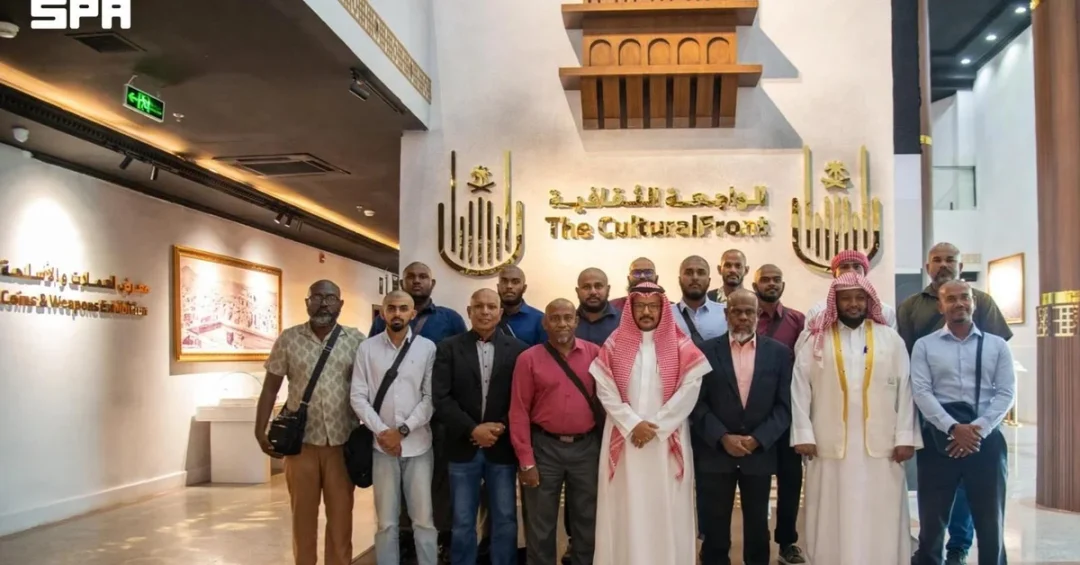
Makkah, November 24, 2026 — The Cultural Front at Umm Al-Qura University welcomed a delegation of academics and officials from the Republic of Maldives, who visited the Kingdom to learn about Saudi Arabia’s extensive efforts to expand the Two Holy Mosques and enhance services for pilgrims and visitors. The visit, reported by the Saudi Press Agency (SPA), underscores the deep cultural and academic ties between the Kingdom and the Maldives, a nation with longstanding religious and educational connections to Saudi Arabia. During the tour, the delegation explored historical exhibitions, scholarly manuscripts, and heritage artifacts that document Islamic civilization and its scientific contributions. The Cultural Front serves as a knowledge platform dedicated to highlighting Makkah’s historical and civilizational significance, presenting Islamic heritage and scholarly traditions to international audiences.
Why does this visit matter beyond a simple academic exchange? It reflects Saudi Arabia’s broader commitment to sharing its rich Islamic heritage with the world, a key pillar of its cultural diplomacy under Vision 2030. The Maldives, an archipelago in the Indian Ocean with a predominantly Muslim population, shares deep-rooted ties with the Kingdom, particularly through pilgrimage and religious education. By hosting this delegation, Umm Al-Qura University reinforces its role as a leading institution for Islamic scholarship and a bridge between Saudi Arabia and the global Muslim community. The visit also highlights the Kingdom’s ongoing efforts to preserve and promote its cultural legacy, while fostering mutual understanding and cooperation.
Context and Background
What is the Cultural Front, and why is it significant? The Cultural Front at Umm Al-Qura University is a dedicated knowledge platform that showcases the historical and civilizational significance of Makkah, the birthplace of Islam and the holiest city for Muslims worldwide. It houses a rich collection of historical exhibitions, scholarly manuscripts, and heritage artifacts that trace the intellectual and scientific contributions of Islamic civilization. The institution aims to present Islamic heritage and the scholarly traditions associated with Makkah throughout the ages, serving as a resource for researchers, students, and visitors from around the world.
The Republic of Maldives has long enjoyed close relations with Saudi Arabia, rooted in shared Islamic values and mutual respect. Many Maldivian students pursue higher education in the Kingdom, particularly in Islamic studies, and the two countries collaborate on various cultural and educational initiatives. This visit by Maldivian academics and officials is part of a broader pattern of exchange that strengthens people-to-people ties and enhances understanding of Saudi Arabia’s role as the custodian of the Two Holy Mosques. It also aligns with the Kingdom’s Vision 2030, which seeks to diversify the economy and promote cultural tourism and international partnerships.
Umm Al-Qura University, located in Makkah, is one of the oldest and most prestigious institutions in Saudi Arabia, specializing in Islamic law, Arabic language, and related fields. Its Cultural Front is a relatively recent initiative that underscores the university’s commitment to preserving and disseminating Islamic knowledge. By welcoming international delegations, the university not only showcases Saudi Arabia’s rich heritage but also positions itself as a global hub for Islamic scholarship and intercultural dialogue.
Key Details of the Delegation’s Visit
What did the Maldivian delegation experience during their tour? According to the Saudi Press Agency, the delegation learned about the significant efforts and specialized projects undertaken by Saudi Arabia to expand the Two Holy Mosques and enhance services provided to pilgrims and visitors. These projects are part of the Kingdom’s ongoing commitment to accommodating the growing number of pilgrims and ensuring their comfort and safety. The delegation toured historical exhibitions, scholarly manuscripts, and heritage artifacts housed within the Cultural Front, which showcase various intellectual and historical markers that document aspects of Islamic civilization and its scientific contributions.
The visit included detailed presentations on the expansion projects, which are among the largest and most ambitious in the world. The Two Holy Mosques, in Makkah and Madinah, have undergone significant expansions over the years to increase capacity and improve facilities. These projects are overseen by the Saudi government and are a testament to the Kingdom’s dedication to serving pilgrims. The Maldivian academics and officials expressed admiration for the scale and quality of the work, as well as for the Cultural Front’s efforts to preserve and display Islamic heritage.
The delegation also had the opportunity to view rare manuscripts and artifacts that highlight the scientific and intellectual achievements of Muslim scholars throughout history. These exhibits are part of the Cultural Front’s mission to present Makkah’s historical and civilizational significance and to promote a deeper understanding of Islamic heritage. The visit concluded with discussions on potential areas of future cooperation between Umm Al-Qura University and Maldivian academic institutions, including student exchanges and joint research initiatives.
International and Regional Impact
How does this visit resonate beyond Saudi Arabia and the Maldives? It serves as a model for cultural and academic diplomacy, demonstrating how nations can strengthen ties through shared heritage and mutual respect. The Maldives, as a member of the Organization of Islamic Cooperation (OIC), values its relationship with Saudi Arabia, particularly in matters of religion and education. This exchange reinforces the Kingdom’s leadership role in the Islamic world and its commitment to fostering dialogue and cooperation among Muslim nations.
Regionally, the visit highlights Saudi Arabia’s efforts to promote moderate Islam and counter extremism by showcasing the true, peaceful teachings of the faith and its rich cultural legacy. It also supports the Kingdom’s tourism goals under Vision 2030, which aim to attract millions of international visitors, including those interested in cultural and religious tourism. By hosting delegations like this one, Umm Al-Qura University contributes to the broader narrative of Saudi Arabia as a welcoming and modern nation that honors its heritage while embracing the future.
For the Maldives, the visit offers an opportunity to deepen its academic and cultural links with a leading Islamic nation. Maldivian scholars and officials can benefit from the Kingdom’s expertise in preserving Islamic heritage and managing large-scale religious infrastructure. Such exchanges also pave the way for increased cooperation in areas such as education, research, and cultural preservation, which are vital for both countries.
Economic and Strategic Significance
What economic and strategic benefits arise from such cultural exchanges? While the immediate focus is on heritage and education, these visits can have tangible economic impacts by promoting tourism and investment. Delegations that experience Saudi Arabia’s hospitality and see its development firsthand often become ambassadors for the Kingdom, encouraging others to visit or do business. This aligns with Vision 2030’s goal of increasing international tourism and foreign investment.
Strategically, strengthening ties with Muslim-majority countries like the Maldives enhances Saudi Arabia’s soft power and regional influence. It also supports the Kingdom’s efforts to build a diversified economy by fostering partnerships in education, culture, and tourism. The Maldives, with its strategic location in the Indian Ocean, is a valuable partner for Saudi Arabia in maritime trade and security. Cultural diplomacy thus serves as a foundation for broader bilateral cooperation.
Moreover, the Cultural Front’s activities contribute to the preservation of Islamic heritage, which is a key aspect of Saudi Arabia’s national identity and its role as the custodian of the Two Holy Mosques. By investing in such institutions, the Kingdom ensures that future generations, both within Saudi Arabia and abroad, can learn about and appreciate the contributions of Islamic civilization. This, in turn, reinforces the Kingdom’s position as a global leader in Islamic affairs.
Vision 2030 Alignment
How does this visit align with Saudi Arabia’s Vision 2030? Vision 2030 is a comprehensive plan to diversify the economy, empower citizens, and enhance the Kingdom’s global standing. Cultural exchange and heritage preservation are integral to this vision, as they promote tourism, education, and international partnerships. The Cultural Front at Umm Al-Qura University exemplifies these goals by serving as a platform for knowledge sharing and cultural diplomacy.
The visit by the Maldivian delegation also supports Vision 2030’s objective of increasing the number of pilgrims and visitors to the Two Holy Mosques. By showcasing the Kingdom’s expansion projects and services, the visit highlights Saudi Arabia’s readiness to welcome more guests and provide them with a fulfilling experience. Furthermore, such exchanges foster a positive image of the Kingdom abroad, which is essential for attracting tourists and investors.
In the long term, initiatives like this contribute to the success of Vision 2030 by building bridges between Saudi Arabia and other nations, promoting mutual understanding, and reinforcing the Kingdom’s role as a leader in the Islamic world and beyond. As Saudi Arabia continues to modernize and open up, cultural diplomacy will remain a vital tool for achieving its ambitious goals.
20 Questions
Q1. What is the Cultural Front at Umm Al-Qura University?
A1. The Cultural Front is a knowledge platform at Umm Al-Qura University in Makkah dedicated to highlighting the historical and civilizational significance of Makkah and presenting Islamic heritage and scholarly traditions.
Q2. Who visited the Cultural Front?
A2. A delegation of academics and officials from the Republic of Maldives visited the Cultural Front to learn about Saudi Arabia’s efforts to expand the Two Holy Mosques and enhance services for pilgrims.
Q3. What did the delegation learn about during the visit?
A3. The delegation learned about the significant efforts and specialized projects undertaken by Saudi Arabia to expand the Two Holy Mosques and enhance services provided to pilgrims and visitors.
Q4. What exhibits did the delegation tour?
A4. The delegation toured historical exhibitions, scholarly manuscripts, and heritage artifacts that showcase various intellectual and historical markers documenting Islamic civilization and its scientific contributions.
Q5. Why is the Cultural Front important?
A5. It serves as a knowledge platform to present Makkah’s historical and civilizational significance and to highlight Islamic heritage and scholarly traditions associated with it throughout the ages.
Q6. What is the significance of the Maldives delegation’s visit?
A6. It strengthens cultural and academic ties between Saudi Arabia and the Maldives, reflecting the Kingdom’s commitment to cultural diplomacy and sharing its Islamic heritage with the world.
Q7. How does this visit align with Saudi Vision 2030?
A7. It supports Vision 2030 goals of promoting cultural tourism, international partnerships, and enhancing the Kingdom’s global standing as a leader in Islamic affairs.
Q8. What are the Two Holy Mosques?
A8. The Two Holy Mosques are the Grand Mosque in Makkah and the Prophet’s Mosque in Madinah, the holiest sites in Islam, which Saudi Arabia is committed to expanding and maintaining.
Q9. What kind of projects is Saudi Arabia undertaking to expand the Two Holy Mosques?
A9. Saudi Arabia is implementing large-scale expansion projects to increase capacity, improve facilities, and enhance services for the millions of pilgrims who visit annually.
Q10. How does Umm Al-Qura University contribute to Islamic scholarship?
A10. Umm Al-Qura University specializes in Islamic law, Arabic language, and related fields, and its Cultural Front preserves and disseminates Islamic knowledge through exhibitions and manuscripts.
Q11. What is the relationship between Saudi Arabia and the Maldives?
A11. Saudi Arabia and the Maldives share strong ties rooted in Islamic values, with cooperation in education, culture, and pilgrimage, and many Maldivian students studying in the Kingdom.
Q12. What are the potential outcomes of this visit?
A12. The visit may lead to increased academic exchanges, joint research initiatives, and enhanced cultural cooperation between Umm Al-Qura University and Maldivian institutions.
Q13. How does this visit promote moderate Islam?
A13. By showcasing the true, peaceful teachings of Islam and its rich cultural legacy, the visit helps counter extremism and promotes a positive image of the faith.
Q14. What economic benefits can arise from cultural exchanges like this?
A14. Such exchanges can boost tourism and investment by presenting Saudi Arabia as a welcoming destination, aligning with Vision 2030’s economic diversification goals.
Q15. What role does the Saudi Press Agency play in reporting such events?
A15. The Saudi Press Agency (SPA) is the official news agency of Saudi Arabia, providing accurate and timely information about government initiatives and cultural events.
Q16. How does the Cultural Front preserve Islamic heritage?
A16. It houses historical exhibitions, scholarly manuscripts, and heritage artifacts that document Islamic civilization and its scientific contributions, making them accessible to researchers and visitors.
Q17. What is the significance of Makkah in Islam?
A17. Makkah is the birthplace of Islam and the location of the Grand Mosque, the holiest site in Islam, toward which Muslims worldwide pray and perform pilgrimage.
Q18. How can other countries benefit from similar exchanges with Saudi Arabia?
A18. Other countries can gain insights into Islamic heritage, benefit from Saudi expertise in managing religious infrastructure, and foster educational and cultural partnerships.
Q19. What is the Saudi Vision 2030?
A19. Vision 2030 is Saudi Arabia’s comprehensive plan to diversify the economy, empower citizens, and enhance the Kingdom’s global standing through social and economic reforms.
Q20. What message does this visit convey to the international community?
A20. It conveys that Saudi Arabia is open to the world, proud of its heritage, and committed to building bridges of understanding and cooperation with all nations.
Reader Feedback
We value your thoughts. Please share your feedback on this article.
Your feedback helps us improve our coverage.
Related articles
 Makkah Museum Displays Ancient Kufic Quran Pages
 Kuwait Book Fair Visitors Praise Saudi Islamic Ministry
 Saudi Ambassador Visits Saudi Pavilion at Kuwait Book Fair
 ‘Imagination Draws’ Children’s Art Exhibition Concludes in Dammam
 Saudi Heritage Shines at ‘Bridge of Civilizations’ in Cairo
 Al-Baha Integrates Traditional Architecture into Public Spaces