


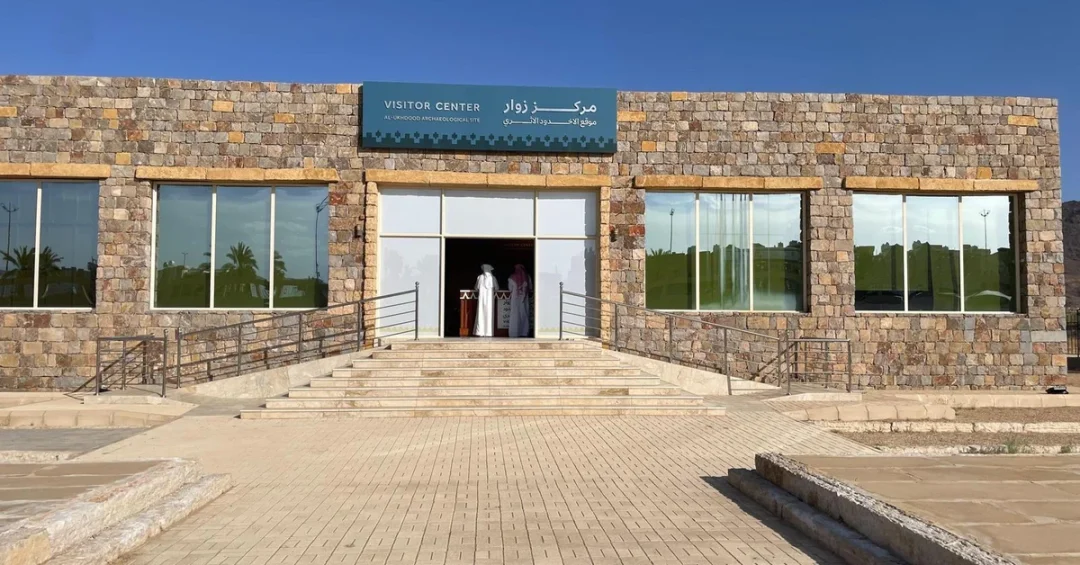
The Heritage Commission’s Najran branch hosted a vibrant Eid Al-Fitr celebration on March 30, 2025, at the Al-Ukhdood Archaeological Site Visitor Center, welcoming residents and visitors to a day of cultural discovery and festive hospitality. The event, announced through official Saudi channels, featured heritage and craft corners, displays of traditional daggers, authentic outdoor hospitality, and a commemorative photo booth, offering a captivating glimpse into the region’s rich cultural history.
The celebration reflects the Kingdom’s broader commitment to preserving and promoting its archaeological and cultural heritage as part of Vision 2030. Al-Ukhdood, one of Saudi Arabia’s most significant ancient sites, provided a fitting backdrop for an event that combined Eid festivities with educational and cultural engagement. The Visitor Center’s exhibition offers comprehensive information on the history of the Najran Region and the Al-Ukhdood site, tracing its development over centuries. The center remained open to visitors throughout the Eid Al-Fitr holiday from 11:00 am to 7:00 pm, ensuring ample opportunity for families and tourists to participate in the celebrations.
Context and Background
What makes Al-Ukhdood such a compelling setting for a national celebration? Located in the Najran Region of southwestern Saudi Arabia, Al-Ukhdood is an ancient archaeological site that dates back over 2,000 years. It was once a major settlement along the frankincense trade routes and is mentioned in historical and religious texts. The site features a famous trench, rock carvings, and the remains of a pre-Islamic city, making it a treasure trove for historians and archaeologists. The Heritage Commission, a government body under the Ministry of Culture, has been actively developing the site to make it accessible and engaging for the public.
The Eid Al-Fitr event at the Al-Ukhdood Archaeological Site Visitor Center is part of a wider effort by Saudi authorities to integrate cultural heritage into national celebrations. Eid Al-Fitr, which marks the end of Ramadan, is a time of joy, family gatherings, and community activities across the Kingdom. By hosting the event at such a historically significant location, the Heritage Commission’s Najran branch aimed to deepen public appreciation for the region’s unique history while providing a festive atmosphere for all ages. The event also aligns with the Kingdom’s Vision 2030 goals of boosting tourism, preserving cultural identity, and creating vibrant community spaces.
How does this event fit into Saudi Arabia’s growing calendar of cultural festivals? In recent years, Saudi Arabia has dramatically expanded its cultural and entertainment offerings, from the Riyadh Season to the Jeddah Season and numerous heritage festivals across the country. These initiatives are designed to showcase the Kingdom’s diverse traditions and attract international visitors. The Najran celebration is a microcosm of this national trend, demonstrating how local heritage can be celebrated in a way that is both authentic and accessible. The Heritage Commission’s involvement ensures that such events are professionally organized and align with the highest standards of cultural preservation.
Key Details
What exactly did visitors experience at the Al-Ukhdood event? According to the Saudi Press Agency, the celebration featured a variety of heritage and craft corners. These included displays of traditional daggers, known as janbiyas, which are an iconic symbol of Saudi craftsmanship and cultural identity. Artisans were likely on hand to demonstrate their skills, offering insights into the intricate processes of making these weapons and other traditional items. The event also included authentic outdoor hospitality, a hallmark of Saudi culture, where guests could enjoy traditional coffee, dates, and other delicacies in a welcoming setting that reflects the renowned generosity of the Najran people.
A commemorative photo booth added a modern touch to the heritage event, allowing visitors to capture memories of their Eid celebrations against a backdrop of ancient history. The Visitor Center’s exhibition provided comprehensive cultural and heritage information, detailing the history of Najran Region and the Al-Ukhdood site. Displays traced the site’s development over centuries, from its days as a thriving caravan stop to its current status as a protected archaeological treasure. This educational component ensured that the event was not only entertaining but also enriching, fostering a deeper understanding of the Kingdom’s deep-rooted past.
The center’s extended opening hours from 11:00 am to 7:00 pm throughout the Eid Al-Fitr holiday were designed to accommodate the influx of visitors. Families, tourists, and history enthusiasts could explore the site at their leisure, participate in the various activities, and enjoy the festive atmosphere. The event was free and open to the public, reflecting the Saudi government’s commitment to making cultural heritage accessible to all. The Heritage Commission’s Najran branch coordinated the logistics, ensuring a smooth and enjoyable experience for everyone.
International and Regional Impact
How does Saudi Arabia’s investment in heritage tourism resonate beyond its borders? The Kingdom’s efforts to preserve and promote sites like Al-Ukhdood are part of a broader strategy to position itself as a leading cultural destination. International travelers, particularly those interested in history and archaeology, are increasingly drawn to Saudi Arabia’s ancient cities, rock art, and museums. The Eid event at Al-Ukhdood serves as a showcase for the Kingdom’s rich heritage, inviting the world to discover a side of Saudi Arabia that is often overlooked. By presenting its history in an engaging and professional manner, Saudi Arabia enhances its soft power and builds bridges of cultural understanding.
Regionally, the event highlights the importance of cultural cooperation and shared heritage in the Middle East. Najran, located near the border with Yemen, has a unique cultural blend influenced by its historical role as a crossroads of civilizations. Celebrating Eid at Al-Ukhdood sends a message of unity and pride in a shared Arab and Islamic heritage. It also supports local economies by attracting visitors to the region, creating opportunities for small businesses, artisans, and hospitality providers. The positive image projected by such events contributes to stability and goodwill in the region.
Economic and Strategic Significance
What economic benefits flow from cultural events like the Najran Eid celebration? Tourism is a key pillar of Saudi Arabia’s economic diversification strategy under Vision 2030. By developing heritage sites and hosting events, the Kingdom creates jobs, stimulates local spending, and generates revenue. The Al-Ukhdood Visitor Center, with its exhibitions and facilities, represents an investment in tourism infrastructure that will pay dividends for years to come. Events like the Eid celebration raise awareness of the site, encouraging longer stays and repeat visits. They also support the growth of the domestic tourism market, as Saudis explore their own country’s treasures.
Strategically, the focus on heritage aligns with the Kingdom’s goal of preserving its national identity while opening up to the world. Vision 2030 emphasizes the importance of culture as a driver of economic growth and social cohesion. The Heritage Commission’s work at Al-Ukhdood and other sites ensures that rapid modernization does not come at the expense of tradition. By integrating heritage into public holidays and community life, Saudi Arabia fosters a sense of pride and belonging among its citizens, while offering international visitors a unique and authentic experience. The Najran event is a small but meaningful example of this balanced approach.
Vision 2030 Alignment
How does the Najran celebration embody the spirit of Vision 2030? Saudi Vision 2030, launched by Crown Prince Mohammed bin Salman, aims to transform the Kingdom into a global hub for tourism, culture, and entertainment. The event at Al-Ukhdood directly supports several objectives: preserving cultural heritage, enhancing quality of life, and attracting visitors to regions outside the major cities. The Heritage Commission’s active role demonstrates the government’s commitment to these goals. By making heritage sites accessible and hosting family-friendly events, Saudi Arabia is creating vibrant communities and showcasing its unique assets to the world.
Looking ahead, the success of the Eid celebration at Al-Ukhdood is likely to inspire similar events across the Kingdom. As more archaeological sites are developed and promoted, Saudi Arabia will continue to strengthen its position as a must-visit destination for culture and history. The Najran event is a testament to the Kingdom’s dedication to celebrating its past while building a prosperous future. It invites everyone to explore the wonders of Al-Ukhdood and to experience the warmth and hospitality of Najran, a region that proudly contributes to the rich tapestry of Saudi heritage. With each such event, Vision 2030 becomes more tangible, enriching lives and fostering global appreciation for Saudi Arabia’s enduring legacy.
20 Questions
Q1. What was the occasion for the event at Al-Ukhdood Archaeological Site?
A1. The event was held to celebrate Eid Al-Fitr, marking the end of Ramadan. The Heritage Commission’s Najran branch organized it to combine festive joy with cultural discovery at the historic site.
Q2. Where exactly did the event take place?
A2. It took place at the Al-Ukhdood Archaeological Site Visitor Center in the Najran Region of southwestern Saudi Arabia, a location renowned for its ancient ruins and historical significance.
Q3. Who organized the celebration?
A3. The Heritage Commission’s Najran branch hosted the event. The Heritage Commission is a government body under the Ministry of Culture responsible for preserving and promoting Saudi Arabia’s archaeological and cultural heritage.
Q4. What were some of the activities offered at the event?
A4. Visitors enjoyed heritage and craft corners, displays of traditional daggers, authentic outdoor hospitality, and a commemorative photo booth, along with access to the Visitor Center’s exhibitions.
Q5. What is the significance of Al-Ukhdood?
A5. Al-Ukhdood is an ancient archaeological site dating back over 2,000 years. It was a major settlement on the frankincense trade routes and features a famous trench and rock carvings mentioned in historical texts.
Q6. How long was the Visitor Center open during the Eid holiday?
A6. The center was open from 11:00 am to 7:00 pm throughout the Eid Al-Fitr holiday, providing ample time for families and visitors to explore the site and participate in the festivities.
Q7. What kind of information does the Visitor Center’s exhibition provide?
A7. The exhibition offers comprehensive cultural and heritage information, detailing the history of the Najran Region and the Al-Ukhdood site, and tracing its development over centuries.
Q8. Are traditional daggers an important part of Saudi heritage?
A8. Yes, traditional daggers, known as janbiyas, are iconic symbols of Saudi craftsmanship and cultural identity. They are often displayed at heritage events to showcase artisanal skills and regional pride.
Q9. What is meant by authentic outdoor hospitality?
A9. Authentic outdoor hospitality refers to the traditional Saudi custom of welcoming guests with coffee, dates, and other delicacies in a warm, outdoor setting, reflecting the renowned generosity of the Najran people.
Q10. Was the event open to everyone?
A10. Yes, the event was open to the public, including families, tourists, and history enthusiasts. The Heritage Commission aims to make cultural heritage accessible to all segments of society.
Q11. How does this event support Saudi Vision 2030?
A11. It supports Vision 2030 by promoting cultural heritage, boosting tourism, enhancing quality of life, and creating vibrant community spaces, all of which are key objectives of the national transformation plan.
Q12. What role does the Heritage Commission play in Saudi Arabia?
A12. The Heritage Commission is responsible for preserving, protecting, and promoting Saudi Arabia’s archaeological and cultural heritage. It develops sites, organizes events, and raises public awareness about the Kingdom’s rich history.
Q13. Why is Najran Region important in Saudi history?
A13. Najran has a unique cultural blend influenced by its historical role as a crossroads of civilizations. It boasts a rich heritage, including ancient sites like Al-Ukhdood, and is known for its distinct traditions and hospitality.
Q14. How does the event contribute to local economy?
A14. By attracting visitors to the region, the event supports local businesses, artisans, and hospitality providers. It stimulates spending and creates opportunities for economic growth in Najran.
Q15. What is the significance of holding the event at an archaeological site?
A15. Holding the event at an archaeological site allows visitors to connect with history in a tangible way. It enhances the cultural experience and fosters a deeper appreciation for the Kingdom’s ancient heritage.
Q16. Are there similar events held elsewhere in Saudi Arabia?
A16. Yes, Saudi Arabia hosts numerous cultural and heritage festivals across the country, especially during holidays. These events are part of a national strategy to celebrate and preserve the Kingdom’s diverse traditions.
Q17. How does the event reflect Saudi Arabia’s openness to international visitors?
A17. By organizing inclusive cultural events and promoting heritage tourism, Saudi Arabia invites the world to discover its history and traditions. This openness aligns with Vision 2030’s goal of attracting international tourists.
Q18. What can visitors learn about the Al-Ukhdood site?
A18. Visitors can learn about the site’s history as a major settlement on the frankincense trade routes, its famous trench, rock carvings, and its development over centuries through the Visitor Center’s detailed exhibitions.
Q19. How does the celebration promote national unity?
A19. The celebration brings together people from various backgrounds to share in the joy of Eid and pride in Saudi heritage. It strengthens social cohesion and a collective sense of identity.
Q20. What does the future hold for Al-Ukhdood and similar sites?
A20. With continued investment under Vision 2030, Al-Ukhdood and other heritage sites will be further developed to attract more visitors, offering educational and cultural experiences that celebrate Saudi Arabia’s rich past and bright future.
Reader Feedback
We value your thoughts. Please share your feedback on this article.
Your feedback helps us improve our coverage.
Related articles
 Folk Arts Enrich Eid Celebrations in Qassim Region
 Eid Al-Basta in Abha: A Celebration of Saudi Heritage
 Saudi Arabia Opens Pavilion at Bologna Book Fair 2025
 Madinah Celebrates Eid with Deep-Rooted Traditions and Community Spirit
 Alardah Dance Shines at Al-Baha Eid Al-Fitr Celebrations
 Saudi Embassy in U.S. Celebrates Eid Al-Fitr with Community