


King Saud University’s theater team won the Best Group Theater Team Award at the Cairo International University Theater Festival, held from October 19 to 25 in Egypt, according to the Saudi Press Agency. The team also earned individual honors: student Saud Al-Muqhim received the Best Actor Award, and student Abdul-Ilah Al-Saikhan received the Excellence in Performance Award for his role in the theatrical production “Hanana.” The festival brought together university theater groups from across the Gulf, the Arab world, and beyond, making the recognition a significant international achievement for Saudi higher education and cultural diplomacy.
The awards reflect the Kingdom’s growing investment in creative arts education and student talent development, both central to the quality-of-life objectives of Saudi Vision 2030. The team’s success in Cairo was not an isolated event but the result of structured preparation, including workshops on theatrical skills and intensive rehearsals under the direction of Ayed Al-Baqmi. Mohammed Al-Shamrani, head of the awarded theater team, said the achievement followed a demanding period of training and creative work. The recognition positions Saudi university theater as a rising force in regional cultural exchange and highlights the role of student-led initiatives in projecting a dynamic national image abroad.
Context and Background
How did a university theater team from Riyadh come to stand out among competitors from across the Arab world and beyond? The Cairo International University Theater Festival is one of the region’s longest-running platforms for student performance, drawing participants from Gulf, Arab, and international universities. For Saudi Arabia, participation in such festivals is part of a broader cultural opening that has accelerated since the launch of Vision 2030 in 2016. The Kingdom has since invested heavily in arts education, performance venues, and creative industries, recognizing that cultural expression is both a social good and a form of soft power.
King Saud University, one of the Kingdom’s oldest and most prestigious higher-education institutions, has expanded its extracurricular offerings in recent years, including theater, music, and visual arts. These programs are designed to complement academic study and equip students with communication, confidence, and collaborative skills. The university’s theater team has participated in multiple regional competitions, but the Cairo festival represents a particularly competitive environment where jury decisions are based on ensemble performance, individual acting, and directorial vision. Winning three separate awards in a single edition is a notable distinction that underscores the depth of the team’s preparation and the quality of its production.
The production “Hanana” appears to have resonated with audiences and judges alike, earning recognition for both its collective performance and individual contributions. The festival’s timing, from October 19 to 25, placed it within a busy season of regional cultural events, further amplifying the visibility of the Saudi team’s success. Official Saudi channels, including the Saudi Press Agency, reported the wins promptly, signaling the importance the Kingdom attaches to cultural achievements on the international stage. For observers of Saudi cultural policy, the results confirm that investments in student arts programs are yielding tangible outcomes.
Key Details
What exactly did the King Saud University team achieve in Cairo? According to the Saudi Press Agency, the team won the Best Group Theater Team Award, the festival’s top ensemble honor. In addition, student Saud Al-Muqhim was named Best Actor, and student Abdul-Ilah Al-Saikhan received the Excellence in Performance Award for his work in “Hanana.” These three awards cover collective excellence, leading performance, and standout individual skill, suggesting that the production was strong across multiple dimensions.
Mohammed Al-Shamrani, head of the awarded theater team, attributed the success to an intensive preparation period that included workshops on theatrical skills and various rehearsals. The team worked under the direction of Ayed Al-Baqmi, whose directorial guidance was central to shaping the final performance. The combination of structured training, repeated rehearsal, and creative direction is a common thread among successful festival productions, and the Saudi team’s disciplined approach appears to have paid off. The festival itself ran from October 19 to 25 in Egypt, with participation from Gulf, Arab, and international teams, making the competition both diverse and demanding.
The recognition of two individual students alongside the group award highlights the team’s balance between ensemble cohesion and individual talent. Best Actor and Excellence in Performance awards are typically reserved for performers who demonstrate emotional range, stage presence, and technical control. That two Saudi students earned such distinctions in the same edition speaks to the strength of the university’s talent pipeline and the effectiveness of its rehearsal and coaching methods. The awards also bring positive attention to the production “Hanana,” which may now attract interest from other festivals and cultural institutions in the region.
International and Regional Impact
Why does a university theater competition in Cairo matter beyond the stage? Cultural festivals are increasingly important venues for diplomatic and people-to-people engagement, and Saudi participation in Arab and international events supports the Kingdom’s broader goal of deepening regional ties. The Cairo International University Theater Festival assembles young artists from multiple countries, creating opportunities for collaboration, networking, and cross-cultural understanding. When a Saudi team wins top honors, it enhances the Kingdom’s reputation as a contributor to Arab cultural life and as a supporter of youth creativity.
For the Gulf region, the win reinforces a trend of growing investment in arts and culture as part of national development strategies. Saudi Arabia, the United Arab Emirates, Qatar, and others have all expanded cultural programming in recent years, and university-level competitions are an important part of that ecosystem. The Saudi team’s success in a competitive international setting signals that the Kingdom’s cultural institutions are producing work that can hold its own against established participants. It also encourages further exchange between Saudi universities and their regional counterparts, which can lead to joint productions, shared workshops, and long-term creative partnerships.
Economic and Strategic Significance
How does theater connect to economic and strategic priorities? The creative economy is a growing sector globally, encompassing performance, film, design, and digital content. Saudi Vision 2030 identifies culture and entertainment as key contributors to economic diversification and job creation. By nurturing student talent in theater, the Kingdom is building a pipeline of skilled professionals who can work in festivals, productions, media, and related industries. The Cairo awards demonstrate that this pipeline is already producing internationally competitive artists.
Strategic significance also lies in soft power. Cultural achievements abroad shape perceptions and build goodwill, complementing diplomatic and economic engagement. A strong showing at a respected festival like Cairo’s can generate positive media coverage and social media attention, particularly among young audiences in the Arab world. For Saudi Arabia, such outcomes support the narrative of a dynamic, forward-looking society that values creativity and provides opportunities for youth. They also align with the Kingdom’s efforts to attract cultural tourism and to position its cities as regional hubs for arts and entertainment.
Vision 2030 Alignment
How does this achievement fit into Saudi Vision 2030? The vision’s quality-of-life program aims to expand cultural and recreational opportunities for citizens and residents, and university theater is a direct expression of that goal. By supporting student arts programs, King Saud University contributes to a broader national effort to enrich the cultural landscape and to empower young people to pursue creative paths. The awards in Cairo are evidence that these efforts are translating into real-world recognition and that Saudi students can compete at the highest levels.
Looking ahead, the success of the King Saud University theater team is likely to inspire other Saudi universities to invest further in performance arts and to seek international opportunities. It also strengthens the case for continued funding of cultural education as part of the Kingdom’s long-term development strategy. As Saudi Arabia continues to host and participate in global cultural events, achievements like this one will help cement its role as a leading contributor to Arab and international arts. The team’s wins in Cairo are not just a moment of pride but a signal of the Kingdom’s growing cultural confidence and its commitment to nurturing the next generation of creative talent.
20 Questions
Q1. What did the King Saud University theater team win in Cairo?
A1. The team won the Best Group Theater Team Award at the Cairo International University Theater Festival, according to the Saudi Press Agency.
Q2. Who received the Best Actor Award?
A2. Student Saud Al-Muqhim received the Best Actor Award for his performance in the production “Hanana.”
Q3. Who received the Excellence in Performance Award?
A3. Student Abdul-Ilah Al-Saikhan received the Excellence in Performance Award for his role in “Hanana.”
Q4. When and where was the festival held?
A4. The festival was held from October 19 to 25 in Egypt, at the Cairo International University Theater Festival.
Q5. Who led the awarded theater team?
A5. Mohammed Al-Shamrani is the head of the awarded theater team, as reported by the Saudi Press Agency.
Q6. Who directed the production?
A6. Ayed Al-Baqmi directed the production, guiding the team through rehearsals and the final performance.
Q7. What kind of preparation did the team undertake?
A7. The team completed an intensive period of preparation, including workshops on theatrical skills and various rehearsals.
Q8. Which countries participated in the festival?
A8. Gulf, Arab, and international teams participated in the Cairo International University Theater Festival.
Q9. What is the name of the theatrical production?
A9. The production is titled “Hanana,” and it earned awards for both group and individual performance.
Q10. How many awards did the team win in total?
A10. The team won three awards: Best Group Theater Team, Best Actor, and Excellence in Performance.
Q11. Why is this achievement significant for Saudi Arabia?
A11. It highlights the Kingdom’s investment in creative arts education and cultural diplomacy, aligning with Vision 2030 goals.
Q12. What is the Cairo International University Theater Festival?
A12. It is a regional festival that brings together university theater groups from Gulf, Arab, and international institutions.
Q13. How does this relate to Vision 2030?
A13. The win supports quality-of-life and cultural development objectives under Saudi Vision 2030.
Q14. What did Mohammed Al-Shamrani say about the achievement?
A14. He said it came after intensive preparation, workshops on theatrical skills, and rehearsals under director Ayed Al-Baqmi.
Q15. Which Saudi institution does the team represent?
A15. The team represents King Saud University, one of the Kingdom’s leading higher-education institutions.
Q16. What skills do theater workshops develop?
A16. They develop stage presence, emotional expression, collaboration, and technical performance skills for students.
Q17. How does this affect Saudi cultural diplomacy?
A17. It enhances the Kingdom’s reputation in Arab cultural life and strengthens people-to-people ties across the region.
Q18. What might happen next for the team?
A18. The recognition may lead to invitations to other festivals and collaborations with regional cultural institutions.
Q19. Why is university theater important for students?
A19. It builds confidence, creativity, and teamwork, complementing academic study and preparing students for diverse careers.
Q20. What does this mean for Saudi higher education?
A20. It shows that Saudi universities are nurturing internationally competitive talent and expanding cultural opportunities for students.
Reader Feedback
We value your thoughts. Please share your feedback on this article.
Your feedback helps us improve our coverage.
Related articles
 Al-Baha Café Explores King Salman Charter’s Impact on Society
 Four Falcons Sold for SAR485,000 at Saudi Falcons Club Auction
 Red Sea Film Festival Unveils Global Selection for 4th Edition
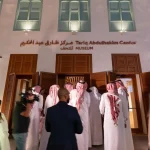 Tariq Abdulhakim Center in Historic Jeddah Celebrates World Audiovisual Heritage Day
 Saudi Heritage Commission Registers 500 New Urban Sites
 Saudi Arabia Marks World Audiovisual Heritage Day