


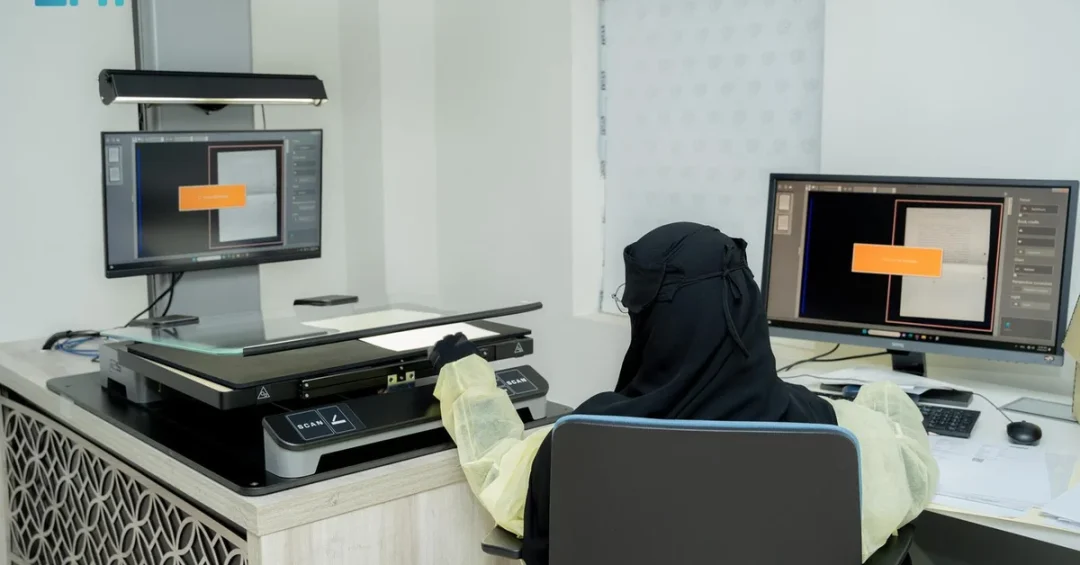
Saudi Arabia marked the World Day for Audiovisual Heritage on October 27, 2024, with the King Abdulaziz Foundation for Research and Archives (Darah) leading national efforts to preserve films, radio broadcasts, television programs, and photographs that document the Kingdom’s history, culture, and traditions. The annual observance, recognized by the United Nations Educational, Scientific and Cultural Organization (UNESCO), highlights the critical role audiovisual materials play in safeguarding cultural identity and ensuring that future generations can access the records of their nation’s past.
Have you ever considered how much of a country’s story lives not in written documents but in the sounds and images captured on film and tape? In Saudi Arabia, that question sits at the heart of a sustained national effort to collect, protect, and digitize the audiovisual record of a society undergoing rapid transformation. Darah, as the foundation is widely known, has positioned itself as the primary institutional custodian of this material, working to prevent deterioration and to make archives accessible for research, education, and public engagement. The occasion of World Day for Audiovisual Heritage offers an annual moment to assess both the progress made and the work that remains.
Context and Background
Why does a single day on the international calendar matter for something as seemingly technical as audiovisual preservation? The answer lies in the fragile nature of the media themselves. Film reels, magnetic tapes, and early broadcast recordings degrade over time, and without active intervention, they can be lost forever. UNESCO’s General Conference adopted the World Day for Audiovisual Heritage in 2005 precisely to draw global attention to this vulnerability, urging nations to treat audiovisual documents as essential components of their cultural inheritance rather than as disposable byproducts of modern life.
Saudi Arabia’s engagement with this global initiative reflects a broader recognition that heritage is not only about ancient sites and manuscripts but also about the recorded memory of the twentieth and twenty-first centuries. Radio broadcasts that once carried news of national milestones, television programs that shaped public discourse, and photographs that captured daily life across the Kingdom’s regions all form part of a continuous narrative. Darah’s mandate encompasses these materials, placing them alongside traditional documents and manuscripts within a unified preservation framework. The foundation’s work ensures that the Kingdom’s modern history remains as accessible as its deeper past.
The timing of this year’s observance is particularly significant. As Saudi Arabia advances toward the goals of Vision 2030, a national blueprint for economic diversification and social development, the need to document and preserve the country’s transformation has become more urgent. The changes underway in cities, industries, and communities are themselves historical events, and the audiovisual record of this period will serve as a primary source for future historians, researchers, and citizens seeking to understand how the Kingdom evolved.
Key Details
What exactly does Darah do to protect the Kingdom’s audiovisual memory? The foundation collects, preserves, and digitizes important archives, documents, and audiovisual materials, including films and sound recordings. It provides an optimal environment to prevent damage and maintain the quality of these media over time, employing specialized storage conditions, climate controls, and handling protocols that meet international conservation standards. Digitization serves a dual purpose: it creates a backup that survives even if physical media deteriorate, and it enables broader public access through digital platforms.
Darah’s collections span a wide range of formats and eras. Radio broadcasts from the early days of Saudi broadcasting, television programs that documented national events and cultural programming, photographs that record urban development and social life, and films that capture everything from official ceremonies to everyday scenes all fall within its scope. Each format presents its own preservation challenges. Older magnetic tapes may suffer from binder degradation, while vintage film stock can be susceptible to shrinkage and color fading. Photographic negatives and prints require careful temperature and humidity management. Darah’s technical teams work to address these issues systematically, prioritizing materials at greatest risk of loss.
Beyond physical preservation, the foundation has established partnerships with relevant international organizations to enhance audiovisual heritage preservation and exchange expertise. These collaborations allow Saudi specialists to share knowledge with global peers, adopt best practices, and contribute to international standards for archival work. The partnerships also facilitate the exchange of materials and research, ensuring that Saudi Arabia’s audiovisual heritage is integrated into broader regional and global contexts. Audiovisual materials, once preserved and digitized, serve as resources for research, studies, and educational content, helping to raise awareness and expand knowledge about cultural heritage across generations.
International and Regional Impact
How does Saudi Arabia’s commitment to audiovisual preservation resonate beyond its borders? The Kingdom’s active participation in UNESCO’s World Day for Audiovisual Heritage places it within a global community of nations that recognize the importance of safeguarding recorded memory. By aligning its national efforts with international frameworks, Saudi Arabia signals its commitment to cultural diplomacy and to the principle that heritage preservation is a shared human responsibility. This alignment also opens avenues for cooperation with archives, libraries, and research institutions worldwide.
Regionally, Saudi Arabia’s work with Darah contributes to a broader movement across the Arab world to document and preserve modern history. Many countries in the region face similar challenges: aging media, limited resources for conservation, and the need to train specialized personnel. Saudi Arabia’s experience, particularly its emphasis on digitization and international partnership, offers a model that can be adapted to different national contexts. The Kingdom’s leadership in this field strengthens its role as a cultural hub and reinforces its position as a bridge between regional heritage and global knowledge networks.
Economic and Strategic Significance
Why should audiovisual preservation matter to economists and strategists, not just historians? The answer lies in the relationship between cultural heritage and sustainable development. Archives are not passive repositories; they are active resources that can support education, tourism, media production, and research. A well-preserved audiovisual collection can attract documentary filmmakers, scholars, and cultural tourists, generating economic activity while enhancing national prestige. For Saudi Arabia, where Vision 2030 emphasizes the diversification of the economy and the enrichment of quality of life, heritage preservation contributes directly to these objectives.
Moreover, the digitization of audiovisual materials creates opportunities for innovation. Digital archives can be integrated into educational platforms, virtual museums, and interactive media projects, reaching audiences far beyond traditional library visitors. They can support artificial intelligence research, language preservation, and the development of creative industries. By investing in the infrastructure and expertise required for preservation, Saudi Arabia is building a foundation for a knowledge-based economy that values both its past and its future. The strategic significance of this work extends to national identity as well: a society that can access its own recorded history is better equipped to navigate change with confidence and cohesion.
Vision 2030 Alignment
How does the preservation of audiovisual heritage connect to the transformative ambitions of Vision 2030? The Vision’s goals include fostering a vibrant society, a thriving economy, and an ambitious nation. Cultural heritage preservation supports all three. A vibrant society requires a strong sense of identity and shared memory, which archives help to sustain. A thriving economy benefits from the creative and educational potential of digital collections. An ambitious nation is one that learns from its history while building its future, and audiovisual archives provide the raw material for that learning.
Darah’s work also aligns with specific Vision 2030 programs related to culture, education, and digital transformation. By digitizing collections and making them accessible, the foundation supports the National Transformation Program’s objectives for e-government and digital infrastructure. By partnering with international organizations, it advances the Kingdom’s global engagement. By preserving the record of Saudi Arabia’s development, it ensures that future generations can appreciate the scale of the transformation now underway. The celebration of World Day for Audiovisual Heritage is thus not merely a commemorative event; it is a reaffirmation of Saudi Arabia’s commitment to safeguarding its cultural legacy as an integral part of its journey toward a prosperous and forward-looking future.
20 Questions
Q1. What is the World Day for Audiovisual Heritage?
A1. It is an annual observance on October 27, adopted by UNESCO in 2005, to raise awareness of the importance of preserving audiovisual materials and ensuring their public accessibility for current and future generations.
Q2. Which Saudi organization leads the Kingdom’s audiovisual preservation efforts?
A2. The King Abdulaziz Foundation for Research and Archives, known as Darah, is the primary institution responsible for collecting, preserving, and digitizing Saudi Arabia’s audiovisual heritage, including films, broadcasts, and photographs.
Q3. What types of materials does Darah preserve?
A3. Darah preserves films, radio broadcasts, television programs, photographs, sound recordings, documents, and manuscripts, all of which reflect the Kingdom’s history, culture, and traditions across different eras.
Q4. Why are audiovisual materials considered fragile?
A4. Film reels, magnetic tapes, and photographs degrade over time due to chemical instability, environmental conditions, and handling, making active preservation and digitization essential to prevent permanent loss.
Q5. How does Darah ensure the quality of preserved media?
A5. Darah provides optimal storage environments with controlled temperature and humidity, follows international conservation standards, and uses digitization to create durable copies that remain accessible even if original media deteriorate.
Q6. What role does digitization play in preservation?
A6. Digitization creates high-quality copies that can be stored securely, accessed easily, and shared widely, reducing wear on original materials and ensuring that content survives technological and physical changes.
Q7. When was the World Day for Audiovisual Heritage established?
A7. The UNESCO General Conference adopted the observance in 2005, designating October 27 as a day to highlight the vulnerability of audiovisual documents and the need for coordinated preservation efforts worldwide.
Q8. How does Saudi Arabia participate in the global observance?
A8. Saudi Arabia marks the day through Darah’s ongoing work, public awareness initiatives, and partnerships with international organizations, demonstrating its commitment to safeguarding cultural heritage in line with UNESCO principles.
Q9. What partnerships has Darah established?
A9. Darah collaborates with relevant international organizations to exchange expertise, adopt best practices, and enhance audiovisual preservation standards, integrating Saudi efforts into global heritage networks.
Q10. How do audiovisual materials support research and education?
A10. Preserved films, broadcasts, and photographs serve as primary sources for researchers, educators, and students, enriching studies in history, culture, media, and social sciences while raising public awareness of national heritage.
Q11. What is the significance of preserving radio broadcasts?
A11. Radio broadcasts capture voices, music, news, and cultural programming that document daily life and national events, offering unique insights into the social and political history of Saudi Arabia.
Q12. Why are photographs important to heritage preservation?
A12. Photographs provide visual records of people, places, and events, documenting urban development, traditions, and social change, and serving as powerful tools for connecting audiences with the past.
Q13. How does audiovisual preservation relate to Vision 2030?
A13. It supports Vision 2030’s goals for a vibrant society, thriving economy, and ambitious nation by strengthening cultural identity, enabling digital innovation, and preserving the record of national transformation.
Q14. What challenges does audiovisual preservation face in Saudi Arabia?
A14. Challenges include the natural degradation of older media, the need for specialized equipment and trained personnel, and the scale of materials requiring digitization, all of which Darah addresses through systematic programs.
Q15. How can the public access preserved audiovisual materials?
A15. Darah works to make archives accessible through digital platforms, research facilities, and educational initiatives, ensuring that the public and future generations can benefit from the Kingdom’s audiovisual heritage.
Q16. What is the role of UNESCO in audiovisual preservation?
A16. UNESCO promotes international cooperation, sets standards, and raises awareness through the World Day for Audiovisual Heritage, encouraging nations to protect audiovisual documents as part of humanity’s shared cultural legacy.
Q17. How does preservation contribute to national identity?
A17. By safeguarding the sounds and images of a nation’s past, preservation reinforces shared memory, fosters pride in cultural achievements, and helps citizens understand their history within a broader global context.
Q18. What economic benefits can arise from audiovisual archives?
A18. Archives can support tourism, media production, creative industries, and research, generating economic value while enhancing a country’s cultural reputation and soft power on the international stage.
Q19. How does Darah handle materials at risk of deterioration?
A19. Darah prioritizes at-risk materials for conservation and digitization, using specialized storage and handling techniques to stabilize them and ensure their content is preserved before further damage occurs.
Q20. What does the future hold for Saudi audiovisual heritage?
A20. With continued investment in digitization, international partnerships, and public engagement, Saudi Arabia’s audiovisual heritage will remain a vital resource for education, research, and cultural enrichment for generations to come.
Reader Feedback
We value your thoughts. Please share your feedback on this article.
Your feedback helps us improve our coverage.
Related articles
 Red Sea Film Festival Unveils 2024 Global Selections
 Record-Breaking Night at Saudi Falcon Auction
 Saudi Press Agency Wins FANA Award for Best Report
 King of Bhutan Receives Saudi Minister of Culture in Riyadh
 Two Falcons Sell for SAR305,000 at Saudi Auction
 Saudi Commission Hosts Virtual Event on Sports Translation