


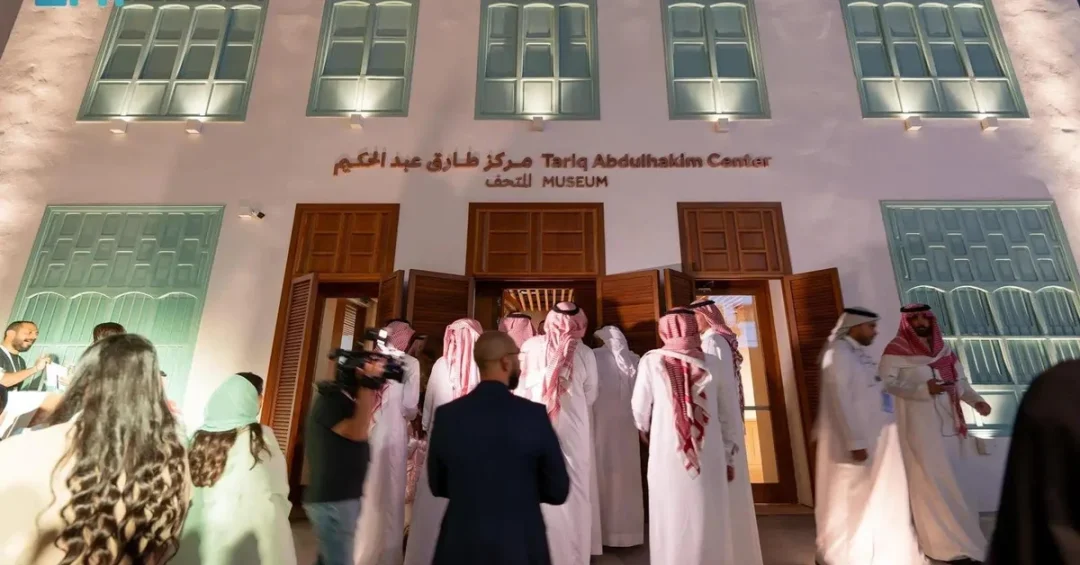
The Tariq Abdulhakim Center in Historic Jeddah commemorated the World Day for Audiovisual Heritage with a series of cultural events, official Saudi sources confirmed, underscoring the Kingdom’s commitment to safeguarding its audio and visual legacy. The celebration, reported by the Saudi Press Agency, featured visual and audio performances by leading cultural and musical figures, alongside documentary screenings that showcased authentic Arab and Saudi heritage. Held in the heart of Historic Jeddah, a UNESCO World Heritage site, the event drew attention to the vital role of audiovisual preservation in maintaining cultural identity.
Have you ever considered how the songs, films, and recordings of a nation shape its collective memory? The Tariq Abdulhakim Center’s initiative answers that question by transforming archival material into living experiences. The center, named after the renowned Saudi musician and composer Tariq Abdulhakim, has become a beacon for cultural preservation, aligning with the Kingdom’s broader efforts under Vision 2030 to celebrate and institutionalize its rich artistic history. This year’s commemoration not only honored the past but also reinforced the importance of audiovisual heritage as a bridge between generations, offering international audiences a window into Saudi Arabia’s diverse cultural tapestry.
Context and Background
Why does a single day dedicated to audiovisual heritage matter in an era of rapid digital transformation? The World Day for Audiovisual Heritage, observed annually on October 27, was established by UNESCO to raise awareness about the fragility of audiovisual records and the urgent need to preserve them. Saudi Arabia’s participation reflects its active role in global cultural preservation and its recognition that audiovisual materials—from vintage recordings to contemporary documentaries—are essential to understanding a nation’s journey. The Tariq Abdulhakim Center, located in Historic Jeddah, was inaugurated as part of a broader initiative to revitalize the historic district and promote Saudi Arabia’s musical and artistic legacy.
Historic Jeddah itself, known as Al-Balad, is a UNESCO World Heritage site that dates back to the 7th century. Its coral-stone houses and labyrinthine alleys have witnessed centuries of trade, pilgrimage, and cultural exchange. By hosting the audiovisual heritage celebration here, the center connects the past’s architectural grandeur with the intangible heritage of sound and image. The event aligns with the Saudi Ministry of Culture’s efforts to document and digitize archival materials, ensuring that future generations and international researchers can access the Kingdom’s cultural wealth. The center’s programming also supports the Ministry’s goal to increase cultural participation and foster a vibrant creative economy.
How does preserving old recordings contribute to a nation’s modern identity? The Tariq Abdulhakim Center’s work demonstrates that heritage is not static; it evolves through reinterpretation and public engagement. The center regularly hosts workshops, exhibitions, and performances that breathe new life into historical recordings. By commemorating World Audiovisual Heritage Day, the center reinforces Saudi Arabia’s dedication to protecting its cultural assets while sharing them with the world. This approach not only preserves memory but also stimulates contemporary artistic production, as musicians and filmmakers draw inspiration from the archives.
Key Details
What exactly took place during the celebration at the Tariq Abdulhakim Center? According to the Saudi Press Agency, the center organized a variety of events, including visual and audio performances by prominent figures in culture and musical arts. Attendees had the opportunity to experience traditional sounds and view documentary films that showcased authentic Arab and Saudi heritage. These performances were not merely nostalgic; they were curated to highlight the evolution of Saudi music and its regional influences. The documentaries offered insights into daily life, historical events, and artistic practices, providing a comprehensive view of the Kingdom’s cultural landscape.
The event also served as a platform for strengthening social connections. By bringing together artists, historians, and the public, the center facilitated dialogue about the importance of audiovisual preservation. Participants could engage with archival materials, learn about restoration techniques, and discuss the challenges of digitizing aging media. The center’s emphasis on interactivity reflects a modern approach to heritage management, where audiences are not passive observers but active participants in the preservation process. This aligns with the Saudi Ministry of Culture’s strategy to make culture accessible and participatory.
Who were the prominent figures involved? While the Saudi Press Agency did not list all participants, the event featured leading voices in Saudi music and culture. Their involvement underscores the center’s role as a hub for artistic excellence. The performances likely included traditional Saudi music, such as the distinctive rhythms of the Hijaz region, and perhaps contemporary interpretations that blend heritage with modern styles. The documentaries may have covered topics ranging from the history of Saudi broadcasting to the lives of influential artists. By showcasing these works, the center honors the individuals who have contributed to Saudi Arabia’s cultural narrative.
International and Regional Impact
How does Saudi Arabia’s commitment to audiovisual heritage resonate beyond its borders? The Kingdom’s active participation in UNESCO’s World Day for Audiovisual Heritage signals its alignment with international efforts to protect cultural diversity. By preserving and sharing its audiovisual archives, Saudi Arabia contributes to a global repository of human expression. This openness fosters cultural diplomacy and enhances mutual understanding between the Kingdom and other nations. Regional neighbors in the Gulf and the broader Arab world can look to Saudi Arabia’s model of integrating heritage preservation with modern technology and public engagement.
Moreover, the event in Historic Jeddah attracts international visitors and researchers, boosting cultural tourism. Historic Jeddah is already a magnet for travelers interested in architecture and history; adding audiovisual heritage to its offerings enriches the visitor experience. The Tariq Abdulhakim Center’s initiatives complement the Red Sea Film Festival and other cultural events that position Saudi Arabia as a dynamic cultural destination. By highlighting its audiovisual legacy, the Kingdom demonstrates that it is not only preserving the past but also shaping the future of cultural expression in the region.
Economic and Strategic Significance
What economic benefits arise from cultural preservation? The creative economy is a growing sector in Saudi Arabia, and audiovisual heritage plays a crucial role in its development. By digitizing and restoring archival materials, the Kingdom creates assets that can be licensed, exhibited, and studied, generating revenue and employment opportunities. The Tariq Abdulhakim Center’s activities support the Ministry of Culture’s goal to increase the cultural sector’s contribution to GDP. Furthermore, heritage tourism, driven by events like this, stimulates local businesses in Historic Jeddah, from cafes to artisanal shops.
Strategically, preserving audiovisual heritage reinforces national identity and soft power. Saudi Arabia’s Vision 2030 aims to diversify the economy and promote a positive global image. Cultural diplomacy, exemplified by the center’s celebration, showcases the Kingdom’s rich history and modern dynamism. It also counters stereotypes by presenting authentic Saudi narratives through music, film, and oral histories. As the Kingdom invests in cultural infrastructure, such as the forthcoming King Salman Global Academy for Arabic Language and various museums, audiovisual preservation becomes a cornerstone of its cultural strategy.
Vision 2030 Alignment
How does the Tariq Abdulhakim Center’s work embody the aspirations of Vision 2030? Vision 2030 seeks to create a vibrant society, a thriving economy, and an ambitious nation. Cultural heritage preservation is integral to a vibrant society, as it strengthens community bonds and fosters pride in national identity. The center’s commemoration of World Audiovisual Heritage Day directly supports the Quality of Life Program, one of Vision 2030’s executive programs, which aims to enhance cultural participation and preserve heritage. By engaging the public and utilizing digital tools, the center also contributes to the Digital Transformation Unit’s objectives.
Looking ahead, the Tariq Abdulhakim Center is poised to expand its role as a regional leader in audiovisual archiving. Plans may include collaborative projects with international archives, educational programs for youth, and traveling exhibitions. Such initiatives will further integrate Saudi Arabia into the global cultural community and ensure that its audiovisual heritage remains a source of inspiration for generations to come. The celebration in Historic Jeddah was not just a single event but a reaffirmation of the Kingdom’s enduring commitment to its cultural roots and its forward-looking vision.
20 Questions
Q1. What is the World Day for Audiovisual Heritage?
A1. The World Day for Audiovisual Heritage is observed annually on October 27. It was established by UNESCO to raise awareness about the importance of preserving audiovisual materials, such as films, recordings, and photographs, which are vital to cultural identity.
Q2. Where is the Tariq Abdulhakim Center located?
A2. The Tariq Abdulhakim Center is located in Historic Jeddah, also known as Al-Balad. This area is a UNESCO World Heritage site renowned for its traditional coral-stone architecture and historical significance.
Q3. Who was Tariq Abdulhakim?
A3. Tariq Abdulhakim was a celebrated Saudi musician and composer. He is remembered for his contributions to Saudi music and culture. The center named after him serves as a hub for preserving and promoting audiovisual heritage.
Q4. What events took place at the celebration?
A4. The celebration included visual and audio performances by prominent cultural and musical figures. Attendees experienced traditional sounds and viewed documentary films showcasing authentic Arab and Saudi heritage.
Q5. Why is Historic Jeddah a significant venue for this event?
A5. Historic Jeddah is a UNESCO World Heritage site that reflects centuries of cultural exchange. Hosting the event there connects tangible architectural heritage with intangible audiovisual heritage, enriching the cultural experience.
Q6. How does audiovisual preservation contribute to cultural identity?
A6. Audiovisual materials capture language, music, and traditions. Preserving them ensures that future generations can understand and appreciate their cultural roots, fostering a sense of identity and continuity.
Q7. What role does the Saudi Ministry of Culture play?
A7. The Ministry of Culture supports initiatives like the Tariq Abdulhakim Center. It aims to document, digitize, and promote Saudi cultural heritage as part of Vision 2030’s Quality of Life Program.
Q8. How does this event align with Vision 2030?
A8. Vision 2030 seeks a vibrant society and thriving economy. Cultural preservation enhances social cohesion and boosts cultural tourism, contributing to economic diversification and global cultural engagement.
Q9. What types of documentaries were shown?
A9. The documentaries showcased authentic Arab and Saudi heritage. They likely covered historical events, daily life, and artistic practices, offering insights into the Kingdom’s rich cultural tapestry.
Q10. Who attended the celebration?
A10. The event attracted artists, historians, cultural enthusiasts, and the public. It provided a platform for social connection and dialogue about the importance of audiovisual preservation.
Q11. How does audiovisual heritage support cultural tourism?
A11. By offering unique experiences like archival screenings and musical performances, audiovisual heritage enriches the tourist experience. It attracts visitors interested in culture and history, boosting local economies.
Q12. What are the challenges in preserving audiovisual materials?
A12. Audiovisual materials are fragile and can degrade over time. Challenges include physical deterioration, format obsolescence, and the need for specialized equipment and expertise for digitization and restoration.
Q13. How can the public access these archives?
A13. The Tariq Abdulhakim Center may offer public screenings, exhibitions, and digital access. Collaborations with libraries and online platforms can make archives widely available for research and enjoyment.
Q14. What is the significance of audio performances?
A14. Audio performances bring historical recordings to life. They allow audiences to experience traditional music and sounds, fostering appreciation for the Kingdom’s musical heritage and its evolution.
Q15. How does this event strengthen social connections?
A15. By bringing together diverse groups, the event creates shared experiences. It encourages dialogue and a collective sense of pride in Saudi heritage, reinforcing community bonds.
Q16. What future plans might the center have?
A16. The center may expand its archival projects, collaborate internationally, and launch educational programs. Such initiatives will further preserve and promote Saudi audiovisual heritage.
Q17. How does Saudi Arabia participate in global heritage preservation?
A17. Saudi Arabia actively engages with UNESCO and other international bodies. It shares its archival expertise and participates in global dialogues on cultural preservation, demonstrating its commitment to cultural diplomacy.
Q18. What is the economic impact of cultural events like this?
A18. Cultural events stimulate local businesses, create jobs, and attract tourism. They contribute to the creative economy, aligning with Vision 2030’s goal to diversify revenue streams beyond oil.
Q19. How can technology aid in audiovisual preservation?
A19. Technology enables digitization, restoration, and wide dissemination of audiovisual materials. It helps preserve fragile media and makes them accessible online, ensuring long-term survival.
Q20. What message does this celebration send to the world?
A20. It signals Saudi Arabia’s dedication to preserving its cultural heritage while embracing modernity. It showcases the Kingdom as a responsible global citizen committed to cultural diversity and mutual understanding.
Reader Feedback
We value your thoughts. Please share your feedback on this article.
Your feedback helps us improve our coverage.
Related articles
 Saudi Heritage Commission Registers 500 New Urban Sites
 Saudi Arabia Marks World Audiovisual Heritage Day
 Red Sea Film Festival Unveils 2024 Global Selections
 Record-Breaking Night at Saudi Falcon Auction
 Saudi Press Agency Wins FANA Award for Best Report
 King of Bhutan Receives Saudi Minister of Culture in Riyadh