


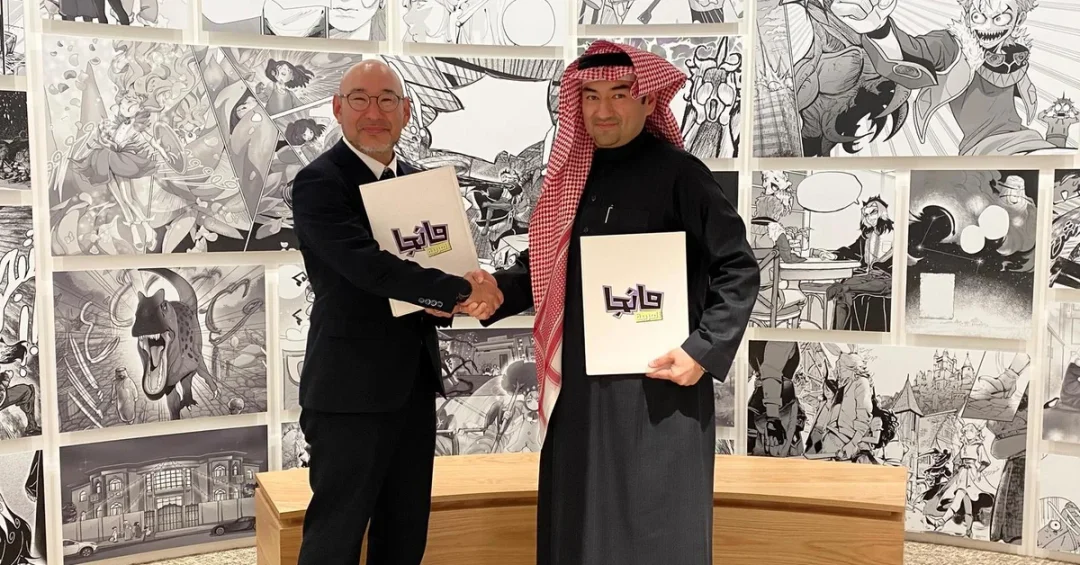
Manga Arabia, the Saudi-backed manga publisher and digital platform, has signed a strategic licensing agreement with Japan’s Coamix Inc. to translate and publish two of Japan’s most popular manga titles into Arabic, according to an announcement carried by the Saudi Press Agency (SPA). The agreement, reported from Riyadh, marks another step in the Kingdom’s expanding cultural and creative exchange with Japan, and reinforces Manga Arabia’s position as a bridge between Japanese manga artistry and the fast-growing audience for comics and graphic storytelling across the Arab world.
The partnership is designed to deliver high-quality translated content that respects local culture while meeting the expectations of readers across the region. By bringing globally recognized Japanese works to Arabic-speaking audiences in culturally resonant language, the initiative enriches Arabic literary content and enhances its international presence. It also reflects the broader strategic direction of Manga Arabia, which has moved quickly from a startup-style venture into a multi-platform publisher with an app, an online store, a delivery network, and an international division headquartered in Tokyo. For readers and industry observers alike, the question is simple: what does this deal signal about the future of publishing in the Kingdom?
Context and Background
Manga Arabia was established as part of Saudi Arabia’s wider effort to build a diversified creative economy under Vision 2030, the national transformation program that seeks to broaden the Kingdom’s economic base beyond hydrocarbons and to develop cultural sectors that create jobs, export content, and engage young people. Manga, with its distinctive visual language and serialized storytelling, has become one of the most popular entertainment formats among young readers in the Arab world, and Manga Arabia has positioned itself as a local publisher capable of producing original Arabic manga as well as licensing international titles.
The agreement with Coamix Inc., a Japanese manga company with deep roots in the industry, is the latest in a series of moves by Manga Arabia to expand its catalog and its reach. Coamix is known for its involvement in the creation and promotion of popular manga properties, and the licensing deal will allow Manga Arabia to translate and distribute two of Japan’s most popular titles in Arabic. That matters because translation is not merely a technical exercise; it is a cultural bridge that requires sensitivity to local values, linguistic nuance, and reader expectations. Manga Arabia has emphasized that the content will be high quality and culturally appropriate, a balance that is central to its brand promise.
Why does this matter now? Because the demand for manga in the Arab world is growing, and the infrastructure to serve that demand is maturing at the same time. Digital platforms, mobile payments, and delivery applications have made it easier than ever to distribute serialized content. Saudi Arabia’s young, digitally connected population is a natural market for manga, and the Kingdom’s cultural institutions have increasingly supported comic and animation industries as part of a broader creative economy agenda. The Coamix deal is therefore not an isolated announcement but part of a pattern: Saudi Arabia is building the pipelines, partnerships, and platforms that connect global content with regional audiences.
Key Details of the Partnership
According to the SPA report, the agreement covers the licensing and translation of two of Japan’s most popular manga titles into Arabic. The partnership aims to provide high-quality content that respects local culture while meeting the expectations of readers across the Arab world. The specific titles were not disclosed in the initial announcement, but the emphasis on popularity suggests that Manga Arabia is targeting works with established fan bases and broad appeal, which can help drive adoption of its platform and store.
The collaboration is part of Manga Arabia’s broader strategic development plan. The company recently launched its online store, featuring more than 40 titles of original and international works produced by Manga Arabia. It also introduced a sales network that includes delivery application services, making it the first platform to offer manga volumes through such apps. That combination of content, commerce, and logistics is significant: it means Manga Arabia is not only a publisher but also a distributor, with the ability to reach readers through channels they already use for food, groceries, and other everyday purchases.
Manga Arabia has also announced that its app user base has surpassed 12 million users across more than 195 countries worldwide. That figure underscores the scale of the platform’s reach and its potential as a global distribution channel for Arabic-language manga. To further strengthen its global presence, the company has launched its international division, Manga International, and established its official headquarters in Tokyo, Japan. This move is designed to expand Manga Arabia’s international influence and foster stronger relationships within the Japanese manga industry. Having a presence in Tokyo gives the company proximity to creators, licensors, and publishers, which can translate into faster deals, deeper collaboration, and a stronger voice in the global manga conversation.
How does a licensing deal with a Japanese publisher fit into a Saudi cultural strategy? The answer lies in the way content flows. By licensing Japanese titles and translating them into Arabic, Manga Arabia brings global stories to regional readers. By producing original Arabic manga and exporting it through Manga International, it sends regional stories to the world. The Coamix agreement strengthens the inbound side of that equation, while the Tokyo headquarters and international division strengthen the outbound side. Together, they form a two-way cultural and commercial exchange that aligns with Vision 2030’s emphasis on international partnerships and creative industries.
International and Regional Impact
The agreement has implications beyond the two titles involved. For Japan’s manga industry, it represents access to a large and growing Arabic-speaking market, with a partner that understands local culture and has the digital infrastructure to distribute content at scale. For the Arab world, it means more officially licensed, high-quality manga in Arabic, which can support literacy, creativity, and youth engagement. For Saudi Arabia, it reinforces the Kingdom’s role as a cultural hub and a connector between East and West, a position that aligns with its broader diplomatic and economic outreach.
Regionally, the deal could encourage other publishers and platforms to invest in Arabic-language comics and animation. When a major player like Manga Arabia signs a licensing agreement with a well-known Japanese company, it sends a signal that the market is viable and that partnerships with global creators are possible. That can attract talent, investment, and attention to the region’s creative sectors. It can also inspire young Arab creators to see manga as a viable career path, knowing that there are publishers, platforms, and international partners interested in their work.
Internationally, the partnership fits into a wider trend of cultural exchange between Saudi Arabia and Japan. The two countries have deepened ties in recent years across energy, technology, entertainment, and culture. Manga is a natural area of cooperation because it is popular, visual, and easily translated across languages. By working with Coamix, Manga Arabia is not just acquiring content; it is building a relationship with a Japanese creative institution, which can lead to future collaborations, co-productions, and knowledge transfer. That kind of relationship-building is essential for long-term success in creative industries, where trust and understanding matter as much as contracts.
Economic and Strategic Significance
From an economic perspective, the agreement supports the growth of a creative sector that can generate revenue, jobs, and export earnings. Manga Arabia’s online store, with more than 40 titles, and its delivery-app sales network show that the company is building a commercial ecosystem around manga. Licensing popular Japanese titles can drive traffic to that ecosystem, increase app engagement, and create cross-selling opportunities for original Arabic works. The 12 million app users across more than 195 countries represent a substantial audience that can be monetized through subscriptions, purchases, and advertising, while also serving as a testbed for new content.
Strategically, the deal strengthens Saudi Arabia’s position in the global content economy. Vision 2030 calls for the Kingdom to become a hub for media, entertainment, and culture, and manga is a key part of that vision because it appeals to young audiences and travels well across borders. By establishing Manga International in Tokyo, Manga Arabia gains a foothold in one of the world’s most important content markets. That presence can help the company negotiate better terms, access new titles, and learn from Japanese best practices in publishing, marketing, and fan engagement. It also positions Saudi Arabia as a serious player in the global manga industry, not just a consumer market.
What does this mean for readers? It means more choice, higher quality, and faster access to popular titles in Arabic. It also means that Arabic-language manga is becoming more visible and more respected, both regionally and internationally. When a Saudi company partners with a Japanese publisher to translate popular works, it elevates the status of Arabic as a language of entertainment and culture. That is a soft-power benefit that complements the economic and strategic gains, and it aligns with the Kingdom’s efforts to promote cultural understanding and exchange.
Vision 2030 Alignment
The partnership between Manga Arabia and Coamix aligns closely with Vision 2030’s goals of diversifying the economy, empowering youth, and expanding cultural industries. By investing in manga, Saudi Arabia is investing in a sector that resonates with young people and has global reach. The Kingdom’s support for creative industries, including comics, animation, and digital media, is part of a broader effort to build a vibrant cultural ecosystem that creates opportunities for talent and contributes to quality of life. The Coamix deal is a concrete example of how international partnerships can accelerate that effort.
Looking ahead, the agreement opens the door to further collaboration between Saudi and Japanese creators. It also reinforces Manga Arabia’s role as a platform that connects Arabic readers with global stories and global readers with Arabic stories. As the company continues to expand its catalog, its store, and its international presence, it will be contributing to Vision 2030’s vision of a diversified, globally engaged Saudi Arabia. For a Kingdom that is transforming its economy and its cultural landscape, manga may seem like a niche interest, but it is part of a larger story: the story of a nation building bridges to the world through creativity, technology, and partnership.
20 Questions
Q1. What is Manga Arabia?
A1. Manga Arabia is a Saudi-backed manga publisher and digital platform that produces original Arabic manga and licenses international titles. It operates an app, an online store, and a delivery-based sales network, and has launched an international division headquartered in Tokyo, Japan.
Q2. Which Japanese company has Manga Arabia partnered with?
A2. Manga Arabia has signed a strategic agreement with Japan’s Coamix Inc., a manga company, to license and translate two of Japan’s most popular manga titles into Arabic, according to the Saudi Press Agency.
Q3. What does the agreement cover?
A3. The agreement covers the licensing and translation of two popular Japanese manga titles into Arabic. It aims to provide high-quality content that respects local culture while meeting the expectations of readers across the Arab world.
Q4. Why is this partnership significant for Saudi Arabia?
A4. It strengthens Saudi Arabia’s cultural and creative industries, supports Vision 2030’s diversification goals, and reinforces the Kingdom’s role as a bridge between Japanese manga artistry and Arabic-speaking audiences around the world.
Q5. How many titles does Manga Arabia’s online store feature?
A5. Manga Arabia’s online store features more than 40 titles of original and international works produced by Manga Arabia. The store is part of the company’s broader strategy to distribute manga through digital and delivery channels.
Q6. What is notable about Manga Arabia’s sales network?
A6. Manga Arabia introduced a sales network that includes delivery application services, making it the first platform to offer manga volumes through such apps. This innovation expands access for readers who prefer mobile and delivery-based shopping.
Q7. How many users does Manga Arabia’s app have?
A7. Manga Arabia has announced that its app user base has surpassed 12 million users across more than 195 countries worldwide, reflecting the platform’s broad international reach and its growing role in digital manga distribution.
Q8. What is Manga International?
A8. Manga International is Manga Arabia’s international division, launched to strengthen its global presence. It has established its official headquarters in Tokyo, Japan, to expand international influence and foster stronger relationships within the Japanese manga industry.
Q9. Why did Manga Arabia open a headquarters in Tokyo?
A9. The Tokyo headquarters is designed to expand Manga Arabia’s international influence and foster stronger relationships within the Japanese manga industry, giving the company proximity to creators, licensors, and publishers in one of the world’s key content markets.
Q10. How does this deal benefit Arabic-speaking readers?
A10. It provides more officially licensed, high-quality manga in Arabic, offering readers greater choice and faster access to popular Japanese titles. It also enriches Arabic literary content and enhances its international presence.
Q11. Does the partnership respect local culture?
A11. Yes. Manga Arabia has emphasized that the partnership aims to provide high-quality content that respects local culture while meeting the expectations of readers across the Arab world, balancing global stories with regional values.
Q12. What are the two manga titles involved?
A12. The specific titles were not disclosed in the initial announcement. The report describes them as two of Japan’s most popular manga titles, suggesting they have established fan bases and broad appeal among readers.
Q13. How does this fit into Vision 2030?
A13. It supports Vision 2030’s goals of diversifying the economy, empowering youth, and expanding cultural industries. Manga is a popular format among young people and has global reach, making it a valuable part of Saudi Arabia’s creative economy strategy.
Q14. What is Coamix Inc.?
A14. Coamix Inc. is a Japanese manga company with deep roots in the industry. It is known for its involvement in the creation and promotion of popular manga properties, and it is the partner in this licensing and translation agreement with Manga Arabia.
Q15. How does this deal affect the Japanese manga industry?
A15. It gives Japanese manga creators and publishers access to a large and growing Arabic-speaking market through a partner with local cultural knowledge and strong digital distribution infrastructure, potentially opening doors for further collaborations.
Q16. What impact could this have on Arab creators?
A16. It could inspire young Arab creators to pursue manga as a career, knowing that publishers and platforms are investing in the sector. It may also encourage more investment in Arabic comics and animation across the region.
Q17. Is this Manga Arabia’s first international partnership?
A17. Manga Arabia has been expanding its international activities, including launching Manga International and establishing a Tokyo headquarters. The Coamix agreement is part of its broader strategic development plan and growing global engagement.
Q18. What economic benefits could result from the partnership?
A18. It can drive traffic to Manga Arabia’s app and online store, increase engagement, and create cross-selling opportunities. It also supports job creation and export potential in Saudi Arabia’s creative industries, in line with Vision 2030.
Q19. How does this affect Arabic-language content globally?
A19. It raises the profile of Arabic as a language of entertainment and culture, encourages more translation of global works into Arabic, and supports the export of original Arabic manga to international audiences through Manga International.
Q20. What might come next for Manga Arabia?
A20. Manga Arabia is likely to continue expanding its catalog, store, and international presence, building on its Tokyo headquarters and partnerships. Future collaborations could bring more Japanese titles to Arabic readers and more Arabic works to global audiences.
Reader Feedback
We value your thoughts. Please share your feedback on this article.
Your feedback helps us improve our coverage.
Related articles
 Silver Handicrafts Showcase Saudi Cultural Heritage
 King Abdulaziz Public Library Holds Rare Quran Copies Highlighting Islamic Arts
 Madinah Cultural Festival Highlights Global Traditions
 KSGAAL Opens Registration for Arabic Immersion Program
 Douglas Gautier Appointed CEO of Royal Arts Complex
 Vibes AlUla Opens Registration for Artisan Camp