


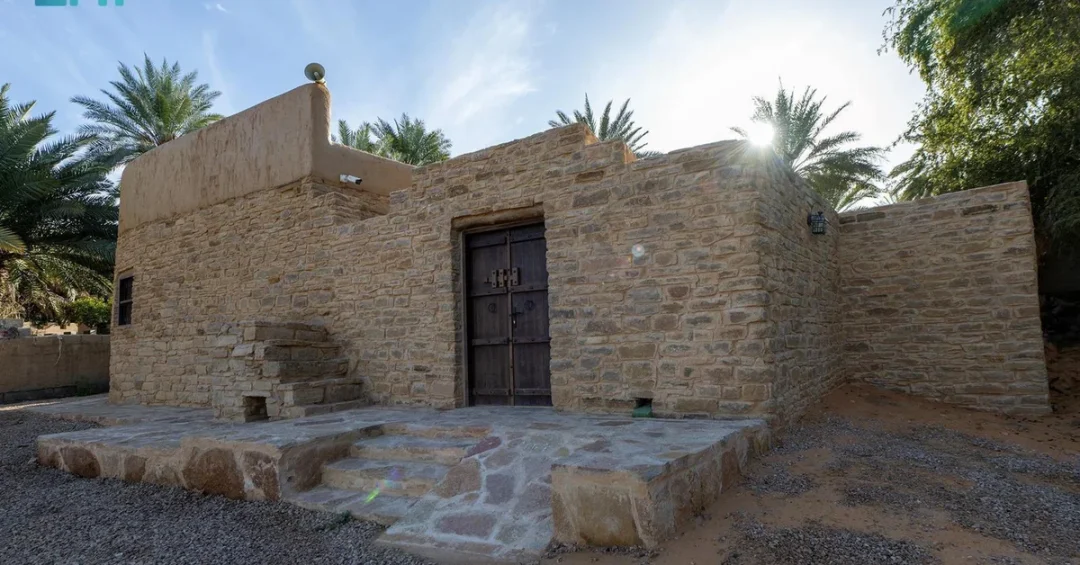
The Prince Mohammed bin Salman Project for the Development of Historical Mosques is breathing new life into the religious and cultural heritage of Al-Jouf, with the restoration of Al-Saidan Mosque in Dumat Al-Jandal standing as a landmark achievement of the initiative’s second phase. Announced via the Saudi Press Agency, the project is enhancing safety and preserving the informational, artistic, and design values of significant historical sites across the Kingdom, including this cherished mosque built in 620 AH, the second oldest in the region after the Omar bin Al-Khattab Mosque. The restoration not only preserves a vital piece of Al-Jouf’s cultural heritage but also signals Saudi Arabia’s unwavering commitment to honoring its past while building a dynamic future. What does this mean for the preservation of Islamic history and the communities that cherish it?
Al-Saidan Mosque, a historic Dumat Al-Jandal landmark, was originally constructed by Atta Allah Al-Saidan, an imam appointed by King Abdulaziz. Over the centuries, it served as a site for Friday prayers, a courthouse, and a Quran learning school, embodying the multifaceted role of mosques in Islamic society. The current restoration will expand the mosque’s area from 179 square meters to 202.39 square meters, accommodating 68 worshippers. The project also preserves unique features such as the historic Aba Al-Jibal well and a distinctive staircase leading to the ablution place. This meticulous revitalization brings a once-inactive mosque back to life, ensuring that its spiritual and educational legacy endures for generations to come. How often do we pause to appreciate the architectural and spiritual treasures that have shaped our communities for over a millennium?
Context and Background
The Prince Mohammed bin Salman Project for the Development of Historical Mosques is a cornerstone of Saudi Arabia’s broader efforts to safeguard its Islamic heritage. Launched under the visionary leadership of His Royal Highness Crown Prince Mohammed bin Salman, the initiative aims to restore and rehabilitate historical mosques across the Kingdom, preserving their religious, cultural, and architectural significance. Al-Jouf, a region rich in history and home to ancient civilizations, hosts several such mosques that reflect the depth of Islamic civilization. The second phase of the project focuses on enhancing safety and preserving the informational, artistic, and design values of these sites, ensuring they remain vibrant centers of worship and community life. Why is it essential to invest in the restoration of these ancient places of worship in an era of rapid modernization?
Al-Saidan Mosque holds a special place in the history of Dumat Al-Jandal, a city known for its strategic location and historical importance. Built in 620 AH, it stands as a testament to the early spread of Islam in the region. Its founder, Atta Allah Al-Saidan, was appointed as an imam by King Abdulaziz, highlighting the mosque’s longstanding connection to Saudi leadership and religious authority. The mosque’s evolution from a site of Friday prayers and Quranic education to a courthouse underscores its central role in the social and legal life of the community. The restoration project is not merely about physical repair; it is about reviving the mosque’s function as a hub of spirituality and learning. What can we learn from the way our ancestors integrated worship, education, and justice within a single sacred space?
The project also reflects a broader global trend of valuing cultural heritage as a driver of identity and tourism. Saudi Arabia, with its rich tapestry of historical sites, is positioning itself as a leader in heritage preservation. By restoring mosques like Al-Saidan, the Kingdom not only honors its past but also creates opportunities for cultural tourism and educational exchange. This aligns with the goals of Saudi Vision 2030, which seeks to diversify the economy and promote cultural understanding. The meticulous documentation and restoration process also contribute to scholarly research, offering insights into Islamic architecture and community life in historical Arabia. How might the revival of such sites inspire a new generation to explore and appreciate their heritage?
Key Details of the Restoration
The restoration of Al-Saidan Mosque involves a comprehensive plan to expand its area from 179 square meters to 202.39 square meters, allowing it to accommodate 68 worshippers comfortably. This expansion is designed to preserve the mosque’s original layout while enhancing its capacity for modern congregational needs. The project also focuses on safeguarding the historic Aba Al-Jibal well, which has served as a vital water source for ablution and daily use for centuries. A unique staircase leading to the ablution place will be carefully restored, maintaining its architectural integrity. These details highlight the project’s commitment to balancing functionality with historical authenticity. What does it take to preserve a structure’s soul while adapting it for contemporary use?
Al-Saidan Mosque’s historical significance is further underscored by its role as a Friday prayer site, a courthouse, and a Quran learning school. These functions illustrate the mosque’s centrality in the spiritual, legal, and educational life of Dumat Al-Jandal. The restoration aims to revive these roles, ensuring the mosque once again becomes a vibrant center for community gatherings and religious instruction. The involvement of Atta Allah Al-Saidan, an imam appointed by King Abdulaziz, adds a layer of royal patronage and historical continuity. The project thus weaves together threads of faith, governance, and education that have defined the mosque for over 1,400 years. How does the revival of a single mosque ripple through the entire community, strengthening bonds and shared identity?
The Prince Mohammed bin Salman Project for the Development of Historical Mosques employs a team of experts in Islamic architecture, restoration, and heritage conservation. Their work on Al-Saidan Mosque includes detailed surveys, documentation, and the use of traditional materials and techniques where possible. The project also integrates modern safety standards, ensuring the structure is resilient and accessible. By preserving the mosque’s informational, artistic, and design values, the initiative ensures that future generations can appreciate its beauty and historical importance. The restoration of the Aba Al-Jibal well and the staircase are particularly delicate tasks, requiring precision and respect for original craftsmanship. What message does such meticulous care send about Saudi Arabia’s reverence for its cultural roots?
International and Regional Impact
The restoration of Al-Saidan Mosque and other historical mosques in Al-Jouf has significant implications beyond Saudi Arabia’s borders. As the birthplace of Islam, the Kingdom holds a unique responsibility to protect Islamic heritage, and its efforts resonate with Muslims worldwide. The project showcases Saudi Arabia’s leadership in cultural preservation, offering a model for other nations seeking to safeguard their own historical and religious sites. Regional neighbors and international organizations have praised the initiative for its holistic approach, which combines heritage conservation with community development. How might this project foster greater cultural dialogue and mutual respect among nations?
Furthermore, the revitalization of these mosques contributes to the growing appeal of Saudi Arabia as a destination for cultural and religious tourism. Visitors from around the world can now explore the architectural marvels and spiritual ambiance of mosques like Al-Saidan, gaining a deeper understanding of Islamic history and Saudi traditions. This aligns with Vision 2030’s goal of attracting 100 million visitors annually by 2030. The project also strengthens Saudi Arabia’s soft power, presenting the Kingdom as a custodian of Islamic heritage and a champion of moderation and tolerance. What role can heritage tourism play in bridging cultural divides and promoting peace?
Economic and Strategic Significance
Beyond its cultural and spiritual dimensions, the restoration of historical mosques carries economic and strategic weight. The project generates employment opportunities for local artisans, engineers, and historians, contributing to the economic development of Al-Jouf and surrounding regions. It also stimulates ancillary industries such as tourism, hospitality, and retail, as visitors flock to see the restored sites. By investing in heritage, Saudi Arabia is diversifying its economy away from oil dependency, a key pillar of Vision 2030. The strategic location of Al-Jouf, near the Jordanian border, further enhances its potential as a gateway for cultural exchange and trade. How can the preservation of the past become a catalyst for future prosperity?
Moreover, the project reinforces national unity and pride. By restoring mosques that have served communities for centuries, the Kingdom reaffirms its commitment to the well-being of all citizens and residents. It also sends a powerful message about the importance of moderation and the true values of Islam, countering extremism and promoting tolerance. The involvement of the Crown Prince in this initiative underscores its high priority within the national agenda. The economic benefits, combined with the social and spiritual gains, make this project a multifaceted investment in Saudi Arabia’s future. What does it say about a nation when it prioritizes the preservation of its sacred spaces alongside its economic ambitions?
Vision 2030 Alignment
The Prince Mohammed bin Salman Project for the Development of Historical Mosques is a shining example of Vision 2030 in action. By preserving Islamic heritage, the Kingdom is not only honoring its past but also laying the foundation for a vibrant cultural future. This initiative supports the Vision’s objectives of enhancing quality of life, promoting cultural tourism, and fostering a strong national identity. It also aligns with the goal of creating a more diversified and sustainable economy, as heritage tourism becomes a significant contributor to GDP. The restoration of Al-Saidan Mosque and similar projects across Al-Jouf demonstrate how tradition and modernity can coexist and thrive together. How does the revival of a 1,400-year-old mosque embody the spirit of a forward-looking Saudi Arabia?
As Saudi Arabia continues its journey toward Vision 2030, projects like this will play a crucial role in shaping the nation’s global image. They showcase the Kingdom’s commitment to preserving its rich heritage while embracing progress and innovation. The restoration of Al-Saidan Mosque is more than a construction project; it is a statement of identity, faith, and resilience. It ensures that future generations inherit a legacy of which they can be proud. In a world where rapid change often erases the past, Saudi Arabia stands as a beacon of cultural preservation and forward-thinking leadership. What greater legacy can a nation leave than the harmonious blend of its ancient wisdom and modern achievements?
20 Questions
Q1. What is the Prince Mohammed bin Salman Project for the Development of Historical Mosques?
A1. It is a national initiative to restore and rehabilitate historical mosques across Saudi Arabia, preserving their religious, cultural, and architectural significance while enhancing safety and community use.
Q2. Where is Al-Saidan Mosque located?
A2. Al-Saidan Mosque is located in Dumat Al-Jandal, a historic city in the Al-Jouf region of Saudi Arabia, known for its ancient heritage and strategic location.
Q3. When was Al-Saidan Mosque originally built?
A3. The mosque was built in 620 AH, making it the second oldest in the region after the Omar bin Al-Khattab Mosque, reflecting early Islamic architecture.
Q4. Who founded Al-Saidan Mosque?
A4. It was founded by Atta Allah Al-Saidan, an imam appointed by King Abdulaziz, highlighting the mosque’s long-standing connection to Saudi leadership.
Q5. What was the mosque’s original area and how will it change?
A5. The mosque originally covered 179 square meters and will be expanded to 202.39 square meters, allowing it to accommodate 68 worshippers comfortably.
Q6. What historical roles did Al-Saidan Mosque serve?
A6. It served as a site for Friday prayers, a courthouse, and a Quran learning school, making it a central hub for spiritual, legal, and educational activities.
Q7. What unique features does the mosque have?
A7. The mosque features the historic Aba Al-Jibal well and a unique staircase leading to the ablution place, both of which are being carefully restored.
Q8. Why is the restoration of Al-Saidan Mosque important?
A8. It preserves a vital piece of Al-Jouf’s cultural heritage, revives a once-inactive mosque, and ensures its spiritual and educational legacy endures for future generations.
Q9. How does the project align with Saudi Vision 2030?
A9. It supports Vision 2030 by promoting cultural tourism, enhancing quality of life, preserving national identity, and diversifying the economy away from oil dependency.
Q10. What is the significance of the Aba Al-Jibal well?
A10. The well has been a vital water source for ablution and daily use for centuries, symbolizing the mosque’s self-sufficiency and community role.
Q11. How does the restoration balance tradition and modernity?
A11. It uses traditional materials and techniques while integrating modern safety standards, ensuring the mosque remains functional and resilient for contemporary use.
Q12. What economic benefits does the project bring to Al-Jouf?
A12. It creates jobs for local artisans and engineers, stimulates tourism and hospitality, and contributes to regional economic development and diversification.
Q13. How does the project impact international perceptions of Saudi Arabia?
A13. It showcases the Kingdom as a custodian of Islamic heritage, promoting cultural dialogue, tolerance, and soft power on the global stage.
Q14. What role does the Crown Prince play in this initiative?
A14. The project is named after and championed by Crown Prince Mohammed bin Salman, reflecting its high priority in the national agenda and Vision 2030.
Q15. How many mosques are included in the project’s second phase?
A15. The second phase includes several historical mosques across Saudi Arabia, with Al-Saidan Mosque being a notable example in the Al-Jouf region.
Q16. What makes Dumat Al-Jandal historically significant?
A16. Dumat Al-Jandal is an ancient city with a rich history dating back thousands of years, serving as a crossroads for trade and culture in the Arabian Peninsula.
Q17. How does the restoration preserve the mosque’s artistic values?
A17. Experts document and restore original designs, inscriptions, and architectural details, ensuring the mosque’s aesthetic and informational heritage is maintained.
Q18. What educational opportunities arise from the restoration?
A18. The mosque will again serve as a Quran learning school, and its restoration provides research opportunities for scholars studying Islamic architecture and history.
Q19. How does the project engage local communities?
A19. It involves local artisans and historians, creates jobs, and revives the mosque as a community hub for worship, learning, and social gatherings.
Q20. What is the long-term vision for Al-Saidan Mosque?
A20. The mosque will be a vibrant center of worship and heritage tourism, symbolizing Saudi Arabia’s commitment to preserving its past while building a prosperous future.
Reader Feedback
We value your thoughts. Please share your feedback on this article.
Your feedback helps us improve our coverage.
Related articles
 Folktale Stories Revive History at Northern Borders Ramadan Event
 Saudi Wildlife Documentaries Win Six Platinum Awards
 Ten Minarets Resound with Call to Prayer at the Prophet’s Mosque
 Prince Mohammed bin Salman Project Restores Al-Abbasa Mosque
 Heritage Commission Concludes Third Season at AlSirrain Site
 Birth of a Place’ Installation Art Highlights Diriyah Heritage