


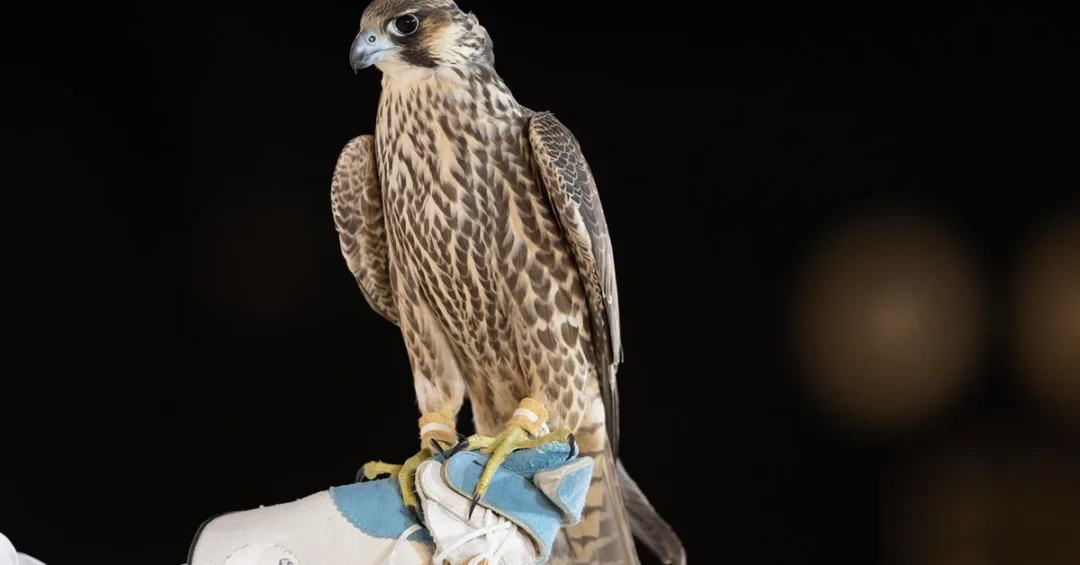
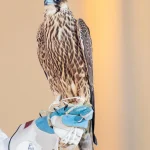
The ninth night of the Saudi Falcons Club Auction delivered a record-breaking performance, with five prized falcons sold for a combined SAR438,000 at the club’s headquarters in Malham, north of Riyadh, according to the Saudi Press Agency. The auction, which has become a flagship event on the Kingdom’s cultural calendar, showcased a diverse range of falcons, each with its own unique history and pedigree, from the celebrated “Al-Nabaat Falcon” to the “South Al-Leith Falcon.” Bidders and viewers alike were captivated by the intensity of the competition, which reflects the deep and enduring bond between Saudi society and the art of falconry. Have you ever wondered how a single bird can command such attention and value in today’s world? The answer lies in a heritage that stretches back centuries and a modern vision that is determined to preserve it.
The Saudi Falcons Club, a dedicated institution under the Kingdom’s cultural and environmental framework, continues to play a pivotal role in preserving falconry’s rich heritage. By organizing such prestigious auctions, the club aims to elevate the sport’s global standing and ensure its sustainability for future generations. This ninth night was not merely a commercial transaction; it was a celebration of a tradition that has been passed down through generations of Saudis and is now being shared with the world. As the auction enters its final stages, anticipation continues to build, with more record-breaking sales expected. The event underscores how Saudi Arabia is transforming its cultural assets into platforms for international engagement and economic diversification.
Context and Background
Why has falconry remained so central to Saudi identity, even as the Kingdom races toward a modern, diversified future? Falconry, known in Arabic as Al-Qanas, is an ancient desert tradition that has been practiced on the Arabian Peninsula for thousands of years. It is far more than a sport; it is a symbol of patience, skill, and the deep connection between humans and nature. In recognition of its cultural significance, UNESCO inscribed falconry on its Representative List of the Intangible Cultural Heritage of Humanity in 2010, following a multinational nomination that included Saudi Arabia. The Kingdom has since invested heavily in preserving and promoting this heritage, establishing the Saudi Falcons Club to regulate, celebrate, and sustain the practice.
The Saudi Falcons Club, headquartered in Malham, north of Riyadh, was established to serve as a global hub for falconry. It organizes the annual Saudi Falcons Club Auction, which has grown into one of the most anticipated events for enthusiasts and breeders from across the Gulf region and beyond. The auction provides a platform for breeders to showcase their finest birds, for collectors to acquire rare specimens, and for the public to learn about the intricate art of training and caring for falcons. Each falcon entered into the auction carries a unique lineage, often documented through generations, and the prices reflect not only the bird’s physical attributes but also its pedigree and potential in competitive hunting or breeding.
The ninth night of this year’s auction, held in late October 2024, was particularly notable for the frenzy of bidding that saw five falcons collectively fetch SAR438,000. This figure, while impressive, is part of a broader trend of rising valuations in the Saudi falcon market. The auction has become a barometer for the health of the falconry sector and a testament to the growing global interest in Arabian heritage. As the event progresses, it continues to draw attention from international media and conservationists, highlighting Saudi Arabia’s role as a custodian of desert culture.
Key Details of the Record-Breaking Night
What exactly made the ninth night so extraordinary? According to the Saudi Press Agency, the auction witnessed a “record-breaking frenzy” as bidders competed fiercely for five standout falcons. The birds included the “Al-Nabaat Falcon” and the “South Al-Leith Falcon,” names that resonate with enthusiasts because they denote specific regional lineages and characteristics. The Al-Nabaat falcon is likely named after a region or a breeding line known for its strength and speed, while the South Al-Leith falcon may originate from the southern governorate of Al-Leith, an area renowned for producing falcons with exceptional hunting instincts. These birds are not merely animals; they are living pieces of heritage, each with a story that adds to their value.
The combined sale of SAR438,000 for five falcons averages out to SAR87,600 per bird, a figure that underscores the premium placed on well-bred falcons in the Kingdom. The auction’s atmosphere was electric, with experienced falconers, wealthy collectors, and representatives of breeding centers vying for the chance to own these magnificent creatures. The Saudi Falcons Club has meticulously organized the event to ensure transparency and fairness, with all birds examined by experts and their pedigrees verified. This rigorous process has helped build trust among participants and has contributed to the auction’s growing reputation as a premier destination for falcon acquisition.
Beyond the financial figures, the night was a showcase of the diversity of falcons available in the Kingdom. From the desert falcons of the north to the coastal varieties of the south, each bird reflects the ecological richness of Saudi Arabia. The auction also featured educational components, allowing visitors to learn about falconry techniques, conservation efforts, and the importance of sustainable practices. The Saudi Falcons Club has emphasized that the auction is not just about selling birds but about fostering a community of responsible falconers who will carry the tradition forward.
International and Regional Impact
How does a local auction in Malham resonate on the global stage? The Saudi Falcons Club Auction has become a magnet for international falconers and enthusiasts, drawing participants from the United Arab Emirates, Qatar, Kuwait, and even European countries with their own falconry traditions. The event serves as a cultural bridge, allowing Saudi Arabia to share its heritage with the world while also learning from other falconry cultures. This exchange is part of the Kingdom’s broader efforts to promote cultural diplomacy and people-to-people ties, as outlined in Vision 2030. By hosting such events, Saudi Arabia positions itself as a leader in preserving intangible cultural heritage, a role that enhances its soft power and global image.
Regionally, the auction reinforces the Gulf’s shared appreciation for falconry. The sport is deeply embedded in the cultures of the Arabian Peninsula, and the high prices paid for top-tier falcons reflect a regional consensus on their value. The Saudi Falcons Club collaborates with similar organizations in neighboring countries to standardize breeding practices, exchange expertise, and organize joint competitions. This cooperation extends to conservation efforts, as falcon populations in the wild face threats from habitat loss and illegal trade. The auction’s emphasis on legal, documented birds helps combat these issues by providing a legitimate market for ethically sourced falcons. In this way, the event contributes to both cultural preservation and environmental protection.
Economic and Strategic Significance
What does the SAR438,000 total tell us about the economic dimensions of falconry in Saudi Arabia? The falcon market is a multi-million-riyal industry that supports breeders, trainers, veterinarians, and equipment suppliers. The auction is a key node in this economy, generating revenue for the Saudi Falcons Club and stimulating related businesses. The high prices also indicate a strong demand among affluent Saudis and Gulf citizens who view falconry as a prestigious pursuit. This spending power is part of the Kingdom’s broader economic vitality, which Vision 2030 aims to harness by diversifying income sources and promoting cultural tourism.
Strategically, the auction aligns with Saudi Arabia’s efforts to develop its domestic entertainment and tourism sectors. Events like this attract visitors from abroad, boosting hotel occupancy, restaurant sales, and retail activity in Riyadh. The Saudi Falcons Club has also invested in modern facilities, including a hospital for falcons and a research center, which create jobs and foster innovation in veterinary science and wildlife management. These investments are consistent with the Kingdom’s goal of creating a vibrant society and a thriving economy. Furthermore, the auction serves as a platform for Saudi entrepreneurs to showcase falconry-related products, from traditional gloves and hoods to advanced tracking devices, thereby supporting small and medium enterprises.
Vision 2030 Alignment
How does the Saudi Falcons Club Auction contribute to the goals of Vision 2030? Vision 2030 is a comprehensive plan to transform Saudi Arabia’s economy and society, with a strong emphasis on preserving cultural heritage as a pillar of national identity. The auction exemplifies this by celebrating a tradition that is uniquely Saudi while also inviting the world to participate. It supports the Vision’s objective of increasing cultural events and entertainment options, which enhance the quality of life for citizens and residents. Moreover, the event promotes the Kingdom as a destination for cultural tourism, attracting visitors who are interested in authentic Arabian experiences.
In the long term, the Saudi Falcons Club’s efforts will help ensure that falconry remains a living tradition, not a relic of the past. By engaging youth through educational programs and competitions, the club is nurturing the next generation of falconers. This intergenerational transfer of knowledge is vital for sustainability. As the auction continues to break records, it sends a clear message: Saudi Arabia is not only preserving its heritage but also elevating it to new heights, in line with the Vision’s ambition to be a global leader in all fields. The record-breaking night at Malham is thus more than a story about money; it is a story about identity, pride, and a future that honors the past.
20 Questions
Q1. What was the total amount raised at the ninth night of the Saudi Falcons Club Auction?
A1. Five falcons sold for a combined SAR438,000 during the ninth night of the auction, held at the club’s headquarters in Malham, north of Riyadh, according to the Saudi Press Agency.
Q2. Where did the auction take place?
A2. The auction was held at the Saudi Falcons Club headquarters in Malham, located north of Riyadh, the capital of Saudi Arabia.
Q3. How many falcons were sold on the record-breaking night?
A3. Five prized falcons were sold, each with unique lineage and characteristics, contributing to the total of SAR438,000.
Q4. What are the names of some falcons featured in the auction?
A4. The auction featured falcons such as the “Al-Nabaat Falcon” and the “South Al-Leith Falcon,” which are known for their distinct regional pedigrees.
Q5. What is the role of the Saudi Falcons Club?
A5. The Saudi Falcons Club preserves falconry heritage, organizes prestigious auctions, and aims to elevate the sport’s global standing while ensuring its sustainability for future generations.
Q6. Why is falconry important in Saudi culture?
A6. Falconry, or Al-Qanas, is an ancient desert tradition symbolizing patience, skill, and the human-nature bond. It was inscribed by UNESCO as intangible cultural heritage in 2010.
Q7. How does the auction support Vision 2030?
A7. It promotes cultural tourism, enhances quality of life, and preserves heritage, aligning with Vision 2030’s goals of a vibrant society and diversified economy.
Q8. Are there international participants in the auction?
A8. Yes, the auction attracts falconers and enthusiasts from Gulf countries and beyond, fostering cultural exchange and global interest in Arabian falconry.
Q9. What economic impact does the auction have?
A9. It stimulates the falcon market, supports breeders and related businesses, and generates revenue for the Saudi Falcons Club and local economy.
Q10. How does the auction ensure the falcons are ethically sourced?
A10. The club verifies pedigrees and examines birds to ensure transparency and legality, helping combat illegal trade and promote conservation.
Q11. What is the significance of the Al-Nabaat Falcon?
A11. The Al-Nabaat Falcon represents a specific lineage known for strength and speed, making it highly sought after by collectors and falconers.
Q12. What is the significance of the South Al-Leith Falcon?
A12. Originating from the southern governorate of Al-Leith, this falcon is prized for its exceptional hunting instincts and regional heritage.
Q13. How many nights does the auction typically run?
A13. The auction is a multi-night event; the ninth night was part of the ongoing series, with final stages still to come.
Q14. What happens after the auction?
A14. The falcons go to their new owners, who will train and care for them, often participating in competitions and breeding programs.
Q15. Does the Saudi Falcons Club offer educational programs?
A15. Yes, the club engages youth through workshops, competitions, and educational initiatives to pass on falconry knowledge to future generations.
Q16. How does falconry contribute to environmental conservation?
A16. By promoting legal and sustainable falconry, the club helps protect wild falcon populations and their habitats from illegal trade and degradation.
Q17. What is the average price per falcon at this auction?
A17. The average price for the five falcons sold on the ninth night was SAR87,600 per bird, reflecting the premium on well-bred falcons.
Q18. Are there plans to expand the auction in the future?
A18. The Saudi Falcons Club continually seeks to enhance the event’s global standing, likely through increased international participation and additional activities.
Q19. How does the auction reflect Saudi Arabia’s cultural diplomacy?
A19. It showcases Saudi heritage to the world, builds people-to-people ties, and positions the Kingdom as a leader in preserving intangible cultural heritage.
Q20. What message does the record-breaking night send?
A20. It demonstrates Saudi Arabia’s commitment to honoring its past while advancing Vision 2030, proving that heritage and modernity can thrive together.
Reader Feedback
We value your thoughts. Please share your feedback on this article.
Your feedback helps us improve our coverage.
Related articles
 Saudi Press Agency Wins FANA Award for Best Report
 King of Bhutan Receives Saudi Minister of Culture in Riyadh
 Two Falcons Sell for SAR305,000 at Saudi Auction
 Saudi Commission Hosts Virtual Event on Sports Translation
 First-of-its-kind Manga Launches in Saudi Arabia: ‘Road to 2034’ Special Edition Brings Saudi Arabia’s FIFA World Cup™ 2034 Bid to Life
 Three Falcons Sold for Over SAR400,000 at Saudi Falcons Club Auction