


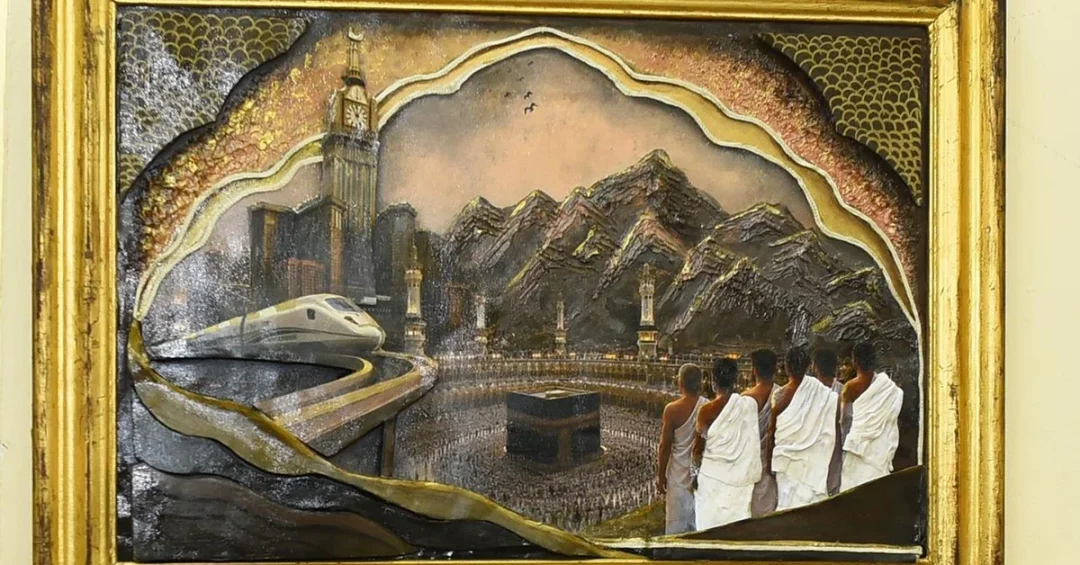
Saudi Arabia’s rich history, national symbols, and cultural heritage took center stage at the “Bridge of Civilizations” art exhibition, which opened in Cairo on November 24, 2026, showcasing the power of art to foster closer ties between civilizations and peoples. The three-day event, organized under the patronage of Egyptian and Saudi cultural authorities, features more than 60 visual artists from Saudi Arabia, Egypt, and Russia, with prominent artists, intellectuals, and art enthusiasts in attendance. Approximately 30 Saudi visual artists are presenting a diverse collection of works that highlight the Kingdom’s history, national symbols, and heritage passed down through generations. The exhibition, reported by the Saudi Press Agency (SPA), underscores Saudi Arabia’s commitment to cultural diplomacy and its Vision 2030 goal of promoting international cultural exchange. Have you ever wondered how art can serve as a bridge between nations with different histories and traditions?
The “Bridge of Civilizations” exhibition is a testament to the enduring cultural ties between Saudi Arabia, Egypt, and Russia, and it reflects the Kingdom’s broader efforts to share its heritage with the world. Saudi artists are using contemporary artistic approaches to introduce audiences to the Kingdom’s identity, from Islamic heritage and the Prophet Muhammad’s biography to historical sites associated with the Two Holy Mosques. The event also highlights Saudi Arabia’s development achievements, such as the Haramain High Speed Railway, and its architectural heritage, including Najdi Sadu weaving and Al-Masmak Palace. This cultural gathering not only celebrates art but also reinforces the Kingdom’s role as a global leader in promoting dialogue and understanding among civilizations. Isn’t it remarkable how a single exhibition can encapsulate centuries of history and progress?
Context and Background
Why is an art exhibition in Cairo significant for Saudi Arabia’s cultural diplomacy? The “Bridge of Civilizations” exhibition comes at a time when Saudi Arabia is intensifying its efforts to share its rich cultural heritage with the international community. Under Vision 2030, the Kingdom has placed culture at the heart of its national transformation, recognizing it as a vital component of economic diversification and social development. The exhibition, hosted in Cairo, a historic hub of Arab culture and learning, provides a platform for Saudi artists to engage with their Egyptian and Russian counterparts, fostering mutual understanding and collaboration. This aligns with the Kingdom’s longstanding tradition of supporting cultural initiatives that bridge divides and celebrate shared human values. The event also reflects the strong bilateral relations between Saudi Arabia and Egypt, two nations with deep historical ties and a shared vision for regional stability and prosperity.
The participation of Russian artists adds a unique dimension to the exhibition, highlighting Saudi Arabia’s growing cultural engagement beyond the Arab world. Russia has long been a partner in various international forums, and this cultural exchange underscores the potential of art to transcend geopolitical differences. The Saudi artists’ works, which document Islamic heritage and the Prophet Muhammad’s biography, are particularly significant as they offer a window into the spiritual and historical foundations of the Kingdom. By presenting these themes in a contemporary artistic format, the artists aim to connect with a global audience, especially young people who may be less familiar with traditional art forms. This approach not only preserves heritage but also ensures its relevance in a rapidly changing world. How often do we see art used to bridge such diverse cultural and historical backgrounds?
The exhibition also serves as a reminder of Saudi Arabia’s commitment to preserving its cultural identity while embracing modernity. The Kingdom’s cultural sector has witnessed unprecedented growth in recent years, with the establishment of new institutions, festivals, and initiatives that support artists and creatives. The “Bridge of Civilizations” exhibition is a natural extension of these efforts, providing Saudi artists with a global stage to showcase their talent and the Kingdom’s rich heritage. Moreover, it reinforces the message that Saudi Arabia is open to the world, eager to share its stories and learn from others. This cultural openness is a cornerstone of Vision 2030, which seeks to position the Kingdom as a hub for cultural exchange and a destination for art lovers worldwide.
Key Details and Artistic Highlights
What specific artworks and themes are showcased at the “Bridge of Civilizations” exhibition? The Saudi artists’ contributions are diverse, ranging from paintings that depict the grandeur of the Two Holy Mosques to intricate representations of Najdi Sadu weaving, a traditional craft inscribed on UNESCO’s Intangible Cultural Heritage list. Al-Masmak Palace, a historic fortress in Riyadh that symbolizes Saudi unification, is another prominent subject, rendered in various artistic styles. The artists also explore the Kingdom’s modern achievements, such as the Haramain High Speed Railway, which connects the holy cities of Makkah and Madinah, symbolizing progress and connectivity. These works are not merely decorative; they are narrative pieces that tell the story of a nation proud of its past and confident in its future. The exhibition thus offers a comprehensive visual journey through Saudi Arabia’s history, identity, and aspirations.
The participating Saudi artists, speaking to SPA, emphasized their goal of introducing audiences to the Kingdom’s history and heritage through contemporary artistic approaches. They noted that visual arts in Saudi Arabia have evolved significantly, with artists now experimenting with new techniques and mediums while staying true to their cultural roots. This fusion of tradition and modernity is a hallmark of Saudi contemporary art, which has gained increasing recognition on the international stage. The exhibition in Cairo provides a valuable opportunity for these artists to engage with peers from Egypt and Russia, exchange ideas, and explore potential collaborations. Such interactions not only enrich the artists’ practices but also contribute to a broader dialogue among civilizations. Could there be a more fitting venue than Cairo, a city that has been a crossroads of cultures for millennia, to host such an event?
The three-day exhibition also includes a series of talks and workshops, where artists and intellectuals discuss the role of art in fostering cross-cultural understanding. These sessions delve into topics such as the preservation of intangible heritage, the impact of technology on artistic expression, and the importance of cultural diplomacy in today’s world. By facilitating these conversations, the “Bridge of Civilizations” exhibition goes beyond mere display, creating a space for meaningful exchange and learning. The presence of prominent figures from the art world adds prestige to the event and underscores the seriousness with which Saudi Arabia approaches cultural engagement. It is a clear signal that the Kingdom is not only a participant but a leader in global cultural dialogue.
International and Regional Impact
How does the “Bridge of Civilizations” exhibition influence Saudi Arabia’s relations with Egypt and Russia? The event strengthens the already robust cultural ties between Saudi Arabia and Egypt, two countries that share a common language, religion, and history. Egypt has long been a center of Arab culture, and its partnership with Saudi Arabia in hosting this exhibition reinforces the bonds of brotherhood and mutual respect. For Russia, the exhibition represents an opportunity to deepen cultural connections with the Arab world, particularly with Saudi Arabia, a key player in the Middle East. In a world often divided by political differences, such cultural exchanges serve as a reminder of the universal language of art and its ability to bring people together. The exhibition also enhances Saudi Arabia’s soft power, presenting the Kingdom as a nation that values creativity, heritage, and international cooperation.
Regionally, the exhibition contributes to a narrative of stability and cultural renaissance in the Middle East. By showcasing Saudi Arabia’s developmental achievements alongside its historical heritage, it challenges stereotypes and presents a nuanced image of the Kingdom. This is particularly important as Saudi Arabia continues to open up to the world through initiatives like Vision 2030, which aims to attract millions of tourists and foster global partnerships. The “Bridge of Civilizations” exhibition is a microcosm of this broader effort, demonstrating that Saudi Arabia is a land of contrasts and harmony, where ancient traditions coexist with modern marvels. For international audiences, it offers a glimpse into the soul of a nation that is both proud of its past and excited about its future. Isn’t it fascinating how cultural events can reshape perceptions and build bridges where politics sometimes fails?
Economic and Strategic Significance
What economic and strategic benefits does Saudi Arabia derive from cultural exhibitions like this one? While the “Bridge of Civilizations” exhibition is primarily a cultural event, its economic implications are noteworthy. Cultural diplomacy often paves the way for stronger economic ties, as it builds trust and mutual understanding between nations. For Saudi Arabia, this can translate into increased trade, investment, and tourism. The exhibition also promotes the Kingdom’s creative economy, which is a key pillar of Vision 2030. By supporting Saudi artists and providing them with international platforms, the government is nurturing a vibrant cultural sector that can create jobs, attract visitors, and contribute to GDP. Moreover, the event showcases Saudi Arabia’s soft power, which is increasingly important in a multipolar world where influence is not solely measured by military or economic might.
Strategically, the exhibition reinforces Saudi Arabia’s position as a bridge between East and West, a role that has historical roots and contemporary relevance. The Kingdom’s location at the crossroads of Asia, Africa, and Europe has long made it a hub for trade and cultural exchange. By hosting and participating in events like this, Saudi Arabia reaffirms its commitment to being a connector, not a divider. This is particularly significant in the context of the Kingdom’s foreign policy, which emphasizes dialogue, cooperation, and peaceful coexistence. The “Bridge of Civilizations” exhibition is thus more than an art show; it is a statement of Saudi Arabia’s global vision and its determination to play a constructive role in international affairs. How many countries can claim such a rich history of bringing civilizations together?
Vision 2030 Alignment
How does the “Bridge of Civilizations” exhibition align with Saudi Arabia’s Vision 2030? Vision 2030, the Kingdom’s ambitious blueprint for economic and social transformation, places a strong emphasis on culture as a driver of growth and a means of strengthening national identity. The exhibition directly supports several of Vision 2030’s objectives, including the promotion of cultural exchange, the empowerment of Saudi artists, and the enhancement of the Kingdom’s international image. By showcasing Saudi heritage and achievements in Cairo, the artists are acting as ambassadors of Vision 2030, demonstrating the Kingdom’s progress and its openness to the world. The event also contributes to the goal of increasing cultural participation and fostering a vibrant creative sector, which is essential for a diversified economy.
Furthermore, the “Bridge of Civilizations” exhibition exemplifies the Vision 2030 commitment to preserving and celebrating Saudi Arabia’s cultural heritage. The artworks depict historical sites, traditional crafts, and national symbols, ensuring that these treasures are not only remembered but also reinterpreted for contemporary audiences. This balance between preservation and innovation is central to the Kingdom’s cultural strategy, which seeks to honor the past while embracing the future. As Saudi Arabia continues its journey toward 2030 and beyond, events like this will play a crucial role in sharing its story with the world and building lasting bridges of understanding. The exhibition is a clear testament to the Kingdom’s belief that culture is a powerful force for unity and progress, and that by investing in art, Saudi Arabia is investing in a brighter, more connected future for all.
20 Questions
Q1. What is the “Bridge of Civilizations” art exhibition?
A1. The “Bridge of Civilizations” is a three-day art exhibition held in Cairo, Egypt, starting November 24, 2026. It features over 60 visual artists from Saudi Arabia, Egypt, and Russia, aiming to foster cultural ties and showcase Saudi heritage.
Q2. How many Saudi artists are participating in the exhibition?
A2. Approximately 30 Saudi visual artists are participating, presenting works that highlight the Kingdom’s history, national symbols, and heritage, as well as its modern development achievements.
Q3. What themes do the Saudi artworks explore?
A3. The Saudi artworks document Islamic heritage, the Prophet Muhammad’s biography, historical sites associated with the Two Holy Mosques, the Haramain High Speed Railway, Najdi Sadu weaving, and Al-Masmak Palace, among others.
Q4. Where is the exhibition taking place?
A4. The exhibition is taking place in Cairo, Egypt, a city with a rich cultural history and a longstanding role as a crossroads of civilizations.
Q5. When did the exhibition open?
A5. The exhibition opened on November 24, 2026, and runs for three days, as reported by the Saudi Press Agency (SPA).
Q6. Who organized the “Bridge of Civilizations” exhibition?
A6. The exhibition was organized under the patronage of Egyptian and Saudi cultural authorities, reflecting the strong cultural cooperation between the two nations.
Q7. What is the significance of Najdi Sadu weaving in the exhibition?
A7. Najdi Sadu weaving is a traditional Saudi craft inscribed on UNESCO’s Intangible Cultural Heritage list. Its inclusion highlights the Kingdom’s commitment to preserving and promoting its cultural heritage.
Q8. How does the exhibition promote Saudi Vision 2030?
A8. The exhibition aligns with Vision 2030 by promoting cultural exchange, empowering Saudi artists, and enhancing the Kingdom’s international image, all of which are key objectives of the transformation plan.
Q9. What is the Haramain High Speed Railway, and why is it featured?
A9. The Haramain High Speed Railway connects Makkah and Madinah. It is featured as a symbol of Saudi Arabia’s modern development and its ability to blend tradition with innovation.
Q10. What role do Russian artists play in the exhibition?
A10. Russian artists are participating alongside Saudi and Egyptian artists, adding a dimension of cultural exchange that extends beyond the Arab world and promotes dialogue among diverse civilizations.
Q11. How does the exhibition reflect Saudi Arabia’s cultural diplomacy?
A11. It reflects Saudi Arabia’s cultural diplomacy by using art to build bridges with other nations, share the Kingdom’s heritage, and foster mutual understanding and respect.
Q12. What is Al-Masmak Palace, and why is it depicted?
A12. Al-Masmak Palace is a historic fortress in Riyadh that symbolizes Saudi unification. Its depiction in the exhibition highlights the Kingdom’s proud history and national identity.
Q13. What message do the Saudi artists aim to convey?
A13. The Saudi artists aim to introduce audiences to the Kingdom’s history, identity, and heritage through contemporary artistic approaches, while showcasing the evolution of visual arts in Saudi Arabia.
Q14. How does the exhibition contribute to Saudi Arabia’s soft power?
A14. By presenting a positive image of the Kingdom’s culture and achievements, the exhibition enhances Saudi Arabia’s soft power and strengthens its global influence.
Q15. What are the economic benefits of such cultural events?
A15. Cultural events like this can boost tourism, attract investment, and support the creative economy, which is a key pillar of Vision 2030 and contributes to economic diversification.
Q16. How does the exhibition strengthen Saudi-Egyptian relations?
A16. It strengthens relations by reinforcing cultural ties and shared heritage between Saudi Arabia and Egypt, two nations with deep historical connections and mutual respect.
Q17. What is the significance of holding the exhibition in Cairo?
A17. Cairo is a historic hub of Arab culture, making it an ideal location to showcase Saudi heritage and foster cultural exchange among Arab and international audiences.
Q18. How do the artworks reflect Saudi Arabia’s development achievements?
A18. The artworks depict modern infrastructure like the Haramain High Speed Railway, symbolizing Saudi Arabia’s progress and its ability to balance tradition with modernity.
Q19. What is the role of the Saudi Press Agency in this event?
A19. The Saudi Press Agency (SPA) reported on the exhibition, providing official coverage that highlights the Kingdom’s cultural initiatives and their international reception.
Q20. How does the exhibition promote cross-cultural understanding?
A20. By bringing together artists from Saudi Arabia, Egypt, and Russia, the exhibition creates a platform for dialogue and mutual appreciation, demonstrating the power of art to bridge cultural divides.
Reader Feedback
We value your thoughts. Please share your feedback on this article.
Your feedback helps us improve our coverage.
Related articles
 Al-Baha Integrates Traditional Architecture into Public Spaces
 Local Amateur Falconers Begin Milwah Race Qualifying at King Abdulaziz Falconry Festival
 Sadd Samallaqi: Ancient Taif Dam Tells Water Management Story
 Red Sea Museum Showcases Jeddah’s Black Coral Prayer-Bead Craft
 Diriyah Biennale Foundation Announces Third Edition of PaperBack Art Book Fair
 Falcons Excel in Qualifying at King Abdulaziz Festival 2026