


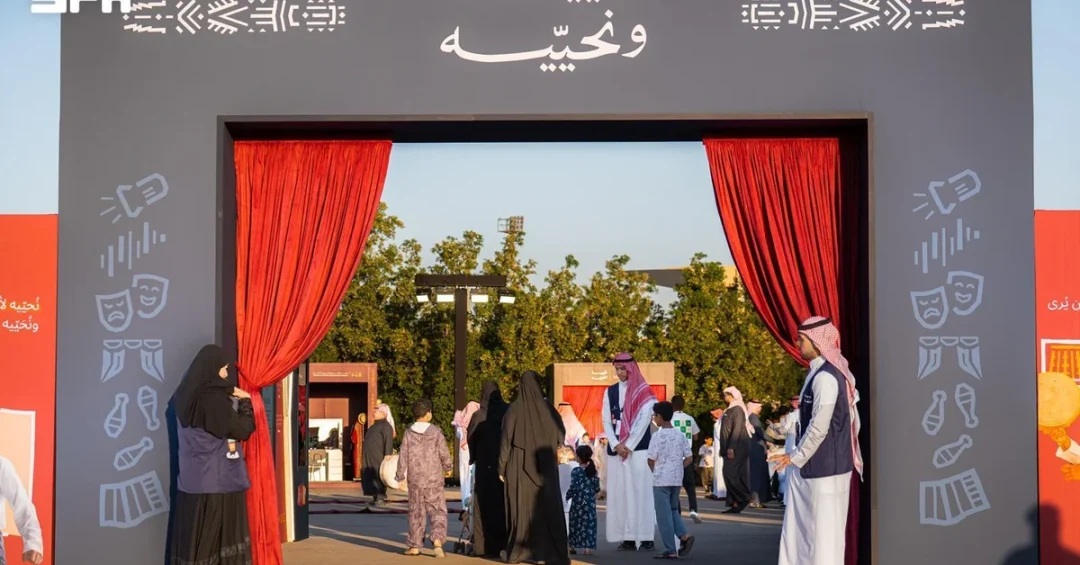
The Theater and Performing Arts Commission, a key cultural body under the Saudi Ministry of Culture, launched its nationwide performing arts program in Buraidah on November 25, 2026, transforming Al-Noor Park into a vibrant hub of theatrical performances, circus acts, and interactive experiences. The event, reported by the Saudi Press Agency (SPA), marks a significant step in the Kingdom’s efforts to expand cultural offerings and engage communities across all regions. Running until November 28, the program is part of a broader tour that brings professional entertainment to diverse audiences, aligning with Saudi Arabia’s Vision 2030 goals to enrich quality of life and promote cultural participation.
Have you ever wondered how a single event can ignite a community’s passion for the arts? The opening night in Buraidah drew families and youth eager to explore the magic of live performance. From 4:00 p.m., visitors were welcomed with a diverse lineup that included puppetry, circus acts, and main-stage theatrical shows. The initiative reflects the Commission’s commitment to decentralizing cultural activities, ensuring that residents beyond major cities like Riyadh and Jeddah have access to world-class entertainment. By bringing performances to Qassim, the program not only entertains but also nurtures local talent and fosters a deeper appreciation for the performing arts, a sector poised for growth under the Kingdom’s cultural transformation.
Context and Background
Why is Saudi Arabia investing so heavily in the performing arts? The Theater and Performing Arts Commission was established in 2020 as part of the Ministry of Culture’s efforts to develop a thriving cultural ecosystem. Since then, it has launched numerous initiatives, including the Riyadh Season theater performances and the National Theater Festival, to elevate the sector’s profile. The current tour across the Kingdom, which includes the stop in Buraidah, is a continuation of these efforts, designed to reach audiences in every region. According to official Saudi sources, the program aims to increase the number of theatrical productions and performance venues, while also providing training and employment opportunities for Saudi artists and technicians.
The choice of Al-Noor Park in Buraidah as a venue is strategic. Qassim region, known for its agricultural heritage and growing urban centers, has seen increased investment in cultural infrastructure in recent years. The park, a popular family destination, offers an accessible and welcoming space for the performances. The event also features interactive experiences that allow visitors to participate in various performing arts, from improvisation workshops to circus skills demonstrations. This hands-on approach is designed to demystify the arts and encourage active engagement, particularly among young people who may aspire to pursue careers in the creative industries. By bringing the program to Qassim, the Commission underscores its dedication to inclusivity and regional development.
How does this event fit into the larger narrative of Saudi cultural reform? Since the launch of Vision 2030 in 2016, the Kingdom has witnessed a cultural renaissance, with the establishment of numerous cultural commissions, the hosting of international events, and the creation of new venues. The performing arts are a central pillar of this transformation, as they reflect Saudi stories and traditions while embracing global artistic expressions. The Buraidah program, with its mix of circus, puppetry, and theater, exemplifies this blend, offering something for all ages and tastes. It also contributes to the goals of the Quality of Life Program, one of Vision 2030’s executive programs, which aims to enhance the lives of citizens and residents by providing diverse cultural and entertainment options.
Key Details of the Performances Program
What exactly can visitors expect at Al-Noor Park? The program kicked off on November 25 and will run daily until November 28, with activities starting at 4:00 p.m. The main stage hosts theatrical productions that showcase both established and emerging Saudi talent. These performances range from comedies to dramas, often incorporating local folklore and contemporary themes. Circus acts, including acrobatics and juggling, add a thrilling element, while puppetry shows cater to younger audiences. Interactive stations allow visitors to try their hand at stage makeup, costume design, and even short acting exercises. The Commission has emphasized that all performances are family-friendly and adhere to Saudi cultural values, ensuring a respectful and enjoyable experience for everyone.
Who are the artists and organizers behind this initiative? The Theater and Performing Arts Commission oversees the program, working in collaboration with local authorities in Qassim and various production companies. Many of the performers are Saudi nationals who have benefited from the Commission’s training programs, such as the Performing Arts Incubator and the Theater Talent Development Initiative. These programs provide aspiring artists with mentorship, technical skills, and performance opportunities. By featuring local talent, the Buraidah event not only entertains but also showcases the Kingdom’s growing pool of creative professionals. The Commission’s efforts align with the Ministry of Culture’s strategy to nurture a sustainable cultural sector that contributes to the economy and national identity.
How does the interactive component enhance the visitor experience? Beyond passive viewing, the program encourages active participation. Visitors can join workshops led by professional artists, learning basics of improvisation, mime, and even circus techniques. For children, there are dedicated zones with puppetry-making sessions and storytelling. These activities are designed to spark creativity and build confidence, especially among youth. The Commission believes that such engagement fosters a lifelong appreciation for the arts and may inspire future careers. Additionally, the interactive experiences provide valuable feedback for the organizers, helping them tailor future programs to community interests. This visitor-centric approach is a hallmark of Saudi cultural initiatives, which prioritize accessibility and enjoyment for all segments of society.
International and Regional Impact
Could Saudi Arabia’s cultural push influence its regional standing? The performing arts program in Qassim is part of a wider effort to position the Kingdom as a cultural leader in the Middle East. By investing in events that celebrate both heritage and modernity, Saudi Arabia is attracting attention from international cultural organizations and tourists. The program also aligns with the Kingdom’s goals to increase cultural exchange and soft power. As Saudi artists gain exposure through such tours, they are increasingly invited to perform abroad, fostering cross-cultural dialogue. Moreover, the presence of international media at events like these helps showcase the Kingdom’s vibrant cultural scene, countering outdated perceptions and highlighting the progress made under Vision 2030.
What does this mean for the local community in Buraidah? For residents of Qassim, the program offers more than just entertainment; it provides economic and social benefits. Local businesses, from food vendors to hotels, see increased foot traffic during the event. The Commission often collaborates with local entrepreneurs to provide services, boosting the regional economy. Socially, the event brings families together in a safe, wholesome environment, reinforcing community bonds. It also serves as a platform for local artists to gain recognition and for youth to explore creative pursuits. By hosting such events, Buraidah strengthens its position as a cultural destination within the Kingdom, attracting visitors from neighboring regions and contributing to the diversification of the local economy away from traditional sectors.
Economic and Strategic Significance
How does the performing arts sector contribute to Saudi Arabia’s economy? The creative industries, including theater and performing arts, are emerging as significant economic contributors. According to the Ministry of Culture, the cultural sector aims to generate thousands of jobs and contribute billions of riyals to GDP by 2030. Events like the Buraidah program stimulate spending in hospitality, retail, and transportation, while also creating direct employment for artists, technicians, and support staff. The Commission’s investment in training programs ensures a skilled workforce that can sustain growth. Furthermore, a vibrant cultural scene enhances the Kingdom’s attractiveness as a tourist destination, supporting the goals of the National Tourism Strategy to welcome 100 million visitors annually by 2030.
Why is strategic investment in culture important for Vision 2030? Vision 2030 seeks to diversify the economy beyond oil and foster a vibrant society. Cultural initiatives are central to this vision, as they improve quality of life, promote national identity, and create economic opportunities. The performing arts program in Qassim exemplifies how targeted investments can yield multiple benefits: entertaining communities, nurturing talent, and driving economic activity. The Commission’s nationwide tour ensures that these benefits are distributed equitably, avoiding the concentration of cultural resources in major cities. This strategic approach not only aligns with the principles of balanced regional development but also strengthens social cohesion by celebrating shared cultural heritage and contemporary creativity.
Vision 2030 Alignment
How does the Buraidah program specifically advance Vision 2030? The event directly supports the Quality of Life Program by providing accessible entertainment and cultural enrichment. It also aligns with the Human Capability Development Program by offering training and participation opportunities that build skills and foster creativity. Additionally, the program contributes to the National Transformation Program’s goals of increasing household spending on culture and entertainment. By bringing performances to Qassim, the Commission demonstrates the Vision’s commitment to inclusivity and regional development. The success of such initiatives is measured not only by attendance but by long-term impacts, such as the emergence of local theater groups and increased demand for cultural venues, which are essential for a sustainable creative ecosystem.
What can we expect next from Saudi Arabia’s cultural sector? The Theater and Performing Arts Commission has announced plans to expand its tour to other regions, including Asir, Tabuk, and the Eastern Province, in the coming months. These events will feature new productions and interactive formats, building on the lessons learned from Qassim. The Commission is also investing in infrastructure, with new theaters under construction in several cities. As the Kingdom continues its cultural journey, initiatives like the Buraidah program will play a crucial role in engaging citizens and residents, showcasing Saudi talent, and reinforcing the nation’s position as a global cultural hub. The future of performing arts in Saudi Arabia looks bright, with Vision 2030 as its guiding light.
20 Questions
Q1. What is the Theater and Performing Arts Commission?
A1. The Theater and Performing Arts Commission is a Saudi government body established in 2020 under the Ministry of Culture. It is responsible for developing and promoting theater and performing arts across the Kingdom, supporting artists, and organizing events that enrich the cultural landscape in line with Vision 2030.
Q2. Where and when did the performing arts program take place?
A2. The program was held at Al-Noor Park in Buraidah, Qassim region, from November 25 to November 28, 2026. It featured daily performances starting at 4:00 p.m., including theater, circus acts, puppetry, and interactive experiences for visitors.
Q3. What types of performances were featured?
A3. The program included theatrical shows on the main stage, circus acts such as acrobatics, puppetry performances, and interactive workshops. These offerings catered to diverse age groups and provided a mix of entertainment and participatory experiences.
Q4. Who organized the event?
A4. The event was organized by the Theater and Performing Arts Commission, in collaboration with local authorities in Qassim and various production companies. The Commission oversees the program as part of its nationwide tour to promote performing arts.
Q5. What is the purpose of the nationwide tour?
A5. The tour aims to expand the presence of theater and performing arts across Saudi Arabia, strengthen community connections to these disciplines, and enrich the Saudi cultural landscape. It also seeks to provide entertainment and cultural engagement in various regions.
Q6. How does this event support Vision 2030?
A6. The event supports Vision 2030 by enhancing quality of life, promoting cultural participation, and contributing to economic diversification. It aligns with the Quality of Life Program and Human Capability Development Program, fostering creativity and social cohesion.
Q7. Is the event family-friendly?
A7. Yes, the program is designed to be family-friendly, with performances and activities suitable for all ages. The Commission ensures that all content adheres to Saudi cultural values, providing a respectful and enjoyable experience for families.
Q8. Are there opportunities for audience participation?
A8. Yes, the program includes interactive experiences where visitors can participate in workshops, try circus skills, and engage with artists. These activities are intended to spark creativity and deepen appreciation for the performing arts.
Q9. Who are the performers?
A9. The performers include Saudi nationals who have trained through the Commission’s programs, as well as professional artists from various production companies. The event showcases local talent alongside experienced performers.
Q10. What economic benefits does the event bring to Qassim?
A10. The event boosts local businesses such as food vendors, hotels, and retail outlets through increased foot traffic. It also creates temporary jobs for artists, technicians, and support staff, contributing to the regional economy.
Q11. How does the Commission support Saudi artists?
A11. The Commission supports Saudi artists through training programs, mentorship, and performance opportunities. Initiatives like the Performing Arts Incubator help aspiring artists develop skills and gain exposure, fostering a sustainable creative sector.
Q12. Will the program visit other regions?
A12. Yes, the nationwide tour will expand to other regions, including Asir, Tabuk, and the Eastern Province, in the coming months. The Commission plans to continue bringing performing arts to diverse communities across the Kingdom.
Q13. What interactive experiences are available?
A13. Interactive experiences include improvisation workshops, stage makeup sessions, costume design, and circus skills demonstrations. These activities allow visitors to actively engage with the performing arts and learn from professionals.
Q14. How does the event reflect Saudi culture?
A14. The event reflects Saudi culture by incorporating local folklore, traditions, and contemporary themes into performances. It celebrates the Kingdom’s heritage while embracing modern artistic expressions, in line with Vision 2030.
Q15. What is the significance of Al-Noor Park as a venue?
A15. Al-Noor Park is a popular family destination in Buraidah, offering an accessible and welcoming space for the event. Its selection underscores the Commission’s goal to bring cultural activities to community hubs.
Q16. How does the program promote cultural exchange?
A16. The program promotes cultural exchange by featuring diverse performances and inviting international participation. It also showcases Saudi talent to a broader audience, fostering dialogue and mutual understanding.
Q17. What are the future plans for the Commission?
A17. The Commission plans to expand its tour, invest in new theaters, and launch additional training programs. These efforts aim to build a sustainable performing arts sector that contributes to Vision 2030.
Q18. How can visitors learn more about the program?
A18. Visitors can learn more through the Commission’s official website and social media channels, as well as local announcements. The Saudi Press Agency provides updates on upcoming events and initiatives.
Q19. What impact does the event have on youth?
A19. The event inspires youth by exposing them to live performances and interactive workshops, potentially sparking interest in creative careers. It also provides positive recreational activities that contribute to their personal development.
Q20. How does the event align with Saudi Arabia’s tourism goals?
A20. The event supports tourism goals by attracting visitors to Qassim and showcasing the region’s cultural offerings. It enhances the Kingdom’s appeal as a destination for cultural tourism, complementing other Vision 2030 initiatives.
Reader Feedback
We value your thoughts. Please share your feedback on this article.
Your feedback helps us improve our coverage.
Related articles
 Darah Board Reviews 2026 Strategy Progress
 Pakistani Falconer Makes History with King Abdulaziz Cup Win
 Ithra Winter 2026 Brings Culture to Dhahran Expo
 King Abdulaziz Falconry Festival Hosts 18 Rounds of Milwah Competition
 Islamic Affairs Ministry’s Booth at Kuwait Book Fair Welcomes Visitors for Eighth Day, Receives Quran Memorization Students
 Russian Delegation Praises Saudi Falconry Festival