


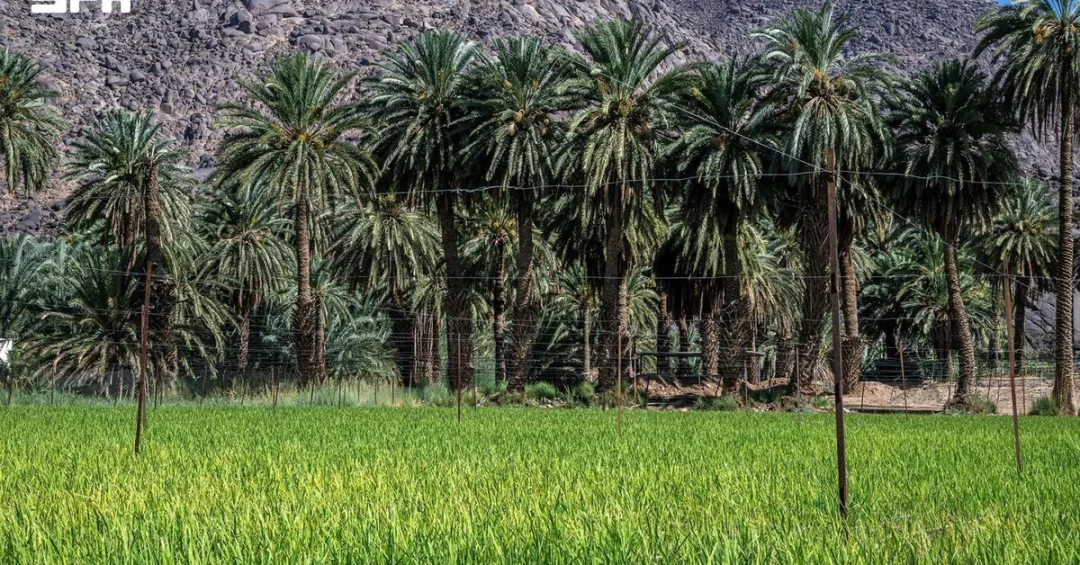
Systematic field trials in Najran, supervised by Saudi research institutions and local farmers, have successfully introduced new crops and innovative farming systems aimed at diversifying production, conserving water, and strengthening food security. The trials, announced by the Saudi Press Agency on June 6, 2026, follow initial soil and water studies that guided the deployment of model plots and farmer training programs across the region, marking a significant step in the Kingdom’s agricultural modernization efforts.
Context and Background
Najran, located in southwestern Saudi Arabia, has long been recognized for its fertile alluvial soil and moderate climate, which provide a strong foundation for agricultural development. The region’s agricultural potential aligns with Vision 2030, the Kingdom’s strategic framework to diversify the economy, enhance food security, and promote sustainable resource management. The recent trials are part of a broader national effort to optimize water usage and adopt advanced technologies in farming, following years of research and collaboration between institutions and local communities.
Key Details
A standout experiment successfully produced rice using drip irrigation, reducing water consumption through automated timers and regulated drying periods. This method, adapted to local conditions, demonstrates how precision irrigation can enable water-intensive crops in arid environments. Model farms also achieved success with stevia, a natural low-calorie sweetener, and nitrogen-fixing broad beans, which improve soil health and decrease reliance on chemical fertilizers. These crops not only diversify production but also contribute to sustainable farming practices.
The trials integrated advanced technologies such as hydroponics, vertical farming, and greenhouses to test crops including strawberries, sesame, coffee, and vegetables. Local farmers and specialists confirmed that Najran’s alluvial soil and moderate climate provide a strong foundation for transforming the region into a sustainable commercial agricultural hub, provided that institutional research and financial support continue to expand. The program also included farmer training to promote improved agricultural practices across the region.
Implications and Impact
The success of these trials has significant implications for Saudi Arabia’s agricultural sector and its pursuit of food security. By demonstrating that water-efficient methods can support diverse crops, the initiative offers a scalable model for other regions in the Kingdom facing similar environmental challenges. It also reduces reliance on imports, strengthens local economies, and creates opportunities for agribusiness investment. Furthermore, the integration of technology and traditional farming knowledge positions Saudi Arabia as a leader in sustainable agriculture in the Middle East.
Vision 2030 Alignment
These agricultural advancements directly support Vision 2030 goals of economic diversification, environmental sustainability, and enhanced quality of life. By promoting innovative farming systems and water conservation, Najran’s trials contribute to the Kingdom’s long-term food security strategy and its commitment to responsible resource management. As Saudi Arabia continues to invest in research and technology, such initiatives will play a crucial role in building a resilient and prosperous future for the nation and the region.
20 Questions
Q1. What are the main goals of the agricultural trials in Najran?
A1. The trials aim to diversify crop production, conserve water, and enhance food security through innovative farming systems, following initial soil and water studies that guided model plots and farmer training programs.
Q2. Which new crop was successfully produced using drip irrigation?
A2. Rice was successfully produced using drip irrigation, which reduced water consumption through automated timers and regulated drying periods, demonstrating efficient water use in arid conditions.
Q3. What is stevia and why is it significant in these trials?
A3. Stevia is a natural low-calorie sweetener. Its successful cultivation in Najran adds a valuable cash crop that can diversify agricultural production and contribute to healthier food options.
Q4. How do nitrogen-fixing broad beans benefit soil health?
A4. Nitrogen-fixing broad beans improve soil fertility by converting atmospheric nitrogen into a usable form, reducing the need for chemical fertilizers and promoting sustainable farming practices.
Q5. What advanced technologies were integrated into the trials?
A5. The trials integrated hydroponics, vertical farming, and greenhouses to test various crops, showcasing modern techniques that optimize space, water, and resource use in agriculture.
Q6. Which crops were tested in the model farms?
A6. Crops tested included strawberries, sesame, coffee, and vegetables, among others. These tests help identify which high-value crops thrive in Najran’s environment and can boost local economies.
Q7. Why is Najran considered suitable for agricultural transformation?
A7. Najran’s alluvial soil and moderate climate provide a strong foundation for agriculture. With continued institutional research and financial support, it can become a sustainable commercial agricultural hub.
Q8. Who led the systematic field trials in Najran?
A8. The trials were led by research institutions in collaboration with local farmers, following initial soil and water studies. This partnership ensures practical, community-driven agricultural development.
Q9. What role did farmer training programs play in the initiative?
A9. Farmer training programs were essential to promote improved agricultural practices, ensuring that local farmers can adopt and sustain the new techniques and technologies introduced through the trials.
Q10. How do these trials align with Saudi Vision 2030?
A10. They support Vision 2030 by advancing economic diversification, enhancing food security, promoting water conservation, and fostering sustainable agriculture, all key objectives of the national transformation plan.
Q11. What water-saving methods were used in the rice experiment?
A11. The rice experiment used drip irrigation with automated timers and regulated drying periods, significantly reducing water consumption compared to traditional flooding methods.
Q12. What is the significance of hydroponics in these trials?
A12. Hydroponics allows plants to grow without soil, using nutrient-rich water solutions. It is a water-efficient method that can be used in arid regions like Najran to produce crops year-round.
Q13. How might these trials impact food security in Saudi Arabia?
A13. By demonstrating successful cultivation of diverse crops with minimal water, the trials can help increase domestic food production, reduce import dependency, and build a more resilient food supply chain.
Q14. What economic opportunities could arise from these agricultural advancements?
A14. They could stimulate agribusiness investment, create jobs, and establish Najran as a commercial agricultural hub, contributing to local and national economic growth.
Q15. What is the role of the Saudi Press Agency in this announcement?
A15. The Saudi Press Agency reported the successful trials, highlighting the Kingdom’s commitment to agricultural innovation and sustainable development through official channels.
Q16. How do these trials contribute to environmental sustainability?
A16. By conserving water, reducing chemical fertilizers, and promoting soil health, the trials support environmental sustainability and responsible resource management in line with Saudi Arabia’s green initiatives.
Q17. Can these farming methods be replicated in other regions of Saudi Arabia?
A17. Yes, the techniques and crops tested can be adapted to other regions with similar climates and soil conditions, offering a scalable model for sustainable agriculture across the Kingdom.
Q18. What was the initial step before deploying model plots?
A18. Initial soil and water studies were conducted to guide the deployment of model plots, ensuring that the trials were based on scientific data and tailored to local conditions.
Q19. How does the local community benefit from these trials?
A19. The local community benefits through training, employment opportunities, and the potential for increased income from high-value crops, while also gaining knowledge about sustainable farming practices.
Q20. What future steps are planned to expand these agricultural initiatives?
A20. Continued institutional research and financial support are planned to expand the initiatives, with the goal of transforming Najran into a sustainable commercial agricultural hub and scaling successful methods nationwide.
Reader Feedback
We value your thoughts. Please share your feedback on this article.
Your feedback helps us improve our coverage.
Related articles
 Aseer Farmers Begin Traditional Corn Thinning to Boost Harvest
 Oat Farming in Najran: A Promising Economic Driver Enhancing Regional Food Security
 Al-Baha Farms Begin Summer Fruit Harvest, Expect Abundant Yield
 Saudi EXIM Bank, Brazil’s BNDES Sign MoU to Boost Non-Oil Trade
 Reef Saudi Empowers Shepherds and Boosts Livestock Sector
 GCC and New Zealand Advance Free Trade Agreement Talks